
Have you ever opened the refrigerator and frozen in place—unsure what’s actually safe to eat when your kidneys already feel like they’re working overtime? You may have heard mixed messages everywhere: “eat more protein,” “cut protein,” “avoid this,” “try that.” Eventually, it all blends together, and every meal can start to feel stressful.
Understanding which proteins are typically easier on the kidneys—and which ones can increase the workload—can bring real relief. In this guide, you’ll find four kidney-friendlier protein choices and six proteins many people with kidney concerns may want to limit. One of the most surprising items might already be sitting in your pantry.

Why Protein Choices Matter for Kidney Health
Your kidneys filter waste, manage fluid balance, and help keep blood pressure stable. When kidney function slows, the byproducts created during protein metabolism can accumulate, which may increase strain.
Protein is still essential for muscle maintenance, energy, healing, and immune function—so the goal usually isn’t “no protein.” Instead, it’s choosing high-quality options and being mindful of portion size and added ingredients.
Many kidney-focused nutrition approaches emphasize proteins that are naturally lower in phosphorus and less likely to contain phosphate additives, since these can be tougher for compromised kidneys to handle. The encouraging part: even small, consistent swaps can make meals feel less heavy—physically and mentally.
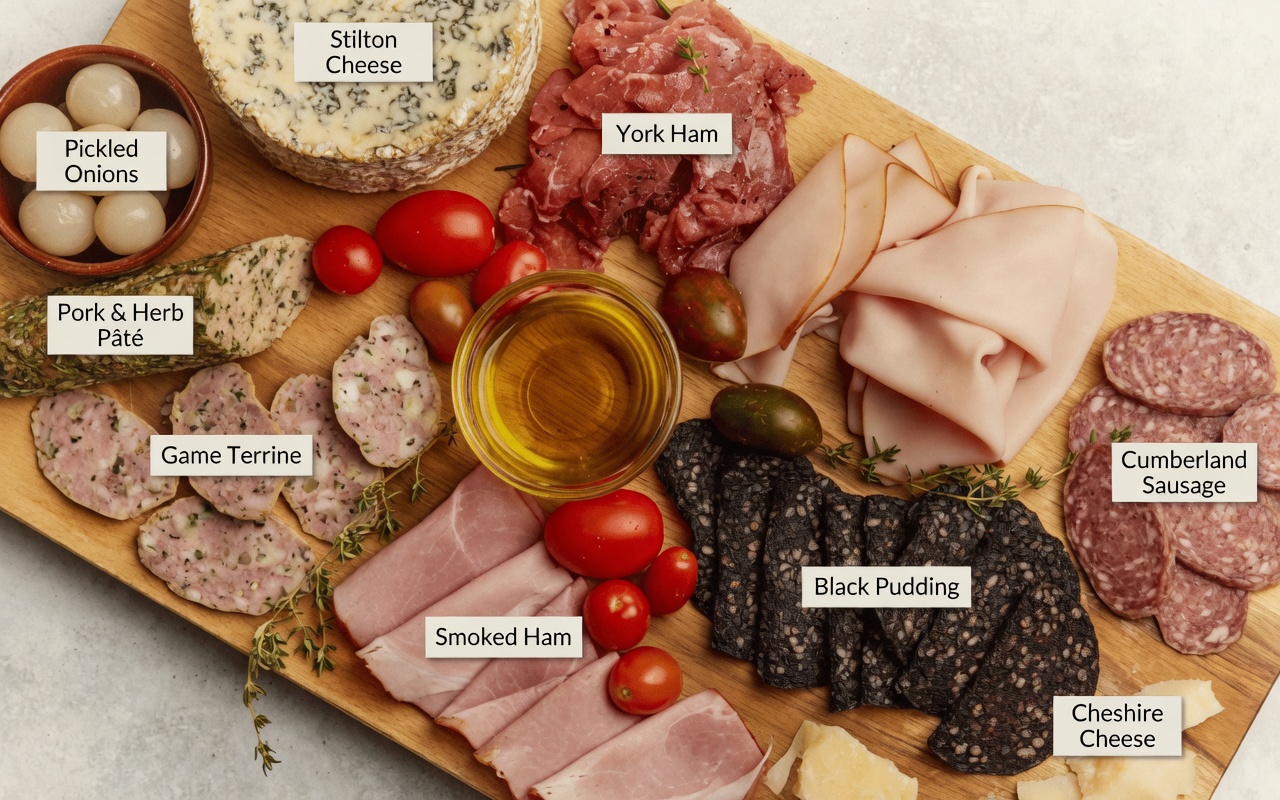
6 Proteins Kidney Patients May Want to Consider Limiting
Limiting certain proteins doesn’t mean eating bland food. It’s often about reducing sodium, additives, saturated fat, and waste load—all of which can make kidney management harder.
6. Salty Cured Meats
Items like bacon, ham, and deli meats are usually packed with sodium and preservatives. Too much sodium may contribute to fluid retention and higher blood pressure, which can be especially challenging when kidneys are under strain.
Even “small” servings can push sodium intake up quickly.

5. Processed Protein Snacks
Convenient products such as protein bars, jerky sticks, and protein chips often contain hidden phosphorus additives. These additives may increase the burden on kidneys—without being obvious from taste alone.
If you rely on packaged snacks, label-checking becomes important.
4. Excessive Red Meat
Red meat can be enjoyable, but large portions or frequent servings tend to create more metabolic waste during digestion. Some studies associate high red meat intake with faster decline in kidney function over time.
For many people, the key is moderation—smaller portions and less frequent meals.

3. Sausages and Hot Dogs
Sausages, hot dogs, and similar meats often combine:
- High sodium
- Preservatives
- Saturated fat
That “triple hit” can be harder on sensitive kidneys and may also affect cardiovascular health, which is closely connected to kidney wellbeing.
2. Protein Powders
Protein shakes can seem efficient, but powders are often highly concentrated and may include phosphate additives or other ingredients that increase kidney workload.
Not all powders are the same—if you use them, the ingredient list matters as much as the protein grams.

1. Organ Meats
Foods like liver are rich in nutrients, but they’re also high in purines, which the body converts into uric acid—another waste product kidneys must clear.
For people with reduced kidney function, organ meats may feel like “too much” too often.
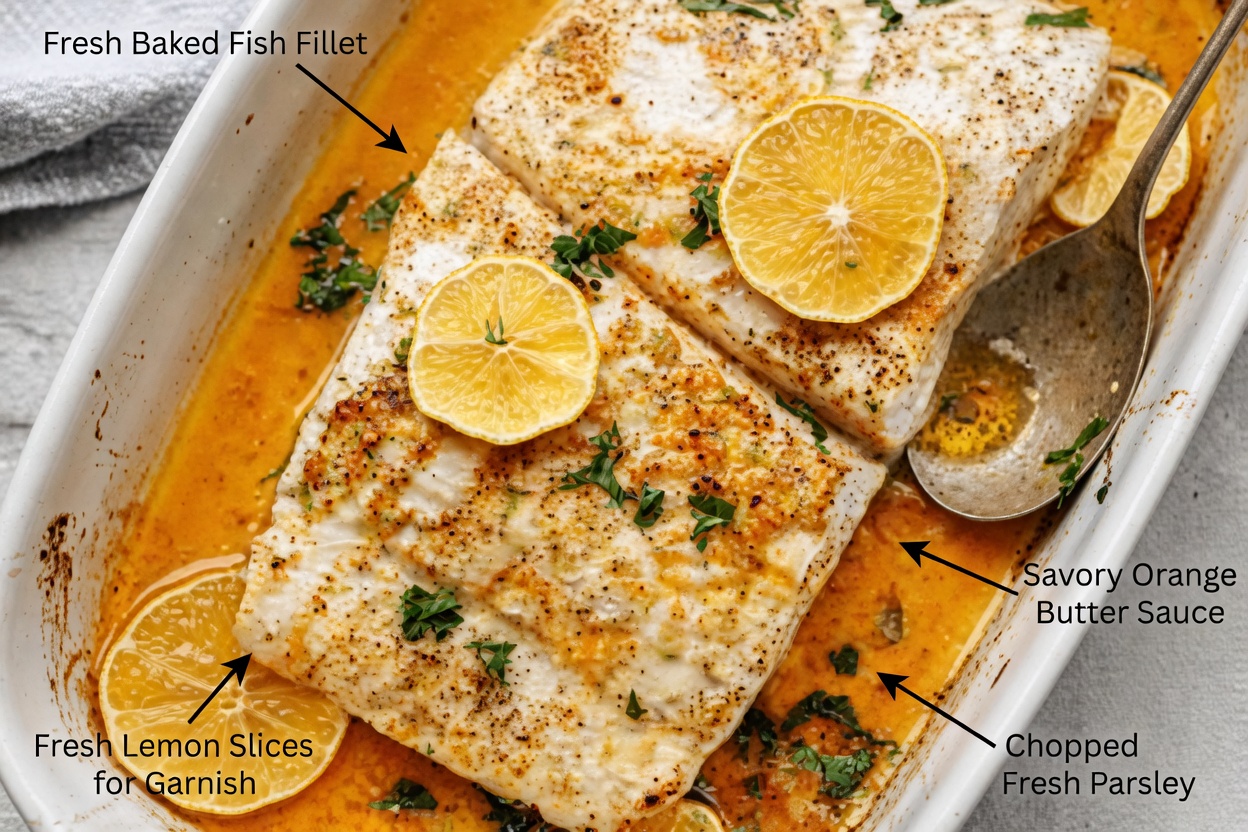
4 Kidney-Friendly Proteins to Consider Choosing More Often
These options are commonly considered gentler because they’re typically lower in phosphorus, less processed, and still provide high-quality protein. Many people report feeling less weighed down after meals built around these foods.
4. Egg Whites
Egg whites provide clean, complete protein and are naturally low in phosphorus compared with whole eggs. They’re also easy to use in many meals:
- Scrambled egg whites
- Omelets with vegetables
- Mixed into dishes for added protein
For many, they’re a simple switch that still feels satisfying.

3. White Fish
Lean white fish such as cod, tilapia, or halibut offers protein without the heavier fat profile found in some meats. Many people find fish meals feel lighter while still filling.
For kidney-friendly cooking, choose methods like baking, steaming, or poaching.
2. Tofu
Tofu is a plant-based protein that can be easier to incorporate than many expect. It’s flavorful when seasoned and may have a gentler overall impact, especially compared with heavily processed meats.
Try it:
- Grilled
- Stir-fried with vegetables
- Sautéed with garlic, ginger, or lemon
1. Skinless Poultry
Skinless chicken or turkey breast is familiar, flexible, and typically lower in fat than many other animal proteins. When prepared simply, it often provides balanced protein without the “heavy” feeling that can follow richer cuts.
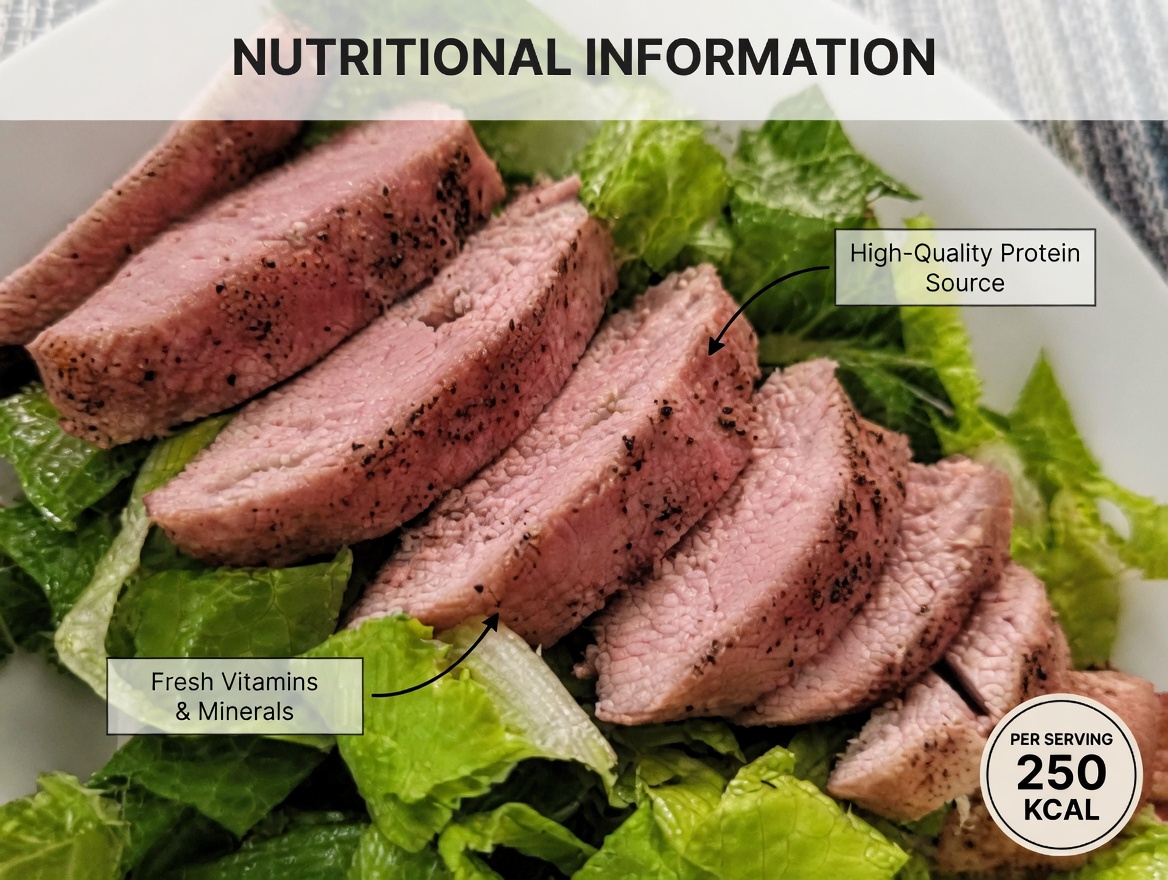
Quick Comparison: Potential Kidney Impact
- Egg whites: Generally gentler; naturally lower in phosphorus; easy to use
- White fish: Lean protein; often lighter than meat; best baked/steamed
- Tofu: Plant-based; absorbs flavor well; useful meat alternative
- Skinless poultry: Balanced choice; versatile for everyday meals
- Excess red meat: Higher waste load; limit portion and frequency
- Cured meats: High sodium/preservatives; may worsen fluid retention
- Processed protein snacks: May contain phosphate additives; read labels
- Sausages/hot dogs: High sodium and fat; heavy combination for kidneys
- Protein powders: Concentrated protein + possible additives; caution needed
- Organ meats: High purines; increases uric acid burden
Simple Ways to Add Kidney-Friendlier Proteins
Small steps tend to stick. Consider these practical swaps:
- Replace deli meat in sandwiches with sliced chicken breast or tofu
- Trade a protein bar for boiled egg whites
- Aim for baked white fish twice weekly instead of frequent red meat meals
- Build flavor with herbs, garlic, vinegar, or lemon rather than extra salt
- Keep portions moderate—often about the size of your palm
Cooking style matters too. Kidney-friendly methods typically include:
- Baking
- Grilling
- Steaming
- Poaching
Instead of deep-frying.
Final Thoughts
Protein choices don’t have to be a constant source of worry. By choosing options that are often easier on the kidneys—egg whites, white fish, tofu, and skinless poultry—and limiting proteins that commonly add strain, meals can start to feel more comfortable and less stressful.
Consistent, manageable changes usually bring the most peace of mind.
Frequently Asked Questions
Can I still eat my favorite proteins occasionally?
Often, yes. Many people can include small portions of “limit” foods from time to time. The bigger picture—frequency, portion size, and overall balance—usually matters most.
How much protein do kidney patients need?
It depends on kidney function stage, labs, and overall health. A registered dietitian can tailor a target based on your bloodwork and medical plan.
Are plant-based proteins always better for kidneys?
Not always, but many plant proteins (including tofu) can be a helpful part of a kidney-conscious pattern. Variety and smart preparation tend to work best.