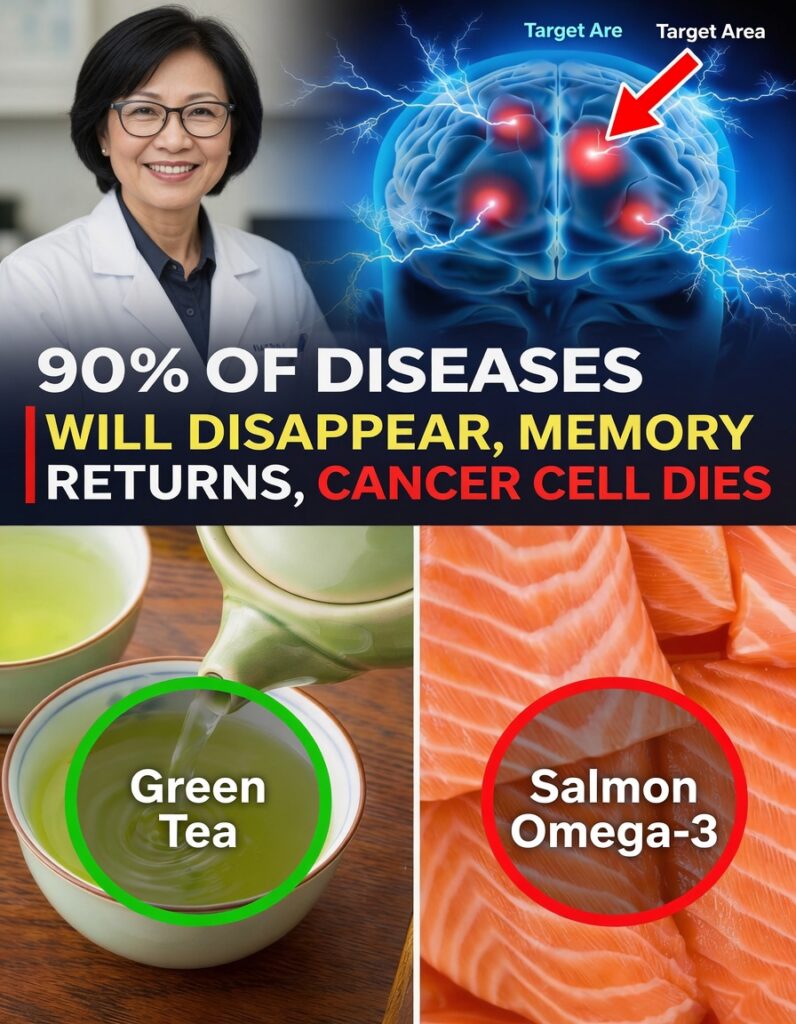
Aging and Memory: Why Small Slips Feel Bigger Over Time
As the years pass, many people begin to notice subtle shifts in mental performance—forgetting a name, searching longer for the right word, or needing extra time to recall details. While these moments are common, they can still be discouraging, especially when they affect conversations, work, or day-to-day confidence. Research suggests that roughly one in three adults over 60 reports mild cognitive concerns, often linked to natural brain changes such as less flexible synaptic signaling or reduced efficiency in blood flow.
The good news is that brain health isn’t shaped by genetics alone. Findings connected to Nobel Prize-winning discoveries point to practical, everyday habits—especially consistent movement and specific nutrient-rich foods—that may help support the brain as we age. Neuroscientist Dr. Eric Kandel (Nobel Prize in 2000 for learning and memory research) has remained active into his 90s and highlights the value of staying engaged and walking daily. No single food is a magic solution, but several common grocery items contain nutrients tied to the same biological pathways his work helped clarify.
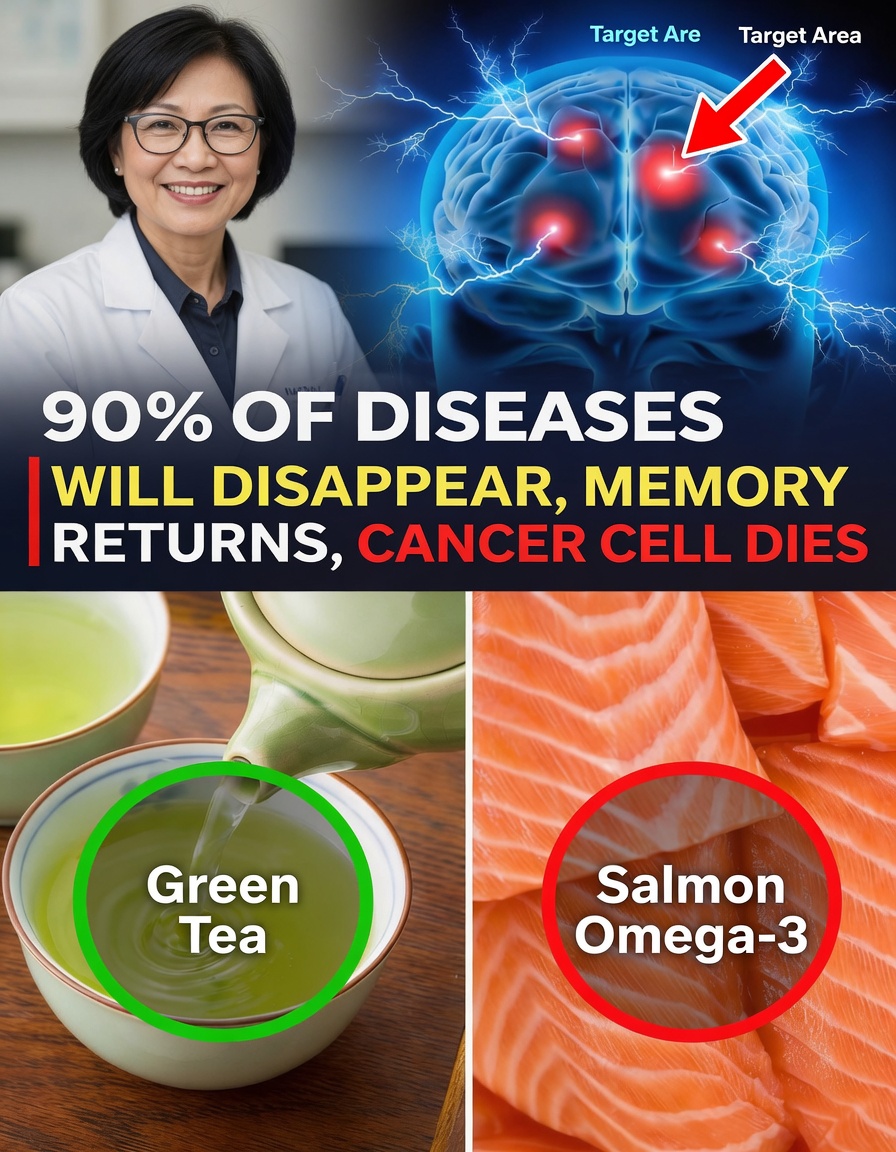
Why Brain Changes Often Become More Noticeable After 50
After midlife, factors like chronic stress, lower activity, and long-term dietary patterns can influence how the brain maintains its connections (synapses) and circulation (blood vessels). Many age-related changes are associated with:
- Oxidative stress (wear-and-tear at the cellular level)
- Low-grade inflammation
- Changes in blood vessel function, affecting oxygen and nutrient delivery
Rather than widespread neuron loss, these shifts often show up as “tip-of-the-tongue” moments, slower processing speed, or reduced mental stamina.
Although brain-training apps and supplements are popular, growing evidence indicates that the fundamentals—synaptic plasticity, steady blood flow, and cellular maintenance—respond strongly to reliable nutrition and regular movement. That’s exactly where Nobel-level discoveries offer helpful clues.
Nobel Insight #1: Synaptic Plasticity and Memory (Eric Kandel’s Breakthrough)
Dr. Eric Kandel’s research demonstrated that learning and memory depend heavily on the brain’s ability to strengthen and remodel synaptic connections. Over time, oxidative stress and metabolic strain can reduce how adaptable these connections remain.
Several widely available foods contain nutrients associated with supporting synaptic function:
-
Omega-3 fatty acids (especially DHA)
Found in fatty fish like salmon, DHA helps maintain neuron membrane fluidity—important for efficient signaling. Higher omega-3 intake has been associated in research literature with slower cognitive decline in aging populations. -
Polyphenols from berries
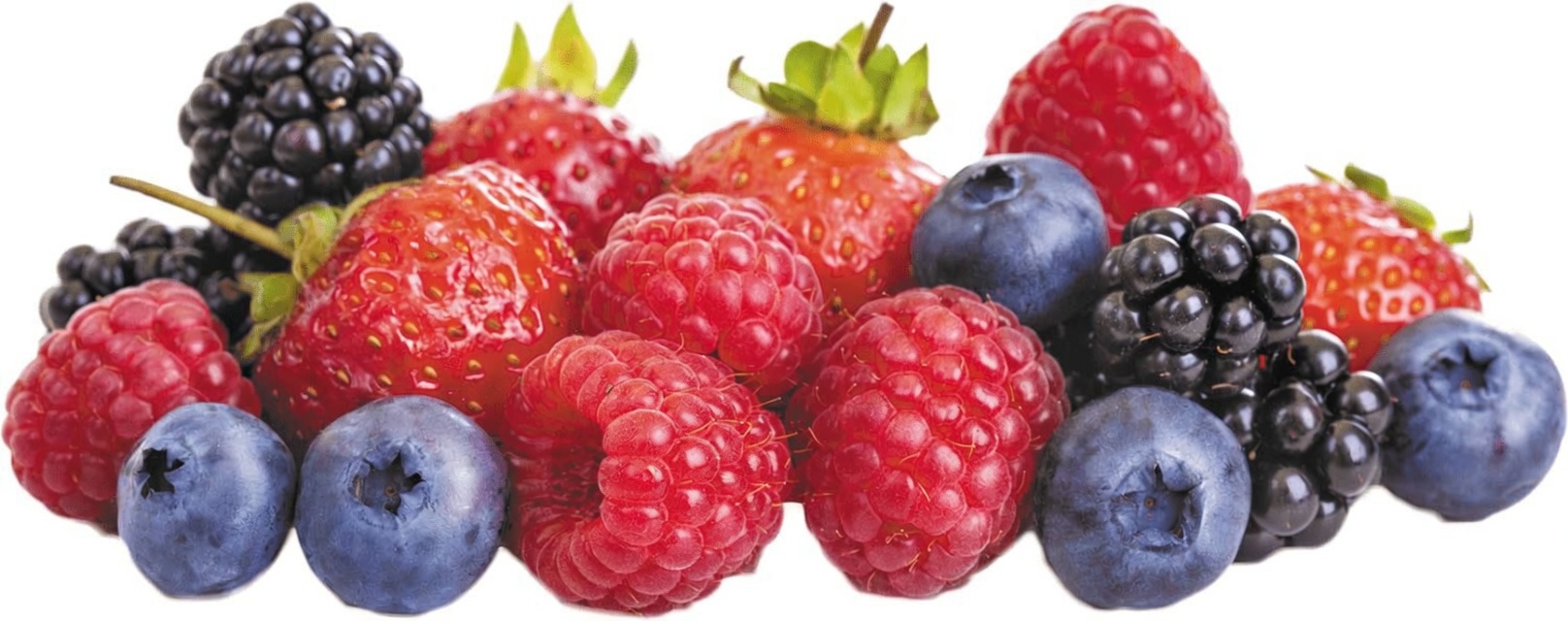
Blueberries and strawberries provide antioxidant compounds that help counter oxidative stress and support neuronal health. Reviews commonly link berry intake with improvements in memory-related tasks. -
Choline from eggs
Eggs are a practical source of choline, which the body uses to produce acetylcholine, a neurotransmitter strongly involved in attention, learning, and recall.
These aren’t niche “superfoods.” They’re familiar, accessible staples.
What This Looks Like in Real Life (Small Changes, Steady Results)
People who build these foods into consistent routines often describe gradual improvements over time. For example:
- A retiree in his late 60s added salmon twice per week and berries daily, and over several months noticed smoother recall during conversations.
- Another individual in her 70s paired eggs at breakfast with regular walking and reported steadier energy and stronger focus.
While personal stories don’t replace clinical trials, they align with patterns seen in observational research: repetition and consistency matter, especially when nutrition and movement work together.
15 Ways These Everyday Foods May Support Brain Health
Below are potential brain-supportive effects linked to the foods above and the biological pathways discussed:
- Supports synaptic adaptability with DHA to help reinforce neural signaling
- Helps reduce oxidative stress using berry polyphenols that protect neurons
- Assists neurotransmitter production via choline for attention and learning
- Contributes to steadier memory-related processes through reliable nutrient intake
- Encourages healthy cerebral blood flow (more on this next)
- Supports vascular function with antioxidant-rich foods
- Helps calm blood vessel inflammation through plant compounds
- Improves oxygen and nutrient delivery to brain cells when circulation is supported
- Promotes cellular “cleanup” pathways with cruciferous vegetables (sulfur compounds)
- Helps stabilize neuron membranes with healthy fats
- Supports natural detox and resilience pathways through phytonutrients
- May reduce age-related buildup of cellular stress over time
- Works best when paired with movement (walking is especially consistent and accessible)
- Creates nutrient synergy when combined (for example, vegetables with olive oil)
- Builds long-term support through cumulative daily habits, not quick fixes
Nobel Insight #2: Nitric Oxide and Brain Circulation (Robert Furchgott’s Discovery)
In 1998, Dr. Robert Furchgott’s Nobel Prize-winning research clarified the role of nitric oxide in helping blood vessels relax—supporting healthier circulation. With age, nitric oxide signaling can become less efficient, potentially affecting how well the brain receives oxygen and nutrients.
Foods that support the body’s natural nitrate-to-nitric-oxide pathway include:
-
Beets
Rich in dietary nitrates that can convert to nitric oxide, and research frequently links beet intake with improved blood flow measures. -
Leafy greens (spinach, kale, arugula)
Also high in nitrates and packed with additional micronutrients. -
Pomegranate
Provides polyphenols that may help maintain healthy vascular function.
A simple approach: roasted beets with olive oil, or a salad of greens + pomegranate.
Nobel Insight #3: Cellular Organization and Protein Handling (Günter Blobel’s Contribution)
Dr. Günter Blobel’s 1999 Nobel Prize work explained how proteins are directed to the correct locations within cells—an essential part of cellular order. When aging, stress, or inflammation interferes with these systems, it can strain neuron function over time.
Foods associated with supporting cellular stability and stress defenses include:
- Berries, which help reduce oxidative damage
- Olive oil, which provides fats that support membrane structure and signaling
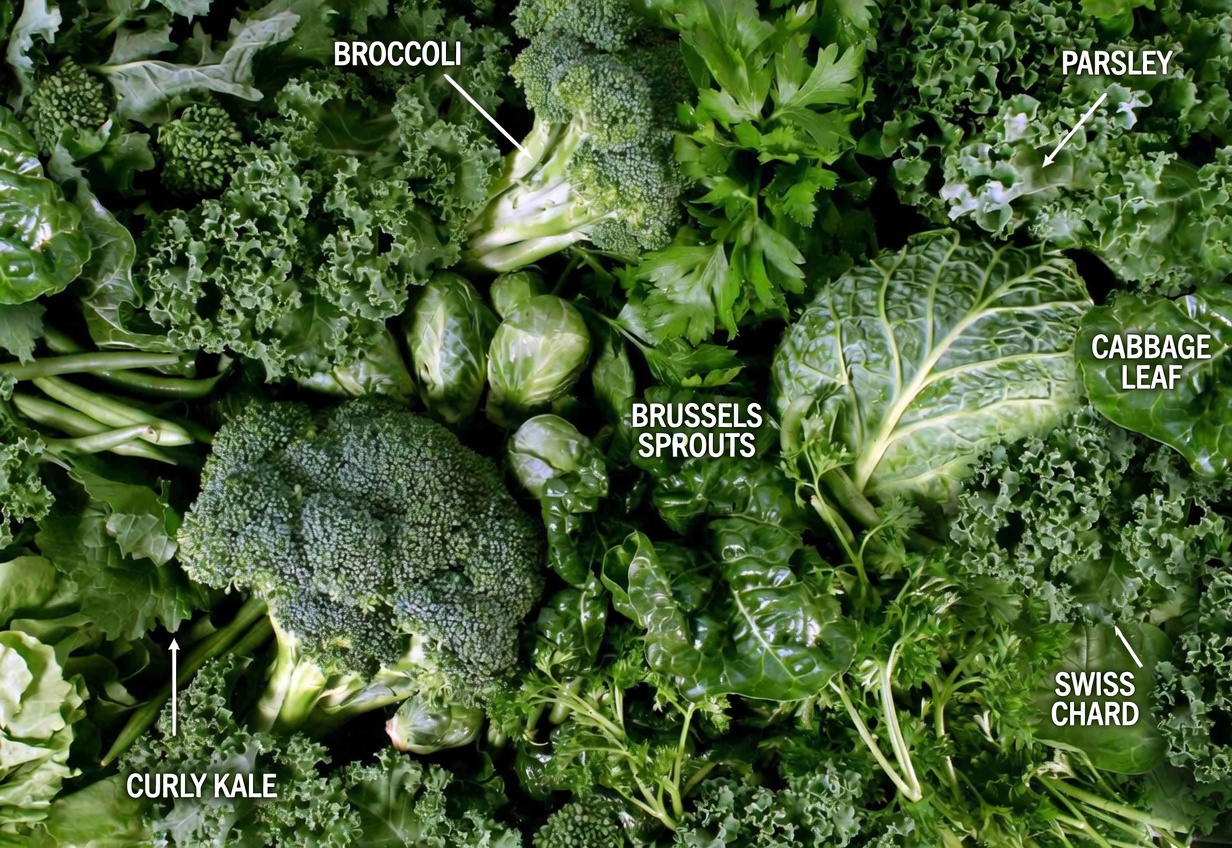
- Cruciferous vegetables (broccoli, Brussels sprouts, cabbage), which contain compounds linked to detox and protective cellular pathways
These foods fit easily into daily meals and complement the earlier synapse and blood-flow mechanisms.
A Simple, Sustainable Timeline to Add These Foods
Instead of changing everything at once, build habits gradually:
-
Weeks 1–2: Start with synapse-supporting staples
- Fatty fish 2–3 times per week
- Berries daily
- Eggs regularly (as appropriate for your diet)
Many people report steadier recall and less “brain fog” with consistency.
-
Weeks 3–4: Add circulation-focused foods
- Beets a few times per week (roasted, blended, or in salads)
- More leafy greens
- Pomegranate when convenient
-
Week 5 and beyond: Build the “foundation” pattern
- Cook with olive oil
- Add cruciferous vegetables several times weekly
- Include daily walking, similar to Kandel’s long-term routine
Walking and movement may amplify benefits by improving circulation and supporting whole-body signaling that can influence brain health.
Everyday Grocery Foods vs. Supplements: A Practical Comparison
| Aspect | Everyday Grocery Foods (Salmon, Berries, Beets, Eggs, Greens) | Brain Supplements | Mediterranean Diet Alone |
|---|---|---|---|
| Cost | Typically lower (regular staples) | Moderate to high | Moderate |
| Evidence connection | Linked to pathways related to synapses and circulation | Varies widely by product | Strong overall dietary pattern evidence |
| Accessibility | Widely available at supermarkets | Requires targeted purchases | Broad, flexible food choices |
| Potential side effects | Usually minimal when balanced | Possible interactions or dosing issues | Typically minimal |
| Type of support | More targeted nutrients (DHA, nitrates, choline, polyphenols) | Often generalized claims | Holistic lifestyle pattern |
Realistic Expectations and Safety Notes
These foods may support brain health best when combined with:
- Regular physical activity
- Social engagement and mentally stimulating activities
- Quality sleep and stress management
They are not a substitute for professional medical care. If you have health conditions or take medications (especially for blood pressure, blood thinning, or metabolic disorders), speak with a qualified clinician before making major dietary changes.
Why These Choices Matter as You Age
Many people want to stay confident in conversation, focused during hobbies, and present with family and friends. Consistent habits—like berries and eggs at breakfast, greens at lunch, and fish a few times per week—can contribute to a stronger foundation for healthy aging.
Try adding one of these foods this week and pay attention to small shifts in clarity, energy, and focus over time.
This article is for informational purposes only and does not provide medical advice. Please consult a qualified healthcare professional for personalized guidance.
FAQ
What are the best foods to support brain health as I age?
Common, research-supported options include fatty fish (DHA), berries (polyphenols), eggs (choline), leafy greens and beets (nitrates), olive oil, and cruciferous vegetables. These foods align with key brain-health mechanisms involving synapses, circulation, and cellular maintenance.
How often should I eat these foods to see potential benefits?
Most findings emphasize consistency over time. A practical target is fatty fish 2–3 times weekly, berries most days, and greens regularly, while rotating in beets, pomegranate, olive oil, and cruciferous vegetables throughout the week.
Is walking really important, or is diet enough?
Diet helps, but movement strengthens the foundation by supporting blood flow, metabolic health, and stress regulation—all of which influence brain function. Even daily moderate walking can be meaningful when sustained long-term.
Can these foods prevent dementia?
No food can guarantee prevention. However, a pattern of nutrient-rich eating and regular activity may help support brain resilience and lower overall risk factors. If you have concerning symptoms, seek medical evaluation rather than relying on dietary changes alone.
Who should be cautious with beets or nitrate-rich greens?
People using certain medications (for example, those affecting blood pressure) or with specific conditions should ask a clinician before significantly increasing nitrate-rich foods, especially if they notice dizziness or blood pressure changes.