Many adults over 40 reach for an extra cookie, dessert, or sweetened latte without noticing how quickly added sugar stacks up. Over time, that “hidden” daily sugar intake can quietly change how you feel—making routine activities more exhausting and leaving you wondering why your energy isn’t what it used to be. If you’re struggling to keep up on walks, feel wiped out by afternoon, or don’t recover like you once did, eating too much sugar may be playing a bigger role than you think.
Understanding How Sugar Affects Your Body
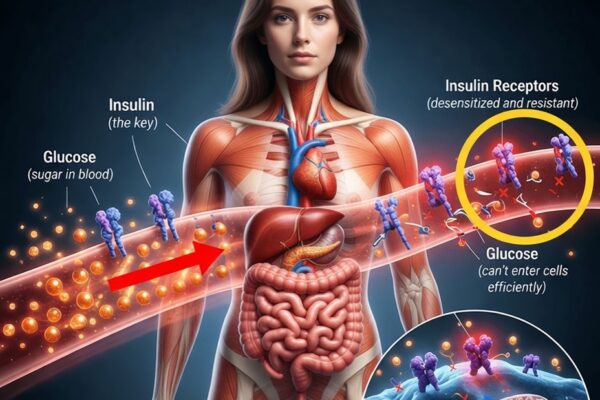
When you consume a lot of sugar—especially refined or added sugars—your body can swing between blood glucose spikes and crashes. Those fluctuations don’t just impact weight; they can influence mood, focus, skin, and even immune function. In midlife, these effects may feel more intense because metabolism and recovery naturally slow with age, making it harder to “bounce back” from energy dips and cravings.
Below are common warning signs that your sugar intake may be higher than ideal.
Sign 1: Constant Cravings for Sweets
A major red flag is feeling like you “always want something sweet,” even right after a full meal. This isn’t just a lack of willpower—sugar activates the brain’s reward pathways, reinforcing the urge to keep going back for more. For many people, this creates a cycle that feels difficult to break, especially when stress and busy routines already drain self-control.
Sign 2: Fatigue and Energy Crashes
If you experience a consistent afternoon slump—despite sleeping well—excess sugar could be contributing. Sugar can deliver quick energy, but it’s often followed by a rapid drop in blood sugar, leaving you tired, foggy, and unmotivated. As the body becomes less efficient at handling glucose with age, these “crash” patterns can feel stronger and more frequent.

Sign 3: Unexplained Weight Gain
Noticing gradual weight gain—especially around the midsection—can be another sign of too much sugar. Many sugary foods and drinks are high in calories but low in nutrients, so they don’t keep you satisfied for long. Sugar-sweetened beverages are particularly linked with unwanted weight gain because they’re easy to consume quickly without triggering fullness.
Sign 4: Skin Problems Such as Acne
Breakouts aren’t limited to teenagers. Diets high in refined sugar may contribute to inflammation and higher insulin levels, which can increase oil production and clog pores. In adulthood, skin recovery tends to be slower, so flare-ups may linger longer and feel more frustrating.
Sign 5: Mood Swings or Irritability
If your mood seems to shift quickly—from upbeat to edgy or low—blood sugar swings may be involved. Sugar can temporarily boost feel-good brain chemistry, but the follow-up drop can leave you feeling irritable, anxious, or emotionally drained. These fluctuations can also intensify existing midlife stress from work, family, or responsibilities.

Sign 6: Dental Issues Like Cavities
Frequent sugar exposure feeds oral bacteria, which produce acids that wear down enamel. Over time, this raises the risk of cavities, sensitivity, and gum problems. For adults over 40, it can mean more dental appointments—and more concern about maintaining long-term oral health.
Sign 7: Persistent Hunger Even After Eating
If you feel hungry again shortly after meals, excess sugar may be part of the cause. Sugary foods typically lack the protein, fiber, and healthy fats that promote lasting fullness. The result is a pattern of frequent snacking and feeling “never satisfied,” which can make weight management far more difficult.
Sign 8: Difficulty Concentrating (Brain Fog)
Struggling to focus, remember details, or think clearly can be linked to a high-sugar diet. Elevated sugar intake may promote inflammation and metabolic stress that can interfere with brain function. For busy adults, this can be especially disruptive—leading to mistakes, reduced productivity, and added worry about aging and cognition.

Sign 9: Joint Pain or General Inflammation
Aches and stiffness—especially in the hands, knees, or hips—may worsen when sugar intake is high. Sugar can promote inflammation throughout the body, potentially aggravating joint discomfort and making movement feel harder. When joint pain limits walking, gardening, or exercise, it can quickly reduce quality of life.
Sign 10: Getting Sick More Often (Weakened Immunity)
If you’re catching colds more frequently or recovering more slowly, excess sugar may be undermining immune response. Research suggests high sugar intake can suppress certain immune functions, making it easier for infections to take hold. In midlife, that reduced resilience can feel particularly concerning.

Actionable Tips to Manage Your Sugar Intake
Cutting back on sugar doesn’t require extreme rules. Start with small, repeatable changes that reduce added sugar while keeping meals satisfying:
- Read labels carefully: Look for added sugars in the ingredient list and aim for products with under 5 grams of added sugar per serving when possible.
- Make smarter drink choices: Replace soda and sweetened coffee drinks with water, sparkling water with lemon, or unsweetened herbal tea.
- Build balanced meals: Prioritize protein, fiber, and healthy fats to help steady blood sugar and reduce cravings.
- Track your intake for awareness: Use a simple nutrition app for a week to identify your biggest sugar sources.
- Snack with intention: Choose options like nuts, plain yogurt, fruit, or cheese instead of candy or pastries.
Common Sugary Foods vs. Healthier Alternatives
| Common Sugary Food | Healthier Alternative | Why It Helps |
|---|---|---|
| Soda | Sparkling water with lemon | Cuts “empty calories” while still feeling refreshing |
| Candy bars | Dark chocolate (70% cocoa) | Less sugar and often more satisfying |
| Sweetened yogurt | Plain Greek yogurt + berries | Higher protein with natural sweetness |
| Pastries | Whole-grain toast + avocado | Longer-lasting energy without the crash |
Conclusion
Noticing these 10 signs of eating too much sugar is a practical first step toward better energy, steadier mood, healthier weight management, and improved overall well-being. By paying attention to your body’s signals and using simple strategies—like swapping beverages and building balanced meals—you can reduce cravings without feeling deprived.
The unexpected habit that can make a real difference: start your day with a protein-rich breakfast. It helps stabilize blood sugar early, which can reduce cravings and make healthier choices easier throughout the day.