Why Mosquitoes Seem to Bite You More Than Everyone Else
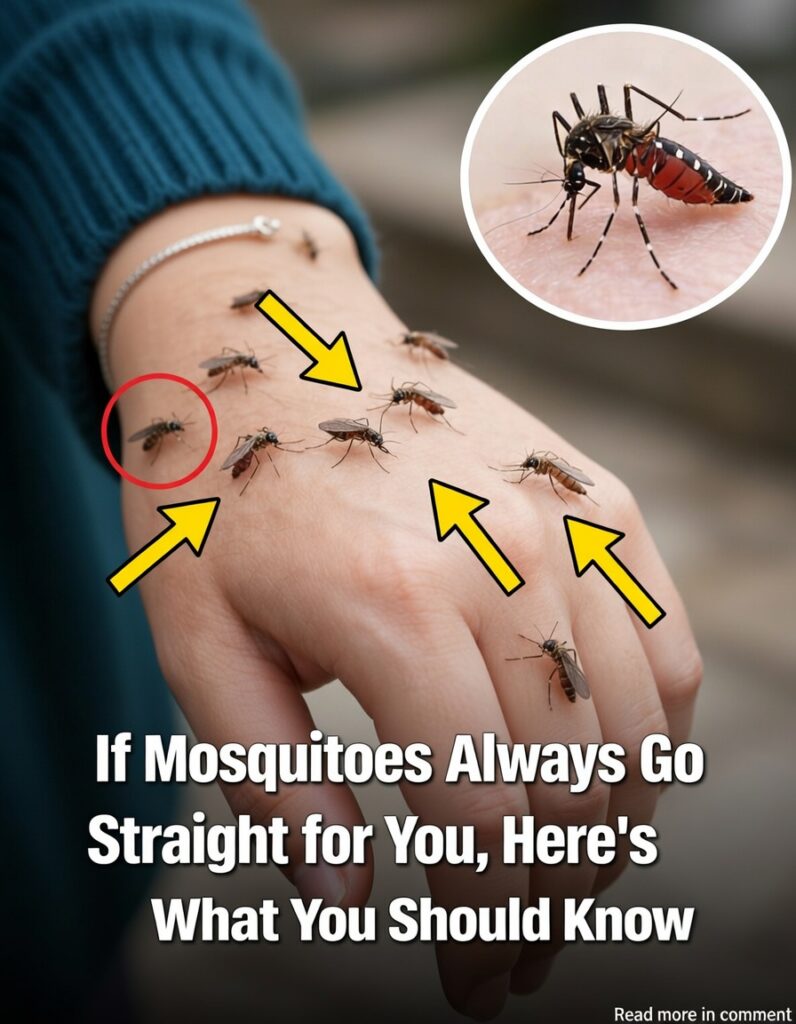
If it feels like mosquitoes single you out at barbecues, garden parties, or evening walks, you’re not imagining things. Repeated mosquito bites can leave itchy bumps, interrupt your relaxation, and even keep you awake from constant scratching—while also raising concerns about mosquito-borne illnesses.
The good news: once you understand what attracts mosquitoes, you can make smarter choices and reduce how often you get bitten. By the end, you’ll also learn a simple (and often overlooked) trick that can make a real difference in mosquito-heavy settings.
Why Mosquitoes Target Certain People
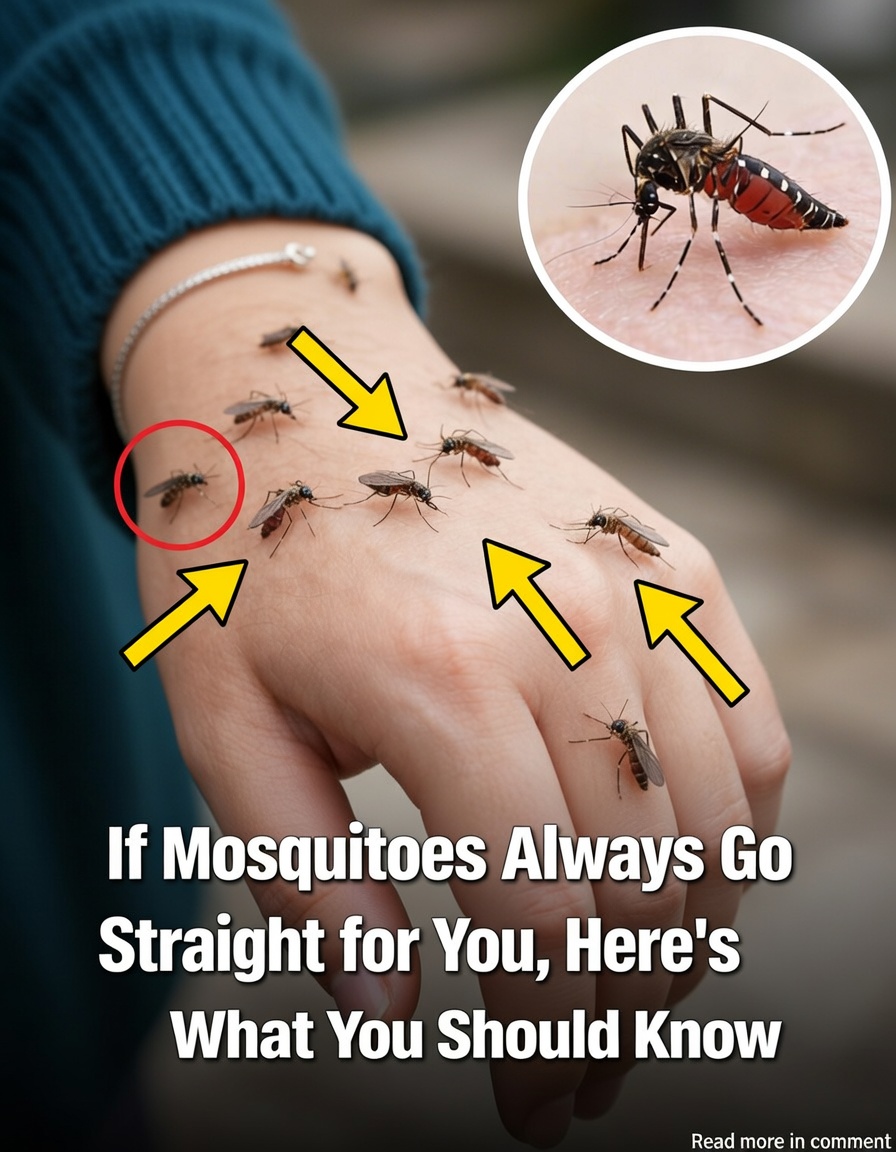
Many people—especially those who spend time outdoors gardening or walking at dusk—notice that mosquitoes “prefer” them over others nearby. That can feel unfair and exhausting, particularly when bites happen repeatedly and cause swelling, irritation, or anxiety about health risks.
Science suggests mosquito preference is real. Mosquitoes use a combination of smell, heat, and visual cues to find a target. Your individual body chemistry matters most, but genetics and everyday habits can also increase your chances of getting bitten.
A major factor is the unique scent profile coming from your skin. Differences in skin bacteria (your skin microbiome) can create odors that some mosquitoes find especially attractive.
Key Factors That Make You More Attractive to Mosquitoes
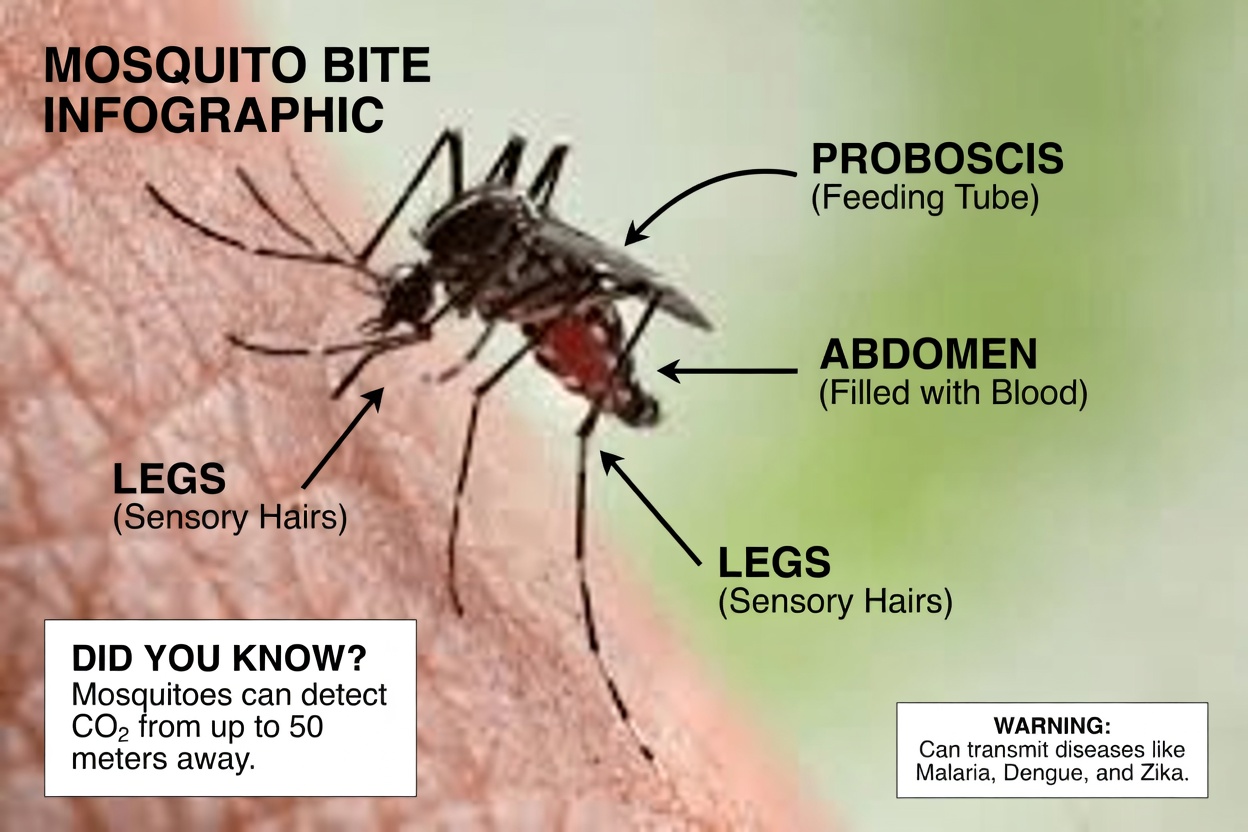
1) Body Odor, Sweat, and Skin Microbiome
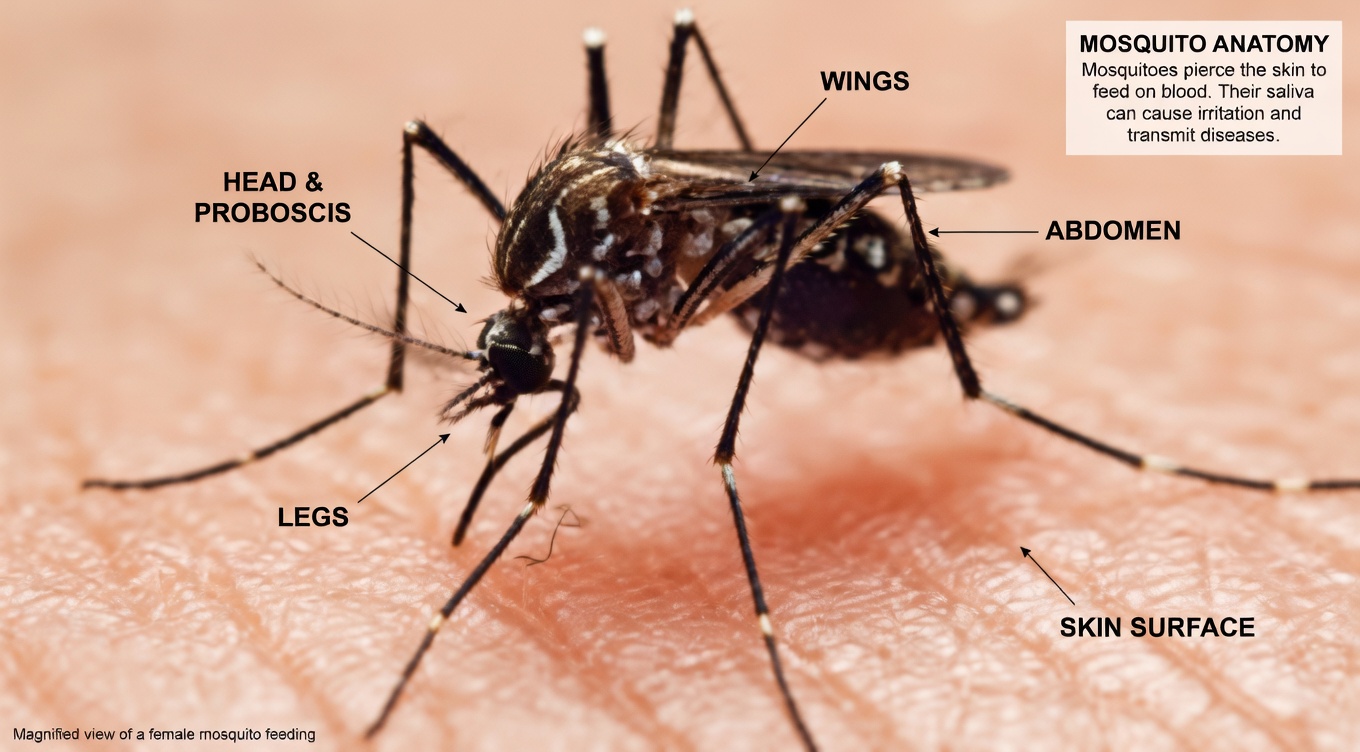
Your natural body odor is shaped by sweat, skin oils, and the bacteria living on your skin. For some people, that combination produces compounds that act like a beacon to mosquitoes—turning a calm evening outdoors into an itchy, frustrating experience.
Research points to certain skin compounds (including carboxylic acids) that may increase mosquito attraction. Mosquitoes can detect these scent signals from a distance, which is why bites can happen quickly even when you feel “clean.”
Diet may influence odor slightly, but much of your baseline scent profile is strongly tied to genetics—one reason many “mosquito magnets” feel like it’s out of their control.
2) Blood Type (Especially Type O)
Blood type is another commonly reported factor. People with blood type O often say they get bitten more frequently, and studies suggest mosquitoes may be more drawn to chemical signals associated with type O.
An important detail: around 80% of people secrete detectable markers of their blood type through the skin. If you’re a “secretor,” mosquitoes may identify you more easily—making summer evenings feel like a constant battle while others nearby stay unbitten.
3) Carbon Dioxide (CO2): Why Your Breathing Matters
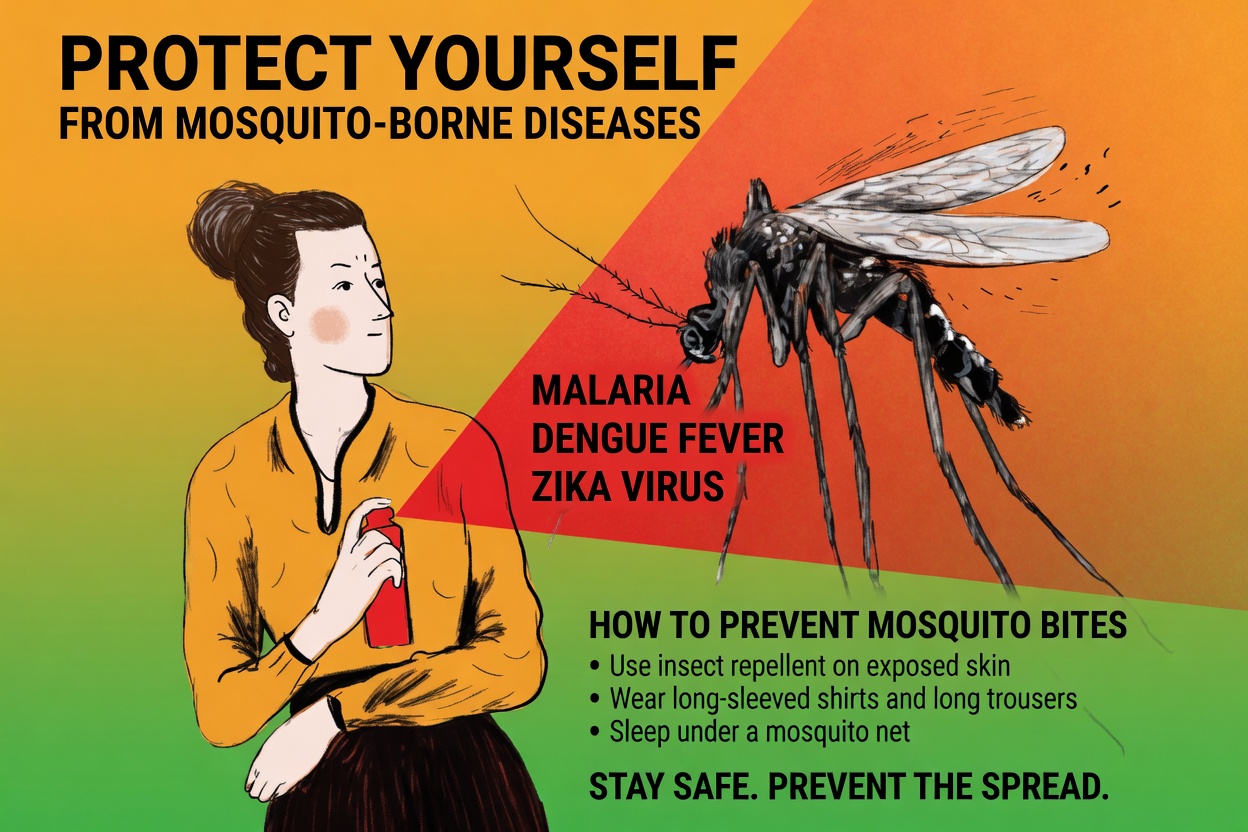
Mosquitoes don’t just follow scent—they also track carbon dioxide from exhaled breath. If you breathe out more CO2 (for example, during exercise), you can become a more obvious target.
Studies show mosquitoes can detect CO2 from up to 50 meters away. This helps explain why:
- workouts can lead to more bites afterward
- hikers often get swarmed on trails
- larger bodies or higher activity levels may attract more attention
Understanding this is useful because you can reduce exposure with timing and small environmental changes.
4) Clothing Color: Dark Shades Can Attract More Mosquitoes
Mosquitoes use visual cues too—especially in low light. Dark colors like black and red can make you stand out more, which can lead to more bites during evening gatherings or sunset walks.
Switching to lighter-colored clothing doesn’t guarantee bite-free nights, but it can reduce how noticeable you are and lower the number of mosquito landings.
Practical Ways to Reduce Mosquito Attraction (Step by Step)
If mosquito bites regularly ruin your evenings and leave you scratching at night, a few targeted adjustments can help you regain comfort. Research links higher mosquito attraction to factors such as:
- Blood type O (more attractive to some species)
- Higher metabolic rate (more CO2 output)
- Alcohol consumption (may intensify skin odors)
- Pregnancy (increased body heat and CO2)
- Skin bacteria differences (unique odors mosquitoes prefer)
Try these practical steps to reduce mosquito bites:
- Wear light-colored, loose-fitting clothing outdoors to reduce visual attraction and limit exposed skin.
- Use a fan during outdoor meals or gatherings—mosquitoes struggle to fly in steady airflow.
- Shower before bed to rinse off sweat and reduce lingering odors that can attract mosquitoes at night.
- Remove standing water (buckets, plant trays, clogged gutters) to reduce breeding sites near your home.
- Add mosquito-repelling plants (such as citronella) around seating areas for an extra layer of protection.
When combined, these strategies often reduce bites significantly—though results vary depending on your biology and local mosquito species.
Natural Repellents: A Gentler Option for Some People
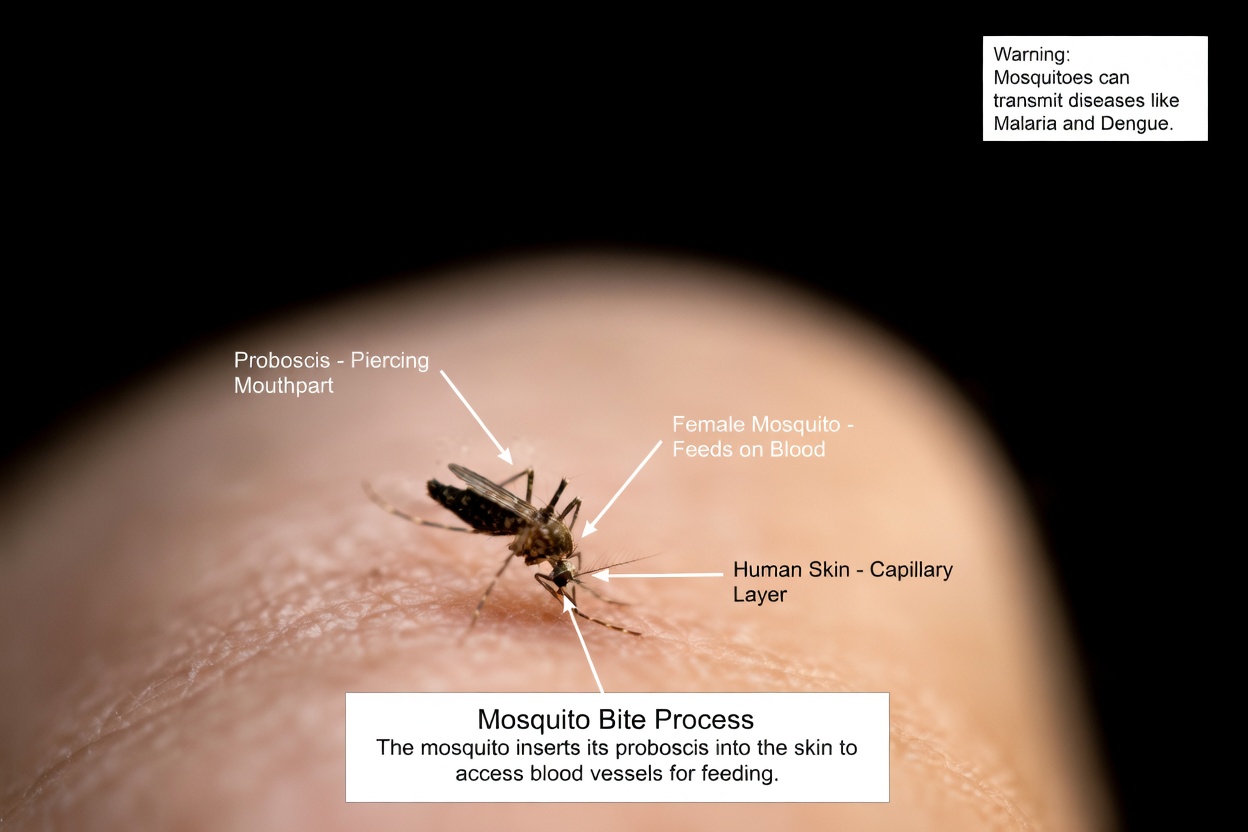
If you’re tired of strong chemical sprays—or you have sensitive skin—natural mosquito repellents may be worth considering. Certain essential oils (including citronella) have been shown to help deter mosquitoes when used correctly.
Natural options can be helpful for short outdoor periods, but they often require more frequent reapplication than standard repellents. Still, for many people, they provide a more comfortable routine and reduce the stress of feeling constantly targeted.
When Professional Mosquito Control Makes Sense
If you’ve tried home strategies and mosquitoes still overwhelm your yard—especially if bites trigger allergic reactions or constant anxiety—professional mosquito control can help reduce local populations.
Experts typically focus on identifying breeding sources and treating high-risk areas. For added protection, consider physical barriers such as:
- window and door screens
- bed nets (in high-mosquito regions)
- outdoor netting for patios or seating areas
These measures can dramatically cut bite frequency and reduce disruption to everyday life.
Summary: What to Remember About Mosquito Bites
Mosquitoes don’t bite randomly. They respond to skin odor, blood-type signals, carbon dioxide, and visual cues, which is why some people get bitten far more often than others. By adjusting clothing, airflow, hygiene timing, and your outdoor environment, you can reduce mosquito attraction and enjoy more comfortable time outside.
A surprisingly effective tip many people overlook: use a fan during outdoor gatherings—steady airflow makes it much harder for mosquitoes to land and bite.
Frequently Asked Questions (FAQ)
Why do mosquitoes bite me more than other people in my family?
Mosquitoes may be responding to your unique skin odor, your skin bacteria profile, your CO2 output, or blood-type signals—making you a more noticeable target even when you’re standing next to others.
Can changing my diet reduce mosquito bites?
Some evidence suggests alcohol and certain dietary patterns may influence body odor, which could affect mosquito attraction. However, results are inconsistent, and genetics often plays a bigger role than diet alone.
Are there long-term ways to make my yard less appealing to mosquitoes?
Yes. The most effective long-term approach is eliminating standing water, maintaining gutters and drains, improving airflow around seating areas, and using screens or netting. In heavy-mosquito zones, professional yard treatments can further reduce populations.