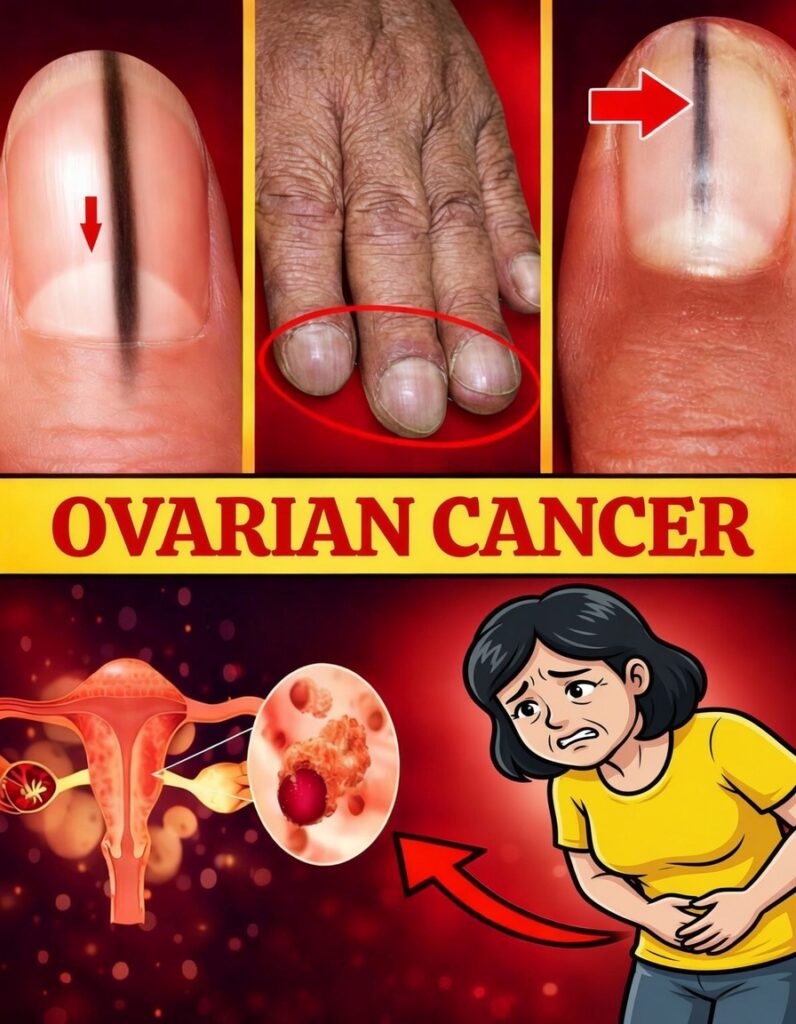
Many women over 35 notice small shifts—more tiredness, odd aches, changes in digestion—and assume it’s just stress, hormones, or “getting older.” Sometimes, though, these ongoing changes can be silent cancer signals that deserve attention. When persistent symptoms are repeatedly brushed off, they can create weeks (or months) of discomfort, uncertainty, and distraction from everyday life.
Recognizing silent cancer signals early doesn’t mean jumping to conclusions—it means giving yourself the chance to act sooner, with clarity and support. And at the end, you’ll learn a surprisingly simple way to track symptoms that can change how you monitor your health long-term.
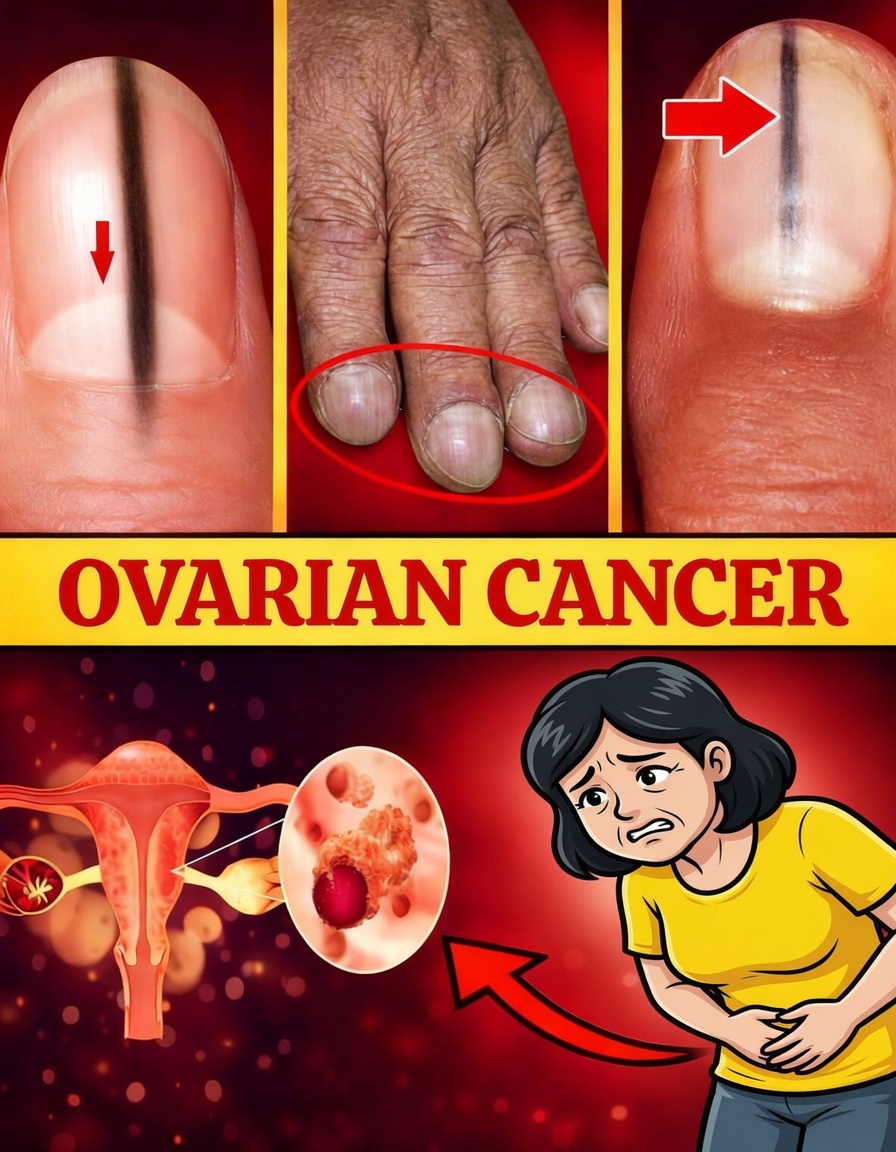
Why Silent Cancer Signals Are Often Missed After 35
After the mid-30s, many women are balancing career demands, family responsibilities, and limited time for self-care. In that kind of schedule, subtle changes—like disrupted sleep, lower energy, or “random” discomfort—can fade into the background. It’s also common to interpret new symptoms as normal aging, perimenopause, or stress-related burnout.
The challenge is that silent cancer signals can look ordinary at first. When a symptom is mild but persistent, it’s easy to tolerate it, normalize it, and move on—until it starts affecting work, social plans, confidence, or mood. Research and clinical guidance consistently emphasize that noticing patterns early can support earlier evaluation and better outcomes.

Silent Cancer Signals to Watch For
Your body often communicates in quiet, gradual ways. The signals below are commonly described as subtle, easy to misinterpret, and likely to be dismissed—especially when life is busy. If any symptom is new for you, persistent, or worsening, it’s worth tracking and discussing with a clinician.

-
Persistent bloating
Ongoing bloating that doesn’t resolve can make clothes feel tight and daily routines uncomfortable. It has been discussed in relation to ovarian health concerns, especially when it’s persistent and unusual for you. -
Unexplained fatigue
Constant exhaustion that doesn’t improve with rest can make simple tasks feel overwhelming and may lead to pulling away from loved ones. It has been associated in medical discussions with conditions including blood cancers and breast-related concerns. -
Abnormal bleeding
Bleeding between periods, after sex, or after menopause can disrupt routines and trigger understandable anxiety. Health resources often link abnormal bleeding with potential cervical or endometrial concerns. -
Unintentional weight loss
Weight loss without changes in diet or activity can feel confusing—even if it initially seems positive. Research often notes unintended weight loss as a possible signal across several conditions, including pancreatic or lung concerns. -
Persistent pain
Pain that lingers—pelvic, abdominal, back, or otherwise—can drain focus and quality of life. Persistent pain is sometimes discussed in relation to ovarian or colorectal health issues.

-
Changes in bowel habits
New constipation, diarrhea, narrower stools, or ongoing irregularity can be disruptive and embarrassing. Experts commonly associate lasting bowel changes with possible colorectal concerns. -
Chronic heartburn
Frequent reflux that interferes with meals or sleep can become more than an annoyance. Persistent heartburn has been linked in research conversations to possible stomach or esophageal issues. -
Skin changes
New moles, changing spots, unexplained discoloration, or skin that doesn’t heal normally can raise concerns about appearance and sun exposure history. Dermatology findings often connect changes like these to skin cancer and, in some contexts, other conditions. -
Difficulty swallowing
Trouble swallowing or a consistent feeling that food “sticks” can make eating stressful and may affect nutrition. Oncology research frequently discusses this symptom in relation to throat or esophageal concerns. -
A cough that won’t go away
A persistent cough can interrupt conversations, damage sleep quality, and leave you feeling worn down. Respiratory research sometimes associates chronic cough with lung or thyroid concerns.

-
Breast changes
Lumps, thickening, nipple changes, skin dimpling, or unusual discharge can lead to constant self-checking and fear. Breast health guidance consistently recommends prompt evaluation of new changes. -
Night sweats
Drenching night sweats that disrupt sleep can leave you drained the next day. Some reports link persistent night sweats with conditions including lymphoma and leukemia, among other possible causes. -
Loss of appetite
Reduced interest in food can take the joy out of meals and social dining, sometimes leading to weakness over time. Medical literature often discusses appetite loss in connection with stomach or ovarian concerns. -
Swollen lymph nodes
Enlarged lymph nodes (often felt in the neck, armpit, or groin) can cause tenderness and worry. Oncology updates often connect persistent swelling to possibilities including lymphoma and breast-related concerns.

How to Notice Patterns and Take Action
The goal isn’t to self-diagnose—it’s to recognize persistent patterns and respond sooner rather than later.
- Track symptoms daily to spot trends (timing, intensity, triggers, and duration). This can reduce the frustration of “mystery symptoms” that come and go.
- Use the two-week rule as a practical checkpoint: if a symptom persists (or keeps returning) for about two weeks, or it’s clearly worsening, consider contacting a healthcare professional for guidance.
- Do regular self-checks (such as breast self-awareness) and keep up with recommended screenings based on age, personal history, and family history.
- Book routine preventive care even when you feel “mostly fine.” Early evaluation often simplifies next steps and can ease anxiety.
The Unexpected (and Effective) Way to Track Silent Cancer Signals
Journaling is helpful—but the method that often makes tracking truly consistent is a 60-second daily “symptom snapshot” in a health app:
- Log 3 data points each day:
- your top symptom (if any), 2) severity (1–10), 3) what changed (sleep, digestion, bleeding, pain, cough, appetite)
- Add one quick note (trigger, time of day, or menstrual cycle day)
- Use the app’s reminders and timeline view to see patterns you’d otherwise miss
This approach turns vague worry into clear information you can share with a clinician—making it easier to decide what to check, when to screen, and what questions to ask.