Seeds for Seniors: 15 Science-Backed Ways Chia, Flax, Pumpkin, Sesame, Sunflower, and Hemp May Support Healthy Aging
Many adults over 65 want to protect their vitality and stay resilient against common age-related health concerns, including the gradual build-up of cellular wear over time. One simple, practical approach is adding nutrient-dense seeds to everyday meals. These tiny foods deliver antioxidants, healthy fats, fiber, minerals, and plant compounds that research connects with supporting the body’s natural defenses and overall well-being.
Six seeds are especially easy to use and consistently nutrient-rich: chia, flax, pumpkin, sesame, sunflower, and hemp. Below are 15 ways these seeds may contribute to better health as part of a balanced lifestyle—plus practical tips for making them a seamless daily habit.
Why Many Seniors Look for Natural Wellness Support
Later life can bring more freedom and meaningful time with family, but it can also include new concerns—like lower energy, reduced immune resilience, and wanting long-term health protection. Research commonly highlights how oxidative stress and inflammation can increase with age, which is one reason many people seek supportive foods.
These six seeds provide plant-based nutrients such as omega-3 fatty acids, lignans, polyphenols, vitamin E, magnesium, and zinc—all of which are studied for roles in antioxidant activity and overall health maintenance. If you sometimes feel sluggish or want gentle, food-based ways to strengthen daily routines, you’re far from alone.
Benefit 1: Chia Seeds for Antioxidant Support
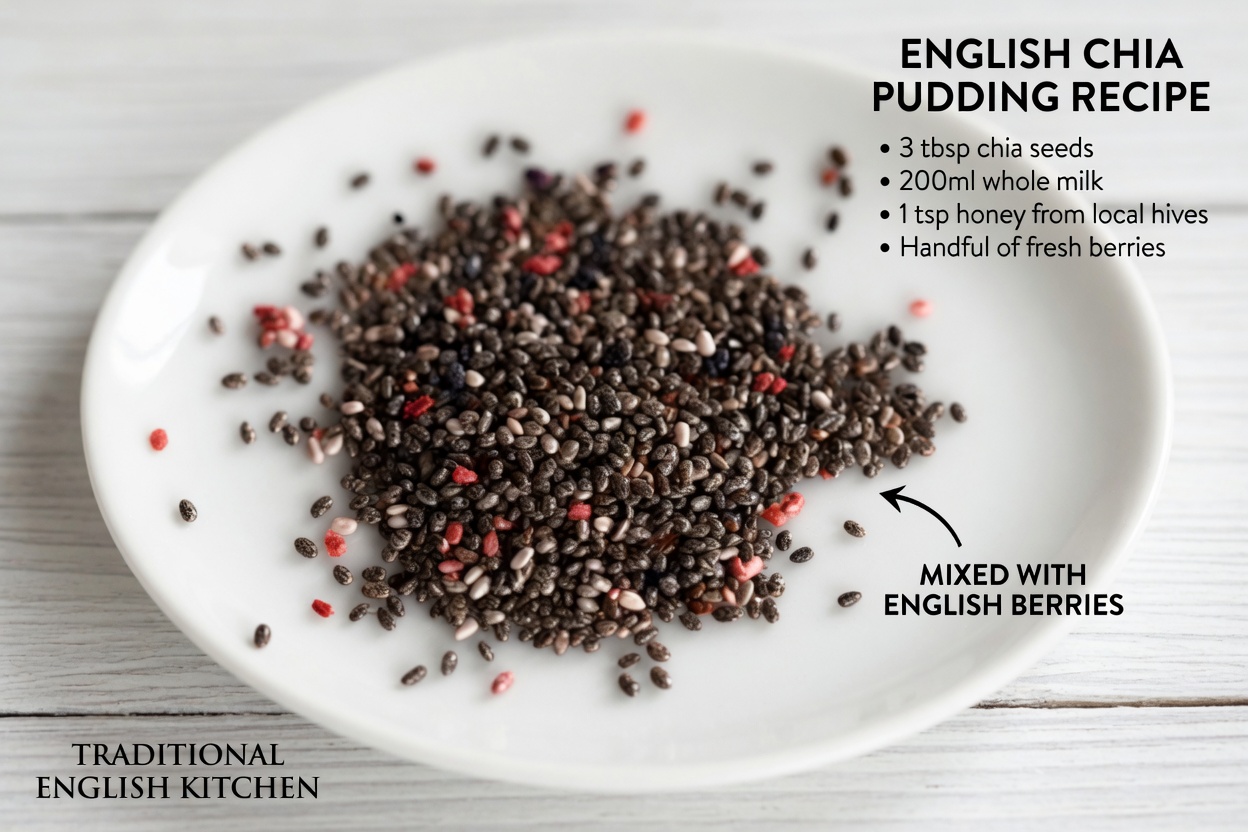
When fatigue lingers, even simple tasks can feel heavier. Chia seeds contain polyphenols and omega-3 fats, which studies associate with antioxidant activity and the body’s ability to manage oxidative stress. Their mild flavor makes them easy to use.
- Sprinkle chia over yogurt or oatmeal
- Stir into soups for subtle thickness
- Add to smoothies for extra texture
Benefit 2: Flaxseeds for Cellular Protection
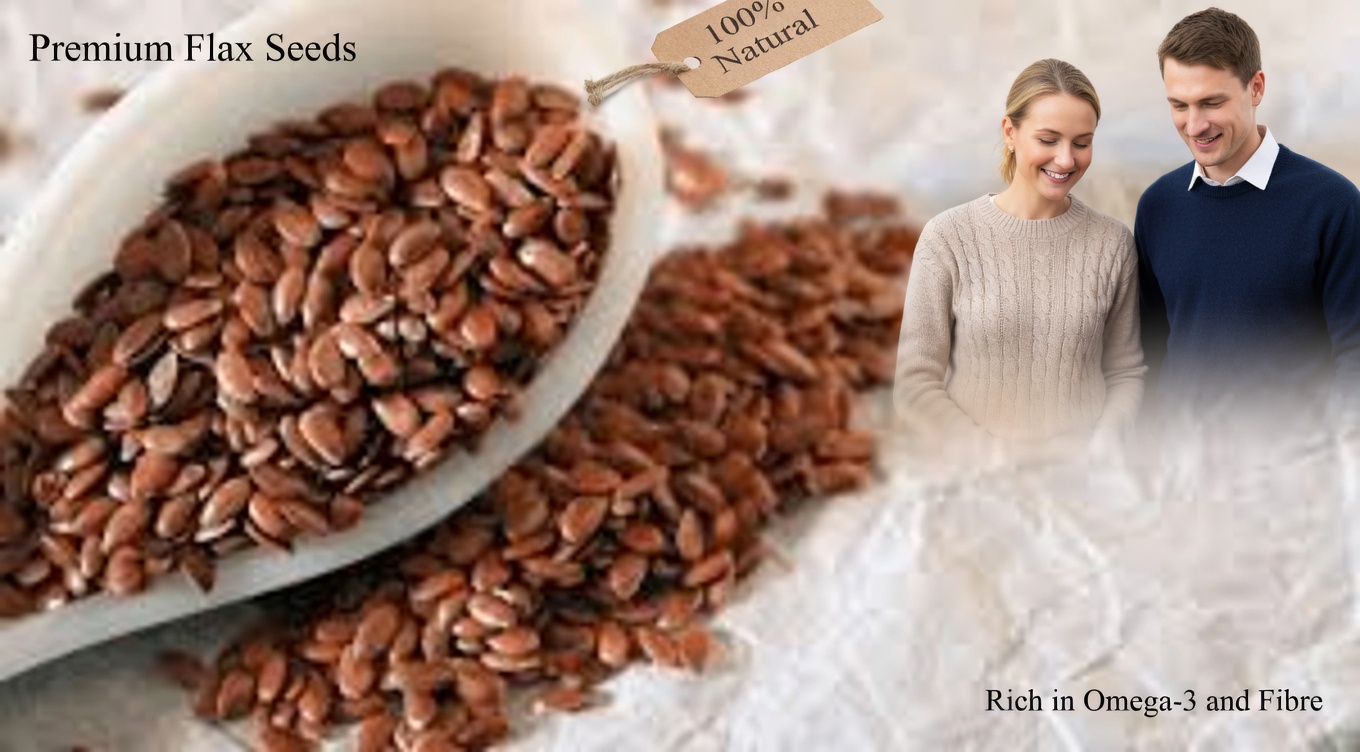
It’s common to think about family history and long-term cellular health as you age. Flaxseeds are well known for their lignans—plant antioxidants that research links with protective effects against certain cellular changes. For best use, choose ground flaxseed, which is easier to digest and absorb.
- Mix into smoothies
- Add to baked goods
- Stir into overnight oats
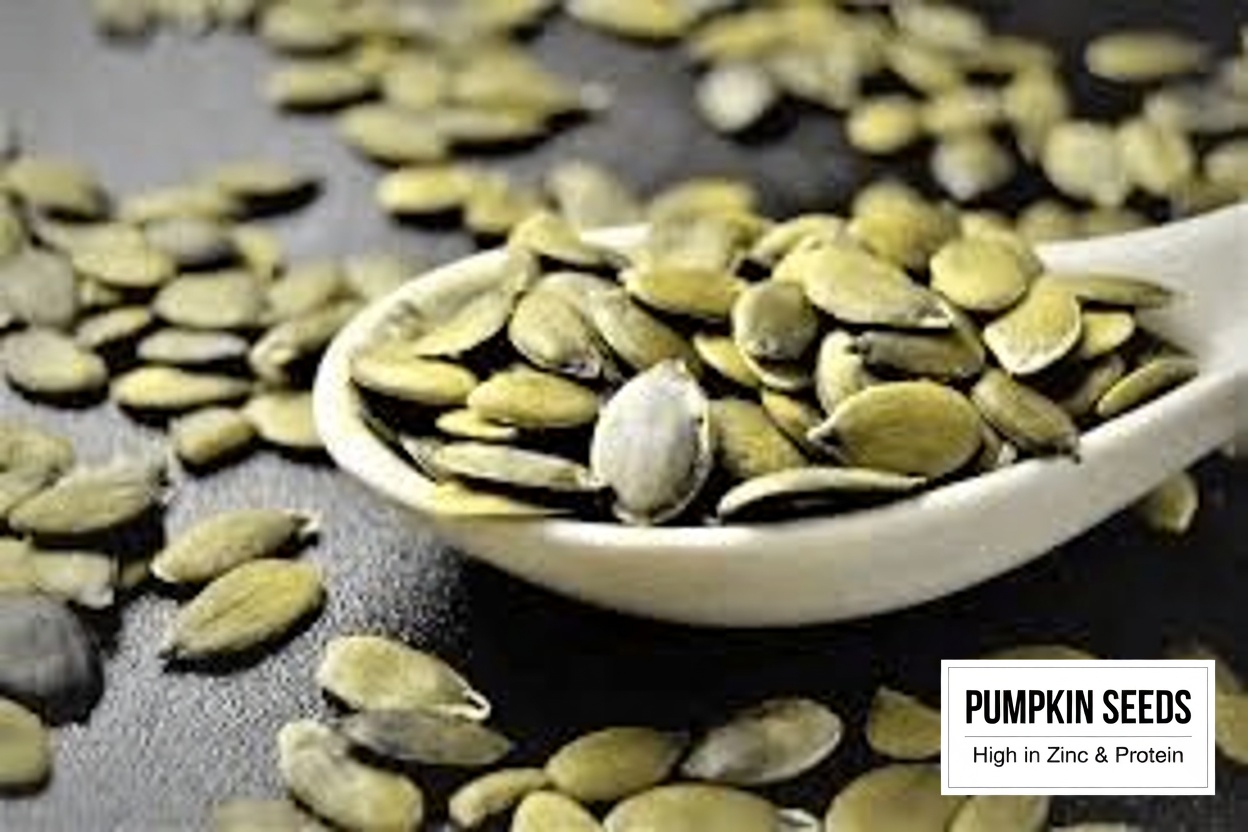
Benefit 3: Pumpkin Seeds for Immune Resilience
Frequent minor illnesses can interrupt travel plans, social time, or favorite hobbies. Pumpkin seeds provide zinc and additional antioxidants—nutrients often studied for their relationship to immune function.
- Eat roasted pumpkin seeds as a savory snack
- Add to salads or grain bowls
- Blend into pesto for variety
Benefit 4: Sesame Seeds for Overall Cellular Wellness
Supporting healthy cell function becomes increasingly important with age. Sesame seeds contain sesamin and other compounds that research continues to explore for roles in antioxidant activity and aspects of cellular wellness, including DNA-related protective processes.
- Toast sesame seeds and sprinkle on vegetables
- Add to stir-fries
- Use tahini as a creamy sauce base
Quick Overview: Matching Seeds to Common Wellness Goals
- Oxidative stress support: Chia (polyphenols, omega-3s)
- Cellular protection: Flax (lignans, fiber)
- Immune support: Pumpkin (zinc, antioxidants)
- General wellness: Sesame (sesamin, polyphenols)
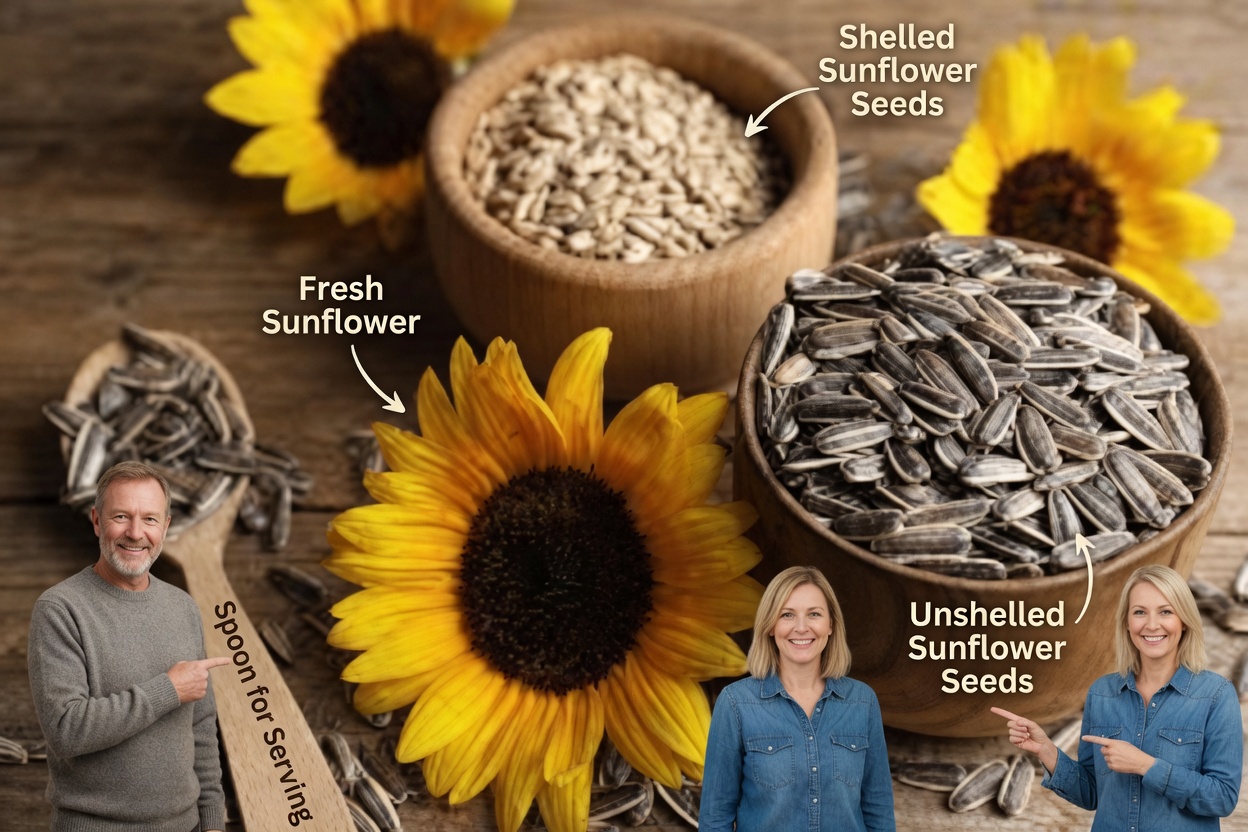
Benefit 5: Sunflower Seeds for Heart-Friendly Nutrients
Heart health remains a top priority for many older adults. Sunflower seeds offer vitamin E and beneficial fats—nutrients widely studied for their role in supporting cardiovascular function and helping reduce oxidative factors.
- Sprinkle onto salads
- Add to whole-grain toast toppings
- Mix into trail mix
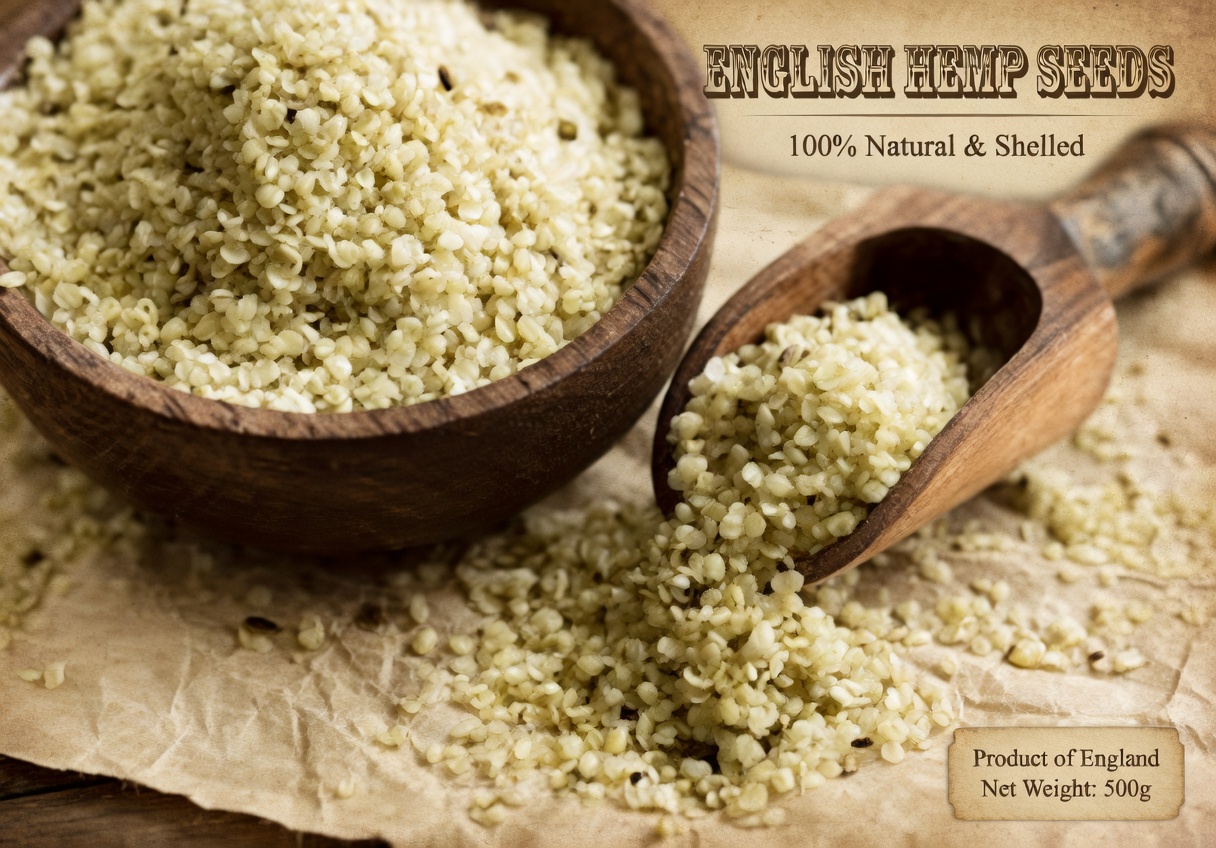
Benefit 6: Hemp Seeds for a Comfortable Inflammation Response
Occasional stiffness can limit mobility and enjoyment of daily life. Hemp seeds provide a balanced profile of omega-3 and omega-6 fatty acids, which research links with supporting a healthy, everyday inflammatory response.
- Stir into cereal
- Blend into smoothies
- Sprinkle over soups
Benefit 7: Chia Seeds for Digestive Balance
Digestive changes can affect comfort, energy, and even mood. Chia is high in soluble fiber, which nutrition research associates with supporting healthy digestion and beneficial gut bacteria.
Try chia as:
- A simple chia pudding (soaked in milk or a milk alternative)
- A thickener for smoothie bowls
- A fiber boost in oatmeal
Benefit 8: Flaxseeds for Hormone Harmony Support
Stable mood and consistent energy matter at every age. Some research suggests flax lignans may support aspects of hormone balance, contributing to overall comfort and well-being for certain individuals.
A small, regular amount can be an easy routine:
- Add 1 teaspoon to 1 tablespoon of ground flax to meals
- Use consistently rather than occasionally for best lifestyle fit
A Simple Weekly Plan to Add Seeds Without Overthinking
- Weeks 1–2: Add 1 tablespoon per day of chia and ground flax (split across meals if desired).
- Weeks 3–4: Introduce 1 tablespoon per day of pumpkin and sesame (rotate based on preference).
- Week 5 and onward: Include sunflower and hemp, aiming for 1–2 tablespoons total variety daily.
Benefit 9: Pumpkin Seeds for More Restful Sleep
Poor sleep can quickly drain motivation and next-day energy. Pumpkin seeds provide magnesium, a mineral studied for its role in relaxation and sleep quality. A small portion in the evening may become a soothing habit.
- Enjoy a handful after dinner
- Sprinkle onto a light evening salad
Benefit 10: Sesame Seeds for Mood Support
Low moods can make good days feel smaller. While no single food is a cure, sesame seeds contribute nutrients that may indirectly support mood through overall nutritional status and pathways involved in neurotransmitter balance.
- Use toasted sesame as a comforting flavor upgrade
- Add tahini to dressings for a satisfying texture
Benefit 11: Sunflower Seeds for Bone Strength Support
Bone health concerns often increase with age. Sunflower seeds contain minerals such as magnesium, which research links to supporting bone health as part of a well-rounded diet.
- Add to trail mix
- Sprinkle onto yogurt bowls
- Use as a topping for roasted vegetables
Benefit 12: Hemp Seeds for Skin Vitality
Skin changes can affect confidence and comfort. Hemp seeds provide healthy fats and plant protein, and studies suggest they may support a healthier appearance from within as part of a nutrient-dense eating pattern.
- Sprinkle hemp hearts on breakfast bowls
- Stir into soups after cooking for a mild, nutty taste
Benefit 13: Chia Seeds for Sustained Stamina
Staying active is easier with steady energy. Chia’s mix of fiber, protein, and fats supports a slower, more sustained release of energy compared with many refined snacks.
- Add chia to breakfast for longer-lasting fullness
- Use in smoothies to help reduce mid-morning hunger
Benefit 14: Flaxseeds for Better Flow and Circulation Support
Comfortable circulation supports warmth, mobility, and daily function. Flaxseed’s omega-3 content is frequently studied in relation to vascular and heart health.
- Use ground flax in daily smoothies or oatmeal
- Pair with fruits for a heart-friendly snack
Benefit 15: Pumpkin Seeds for Vibrant Aging
Healthy aging is about quality of life—feeling capable, energized, and well supported. Pumpkin seeds offer a wide range of nutrients that research connects with supporting overall healthspan when included in a balanced lifestyle.
The Real Advantage: Variety + Consistency
Each seed has its own strengths, but rotating them helps you benefit from a broader nutrient spectrum—different antioxidants, fibers, minerals, and healthy fats. Research on polyphenols, lignans, omega-3s, zinc, vitamin E, and magnesium suggests these compounds can work together as part of an overall healthy diet.
An Easy Daily Seed Routine (Beginner-Friendly)
- Morning: Add chia or ground flax to yogurt or oatmeal
- Midday: Snack on pumpkin or sunflower seeds
- Evening: Sprinkle sesame or hemp seeds on salads or soups
Practical Tips to Enjoy Seeds More Often
- Morning boost: Chia in yogurt or oats for sustained energy support
- Midday blend: Ground flax in smoothies for easy daily use
- Evening sprinkle: Pumpkin seeds on salads as a magnesium-rich addition
Start Small This Week
Pick one seed you enjoy and try 1 tablespoon per day. Small, consistent habits are often easier to maintain—and over time, they can meaningfully improve overall nutrition.
Frequently Asked Questions (FAQ)
How can seniors add seeds safely to their diet?
- Start with 1 tablespoon daily, then increase gradually if comfortable.
- Choose ground flaxseed (whole flax may pass through undigested).
- Store seeds in a cool, dry place, and consider refrigeration for ground seeds to keep them fresh.
Are there precautions with chia, flax, pumpkin, sesame, sunflower, or hemp seeds?
- Some people notice digestive changes at first—increase fiber slowly and drink enough water.
- If you have allergies or take medications (including blood thinners), check with a healthcare professional.
What’s the simplest way to get variety?
- Create a seed mix to sprinkle on meals.
- Use pre-ground flax for convenience.
- Rotate seeds by day (e.g., chia one day, pumpkin the next).
Extra idea
Pair seeds with berries for an additional antioxidant-rich combo many people find both delicious and supportive.
Medical disclaimer
This article is for informational purposes only and does not replace professional medical advice. It is not intended to diagnose, treat, cure, or prevent any condition, including cancer.