A Sudden Lump on Your Grandmother’s Wrist: What It Could Be and What to Do Next
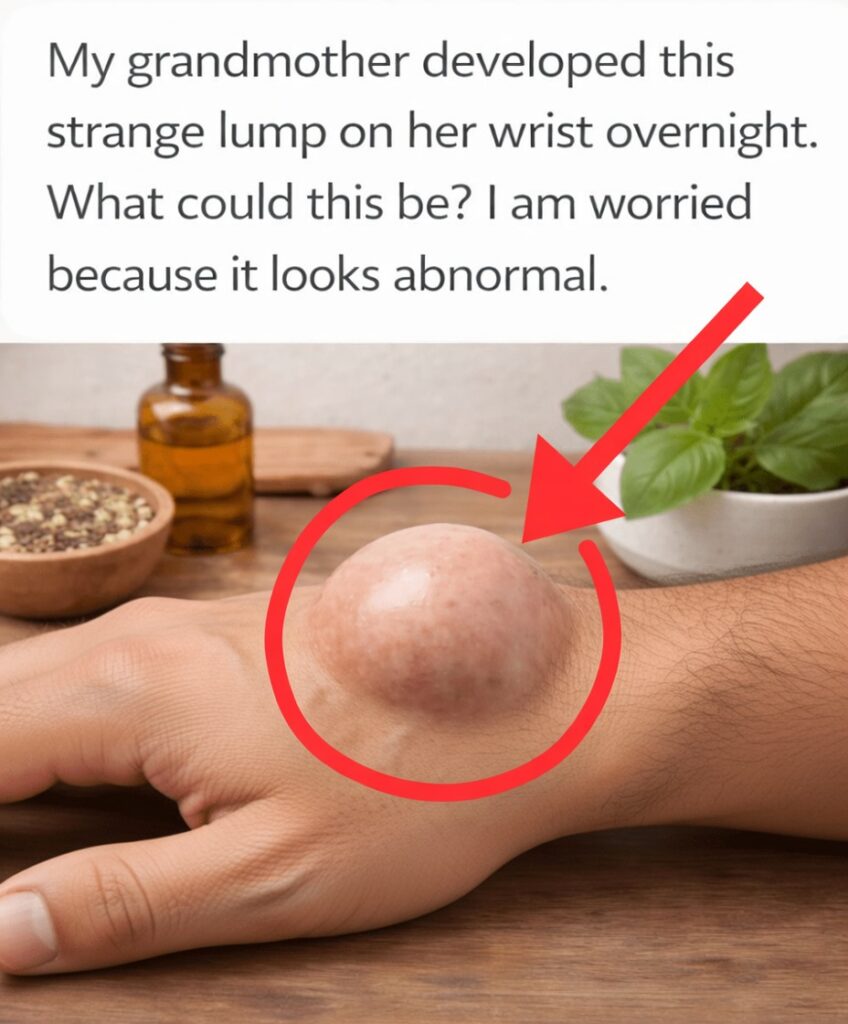
Finding a new lump on your grandmother’s wrist—especially one that seems to show up overnight—can be unsettling. Sudden physical changes often trigger worry about pain, mobility, and more serious health issues, particularly in older adults. The reassuring reality is that most wrist lumps are noncancerous, and understanding the most common cause can make the situation feel far more manageable.
The Most Common Explanation: A Ganglion Cyst
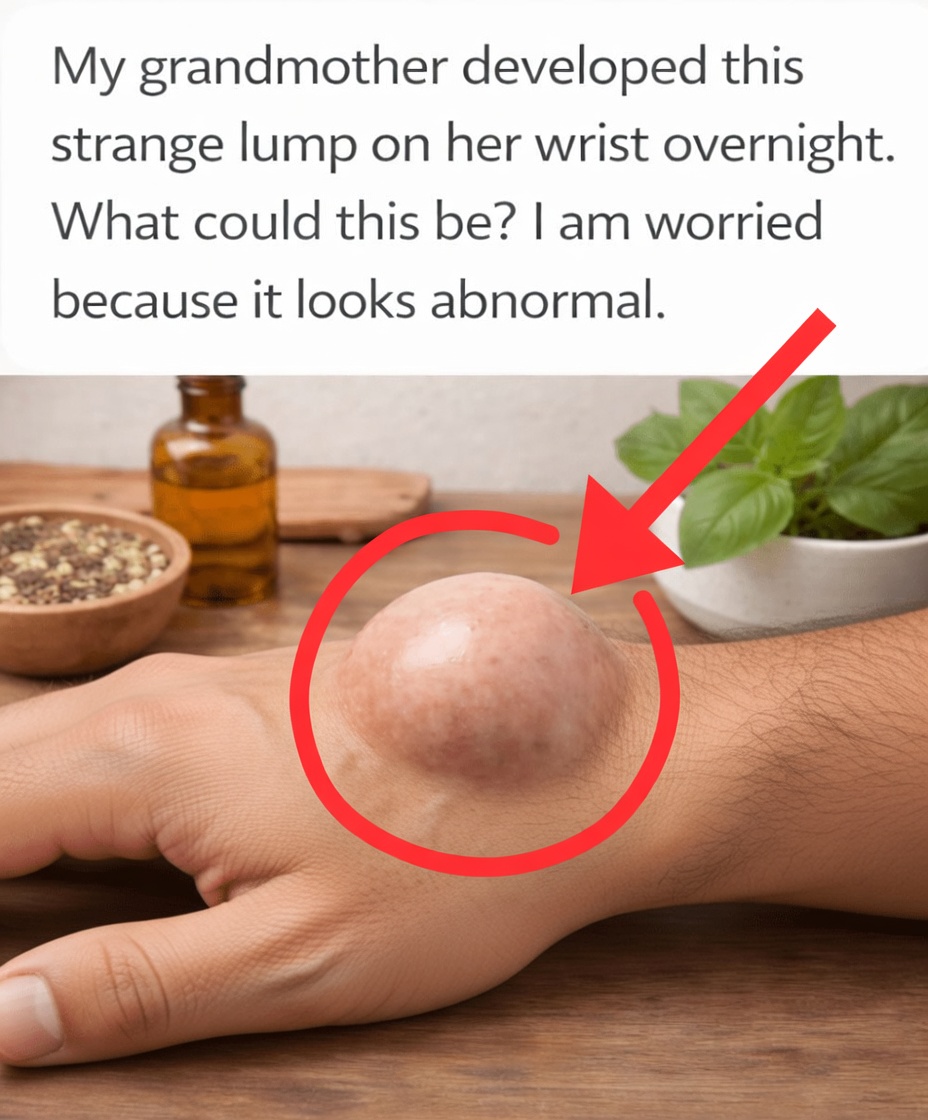
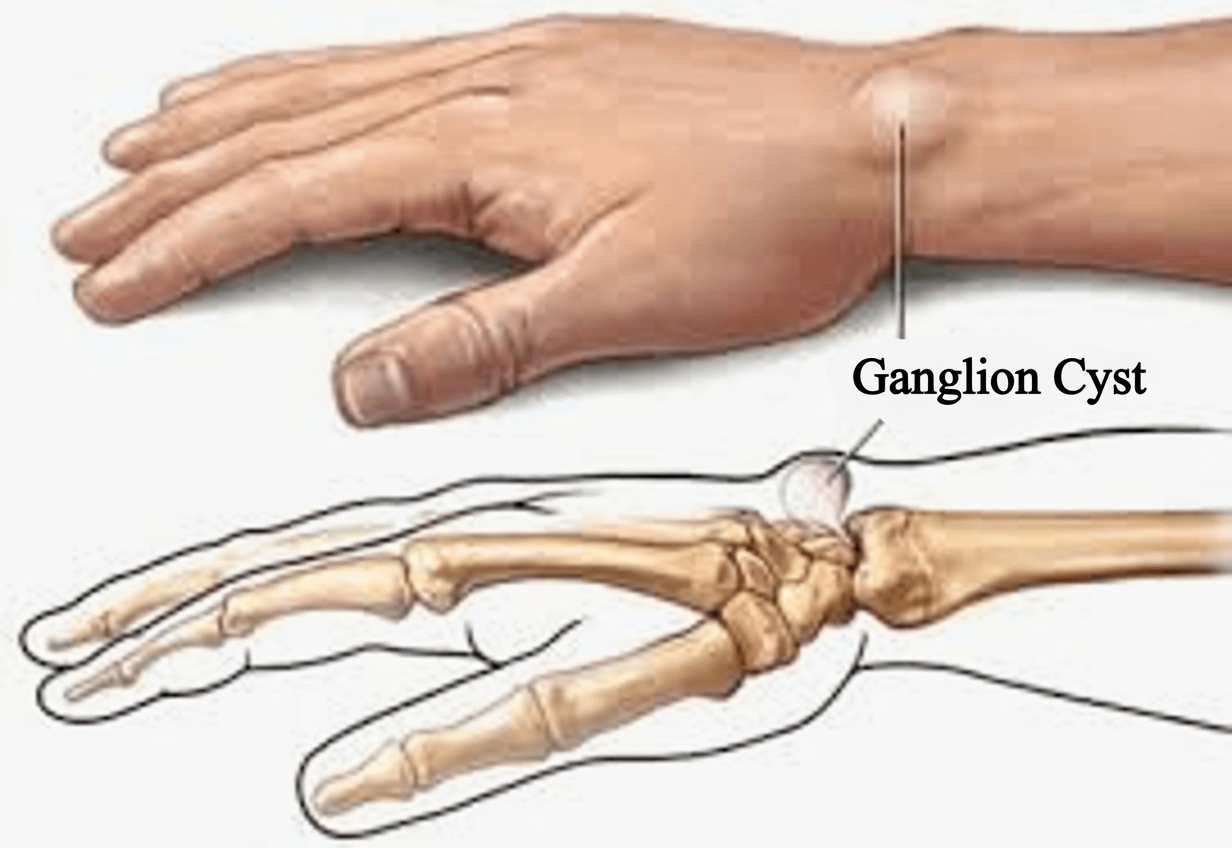
The leading cause of a new wrist lump is a ganglion cyst. This is a benign, fluid-filled sac that forms near a joint or tendon, most frequently around the wrist. Inside is a thick, gel-like fluid similar to joint fluid. Ganglion cysts typically feel:
- Round or oval
- Smooth
- Firm or slightly spongy
They often appear on either the back of the wrist or the palm side, and many people notice them during routine activities—making the change feel sudden.
Although ganglion cysts are common in women and often seen in younger adults, older adults can also develop them, especially with long-term repetitive wrist use, mild joint irritation, or gradual wear on joint structures.
Why It Can Look Like It Appeared Overnight
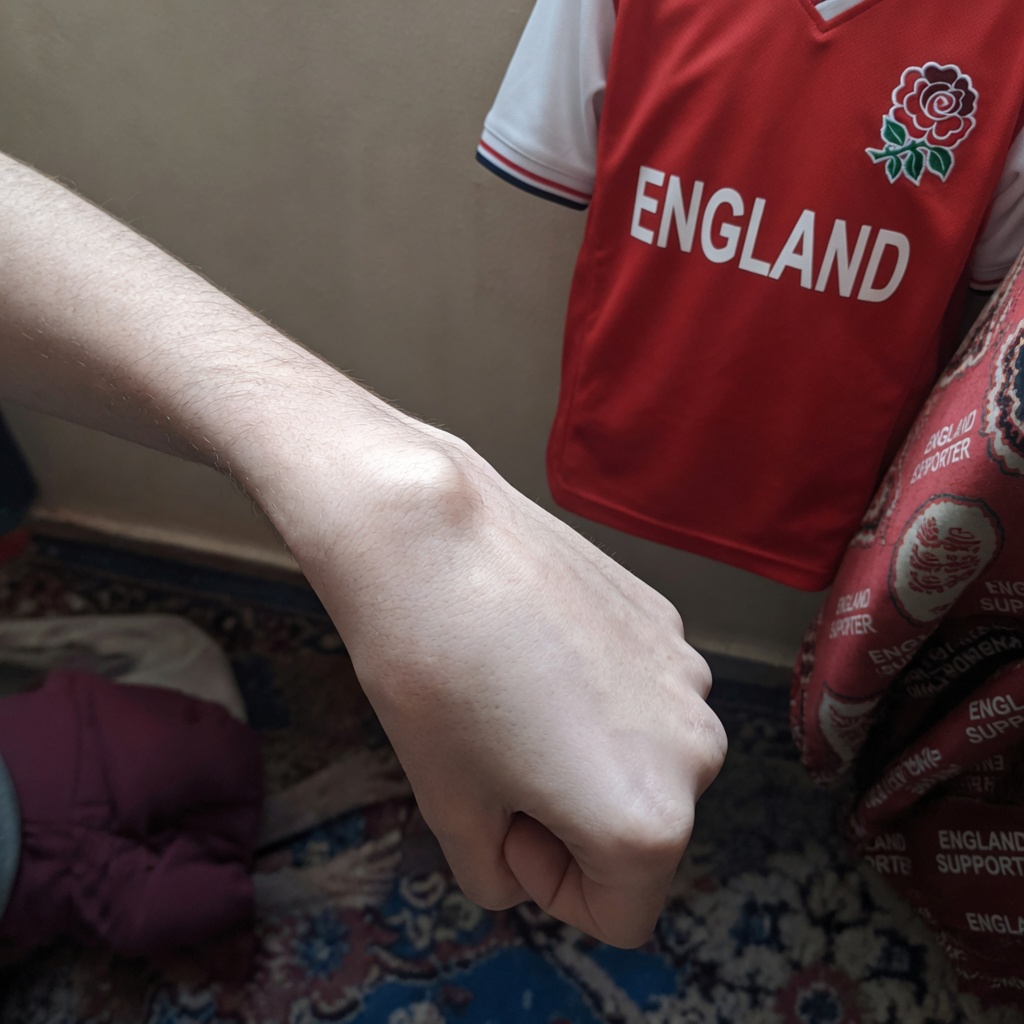
Ganglion cysts can change size quickly, sometimes becoming prominent after wrist movement, minor strain, or subtle irritation that went unnoticed. Even if the cyst didn’t literally form overnight, it may only become visible once enough fluid collects to create a noticeable bulge.
In some cases, a small weakness or tear in the joint capsule or tendon sheath can allow fluid to escape and pool, creating that “out of nowhere” appearance that understandably alarms family members.
Other Possible Causes of a Wrist Lump (Often Still Benign)
While ganglion cysts are the most frequent cause, a wrist lump can also come from other noncancerous conditions, including:
- Epidermoid cysts: Small, firm lumps under the skin filled with keratin, sometimes linked to minor skin trauma.
- Lipomas: Soft, fatty growths that feel doughy and usually move easily under the skin.
- Carpal boss: A hard, bony bump—often related to arthritis or repetitive stress—that feels like bone.
Less commonly, a lump may be related to rheumatoid nodules (in people with inflammatory arthritis) or infection-related swelling. Serious causes such as tumors are rare, but any lump that persists, changes, or causes symptoms should be evaluated.

Clues That Suggest a Ganglion Cyst
A lump is more consistent with a ganglion cyst when it has these features:
- Pea-sized to a few centimeters in diameter
- Smooth surface with normal-looking skin
- Often painless, though it can ache or cause discomfort if it presses on nerves
- Changes in size depending on activity and rest
Even when the signs seem reassuring, a medical check can provide clarity and reduce lingering anxiety.
When to Get Medical Attention Soon
Seek prompt medical advice if the lump:
- Grows quickly or noticeably changes shape
- Becomes red, warm, tender, or is accompanied by fever (possible infection)
- Causes significant pain, numbness, tingling, or weakness in the hand
- Interferes with daily activities or wrist function
For older adults, earlier evaluation is especially helpful to rule out age-related joint issues and ensure nothing important is missed.
How a Clinician Checks a Wrist Lump
A healthcare provider will usually begin with a physical exam, assessing the lump’s:
- Size and shape
- Firmness and mobility
- Tenderness and impact on movement
Tests that may be used include:
- Ultrasound: Commonly used to confirm whether the lump is fluid-filled (typical for ganglion cysts).
- X-ray: Helps identify bone-related causes such as arthritis or a carpal boss.
- MRI: Provides detailed images when the diagnosis is unclear or deeper structures are involved.
Sometimes, aspiration is done—drawing fluid out with a needle. If thick, jelly-like fluid is obtained, it strongly supports a ganglion cyst diagnosis.
Treatment Options: From Observation to Surgery
Many ganglion cysts don’t require treatment and may shrink or disappear on their own. If the lump is uncomfortable or limiting function, options often include:
- Watchful waiting and adjusting activities that irritate the wrist
- Splinting to reduce movement and calm inflammation
- Aspiration (drainage with a needle), noting that recurrence can happen
- Surgery for persistent or recurrent cysts, often removing the cyst and its stalk to reduce the chance of return
Avoid trying to pop, puncture, or “smash” the lump at home, as this can lead to injury, infection, or complications.
How to Support Your Grandmother Calmly and Practically
A gentle approach helps: focus on care rather than alarm, and offer support with scheduling or attending an appointment. If you go with her, helpful questions to ask include:
- What is the most likely diagnosis?
- Which test (if any) would confirm it?
- What home measures are safe and useful?
- What warning signs should we watch for?
This keeps your grandmother informed and gives the family a clear plan.
Final Takeaway
A wrist lump that seems to appear overnight can be frightening, but the most common cause is a ganglion cyst, which is benign in most cases. A professional evaluation is the best way to confirm what it is, rule out less common causes, and reduce unnecessary stress.
Educational notice: This article is for general information only and does not replace medical advice. Any new lump or concerning symptom should be assessed by a qualified healthcare professional for personalized guidance.