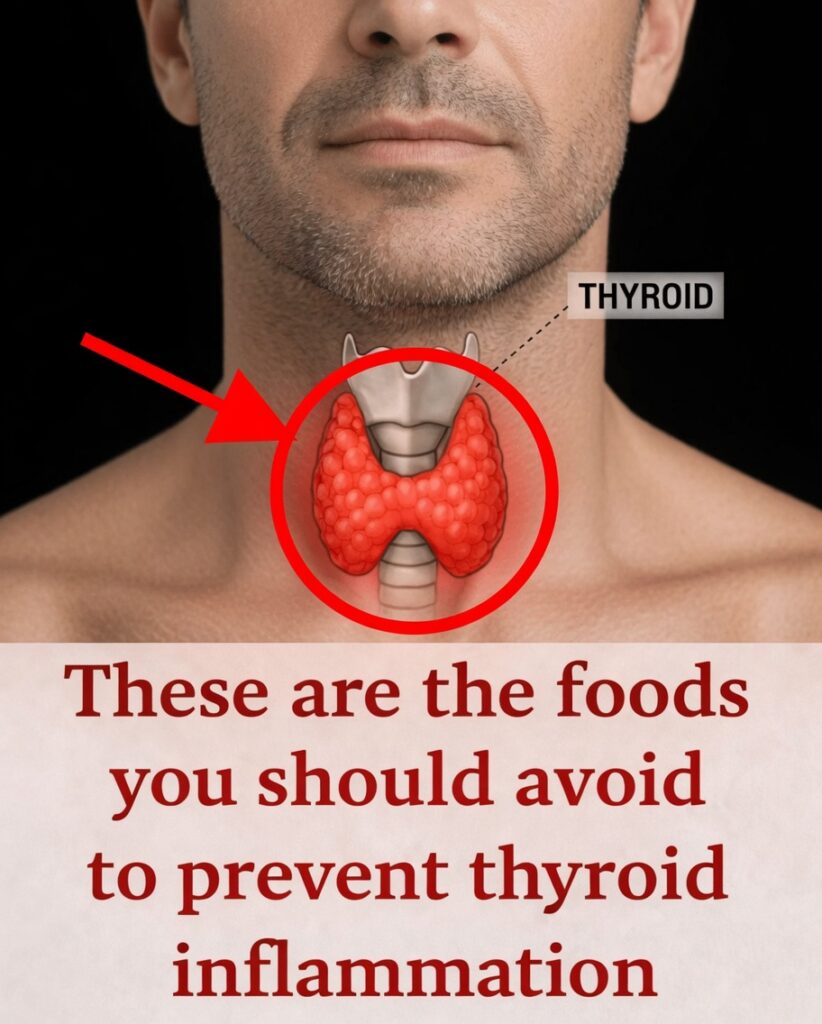
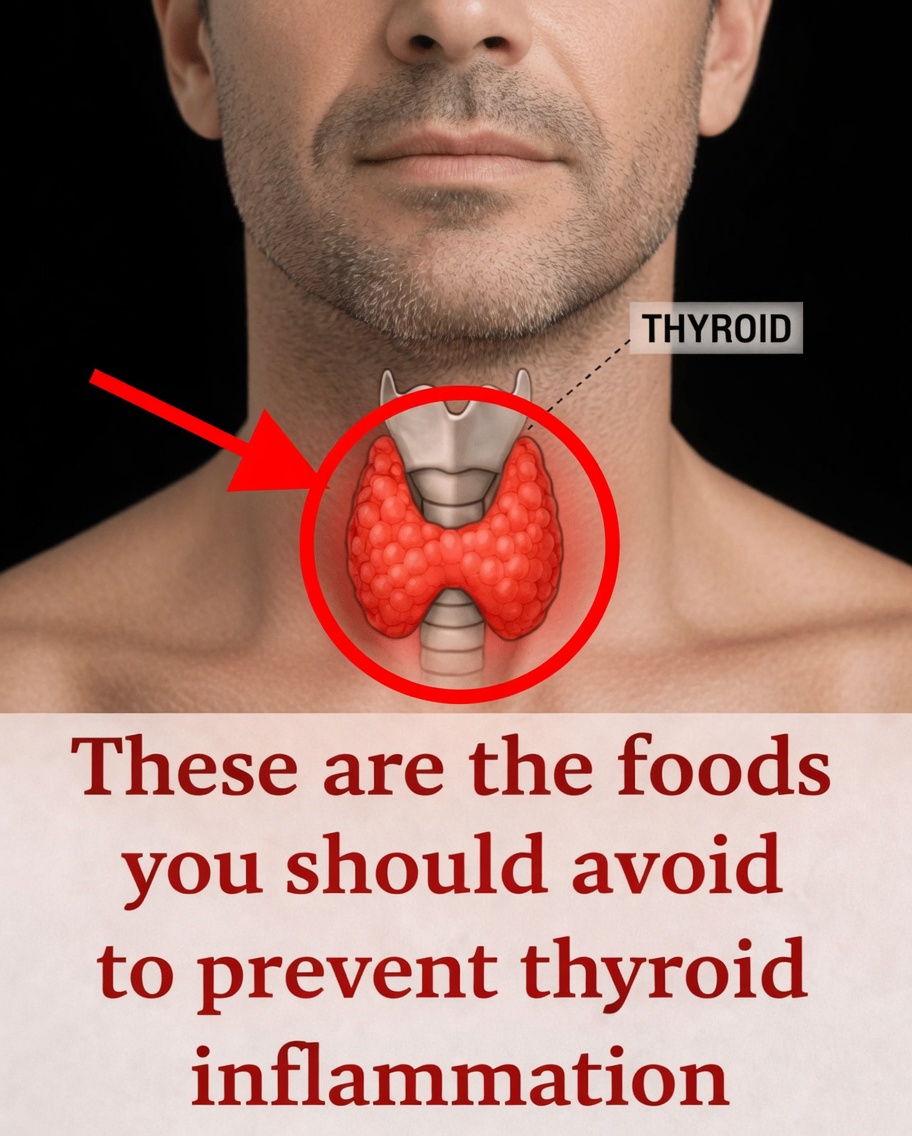
Thyroid Health and Food: Why Small Diet Choices Matter
Your thyroid may be small, but it plays a major role in how you feel day to day—affecting energy levels, weight regulation, mood stability, and mental clarity. When symptoms like ongoing fatigue, unexplained weight shifts, or “brain fog” show up, the root cause is often linked to inflammation or subtle disruptions to thyroid hormone production and balance, especially with hypothyroidism or autoimmune thyroid disorders.
No single ingredient creates thyroid disease. However, some foods can increase inflammation, interfere with iodine use, or reduce how well thyroid medication is absorbed. The goal isn’t fear or extreme restriction—it’s awareness. By limiting a few common triggers and making simple swaps, you can keep meals enjoyable while better supporting thyroid function.
1) Goitrogenic Vegetables: Enjoy Them Cooked and in Reasonable Amounts
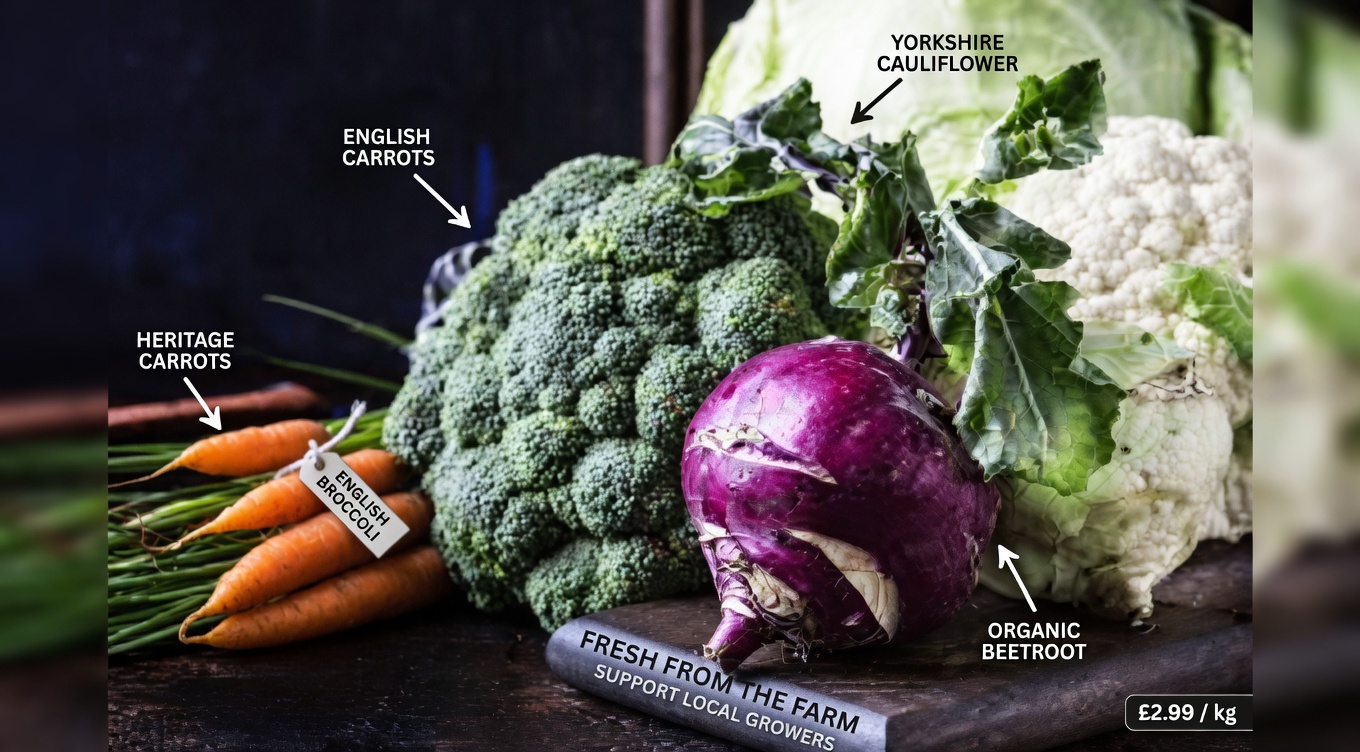
Cruciferous vegetables are highly nutritious, but some contain natural compounds called goitrogens, which may reduce iodine uptake—an important step in producing thyroid hormones. Common examples include:
- Broccoli
- Cabbage
- Cauliflower
- Brussels sprouts
- Kale
- Radishes
For most people, these vegetables are not a problem in typical serving sizes. Concerns are more relevant when they’re eaten raw in very large quantities, particularly if iodine intake is low. The practical solution: cook them. Steaming, boiling, and sautéing significantly lowers goitrogenic activity.
Thyroid-friendly idea: lightly steam broccoli or sauté kale in a small amount of olive oil.
2) Soy Foods: Watch Timing if You Take Thyroid Medication
Soy is a frequent topic in thyroid nutrition discussions. Foods such as:
- Tofu
- Soy milk
- Edamame
- Soy sauce
contain isoflavones, which may influence iodine utilization or affect absorption of thyroid hormone replacement when consumed close to medication timing. Research reviews generally find soy has little impact on thyroid function in people with adequate iodine intake, but timing still matters for those on medication.
Practical approach:
- Keep soy portions moderate.
- Consider fermented options like tempeh or miso.
- If you use thyroid medication, separate soy intake from your dose to support consistent absorption.
3) Gluten-Containing Foods: Most Relevant for Autoimmune Thyroid Concerns
Gluten (found in wheat, barley, and rye) may worsen digestive symptoms and inflammation in people who are sensitive to it—an issue that can overlap with autoimmune thyroid conditions. Some studies suggest gluten reduction may improve thyroid antibody markers for certain individuals, though results vary and it’s not universally necessary.
If you suspect gluten sensitivity, a short-term trial with whole-food gluten-free options may be worth discussing with a clinician. Better alternatives include:
- Quinoa
- Rice
- Gluten-free oats (if tolerated)
- Potatoes and sweet potatoes
Key point: prioritize minimally processed foods rather than relying on heavily processed “gluten-free” substitutes.

4) Refined Sugar and Processed Carbohydrates: Reduce Spikes, Support Energy
Frequent blood sugar highs and crashes can worsen fatigue and place additional stress on the body—something many people already struggle with when thyroid function is suboptimal. Foods most likely to contribute include:
- Pastries, cookies, cakes
- Sugary cereals
- White bread and refined baked goods
- Sweetened drinks
Diets high in refined carbohydrates and added sugar are linked with higher inflammatory markers, which may indirectly affect metabolism and overall thyroid wellness.
Smarter swaps:
- Choose complex carbohydrates (sweet potatoes, oats, legumes)
- Reach for fruit like berries instead of desserts most days
5) Refined Vegetable Oils and Unhealthy Fats: Aim for a Better Fat Balance
A chronic, low-grade inflammatory state can make thyroid-related symptoms harder to manage. Some refined oils—especially those high in omega-6 fats—may contribute to inflammation when they dominate the diet without enough omega-3 intake. Common examples include:
- Corn oil
- Soybean oil
- Sunflower oil
For a more thyroid-supportive pattern, prioritize fats known for anti-inflammatory benefits:
- Extra virgin olive oil
- Avocados
- Nuts and seeds
- Fatty fish (salmon, sardines)
Easy upgrade: use extra virgin olive oil for dressings and everyday cooking when appropriate.

6) Caffeine and Alcohol: Moderation Can Improve Sleep, Energy, and Consistency
Excess caffeine may increase jitteriness, disrupt sleep, and potentially interfere with medication absorption if taken too close to your thyroid dose. Alcohol in higher amounts can also affect inflammation and hormone balance.
Helpful guidelines:
- Keep caffeine moderate (often 1–2 cups of coffee for many people)
- Avoid taking coffee too close to thyroid medication
- Choose herbal tea or infused water to support hydration and reduce overstimulation
Practical Diet Habits That Support Thyroid Health
Small, repeatable adjustments tend to work better than strict rules. Consider these strategies:
- Cook cruciferous vegetables more often than eating them raw.
- If you take thyroid medication, separate it from soy, high-fiber foods, and calcium-rich items (commonly by 3–4 hours, based on your clinician’s guidance).
- Reduce ultra-processed foods and prioritize anti-inflammatory fat sources.
- Stay hydrated and include nutrient-dense foods; for example, Brazil nuts can provide selenium (use in moderation).
Sample Day of Thyroid-Supportive Meals
| Meal | Thyroid-Supportive Option | Why It Helps |
|---|---|---|
| Breakfast | Oatmeal with berries and a few nuts | More stable energy and fewer refined sugar spikes |
| Lunch | Grilled chicken salad with steamed broccoli and olive oil dressing | Cooked cruciferous veg + anti-inflammatory fats |
| Snack | Apple slices with almond butter | Helps balance blood sugar and improve satiety |
| Dinner | Baked salmon with quinoa and sautéed greens | Omega-3 fats support inflammation control |
Other Foods You May Want to Limit (Depending on Your Body)
In addition to the main categories above, some people do better by being cautious with:
- Ultra-processed foods (additives, refined starches, excess sodium)
- Dairy, if it worsens symptoms or digestion (individual tolerance varies)
- Very high-iodine products, such as kelp supplements (excess iodine may be problematic for some thyroid conditions)
A whole-food, nutrient-dense eating pattern remains the most reliable foundation.
FAQ: Foods and Thyroid Health
Do I have to completely remove these foods?
In most cases, no. Moderation and preparation (like cooking cruciferous vegetables) are often more useful than total avoidance, unless you have a confirmed sensitivity or specific medical instruction.
How can these foods affect thyroid medication?
Certain items—including soy, high-fiber foods, and calcium-rich foods/supplements—may reduce absorption if taken too close to your dose. Many people are advised to wait 3–4 hours, but follow your prescribing clinician’s directions.
Can diet alone treat thyroid disease?
Diet can strongly support thyroid health and symptom management, but it works best alongside appropriate medical care, routine monitoring, and individualized guidance.
Conclusion
Knowing which foods to limit—and how to prepare or time them—can make thyroid management feel more predictable and less frustrating. Cooking goitrogenic vegetables, moderating refined sugar, choosing healthier fats, and being mindful about soy and medication timing are practical steps that may reduce inflammation and support more stable energy. Focus on whole foods, track how your body responds, and partner with a healthcare professional to tailor the approach to your needs.