
Ginger Side Effects: What to Know Before Using It Every Day
A cup of spicy ginger tea after a heavy meal sounds like the perfect way to calm your stomach and feel naturally refreshed. Yet for some people, ginger does the opposite: it may trigger a burning sensation in the chest, irritate digestion, or leave them feeling off later in the day. Since millions of Americans regularly add ginger to smoothies, stir-fries, teas, and supplements, these seemingly minor reactions can become frustrating enough to affect sleep, comfort, and daily life. The encouraging part is that a little knowledge can go a long way in helping you use ginger more safely.
For generations, ginger has been valued in both cooking and wellness traditions for easing occasional digestive discomfort and supporting overall well-being. Still, regular use is not always as straightforward as many people assume. Information from respected sources such as the National Center for Complementary and Integrative Health (NCCIH) and WebMD suggests that ginger is generally safe in normal food amounts, but larger quantities—especially in supplement form—may cause mild or moderate side effects in some individuals.
What many brief online guides miss is the important difference between ginger used in everyday meals and highly concentrated powders, capsules, or extracts. That distinction matters. Below, you’ll find the main side effects to watch for, the groups who should be more careful, and practical ways to enjoy ginger without unnecessary problems.
The Most Common Ginger Side Effects
Even healthy adults may notice a few unwanted effects when their ginger intake rises beyond usual food levels. Ginger’s active compounds, especially gingerol, can stimulate digestion and circulation. While that can be beneficial, too much stimulation may leave the body feeling irritated rather than supported.
According to findings referenced by NCCIH and WebMD, the side effects reported most often include:
- Heartburn
- Stomach discomfort
- Loose stools
- Mild burning or tingling in the mouth and throat
These issues tend to appear more often when intake exceeds about 5 grams per day, and they often improve once the amount is reduced.
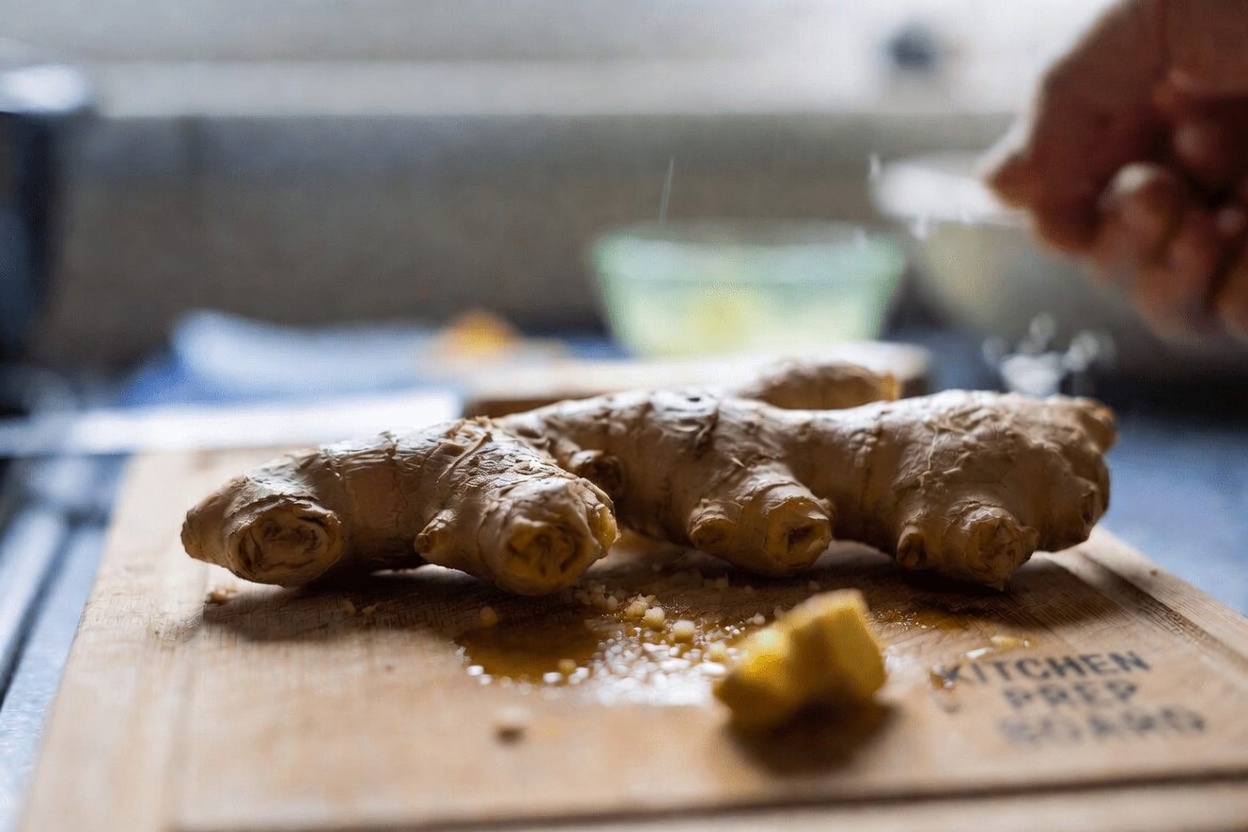
One especially useful point to remember is that fresh ginger in tea, soups, or recipes is usually easier on the body than concentrated supplements. If you already have a sensitive digestive system, starting with a small amount can make a noticeable difference.
Ginger and Bleeding Risk
One of the more important concerns involves ginger’s potential effect on blood clotting. Some natural compounds in ginger may slightly thin the blood by influencing thromboxane activity. That is why extra caution is recommended for people who already take medications that affect clotting.
Clinical observations have suggested possible interactions with medicines such as:
- Warfarin
- Aspirin
- Clopidogrel
In some cases, this may lead to easier bruising, prolonged bleeding from small cuts, or changes in medical test results that doctors monitor. People with bleeding disorders or those scheduled for surgery are often advised to stop high-dose ginger supplements one to two weeks beforehand.
The reassuring news is that normal culinary use—such as a slice of ginger in tea or a small amount in cooking—appears far less risky than taking concentrated products.
Gallstones and Gallbladder Concerns
Ginger may stimulate bile production, which helps the body digest fats. For many people, this is useful. However, for someone with gallstones or a sensitive gallbladder, increased bile flow may worsen discomfort or trigger cramping.
Research indicates that high amounts of ginger can sometimes intensify symptoms in this group. If gallbladder issues are part of your health history, it is smart to keep your intake modest and watch how you feel after meals.
Pregnancy and Breastfeeding
Many pregnant women use ginger to help manage morning sickness, and some studies support low doses—up to around 1 gram per day—as a relatively gentle option, especially in early pregnancy. However, larger amounts near delivery have raised concerns because of the possible effect on bleeding. Evidence regarding ginger use during breastfeeding is also still limited.
The safest approach is to check with a healthcare provider before using ginger regularly during pregnancy or while nursing. Most professionals consider food-level amounts relatively low risk, while supplements deserve closer evaluation.
Blood Sugar, Diabetes Medication, and Ginger
Ginger may help support healthy blood sugar levels and insulin sensitivity in some people. While that sounds positive, it can become a concern when combined with diabetes medications such as insulin or metformin. In certain cases, blood sugar may drop lower than expected.
If you have diabetes, it is wise to:
- Monitor your blood sugar closely
- Tell your doctor how often you use ginger
- Be especially cautious with supplements and extracts
Many people can still enjoy small culinary amounts without any major issue, but awareness is essential.
Blood Pressure and Heart Medications
Ginger may also have a mild blood-pressure-lowering effect. For people already taking medication for hypertension or heart conditions, this could occasionally contribute to light-headedness or other changes the body notices.
The best strategy is simple: pay attention to how you feel and keep your medical team informed. In many cases, careful monitoring is all that is needed.
Other People Who Should Be Careful
Although uncommon, some individuals may have a mild allergic reaction to ginger, including skin irritation or rash. Very high doses—above 6 grams per day—are also more likely to increase stomach upset in almost anyone.
Product quality matters as well. If you use ginger supplements, choosing a trusted brand helps reduce the risk of contamination or poor ingredient quality.
Safe Ginger Dosage Guidelines
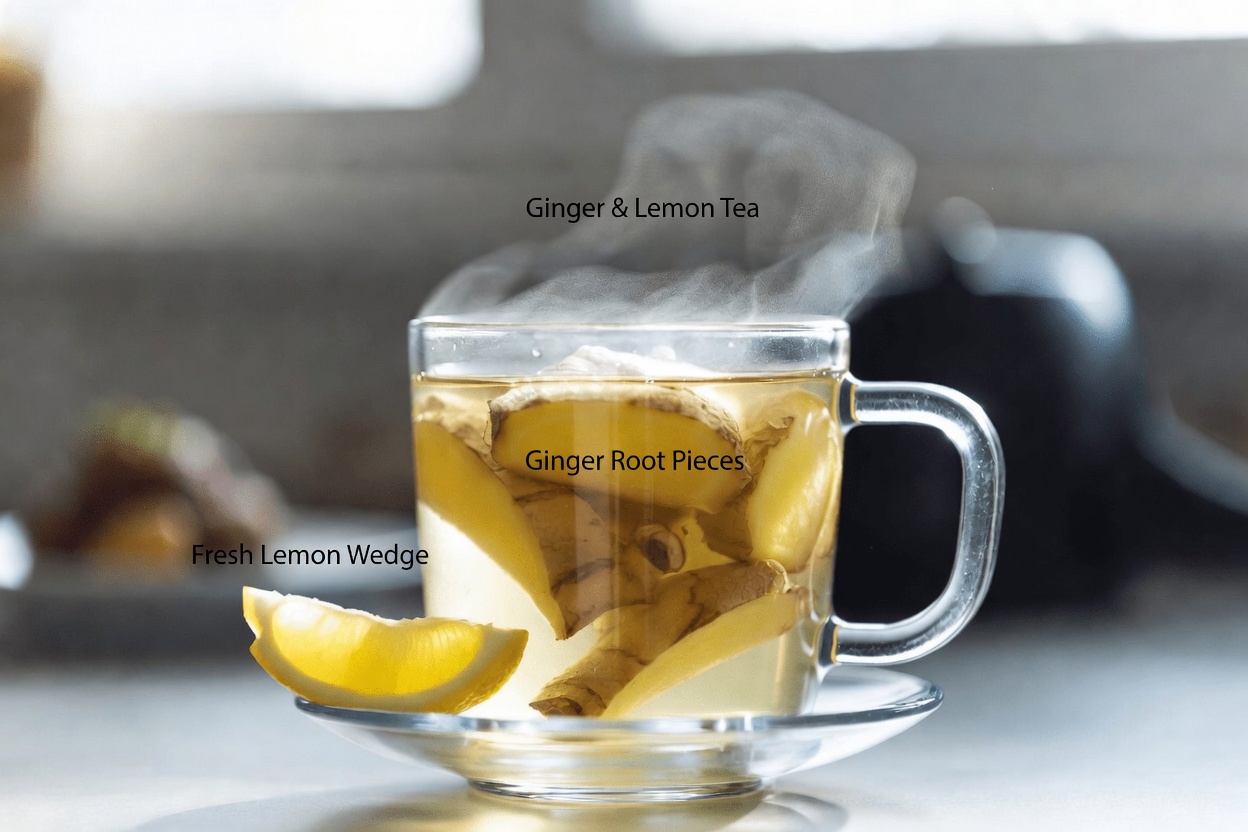
For most healthy adults, around 3 to 4 grams per day is generally considered a comfortable amount. That is roughly equal to:
- 1 to 2 teaspoons of freshly grated ginger
- A similar amount used in tea or meals
For pregnant individuals, the commonly suggested limit is 1 gram per day or less, unless a healthcare provider advises otherwise.
In general, food and tea forms of ginger are considered gentler than capsules or concentrated supplements.
Quick Dosage Reference Table
| Group / Condition | Suggested Daily Limit | Reason for Caution |
|---|---|---|
| General healthy adults | Up to 3–4 g | Usually low risk in moderate amounts |
| Pregnant women | 1 g or less, with provider guidance | Possible bleeding concerns and pregnancy-related safety questions |
| Bleeding disorders / before surgery | Avoid high doses; stop 1–2 weeks before surgery | Higher bleeding risk |
| Gallstones | Limit or avoid high doses | May stimulate bile and worsen symptoms |
| People on diabetes medication | Use cautiously and monitor | May lower blood sugar more than expected |
| People taking blood thinners | Consult a healthcare provider | Possible enhanced anticoagulant effects |
Practical Ways to Use Ginger More Safely
If you want the benefits of ginger without unpleasant surprises, these habits can help:
- Start small: Try only 1/4 to 1/2 teaspoon of fresh grated ginger in food or tea at first.
- Use food forms first: Fresh root or small amounts of dried ginger in recipes usually carry less risk than supplements.
- Take it with meals: If ginger tends to cause heartburn, avoid using it on an empty stomach.
- Watch for patterns: Keep track of how you feel after using ginger for several days in a row.
- Mention it to your doctor: This is especially important if you take prescription medications regularly.
Gentler Alternatives to Rotate In
If you want to reduce your ginger intake or switch things up, there are other soothing options to consider:
- Peppermint tea: Often used for digestion and nausea, without ginger’s blood-thinning concerns
- Lemon or chamomile infusions: Gentle, calming, and often easier on sensitive stomachs
- Turmeric: Sometimes used for similar wellness goals, though it has its own possible interactions and should still be used carefully
Final Thoughts
Ginger can absolutely remain a helpful and enjoyable part of a wellness routine when it is used with care. The evidence shows that it is generally safe in normal food amounts, but dose, form, and individual health conditions all matter. By keeping portions reasonable, paying attention to how your body responds, and checking in with your healthcare provider when needed, you can continue enjoying ginger without unnecessary setbacks.
A little awareness can turn ginger from a source of surprise side effects into a safe and comforting daily habit.