Living With Athlete’s Foot: Why People Look for Natural Options
Athlete’s foot often comes with an intense itch and burning feeling—especially between the toes—that can make walking and exercising miserable. Flaking or peeling skin and occasional odor may also leave you hesitant to wear sandals, visit the beach, or go barefoot at the gym. Because of this, many adults explore gentle, natural add-ons to their routine, including garlic for athlete’s foot, as a way to support foot comfort and overall hygiene.
A simple kitchen staple might seem too basic to matter, but garlic has a long history in traditional self-care and has also drawn scientific interest. Below, you’ll find practical ways people approach garlic for athlete’s foot, along with preparation tips, supportive habits, and key safety notes to keep your skin protected.
Why Garlic for Athlete’s Foot Gets Attention
Athlete’s foot is commonly triggered or worsened by warm, damp environments—think sweaty shoes, locker rooms, and shared shower floors. Once the fungus settles in, it can lead to irritated, cracked skin and ongoing discomfort.
Many people try garlic for athlete’s foot because garlic contains naturally occurring sulfur-based compounds that have been studied for antimicrobial activity. While home methods are not a guaranteed cure, garlic is often explored as a complementary step alongside good hygiene and, when needed, medical treatment.
Potential Antifungal Activity: What Makes Garlic Interesting
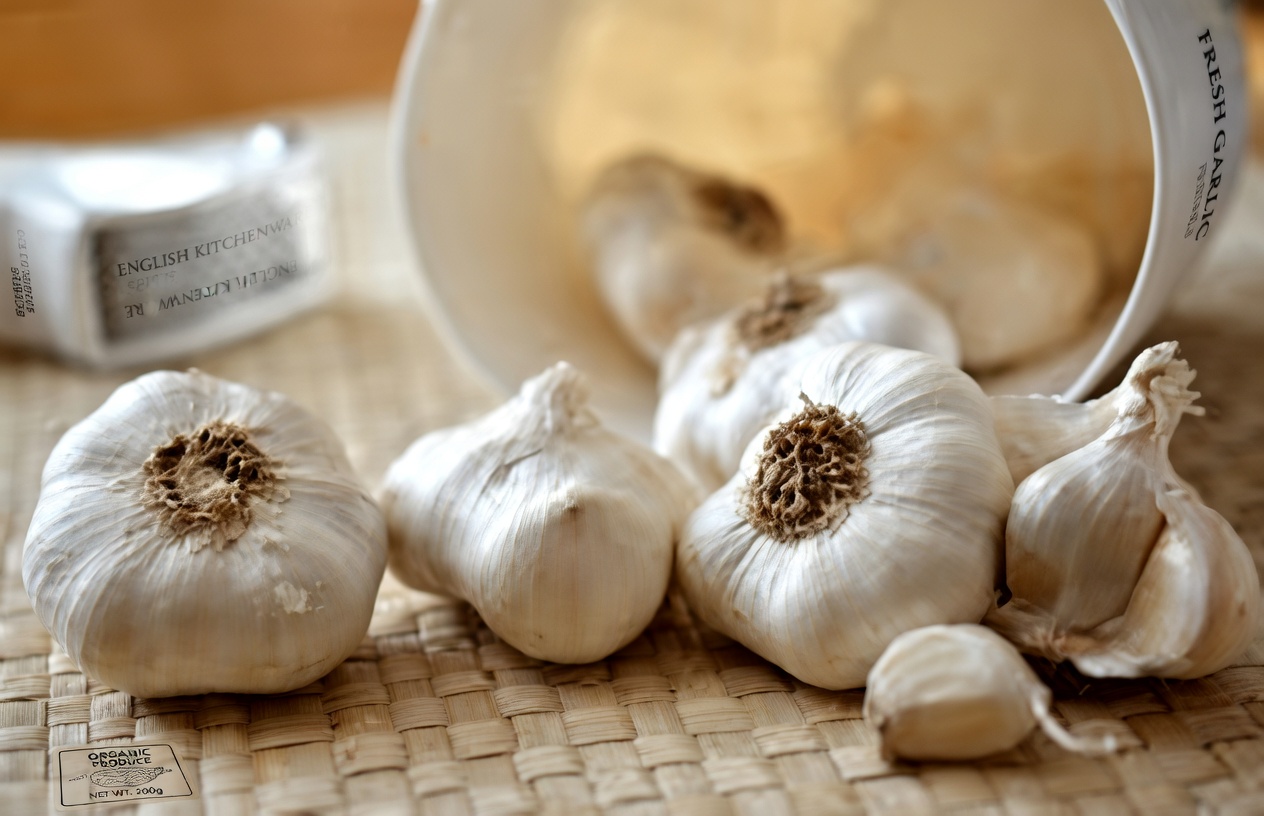
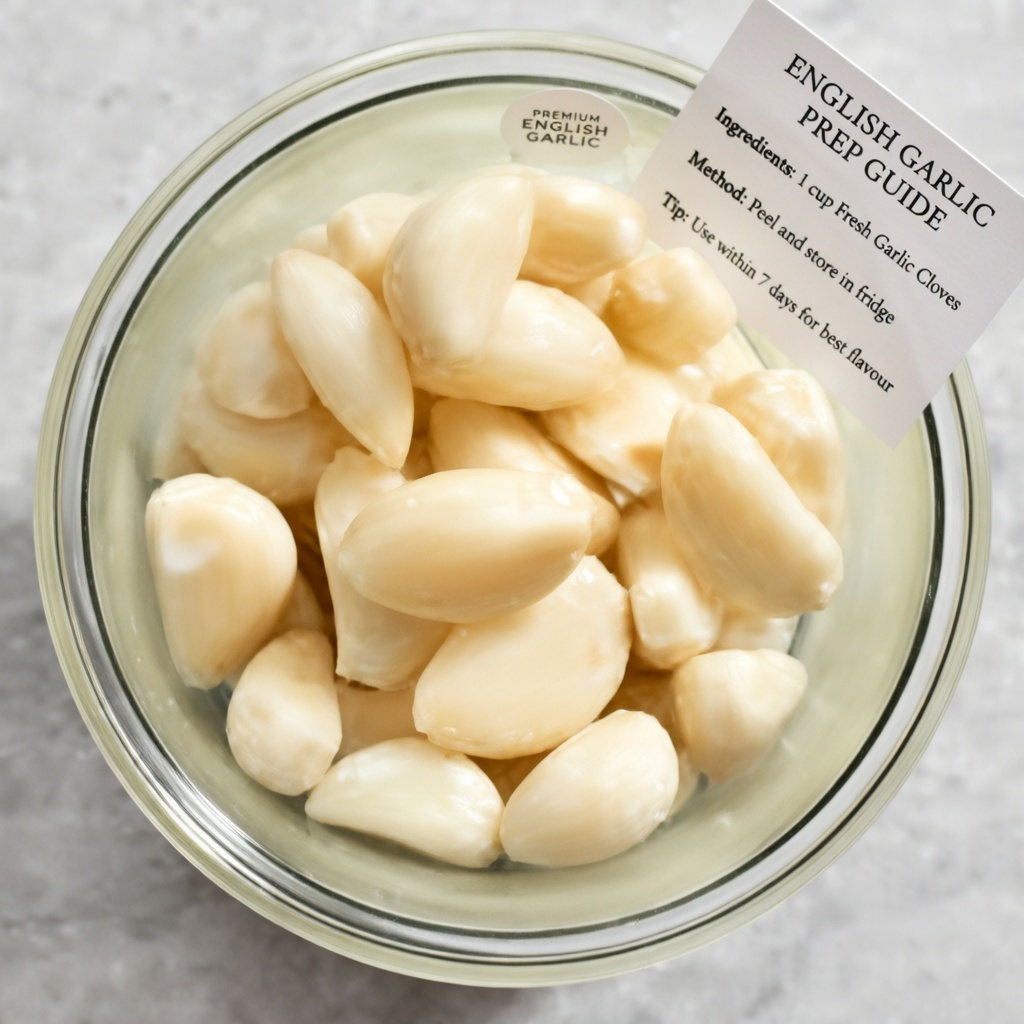
A key compound linked to garlic’s reputation is allicin, which forms when garlic is chopped or crushed. Lab research suggests allicin may affect certain fungi, which is why garlic is sometimes used in home-care routines for athlete’s foot.
A practical prep detail that matters
If you’re preparing a topical mixture, many people wait before mixing it into a carrier:
- Crush or finely chop garlic
- Let it sit for about 10 minutes (this allows allicin to develop)
- Dilute heavily before any skin contact
Because raw garlic can be harsh, direct application may cause burning or redness—especially on already irritated skin.
Supporting Dry, Cracked Skin With Diluted Garlic Mixtures
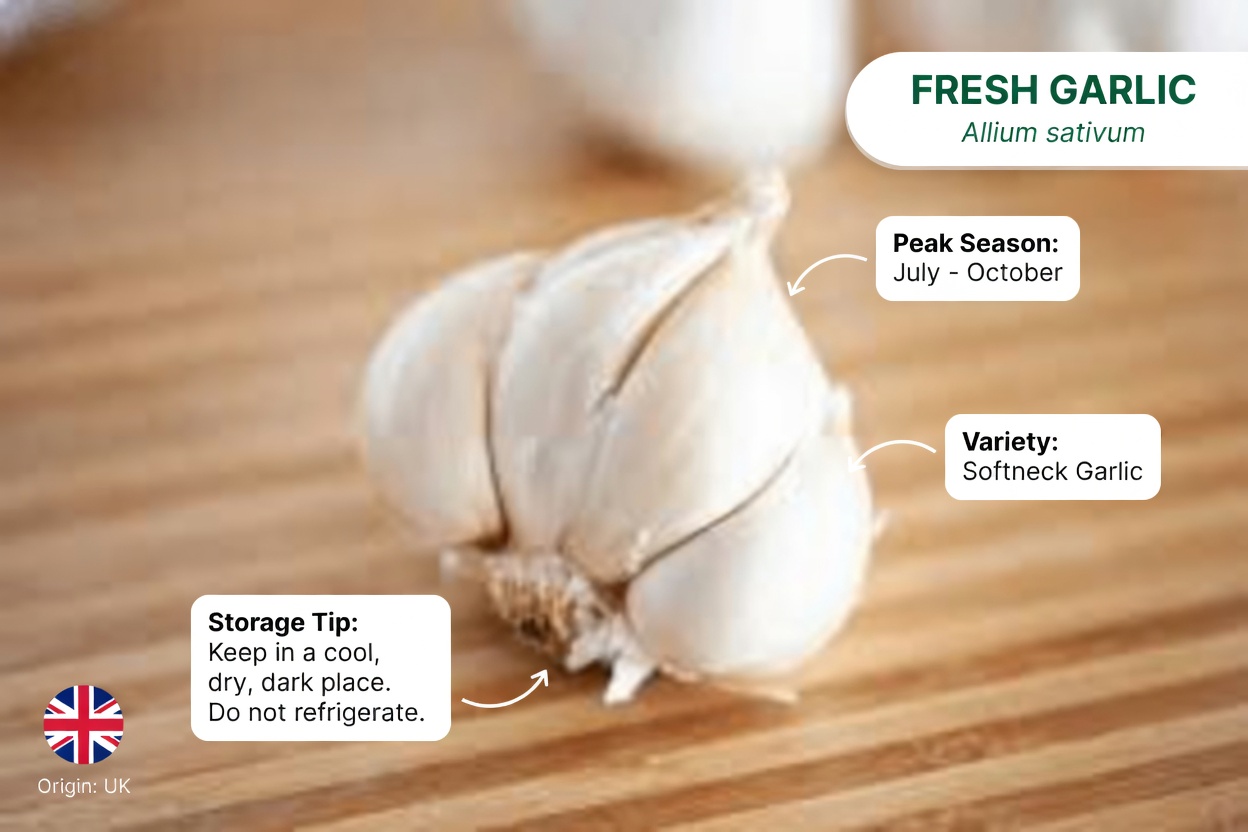
Athlete’s foot can come with dryness, scaling, and painful fissures that rub inside shoes. To reduce irritation risk, some people combine garlic for athlete’s foot with a carrier such as:
- Coconut oil
- Olive oil
- Other gentle, skin-friendly oils
The goal is not only comfort, but also supporting the skin barrier while you address moisture and hygiene. If you have open cracks, bleeding areas, or significant inflammation, it’s safer to avoid garlic-based mixtures and seek professional guidance.
Odor Concerns: How Garlic Routines Are Sometimes Used
Foot odor can be one of the most confidence-damaging parts of athlete’s foot. Some home routines use garlic for athlete’s foot in diluted soaks, aiming to support a cleaner skin environment. Garlic’s own smell is strong, but typically fades after washing.
Some people also add vinegar to a foot soak to create a less fungus-friendly pH environment. If you try this, keep the solution mild and discontinue if you notice stinging or worsening dryness.

Garlic for Athlete’s Foot Around the Nail Area: Realistic Expectations
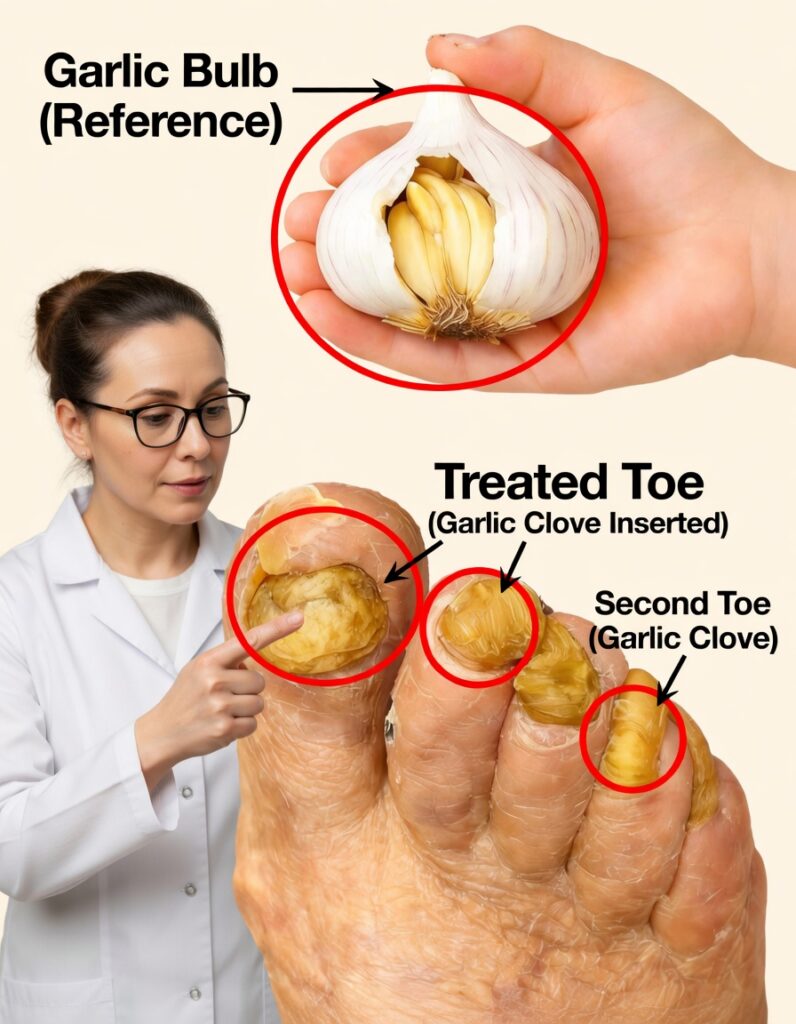
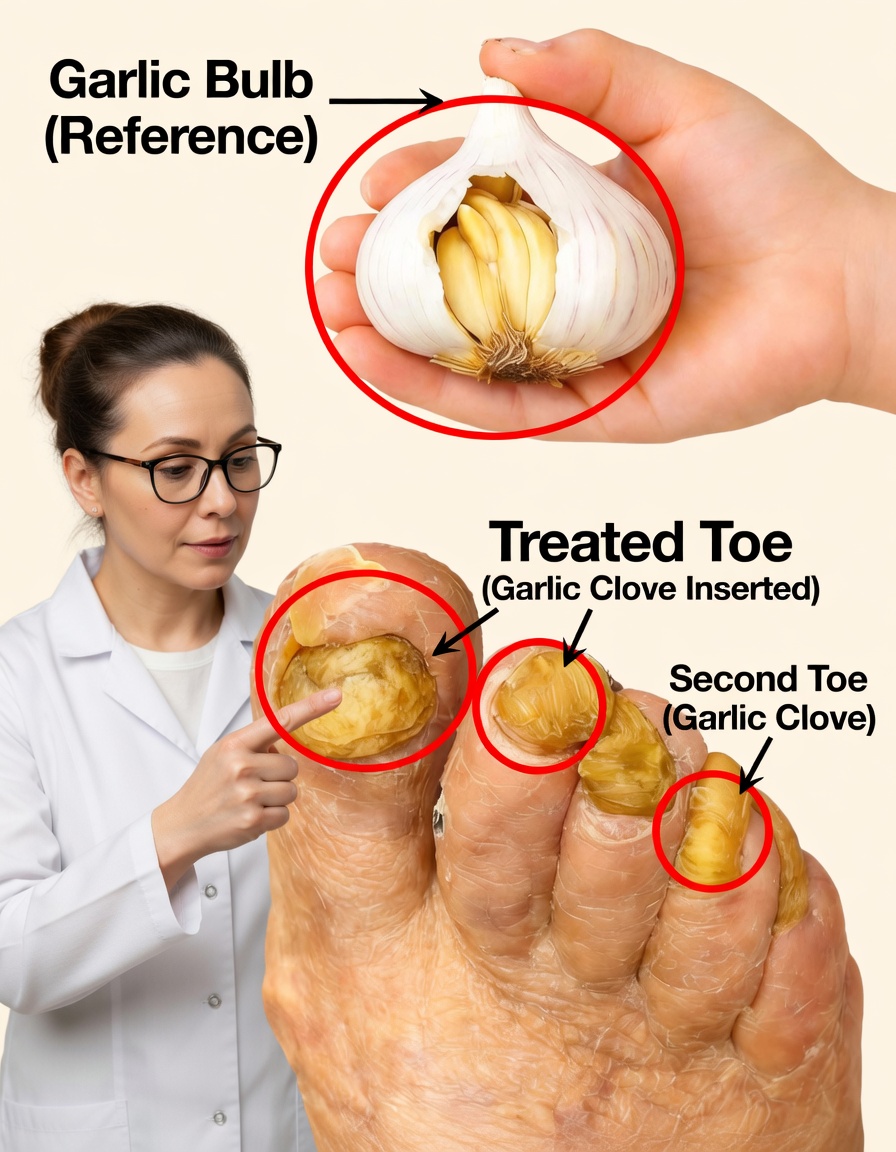
When athlete’s foot spreads, nails may become discolored or thickened. Some individuals apply diluted garlic mixtures around the nails, hoping for cosmetic improvement. However, nails are difficult for any topical approach to penetrate deeply.
Scientific interest has also included garlic-derived compounds such as ajoene, studied in small settings for fungal concerns. Results vary widely, and nail involvement often responds better to professional evaluation and targeted treatment.
Building Foot Resilience: Topical Use vs. Supplements
Because athlete’s foot can be stubborn and recurrent, some people take a “full routine” approach—improving footwear habits while also exploring garlic for athlete’s foot topically, or considering garlic supplements for general wellness.
Important note: supplements can interact with certain medications (for example, blood thinners) and may not be appropriate for everyone. If you’re considering oral garlic products, it’s best to check with a clinician—especially if you have ongoing health conditions or take prescription medications.
Managing Moisture and Sweat (Where Athlete’s Foot Often Starts)
Excess sweat creates the ideal conditions for athlete’s foot to persist. Alongside any natural approach, moisture control is often the most practical “prevention tool” you have.
Consider combining garlic for athlete’s foot routines with:
- Breathable socks (change them if they get damp)
- Rotating shoes to allow full drying
- Drying between toes after showering
- Wearing shower sandals in shared facilities
If sweat is severe or persistent, a pharmacist or clinician can recommend additional options.
Reducing Itch and Irritation: Proceed With Extra Care
The burning itch after wearing tight, closed shoes is a common complaint. Some home remedies mix garlic for athlete’s foot with soothing ingredients (such as honey) to reduce the “sting factor” and make application feel calmer.
Because garlic can still irritate even when mixed, a safer approach is:
- Patch test on a small area first
- Wait 24 hours to check for redness or burning
- Stop immediately if symptoms worsen
Shoe and Environment Hygiene: Preventing Reinfection
Even if your skin improves, shoes can reintroduce fungal organisms. Some people experiment with a diluted garlic for athlete’s foot spray for footwear freshness, inspired by lab discussions about antimicrobial vapors.
Practical shoe hygiene habits often matter more than any single ingredient:
- Let shoes dry completely between wears
- Use breathable footwear when possible
- Wash socks in hot water if fabric allows
- Clean shower floors and bath mats regularly

A Quick Check-In: What You’ve Covered So Far
Here are the main areas where garlic for athlete’s foot is most commonly explored:
- Skin-focused diluted pastes or oil blends
- Foot soaks aimed at odor and overall hygiene
- Care around nails (with limited expectations)
- Shoe hygiene support to reduce reinfection risk
- Lifestyle habits that reduce moisture buildup
Preventing Spread to Others With Careful Habits
Athlete’s foot can spread through shared floors, towels, socks, and footwear. If multiple people in a household are affected, consistent hygiene becomes especially important.
To lower transmission risk:
- Avoid sharing towels or nail tools
- Wash hands after touching affected skin
- Keep personal footwear separate
- Disinfect high-contact surfaces
If you use garlic for athlete’s foot topically, avoid “double-dipping” into jars or containers that could contaminate the product.
Sensitive Skin, Diabetes, and Other High-Risk Situations
If you have diabetes, poor circulation, immune suppression, or frequent skin infections, athlete’s foot should be treated with extra caution. In these cases, experimenting with garlic for athlete’s foot without medical input can be risky due to the potential for burns, irritation, and delayed healing.
Seek professional care promptly if you notice:
- Spreading redness or swelling
- Pus, warmth, or increasing pain
- Cracks that won’t heal
- Signs of infection around nails
Garlic for Athlete’s Foot in Active Lifestyles
Athletes and highly active people often deal with sweaty footwear, repeated friction, and shared facilities—conditions that make athlete’s foot more likely. If you choose to include garlic for athlete’s foot in your routine, it should be paired with disciplined prevention:
- Dry feet thoroughly after workouts
- Change socks right after training
- Use breathable shoes whenever possible
- Keep gym bags and shoes ventilated
When discomfort is controlled, it’s easier to stay consistent with training and daily activity.
Restoring Confidence With Consistent Foot Care
Athlete’s foot can affect how you feel in social settings—pool days, beach trips, or even just wearing sandals. For some people, adding garlic for athlete’s foot as a carefully diluted, occasional step helps them feel more proactive and supported.
Confidence usually improves most when visible symptoms decrease—and that typically comes from consistent moisture control, clean footwear routines, and timely treatment.
Long-Term Foot Health Strategies (With or Without Garlic)
For lasting results, think of athlete’s foot management as a system, not a one-time fix. A sustainable plan may include:
- Daily drying between toes
- Shoe rotation and regular cleaning
- Early action at the first sign of itching or peeling
- Cautious use of natural add-ons, such as diluted garlic mixtures
- Medical support when symptoms persist, spread, or involve nails
Used wisely, garlic for athlete’s foot can be one small part of a broader routine—but safety, dilution, and skin sensitivity should always come first.