5 Everyday Foods Most Often Linked to Higher Cancer Risk
Many people eat familiar meals and snacks every day without realizing that some of those choices may create conditions in the body associated with a greater cancer risk over time. That can feel alarming, especially when common grocery items are the very foods health experts warn about most often. The encouraging part is simple: once you know what to look for, you can make smarter decisions without completely changing the way you eat.
In the sections below, you’ll learn about five foods and drink categories that research repeatedly connects with higher cancer risk, along with practical and satisfying alternatives you can start using right away.
How Daily Food Choices May Influence Cancer Risk
Major health organizations such as the World Health Organization, MD Anderson Cancer Center, and the American Cancer Society have repeatedly found that certain eating patterns are linked with increased cancer risk. That does not mean one specific food directly causes cancer by itself. Instead, regularly eating some foods may increase inflammation, promote weight gain, or expose the body to substances that can contribute to unhealthy cellular changes.
The key takeaway is empowering: small dietary improvements, practiced consistently, can support better long-term health.
1. Processed Meats: Bacon, Sausage, Hot Dogs, and Deli Meats
Processed meats appear on nearly every expert warning list because of the way they are preserved, cured, or cooked. The International Agency for Research on Cancer classifies processed meat as a Group 1 carcinogen due to strong evidence linking regular intake with a higher risk of colorectal cancer. Researchers often focus on nitrates, nitrites, and high sodium content.
Even if you only eat them occasionally, frequent small servings can still add up over time.
- Common examples include bacon, hot dogs, ham, salami, pepperoni, smoked sausage, and deli slices
- Research highlights the possible formation of harmful compounds during digestion and high-heat cooking
- Many health experts suggest limiting these foods or avoiding them on most days
A simple swap you can try is choosing turkey bacon, chicken sausage, or plant-based options made from beans or mushrooms. Prepared well, they can offer similar flavor while reducing exposure to the compounds experts worry about.

2. Sugary Drinks and Highly Sweetened Processed Foods
Soft drinks, sweetened coffee beverages, energy drinks, packaged desserts, and candy deliver large amounts of added sugar very quickly. High sugar intake is associated with weight gain and inflammation, both of which are linked to several cancers in large population studies. Excess fructose, especially from high-fructose corn syrup, has also been studied for its potential role in supporting certain cell-growth pathways when consumed in large amounts.
What catches many people off guard is that some fruit drinks, flavored teas, and sports drinks can contain more sugar than expected.
- Foods and drinks to cut back on include soda, sweetened iced tea, fruit drinks with added sugar, pastries, and candy
- Experts consistently note that excessive added sugar contributes to obesity and metabolic changes tied to higher risk
- A helpful label-reading goal is to choose products with less than 10 grams of added sugar per serving when possible
An easy first step is replacing just one sugary drink each day with sparkling water, unsweetened tea, or plain coffee. For more flavor, add lemon, cucumber, mint, or berries. Many people notice fewer cravings after making this switch for a couple of weeks.
3. Red Meat, Especially in Large Amounts
Beef, pork, and lamb can provide valuable nutrients such as protein and iron, but eating large amounts regularly has been associated with a higher risk of colorectal cancer and possibly other cancers. Ongoing research focuses on heme iron and certain compounds that may form during digestion or when meat is grilled or charred at high temperatures.
The American Cancer Society advises limiting red meat to about 18 ounces of cooked weight per week for people trying to reduce risk.
This is not about eliminating steak forever. It is more about portion control, frequency, and balance.
- Red meats of concern include steaks, burgers, ribs, roasts, and ground beef or pork
- Researchers are studying links to inflammation and metabolites that may damage DNA
- A useful habit is treating red meat as an occasional choice rather than an everyday staple
Better alternatives include salmon and other fatty fish, skinless chicken, eggs, lentils, and chickpeas. With herbs, spices, olive oil, and garlic, these meals can still feel rich and satisfying.
4. Alcohol: Beer, Wine, and Liquor
Alcohol is also classified as a Group 1 carcinogen, and there is no fully risk-free level when it comes to cancer. Research has connected even light to moderate drinking with cancers of the breast, liver, colon, and esophagus. One major reason is that the body breaks alcohol down into acetaldehyde, a toxic substance that can damage DNA.
Although alcohol is part of many social traditions, more people are now reducing their intake or choosing alcohol-free options.
- This includes beer, wine, cocktails, and spirits
- Large epidemiological studies show the risk rises with both how much and how often a person drinks
- Most public health guidance agrees that not drinking is the lowest-risk option
A practical change for tonight is to replace your usual drink with sparkling water and lime, alcohol-free wine or beer, or a mocktail. You can keep the social routine while removing the alcohol itself.
5. Ultra-Processed Foods and Fried Fast Food
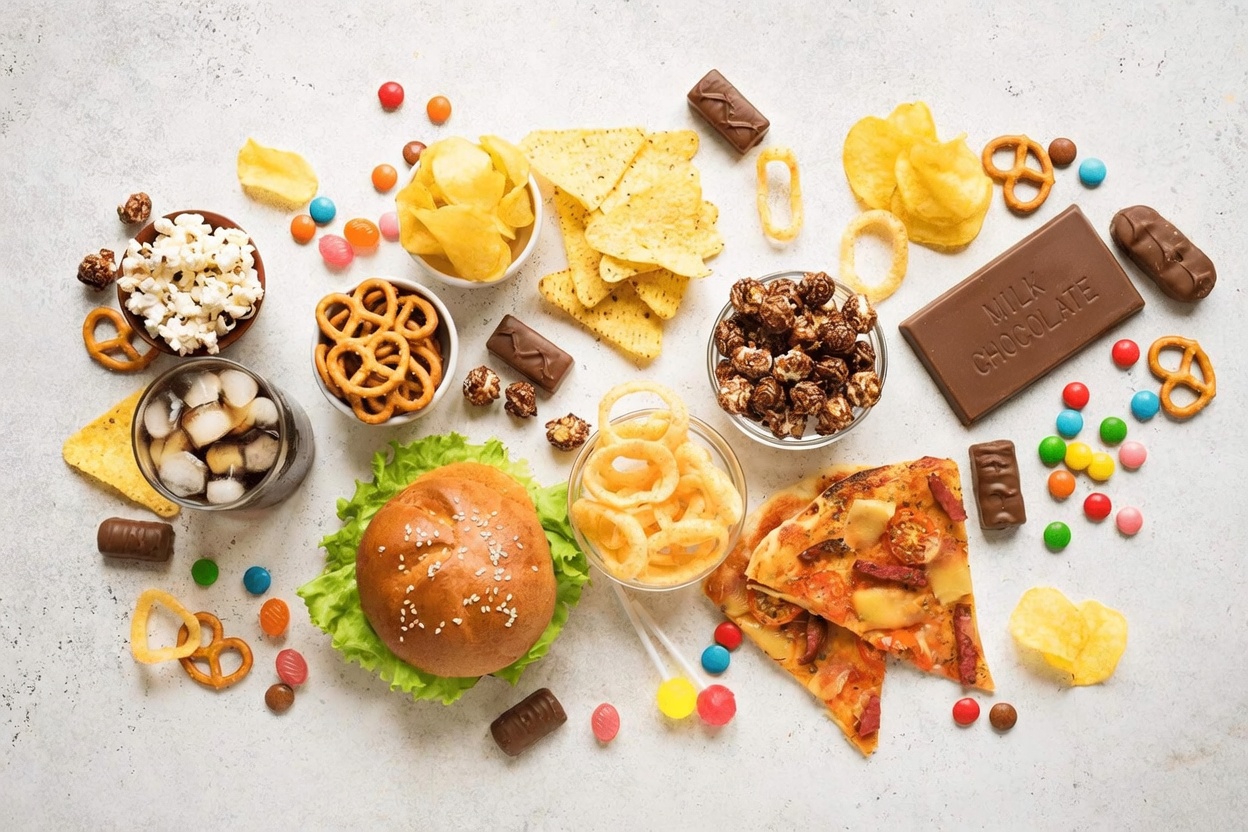
Ultra-processed products such as chips, packaged snacks, frozen meals, sugary cereals, and deep-fried fast food have become a major part of modern diets. Recent research links higher consumption of these foods with increased cancer risk, partly because they tend to be low in fiber and protective nutrients while being high in unhealthy fats, additives, sodium, and refined carbohydrates.
In many diets, ultra-processed foods now make up more than half of total calorie intake. Researchers are increasingly connecting this pattern to inflammation, poor gut health, and other long-term health concerns.
- Common examples include potato chips, instant noodles, microwave dinners, sweet breakfast cereals, and fast-food fries
- Experts are concerned about their low nutritional quality and the presence of additives and harmful fats
- One realistic goal is to cook one additional homemade meal each week
A surprisingly effective strategy is shopping more often from the outer sections of the grocery store, where whole foods like produce, fish, eggs, and fresh ingredients are usually found. This naturally reduces reliance on heavily processed items without making you feel deprived.
Smart Eating Habits You Can Start This Week
If you want to put this information into practice, start with a few manageable changes:
- Read ingredient lists and look for products with five or fewer recognizable ingredients
- Fill half your plate with vegetables or fruit at each meal
- Prepare proteins and whole grains in batches so healthy meals are easier during the week
- Use herbs, garlic, spices, and olive oil instead of depending on bottled processed sauces
- Pay attention to how you feel after a month of making these swaps, since many people notice better energy and fewer cravings
It also helps to eat more foods known for their nutritional value, such as:
- Leafy greens
- Berries
- Cruciferous vegetables like broccoli and cauliflower
- Whole grains such as oats, brown rice, and quinoa
- Nuts and seeds
- Fatty fish rich in omega-3s
These foods supply fiber, antioxidants, and other nutrients that support overall health.
Why These Changes Matter for Long-Term Wellness
Reducing your intake of the five categories above while increasing whole, nutrient-dense foods can help create a healthier internal environment and lower several risk-related factors. This is not about being perfect or making dramatic changes overnight. What matters most is building habits you can maintain.
When these food choices are combined with regular physical activity, quality sleep, and stress management, they offer even stronger support for long-term well-being.
You have already taken an important first step simply by learning about these patterns.
Frequently Asked Questions
Is it still okay to eat these foods occasionally?
For most people, occasional intake is very different from frequent daily consumption. The main concern in research is regular, long-term exposure. Moderation matters, but reducing how often you eat these foods is generally the better approach.
Do I need to completely avoid red meat and alcohol?
Not necessarily, unless your doctor recommends it. The goal is to lower intake, pay attention to portion sizes, and avoid making them routine parts of your diet. For alcohol, less is better, and none is the lowest-risk choice.
Are all processed foods equally harmful?
No. Some minimally processed foods, like plain yogurt, frozen vegetables, or canned beans, can still be nutritious. The biggest concern is with ultra-processed products that are high in sugar, salt, unhealthy fats, and additives.
What is the easiest change to start with?
Replacing one daily sugary drink and one weekly ultra-processed meal is often a great starting point. Small changes are easier to sustain and can build momentum over time.
Can healthy foods completely prevent cancer?
No single food can guarantee prevention. However, a balanced diet rich in whole foods can help reduce risk and support better overall health as part of a broader healthy lifestyle.