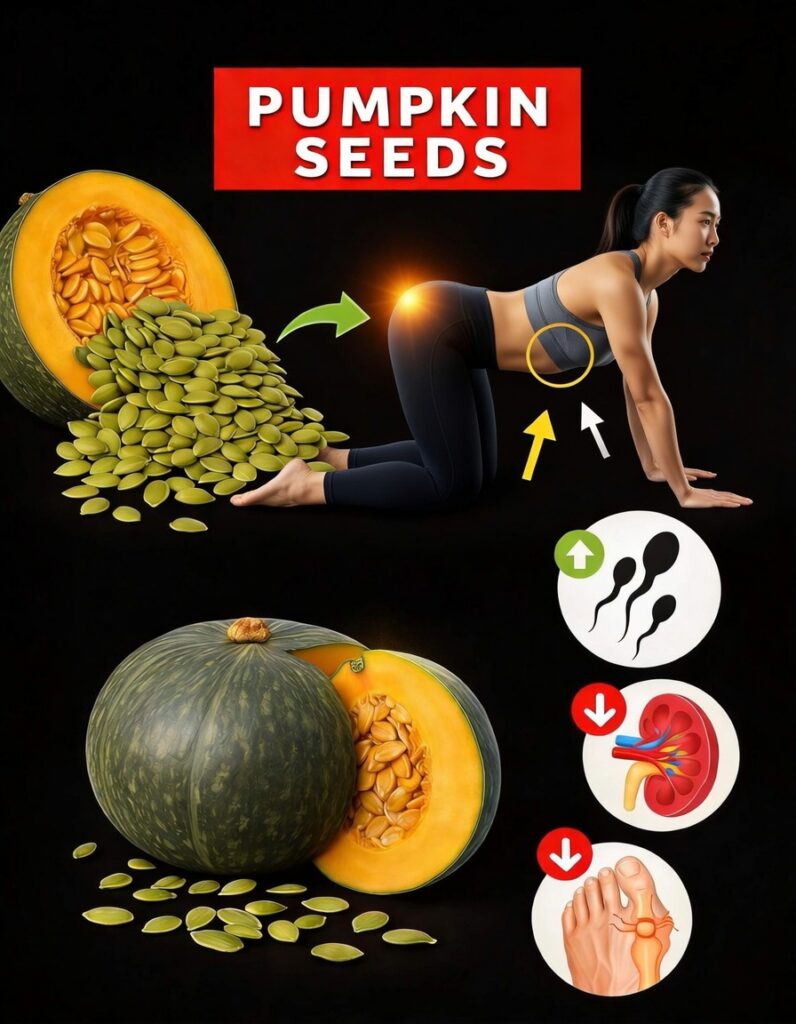
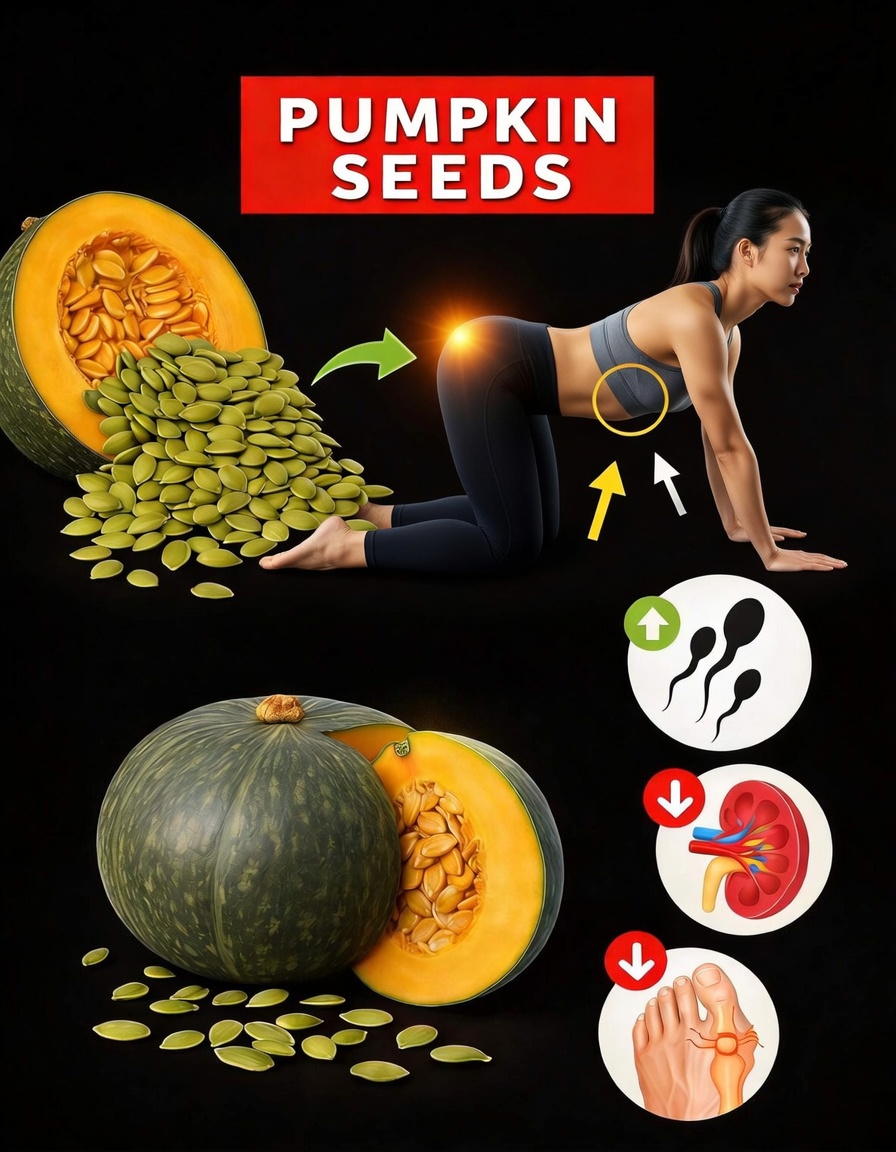
Why Pumpkin Seeds Deserve a Spot in Your Daily Routine
Low energy, poor sleep, and ongoing worries about heart health can quietly drain your motivation and make everyday life feel harder than it should. When you’re tired and tense, it’s more difficult to concentrate at work, stay patient with family, or feel confident about your long-term well-being.
One simple food may offer meaningful nutritional support: pumpkin seeds. Research suggests they’re rich in key minerals, beneficial fats, and antioxidants—nutrients often linked with better energy, recovery, and overall wellness. Keep reading for a surprising way pumpkin seeds may improve daily life that many people overlook.
Understanding the Nutritional Profile of Pumpkin Seeds
Pumpkin seeds (also called pepitas) are a compact, nutrient-dense snack that many people underestimate. If you frequently feel sluggish, unfocused, or “off,” common mineral shortfalls—especially magnesium and zinc—can play a role. Studies indicate pumpkin seeds provide notable amounts of these minerals, supporting normal energy production, immune defenses, and everyday resilience.
They also contain plant protein and healthy unsaturated fats, which can help you feel satisfied and steady between meals rather than riding constant hunger and energy swings.
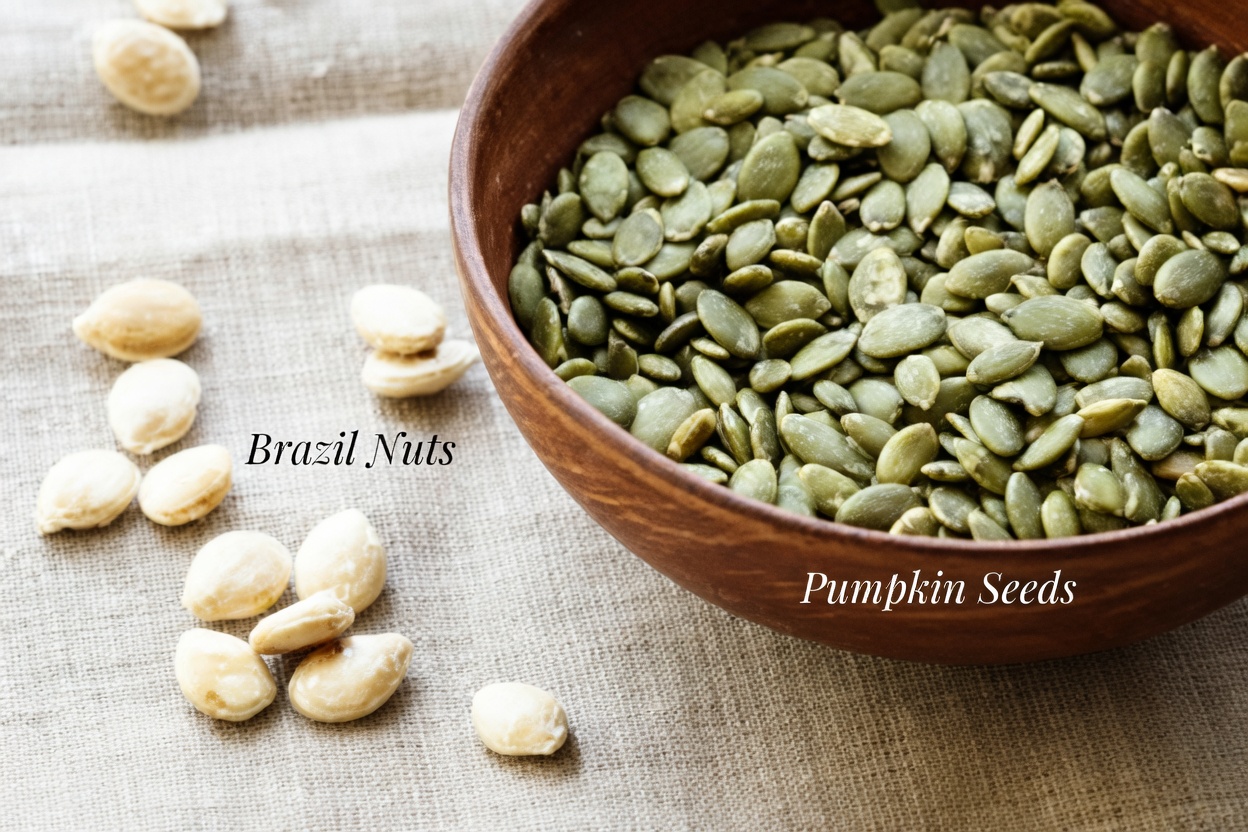
Regular intake matters more than an occasional sprinkle. Research suggests consistent consumption may help reinforce nutrient status over time—important for anyone who worries their diet isn’t reliably covering the basics. In practice, even a small handful per day can be an easy habit with potentially noticeable effects.
1. Potential Support for Heart Health
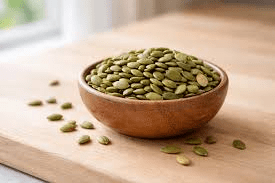
Heart-related concerns—like cholesterol, blood pressure, or family history—can create real stress. Pumpkin seeds contain unsaturated fats and antioxidants that research associates with cardiovascular support, making them a gentle, food-first option for people aiming to protect heart function without extreme diet changes.
Notably, research involving postmenopausal women found pumpkin seed oil may positively influence blood pressure. While it isn’t a cure, adding pumpkin seeds (or pumpkin seed oil) can be a practical step within a heart-smart lifestyle.
2. Better Sleep Quality
Restless nights can affect everything: mood, appetite, focus, and stress tolerance. Pumpkin seeds provide tryptophan and magnesium, both of which are often discussed in research for their roles in relaxation and sleep regulation. For people frustrated by inconsistent rest, this nutrient combination may be especially relevant.
Some animal studies have also linked pumpkin seeds with improved rest, suggesting consistent intake could support a healthier sleep pattern over time.
3. Boosted Immune Function
If you catch colds frequently or feel run down in busy seasons, immune support becomes a daily priority. Pumpkin seeds deliver zinc and selenium, nutrients commonly connected to normal immune activity in research. Including them regularly may help strengthen your nutritional foundation for immune resilience.
Additionally, the antioxidant content in pumpkin seeds is studied for its potential role in reducing inflammation, which may help you feel less worn down during high-stress or high-exposure periods.
4. Healthier-Looking Skin
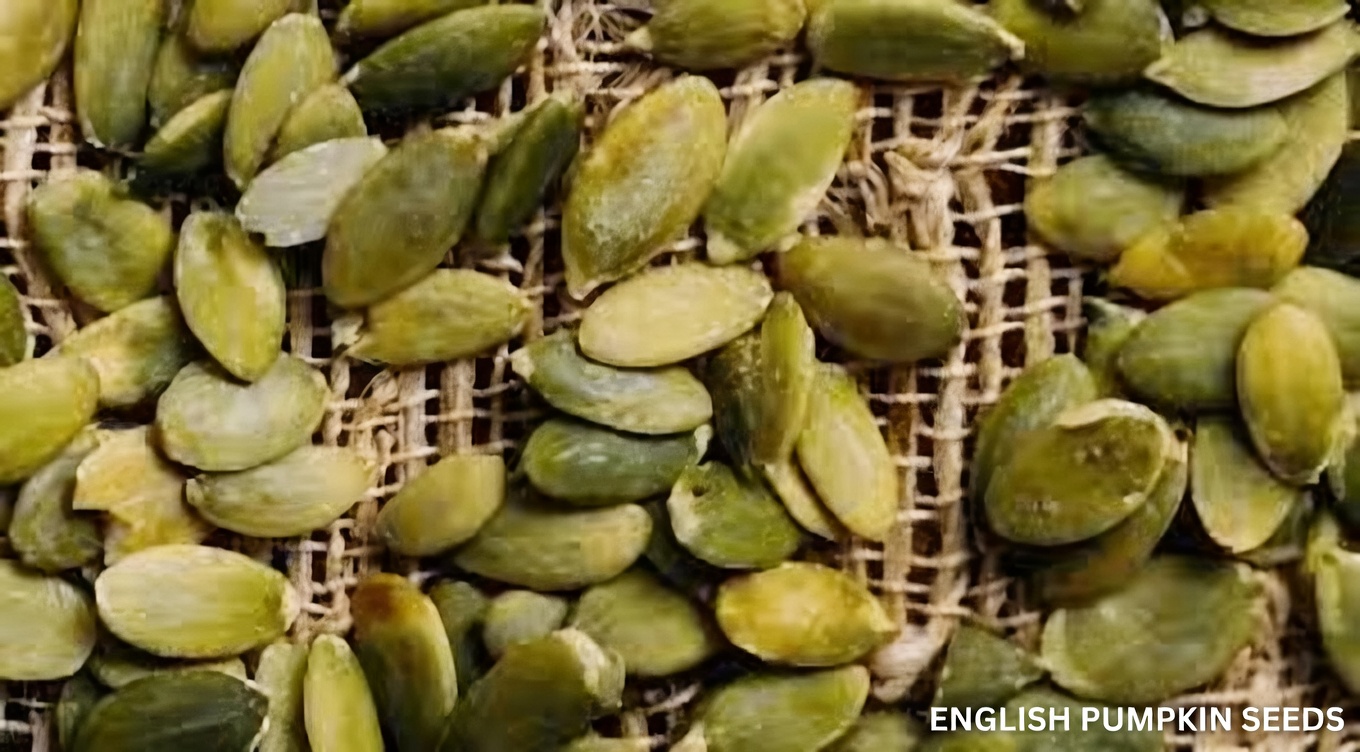
Dullness, irritation, or tired-looking skin can affect confidence more than people like to admit. Pumpkin seeds contain vitamin E and other antioxidants that research links to protecting cells from oxidative stress, a factor often associated with visible skin aging and uneven texture.
With regular use, pumpkin seeds may support a more nourished look—helping skin appear calmer and more vibrant from the inside out.
5. Support for Weight Management
Weight fluctuations can feel discouraging, especially when hunger and cravings derail good intentions. Pumpkin seeds offer a helpful mix of protein, fiber, and fats that can promote satiety—a key factor in sustainable weight management strategies studied in nutrition research.
Because they’re satisfying and nutrient-dense, pumpkin seeds may also help reduce snacking driven by low energy or poor meal balance.
6. Bone Strength and Mineral Support
Concerns about bone health often increase with age, and discomfort can limit mobility and independence. Pumpkin seeds provide magnesium and phosphorus, minerals linked in research to maintaining normal bone structure and supporting bone density.
Adding pumpkin seeds to meals is a simple way to reinforce daily mineral intake that supports your skeletal system long term.
7. Improved Digestive Health
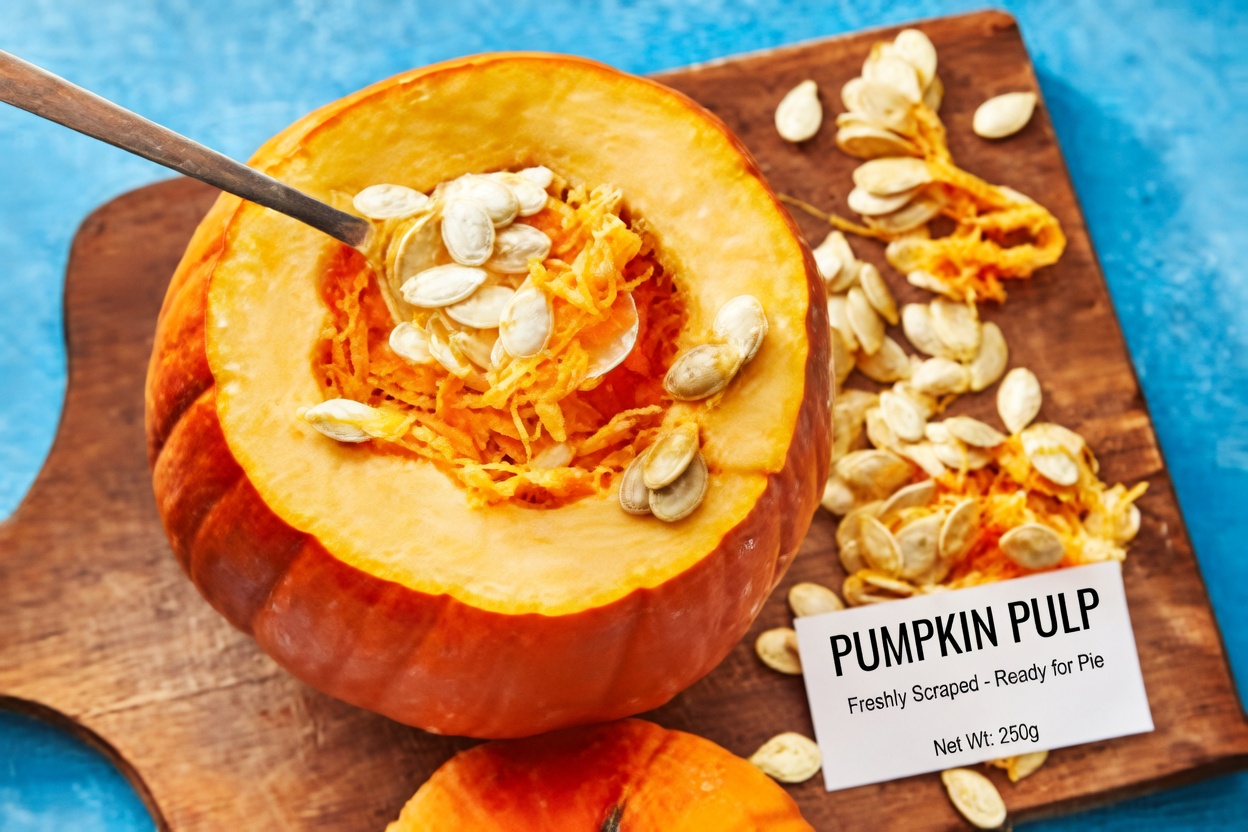
Bloating, irregularity, and digestive discomfort can disrupt your day and make meals stressful. Pumpkin seeds contain dietary fiber, which supports gut regularity and is widely recognized in research as beneficial for digestive function.
They may also contribute to a healthier gut environment by supporting a balanced microbiome—potentially reducing the frustration of inconsistent digestion.
8. Enhanced Mood and Mental Clarity
Brain fog, mood swings, and stress overload can strain work performance and relationships. Pumpkin seeds provide nutrients such as magnesium and omega-3 fatty acids (in smaller amounts compared with fatty fish, but still valuable), which research associates with brain function and emotional balance.
Some findings suggest these nutrients may support a healthier stress response—helpful if you’re dealing with mental fatigue from nonstop demands.
9. Support for Balanced Blood Sugar
Energy crashes often trace back to blood sugar ups and downs. Pumpkin seeds contain fiber and healthy fats, which research links to steadier glucose responses after meals. For people trying to avoid spikes and dips, adding pumpkin seeds to meals or snacks may help create a more stable energy curve.
Animal research also suggests pumpkin seeds may support insulin sensitivity, adding to their potential value for metabolic wellness.
10. Prostate Health Support (For Men)
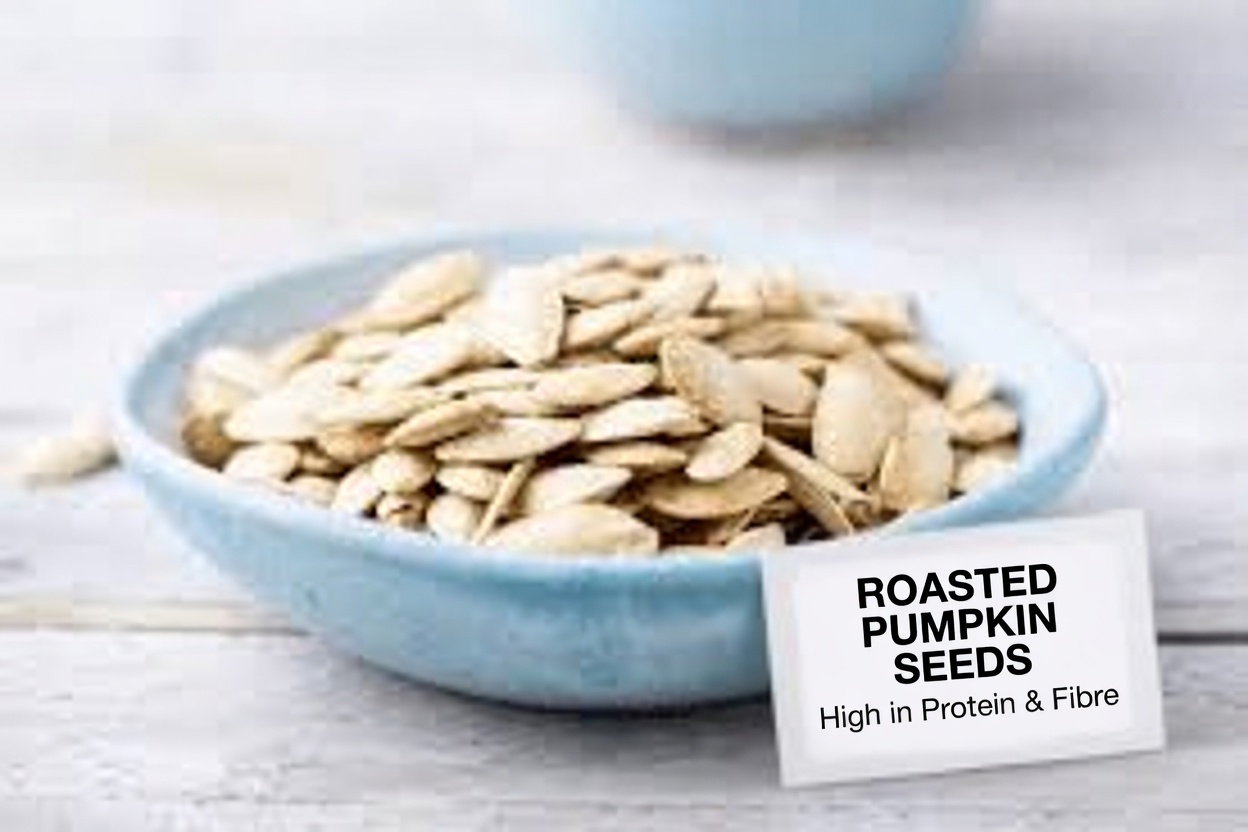
Prostate discomfort and urinary changes can be concerning and disruptive. Pumpkin seeds are well known for their zinc content, and research indicates they may support normal prostate function as part of a balanced diet.
Some studies also point to potential links with reduced risk factors, making pumpkin seeds a proactive, food-based choice for men who want to support long-term prostate wellness.
Raw vs. Roasted Pumpkin Seeds: Which Is Better?
Both options can fit a healthy routine. The best choice depends on taste preferences, digestion, and how you plan to use them.
| Aspect | Raw Pumpkin Seeds | Roasted Pumpkin Seeds |
|---|---|---|
| Nutrient retention | Often higher in heat-sensitive components (such as some forms of vitamin E) and natural enzymes | Slightly reduced for heat-sensitive nutrients, but still highly nutritious |
| Taste and texture | Mild flavor, chewy; may contain more phytic acid that can affect mineral absorption for some | Crunchier and more flavorful; roasting may improve magnesium bioavailability |
| Calories per serving | Roughly 150 calories per ounce | Similar calories, but added oils or sugar can increase totals |
| Best uses | Smoothies, baking, or mixing into oats to preserve delicate nutrients | Easy snacking, topping salads, soups, and yogurt |
Actionable Tips to Eat Pumpkin Seeds Every Day
If you want consistent results, start small and build a routine you can maintain:
- Begin with 1–2 tablespoons in the morning as a snack to help reduce mid-day energy dips.
- Top lunch foods (salads, soups, yogurt) with roasted pumpkin seeds to add crunch and protein.
- Blend raw pumpkin seeds into smoothies or stir into oatmeal for steady fuel.
- Bake with them in muffins, granola, or homemade energy bars for a more satisfying treat.
- Track your results for 30 days, noting changes in energy, sleep quality, digestion, cravings, and overall mood.
Final Takeaway: Small Habit, Wide Benefits
The health benefits of pumpkin seeds are rooted in their unique mix of minerals, antioxidants, fiber, and healthy fats. Whether your goal is better sleep, more stable energy, immune support, heart wellness, or improved digestion, adding pumpkin seeds consistently can be a simple, science-informed upgrade to your daily nutrition.