Cold Feet, Tingling Toes, and Heavy Legs: A Common Frustration
If your toes feel like ice even under two blankets, “relaxing at home” can start to feel anything but relaxing. For many people, that prickly pins-and-needles sensation creeps up the calves after meals, and standing up becomes a cautious moment—hoping your legs won’t feel weak or unsteady. Over time, these circulation-related annoyances can limit independence, disrupt sleep, and add stress to everyday routines.
A surprisingly simple option many people explore is beetroot juice for circulation support—an easy-to-find grocery item that’s often added to daily habits for warmer feet and better comfort.
Understanding Circulation Changes in Later Years
As we get older, it’s common to notice cold feet even in warm weather, along with leg heaviness or discomfort when walking or standing. These changes can also show up at night, interrupting rest and making it harder to feel energized during the day.
One reason beetroot juice gets attention is its high level of dietary nitrates. Research discussed in sources such as the American Journal of Physiology suggests that dietary nitrates may support blood vessel function. In the body, these nitrates can convert into nitric oxide, a compound associated with artery relaxation and improved blood flow—which may help reduce that persistent “chilled extremities” feeling.
Ignoring early signs can sometimes lead to added discomfort, including ankle swelling that worsens by evening, making shoes feel tight and movement less enjoyable. A gentle, food-based approach like beetroot juice is one option people consider as part of a broader circulation-friendly lifestyle.

When Poor Leg Circulation “Sneaks Up” After 65
For many adults, leg circulation issues don’t arrive suddenly—they build gradually. What begins as mild tingling in the toes can progress into numbness, making simple activities (gardening, errands, long family gatherings) more frustrating than they used to be. Others experience nighttime leg cramps that jolt them awake and steal restorative sleep.
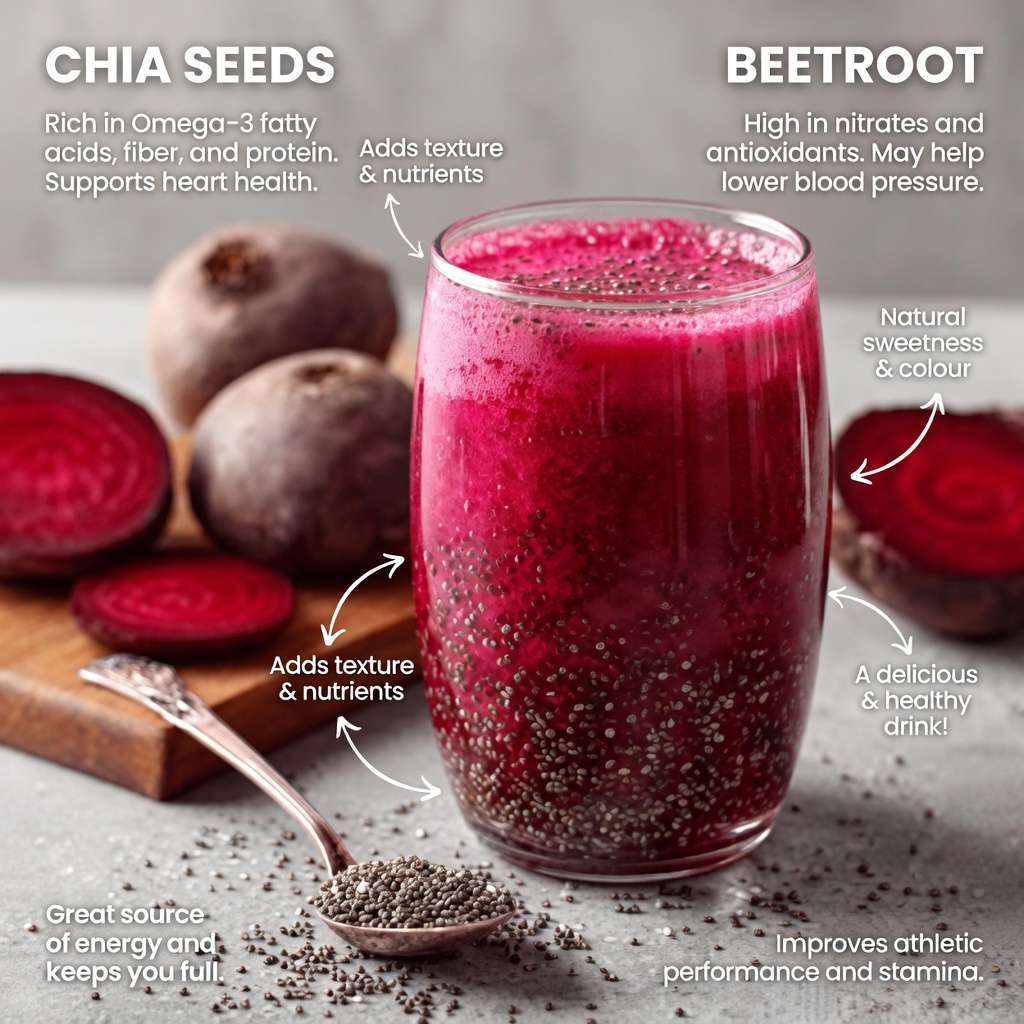
Beetroot juice also contains potassium and magnesium, minerals often linked in general nutrition research to muscle function and cramp support. In addition, the deep red color of beets comes from betalains (including pigments often discussed for antioxidant benefits), which are studied for their role in overall vascular support.
Why Beetroot Juice Is Considered a Natural Option for Circulation Support
Beetroot juice is especially well known for being a concentrated nitrate source. After you drink it, your body may convert those nitrates into nitric oxide, which is associated with blood vessel dilation. That process is one reason people connect beetroot juice with:
- Less “heavy leg” fatigue during short walks
- A warmer feeling in the feet and toes
- Better comfort during standing and daily movement
Studies referenced by journals such as the Journal of Applied Physiology have reported increases in peripheral blood flow following beetroot juice intake. Still, it’s important to keep expectations realistic—this isn’t a “miracle cure,” but rather a simple nutrition-based strategy many find practical because it’s accessible and typically well tolerated.
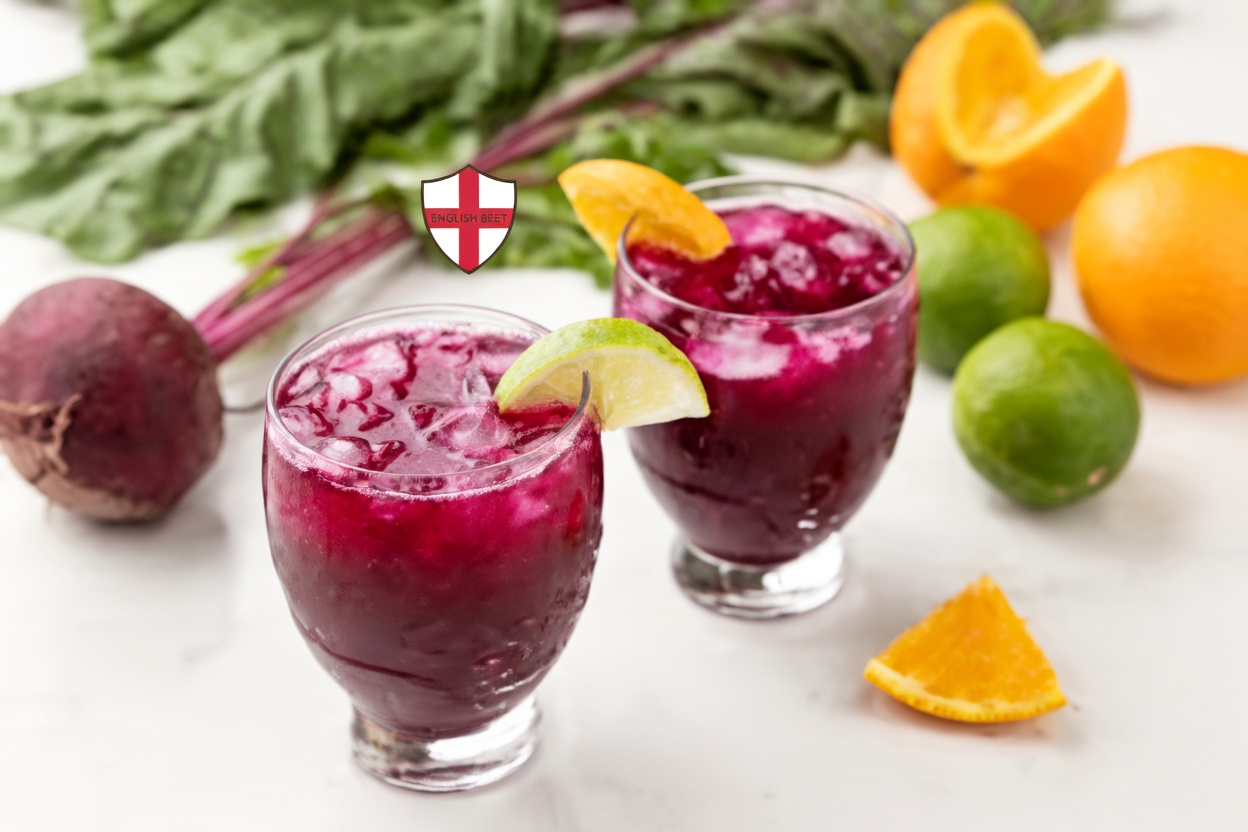
More Than Nitrates: Pigments, Antioxidants, and Whole-Food Support
Beetroot juice isn’t only about nitrates. Its natural compounds are also discussed for related concerns that often travel with circulation discomfort:
- Puffy ankles and deep sock marks: Beet pigments and antioxidants are commonly studied for their role in supporting healthy fluid balance and vascular function. Some people report their ankles feel less tight earlier in the day.
- Afternoon brain fog: Nitric oxide pathways are also researched in connection with brain blood flow, and some people associate beetroot juice with clearer afternoon focus—especially when fatigue feels tied to poor circulation.
- General “leg betrayal” moments: When standing quickly makes legs feel unsteady, improving overall circulation support can be a helpful piece of the bigger picture.
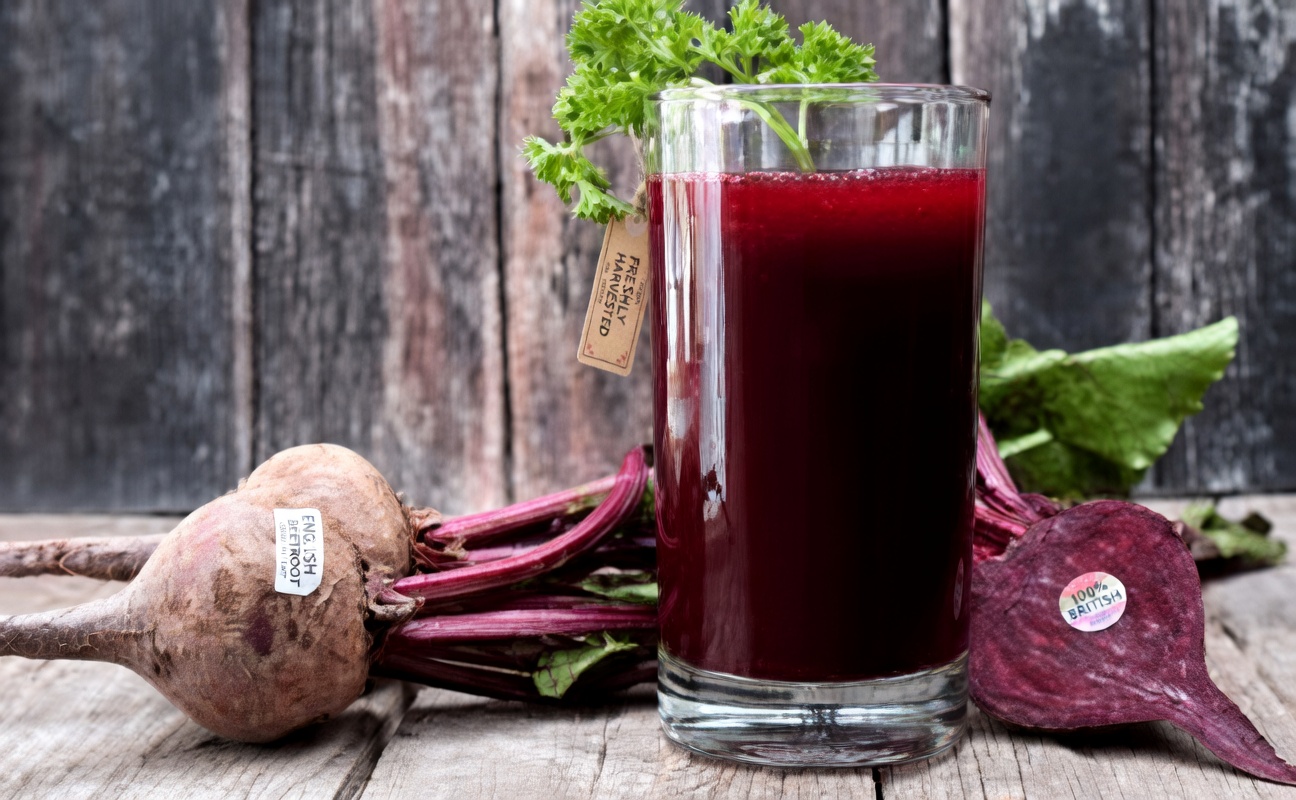
Potential Benefits People Notice After Adding Beetroot Juice
Experiences vary, but commonly reported improvements include:
- Warmer feet faster, even at night when cold toes usually ruin sleep
- Easier walks, with less heavy-legged exhaustion
- Fewer nighttime leg cramps, supported by minerals like potassium and magnesium
- Less ankle puffiness earlier in the day, reducing evening throbbing discomfort
- Improved toe sensation, as peripheral circulation support increases comfort and confidence
- Better afternoon focus, when nitric oxide pathways support brain perfusion in some studies
- More comfort in colder months, without piling on extra blankets
- Stairs feeling more manageable, as muscles may receive oxygen more efficiently
Ultimately, many people aim for the same outcome: more freedom to move—whether that’s enjoying a longer walk, standing in the kitchen without discomfort, or staying active at social events without leg pain holding them back.
Beetroot Juice vs. Common Circulation Supplements
| Aspect | Beetroot Juice | Typical Supplements |
|---|---|---|
| Source | Whole vegetable-based drink | Often synthetic or extracted ingredients |
| Key compound | Dietary nitrates | Varies (isolated nitrates, herbs, blends) |
| How quickly it may act | Often within hours for some people | May take days or weeks depending on product |
| Extra nutrients | Naturally includes potassium, magnesium, antioxidants | Frequently focused on one or two ingredients |
| Cost | Usually affordable and widely available | Can be more expensive |
| Side effects | Minimal for most (may stain urine/stool pink-red) | More variable; interactions possible |
| Research consistency | Strong interest in blood flow and nitric oxide pathways | Evidence varies widely by supplement |
This comparison helps explain why beetroot juice for cold feet and tingling toes has become a popular, practical choice for many.
A Simple Daily Protocol for Trying Beetroot Juice
If you want to experiment with beetroot juice safely and gently, consider this approach:
- Start small: Begin with 1/2 cup (about 120 ml) in the morning.
- Increase gradually: Move toward 1 cup (about 240 ml) over about a week if you tolerate it well.
- Choose clean options: Pick no-sugar-added beetroot juice, or make it fresh at home.
- DIY basic recipe:
- Wash and scrub 2 medium beets
- Add 1 apple and a bit of lemon for a smoother flavor
- Blend, then strain if you prefer it thinner
- Timing tip: Many people sip it on an empty stomach for easier absorption.
- Hydrate: Drink extra water during the day, especially if you feel it has a “clearing” effect.
Easy ways to make it more enjoyable:
- Add a small amount of ginger for warmth and comfort
- Freeze into ice cubes and drop into sparkling water for an afternoon boost
- Try fermented beet kvass if you also want probiotic support
- Some people add a pinch of black pepper for a stronger flavor and to complement absorption-focused routines

Safety Notes: Blood Sugar, Blood Pressure, and Medications
Beetroot juice is generally considered low glycemic, so many people with diabetes don’t see dramatic blood sugar spikes—though responses differ, and monitoring is still wise.
Because beetroot juice may support nitric oxide production, it can gently lower blood pressure in some individuals. That can be helpful for certain people, but it also means you should speak with a qualified clinician if you:
- Take blood pressure medication
- Use heart-related medications (especially those affecting nitric oxide pathways)
- Feel lightheaded easily or have a history of low blood pressure
- Have kidney concerns or have been advised to limit certain compounds (beets can be higher in oxalates for some diets)
Also note: beetroot can cause harmless pink/red urine or stool (“beeturia”), which can be surprising if you aren’t expecting it.
Beetroot juice can be a simple, natural addition to a circulation-support routine—but it works best as part of a broader plan that includes movement, hydration, and medical guidance when needed.