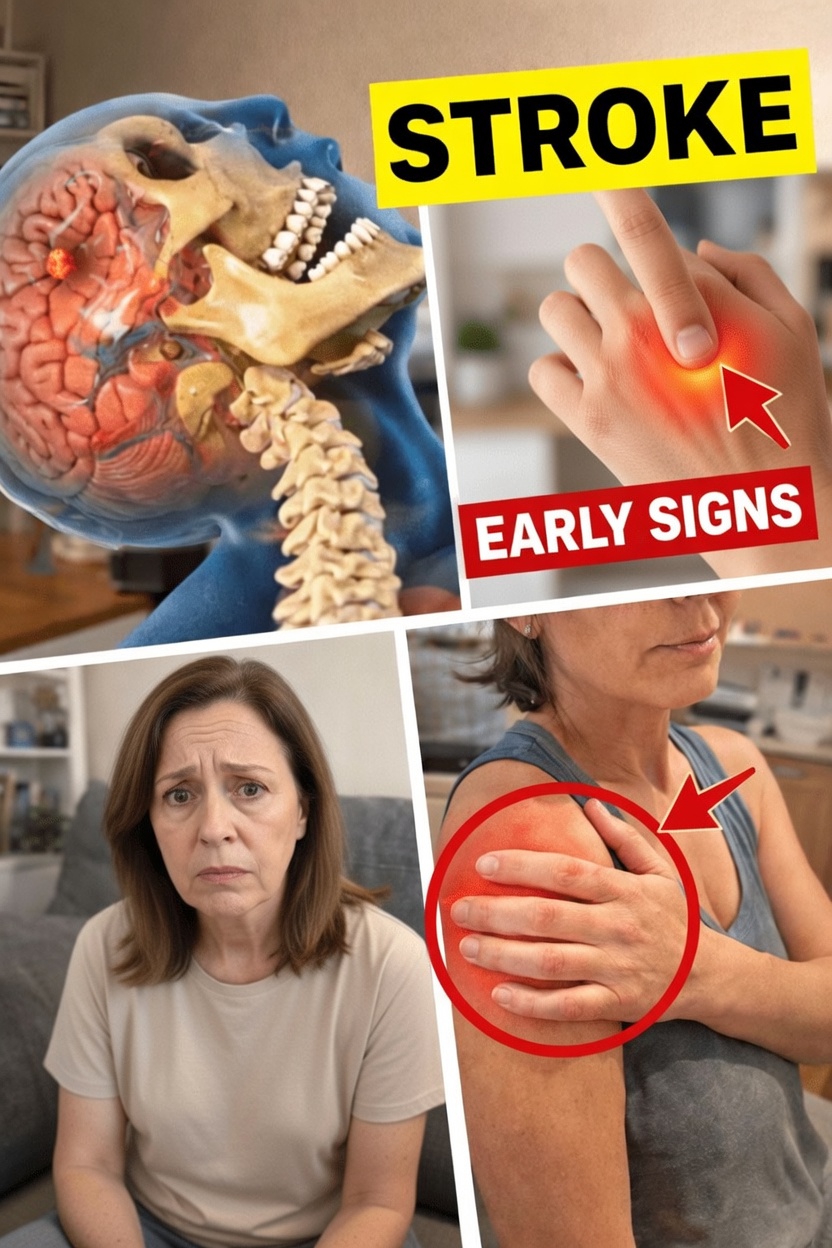
Every year, stroke affects millions of people worldwide, often altering daily life within moments. Families are suddenly faced with concerns about movement, speech, memory, and long-term independence. Because symptoms can appear so abruptly, a stroke often feels completely unexpected. However, in some cases, the body may show subtle warning signs days or even weeks before a serious event occurs.
Recognizing those early changes may give you a chance to seek medical care sooner. In this article, you’ll learn about eight possible stroke warning signs that may appear up to a month in advance, along with nine practical lifestyle habits that support heart and brain health. The final tip is especially simple, yet many people underestimate how helpful it can be.
Understanding Stroke and Why Early Awareness Is Important
A stroke occurs when blood flow to part of the brain is blocked or when a blood vessel in the brain ruptures. Health authorities such as the American Heart Association and the CDC report that many stroke cases are associated with preventable factors, including high blood pressure, smoking, poor diet, and inactivity.
The positive news is that paying attention to subtle changes in the body may help people get evaluated before a more serious emergency develops.
One challenge is that early warning signs do not always feel dramatic. They may be brief, mild, or inconsistent, which makes them easy to dismiss as stress, fatigue, or normal aging.
8 Stroke Warning Signs That May Show Up Weeks Earlier
Medical professionals note that transient ischemic attacks (TIAs), often called mini-strokes, or reduced circulation to the brain can sometimes produce symptoms before a major stroke. Below are eight possible signs to watch for.
Important: These signs do not confirm a diagnosis. Any sudden neurological symptom should be treated as a medical emergency.
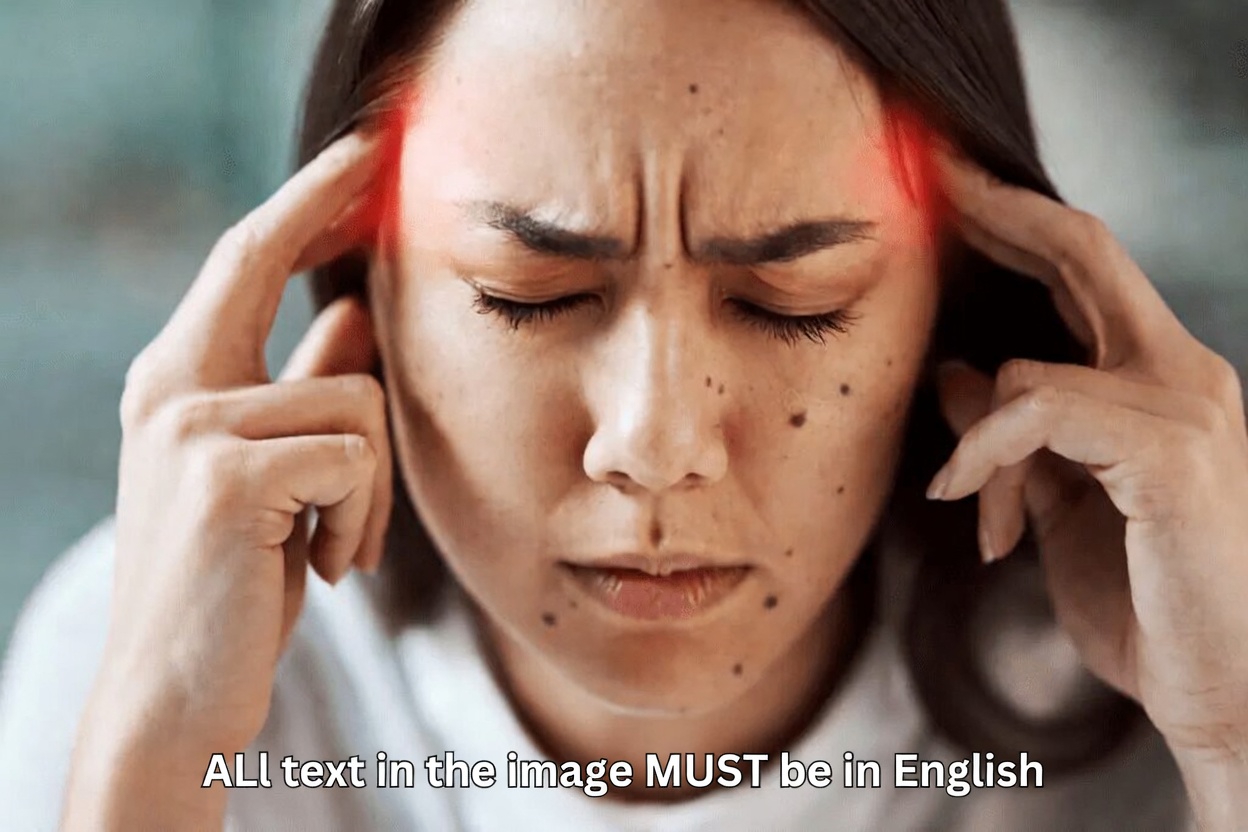
1. Ongoing or Unusual Headaches
If you begin having headaches that feel different from your typical pattern—stronger, more frequent, or accompanied by nausea—it may be worth paying attention. Some studies suggest that unusual headaches can occur in the days or weeks before a stroke.
2. Sudden Changes in Vision
Blurred vision, double vision, or temporary loss of sight in one eye may happen when blood flow is disrupted. If your vision seems to shift in and out unexpectedly, do not ignore it.
3. Temporary Numbness or Weakness on One Side
A tingling sensation, heaviness, or weakness affecting one arm, leg, foot, or even the shoulder can be an important clue. When symptoms affect only one side of the body, they may be related to circulation or brain signaling problems.
4. Facial Drooping or Uneven Expression
A slight sagging on one side of the face is one of the most recognized warning signs of stroke. It may only be noticeable when smiling or speaking, but even mild asymmetry deserves immediate attention.
5. Slurred Speech or Brief Confusion
Difficulty speaking clearly, trouble finding words, or sudden confusion can come and go before a larger event. Sometimes other people notice that your speech sounds unusual before you do.
6. Dizziness or Trouble With Balance
Feeling lightheaded, unsteady, or as if the room is spinning for no obvious reason may reflect changes in blood flow to the brain. Repeated episodes should not be brushed aside as “just dizziness.”
7. Unusual Fatigue or Sudden Exhaustion
Extreme tiredness that does not match your activity level or sleep habits can sometimes be linked to vascular strain. Research has connected this type of unexplained fatigue with the period leading up to some strokes.
8. Shortness of Breath or Chest Discomfort
In some individuals—particularly women—shortness of breath or brief chest pressure may occur along with other warning signs. These symptoms are not always caused by a heart problem, but they should still be evaluated promptly.
Why These Symptoms Should Never Be Ignored
The difficulty with early stroke symptoms is that they can resemble other health issues. A headache may seem like stress. Dizziness may feel like dehydration. Fatigue might be blamed on poor sleep. That is exactly why awareness matters so much.
When symptoms are sudden, unusual, or recurring, it is always safer to seek medical advice rather than wait.
What to Do If You Notice These Signs
The most important step is to respond quickly without delaying care. Use the FAST test:
- F – Face drooping
- A – Arm weakness
- S – Speech difficulty
- T – Time to call 911
Even if the symptoms disappear after a few minutes, contact a doctor immediately. Organizations such as the National Institute of Neurological Disorders and Stroke emphasize that rapid assessment can significantly affect outcomes.
Quick Action Checklist
- Write down when the symptoms started
- Note how long they lasted
- Record anything that may have triggered them, such as stress or physical activity
- Tell a family member or close friend so they can also watch for changes
- Seek emergency care right away if symptoms are sudden or severe

9 Lifestyle Habits That May Lower Stroke Risk and Support Brain Health
According to the American Heart Association, as many as 80% of strokes are linked to risk factors that can be improved. These habits are not about perfection or instant results. Instead, they are realistic changes that research consistently associates with better vascular health.
1. Keep Blood Pressure Under Control
High blood pressure is the leading modifiable stroke risk factor. Check your blood pressure regularly, follow medical advice, and aim for the target range recommended by your healthcare provider.
2. Eat More Heart-Healthy Foods
Focus on a diet rich in:
- Fruits
- Vegetables
- Whole grains
- Lean protein
- Healthy fats
A Mediterranean-style eating pattern is often recommended. Reducing processed foods and excess sodium may also help protect blood vessels.
3. Stay Physically Active
Try to get at least 150 minutes of moderate exercise per week. Good options include:
- Brisk walking
- Cycling
- Swimming
- Light aerobic exercise
Even short daily activity sessions can improve circulation over time.
4. Work Toward a Healthy Weight
Excess body weight, especially around the waist, can increase strain on the cardiovascular system. A gradual, sustainable approach is more effective than extreme dieting.
5. Stop Smoking and Avoid Secondhand Smoke
Smoking damages blood vessels and sharply increases stroke risk. If you smoke, quitting is one of the most powerful steps you can take for both heart and brain health.
6. Limit Alcohol Intake
Drinking too much alcohol can quickly raise blood pressure. General guidance often suggests:
- Women: no more than one drink per day
- Men: no more than two drinks per day
Some individuals may need even lower limits based on medical advice.
7. Monitor Blood Sugar and Cholesterol
Routine screenings can help identify problems early. If cholesterol or blood sugar levels are too high, treatment may include:
- Diet changes
- Regular exercise
- Prescribed medication
Managing these numbers can help keep arteries healthier.
8. Make Sleep a Priority
Aim for 7 to 9 hours of sleep each night. Inadequate sleep is linked to higher blood pressure, inflammation, and poor cardiovascular health. A regular bedtime routine can make a meaningful difference.
9. Practice Stress Management
Long-term stress can affect blood vessels and overall health. Simple habits may help reduce strain, including:
- Deep breathing exercises
- Walking outdoors
- Meditation or mindfulness
- Talking with supportive friends or family
This advice may sound basic, but research suggests that stress management can play an important role in improving vascular resilience.
Small Changes Still Matter
You do not need to master all nine habits at once. Start with one or two realistic goals and build from there. Consistency often matters more than intensity, and small improvements can add up over time.
Bringing It All Together: Awareness and Action
Noticing possible stroke warning signs in advance is not about becoming fearful. It is about staying informed and taking symptoms seriously. When early awareness is combined with healthy daily habits, you give yourself a better chance to protect your brain and overall cardiovascular health.
Frequently Asked Questions
Can stroke warning signs really appear a month before the event?
Yes. Some people report subtle symptoms such as headaches, numbness, dizziness, or brief speech changes in the weeks leading up to a stroke. These may be related to temporary disruptions in blood flow. Still, every case is different, so prompt medical evaluation is essential.
How are these warning signs different from a full stroke?
Early symptoms may be short-lived and may disappear quickly, as can happen with a TIA. A full stroke usually causes symptoms that last longer or get worse over time. Both require urgent medical attention.
How often should blood pressure be checked at home?
For healthy adults, many experts recommend checking it once or twice a week. If you already have high blood pressure or other risk factors, daily monitoring may be advised. Always discuss the best schedule with your doctor.
Important Disclaimer
This article is intended for informational and educational purposes only. It is not designed to diagnose, treat, cure, or prevent any medical condition. The information is based on general health guidance from respected sources, including the CDC and the American Heart Association. Always consult a qualified healthcare professional for advice specific to your personal health situation. If you experience sudden symptoms such as weakness, facial drooping, vision changes, or speech difficulty, seek emergency medical care immediately.