
Living With Amlodipine After 50: Why Side-Effect Awareness Helps
Many adults over 50 take amlodipine to control high blood pressure and still notice subtle changes over time—shoes that feel snug by evening, new puffiness around the ankles, or fatigue that shows up even on otherwise “good” days. These shifts can make walking less comfortable, disrupt routines, and add emotional strain when you’re doing everything “right” but don’t feel like yourself.
Learning to recognize patterns that may be related to amlodipine side effects can help you speak more clearly with your healthcare provider and improve day-to-day comfort. The most practical habit that connects many of these symptoms is shared near the end—so keep reading.

Why Knowing Common Amlodipine Side Effects Matters
As we age, it’s easy to assume new aches, swelling, or low energy are simply part of getting older. However, research and patient reports suggest that some changes people label as “normal aging” may be linked to side effects of amlodipine, especially in the first weeks or during long-term use.
One well-known issue is fluid retention, which can gradually affect mobility, confidence, and clothing fit. When you understand what to watch for, you can track simple trends, avoid unnecessary worry, and bring clearer information to your next appointment.
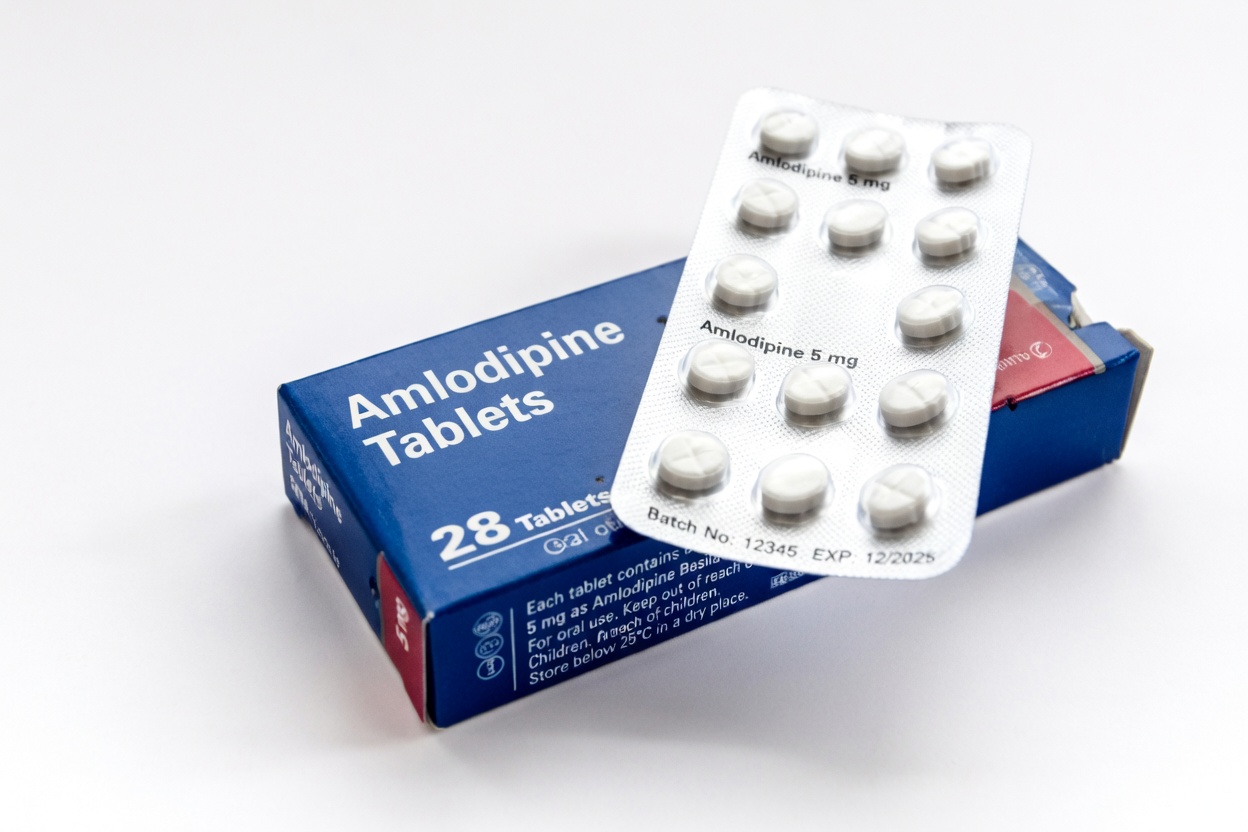
10 Common Amlodipine Side Effects to Watch For
Below are 10 symptoms some people experience while taking amlodipine. Not everyone will have these, and many are manageable—yet it helps to recognize them early.
1) Ankle and Foot Swelling (Edema)
A classic sign is footwear that feels tighter by day’s end, along with visible sock marks. Because amlodipine relaxes blood vessels, fluid may collect in the lower legs in some individuals. Consider rating swelling daily (for example, 1–10) to make patterns easier to describe to your clinician.

2) Dizziness When Standing Up
Brief lightheadedness—especially after rising quickly—can happen as your body adjusts to blood pressure changes. Move from sitting to standing more slowly and note how often it occurs, what time of day it happens, and whether it affects balance.
3) Ongoing Fatigue or “Brain Fog”
Some people report reduced energy, sluggishness, or slower thinking even after a full night’s sleep. This can interfere with work, errands, and social life. Track whether fatigue improves with hydration, regular meals, and consistent sleep.
4) Gum Changes or Overgrowth
Amlodipine may affect gum tissue in certain individuals, leading to thicker-looking gums or easier bleeding during brushing. Good oral hygiene and routine dental checkups are especially important if you notice changes.
5) Shortness of Breath During Light Activity
Feeling more winded on stairs or during gentle exercise can be concerning, particularly for those with existing heart or lung conditions. If breathlessness is new or increasing, record when it occurs and how intense it feels, then discuss it promptly with your healthcare provider.
Quick Self-Check: Make This Personal
Use these questions to connect the information to your own experience:
- Which symptoms (if any) sound familiar so far?
- Which possible amlodipine side effect worries you most?
- Rate your current comfort level from 1–10.
- Are symptoms stable, improving, or gradually worsening?
This pause can help you notice patterns rather than isolated “bad days.”

6) Sudden Swelling of the Face, Lips, or Throat (Emergency)
Although uncommon, swelling around the face, lips, tongue, or throat can indicate a serious allergic-type reaction and requires immediate medical attention. Seek urgent care right away if you suspect this.
7) Slower Heart Rate (Especially With Other Medications)
Some people notice a lower-than-usual pulse, weakness, or feeling faint—particularly when amlodipine is taken alongside other heart or blood-pressure medicines. A simple daily pulse check can help identify a trend worth discussing.
8) Weight Changes Related to Fluid Retention
A steady increase on the scale without changes in food intake, along with ring tightness or puffiness, may suggest fluid retention. Weighing yourself at the same time each day (for example, morning after using the bathroom) can reveal meaningful patterns.
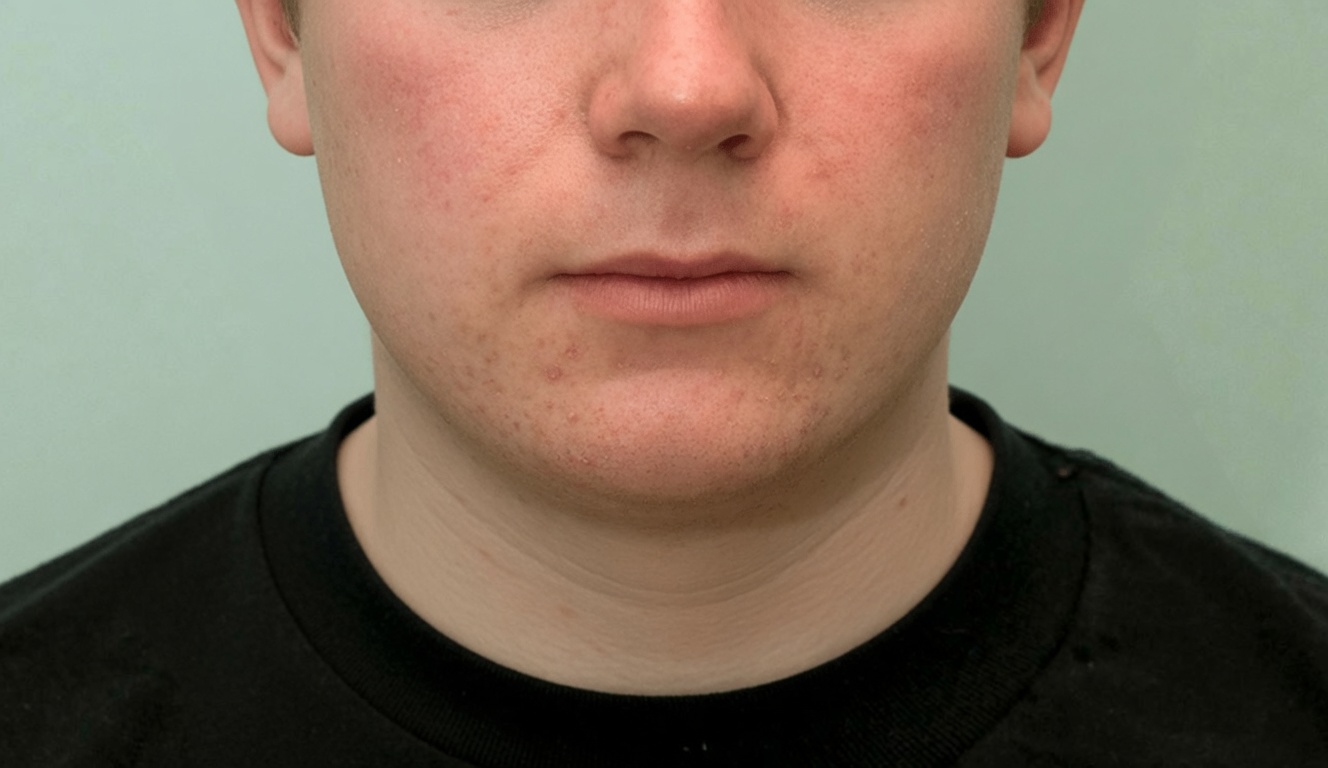
9) Facial Flushing or Warmth
Warmth and redness in the face or neck can appear, especially early in treatment, as blood vessels relax. Note triggers such as heat, alcohol, spicy foods, or stress, and track how long the flushing lasts.
10) Occasional Heart Palpitations
Some people become more aware of their heartbeat—brief racing, fluttering, or “skipped beats”—during the adjustment period. Rest, monitor frequency, and report palpitations that are persistent, worsening, or accompanied by chest pain or fainting.

Simple, Practical Ways to Monitor Amlodipine Side Effects
You don’t need complex tools to track symptoms. Start with one small habit and build from there.
Easy steps you can begin today
- Daily weight check: same time each morning, record any sudden changes.
- Daily pulse check: at a consistent time using a watch, blood pressure monitor, or phone app.
- Leg elevation: if swelling appears, elevate legs for 15 minutes in the evening.
- Steady hydration + mindful salt: drink water throughout the day and limit extra salt when possible.
Quick monitoring checklist
- Weight and pulse log
- Notes on new swelling, flushing, dizziness, fatigue, or palpitations
- Regular blood pressure and dental reviews
- A short symptom journal to bring to medical appointments
Common Experiences and Supportive Steps (At-a-Glance)
| Common experience | Possible link to amlodipine side effects | Gentle step to try | When to contact your doctor |
|---|---|---|---|
| Ankle/foot swelling | Fluid retention | Leg elevation, reduce extra salt | Sudden swelling, one-sided swelling, or rapid worsening |
| Dizziness | Blood pressure adjustment | Rise slowly, stay hydrated | If it leads to falls or near-fainting |
| Fatigue/mental fog | Circulation changes or adaptation | Regular meals, consistent sleep, hydration | If it disrupts daily function or worsens |
| Gum changes | Tissue response in the mouth | Gentle brushing, flossing, dental check | Bleeding, pain, or significant overgrowth |
Frequently Asked Questions About Amlodipine Side Effects
What side effects are reported most often with amlodipine?
Many people most commonly mention ankle swelling, dizziness, and fatigue, though experiences vary widely.
How can I track amlodipine side effects at home?
Keep a simple daily record of weight, pulse, and any notable symptoms. Bring the log to your next appointment to support a clearer conversation.
When should I talk to my doctor?
Reach out any time symptoms feel concerning, new, or disruptive. Seek urgent care immediately for face/lip/throat swelling or severe symptoms.
The One Daily Habit That Ties Many Symptoms Together
If you choose just one practical habit, make it this: a simple daily check-in log (weight + pulse + one-line symptom note). This single routine can reveal fluid trends, heart-rate changes, and patterns in dizziness or fatigue—making it easier for your clinician to decide whether to adjust dose, timing, or related medications.
Small, consistent actions—like morning weighing or evening leg elevation—can meaningfully improve comfort while you continue managing blood pressure.
Medical Disclaimer
This article is for informational purposes only and does not replace professional medical advice. Always consult your healthcare provider about symptoms, concerns, or before making any changes to your medication.