Smart Protein Choices for Kidney Health: What to Eat More Often and What to Limit
If you are living with kidney issues, you have probably been told to keep an eye on your protein intake. That advice can feel confusing, especially because protein is essential for repairing tissue, preserving strength, supporting energy, and maintaining overall wellness. At the same time, when kidney function declines, breaking down protein can place extra strain on the body’s filtering system.
The challenge is that protein is not one-size-fits-all. Different sources affect the kidneys differently, and the amount you eat matters just as much as the type. Some proteins may fit well into a kidney-friendly eating pattern, while others can become harder on the body when eaten too often or in large portions.
Understanding how to choose protein more wisely can make daily meals much easier to manage. Below, you’ll find practical protein options that are commonly considered better choices for people with kidney concerns, along with foods that may need more caution. The goal is not deprivation—it is making smarter, more sustainable decisions.
Why Protein Selection Matters for Kidney Health
Your kidneys help clear out waste created when protein is digested and metabolized. When kidney function is reduced, those waste products may build up more easily, which is why both protein quality and quantity become important.
Leading organizations such as the National Kidney Foundation note that the source of protein can influence how the body handles related nutrients and byproducts, including phosphorus, sodium, and acid load. In many cases, plant-based proteins may produce less metabolic stress than some animal-based choices, which is one reason they are often discussed in kidney nutrition plans.
A key point many people overlook is this: supporting kidney health does not usually mean removing protein completely. In most cases, the focus is on balance, portion control, and choosing better-quality sources.
4 Protein Sources Often Viewed as More Kidney-Friendly
These foods are often recommended because they provide valuable protein while being easier to manage in a kidney-conscious diet when portions are kept appropriate.
1. Egg Whites
Egg whites are one of the most commonly suggested protein options for kidney-friendly meal planning. They provide complete, high-quality protein and are naturally lower in phosphorus than whole eggs.
They are also easy to use in everyday meals. You can scramble them, fold them into an omelet with kidney-friendly vegetables, or add them to baked dishes. One large egg white contains roughly 3 to 4 grams of protein, making it simple to control serving size.
2. Fish, Especially Fatty Fish Like Salmon or Mackerel
Fish supplies high-quality protein and also contains omega-3 fatty acids, which are often associated with heart health. This is especially meaningful because heart and kidney health are closely connected.
Compared with red meat, fish may be a lighter option in many kidney-conscious eating plans. Fresh fish prepared by baking, grilling, or steaming is usually a better choice than heavily seasoned or breaded versions. A 3-ounce serving a few times per week can work well for many people. Sardines may also fit in some cases, though sodium should still be monitored.

3. Skinless Chicken Breast in Moderate Portions
Lean poultry, such as skinless chicken breast, offers essential amino acids with less saturated fat than many cuts of red meat. It is also practical to portion and prepare without adding excess sodium.
Many kidney nutrition guides include white-meat poultry as part of a balanced meal plan. A cooked 3-ounce portion gives a solid amount of protein while still leaving room on the plate for vegetables and other supportive foods.
4. Plant-Based Proteins in Controlled Amounts
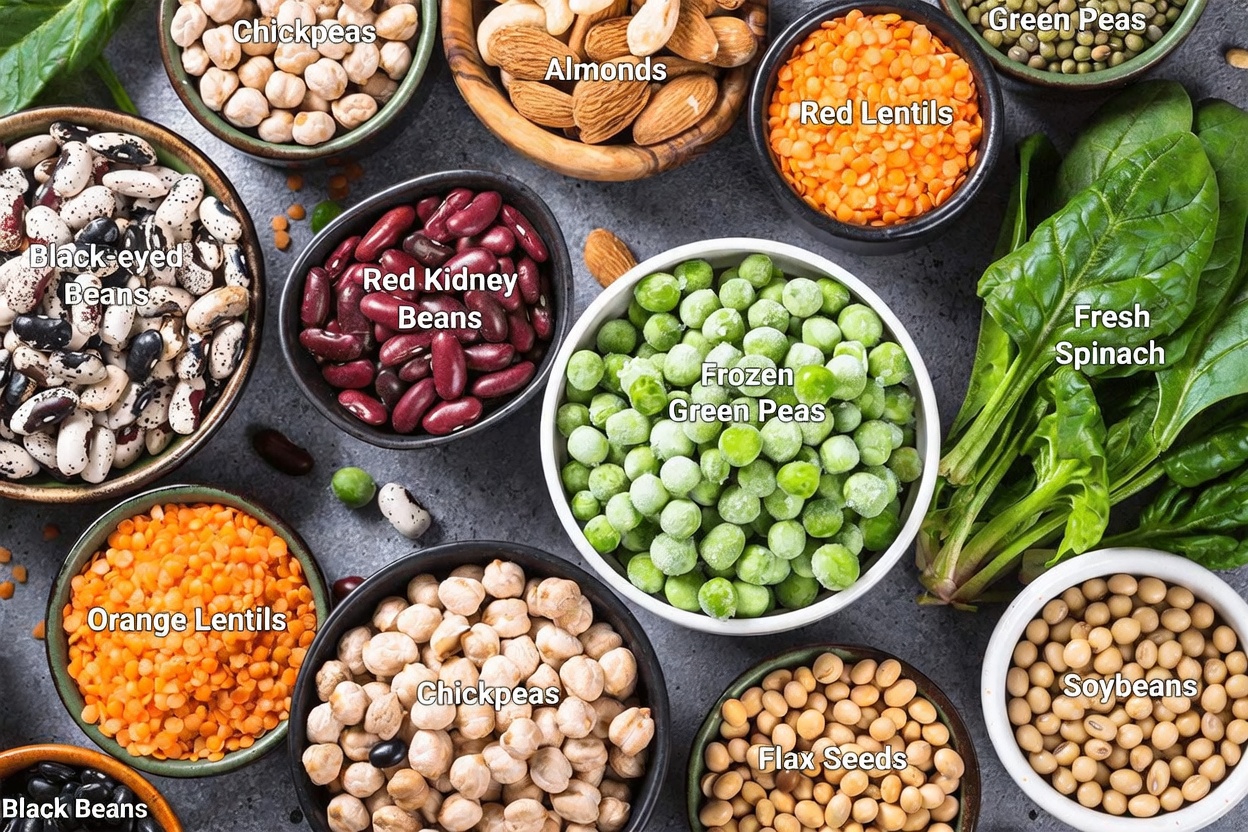
Tofu, lentils, and beans can be useful protein choices because they also provide fiber, antioxidants, and other beneficial nutrients. Some research suggests that plant proteins may create a lower acid load and fewer waste products than certain animal proteins.
Still, moderation is important. Some plant foods contain notable amounts of potassium or phosphorus, so preparation and serving size matter. Rinsing canned beans can help reduce sodium, and low-sodium tofu is often a better option. Many people do well starting with smaller servings and pairing them with lower-potassium side dishes.
Quick Comparison of Kidney-Friendly Protein Options
Here is a simple overview of these commonly recommended choices:
- Egg whites: complete protein, very low in phosphorus, easy to digest
- Fish such as salmon: high-quality protein plus omega-3 fats, moderate mineral content
- Skinless chicken breast: lean, versatile, and easy to portion
- Tofu, lentils, and beans: plant protein with fiber and potential acid-load benefits, but mineral content should be monitored
Of course, not every protein source is equally helpful. Some foods may require more care depending on your kidney stage, lab values, and overall health needs.
6 Protein Sources You May Need to Limit
Certain protein-rich foods can come with added sodium, phosphorus, unhealthy fats, or a heavier metabolic burden. Depending on your situation, these may be foods to reduce or eat only occasionally.
1. Processed Meats
Bacon, sausage, hot dogs, and deli meats are often loaded with sodium and preservatives. Too much sodium can contribute to high blood pressure, which adds more stress to the kidneys over time. Fresh, minimally processed protein sources are usually preferred.
2. Too Much Red Meat
Beef, pork, and lamb can sometimes fit in small amounts, but frequent or oversized servings may increase protein load and certain waste byproducts. Some studies have linked higher red and processed meat intake with less favorable kidney-related outcomes in certain populations.
3. High-Phosphorus Dairy Foods
Cheese, whole milk, cream, and similar dairy products naturally contain phosphorus. When the kidneys are not balancing minerals well, phosphorus can build up in the body. Some people do better with smaller amounts or lower-phosphorus alternatives, depending on medical advice.
4. Protein Powders and Supplements Without Guidance
Protein shakes, bars, and powders may look healthy, but they often contain concentrated protein, additives, and hidden phosphorus. Without professional input, they can easily push intake beyond what is appropriate. It is best to speak with a renal dietitian before adding them to your routine.
5. Fried or Fast-Food Protein Choices
Fried chicken, burgers, breaded meats, and many convenience meals often combine too much sodium, unhealthy fat, and poor overall nutritional quality. These foods can make it harder to manage kidney-friendly eating consistently.
6. Some Types of Shellfish
Shellfish are not automatically off-limits, but certain varieties may be higher in sodium or purines. For people who are sensitive to sodium or also dealing with gout risk, these foods may need closer monitoring.
Warning Signs to Watch for in Protein Foods
No matter what type of protein you choose, look out for these common red flags:
- High added sodium
- Check labels and be cautious with products containing more than 140 mg per serving
- Added phosphorus ingredients
- Scan the ingredient list for words containing “phos”
- Heavy processing
- The more processed the product, the more likely it is to contain unwanted additives
- Frying
- Fried foods usually add extra fat and sodium
- Oversized portions
- Even healthier proteins can become too much if the serving is too large
How to Find the Right Protein Balance for You
The best kidney diet is not about eliminating protein completely. It is about choosing wisely, controlling portions, and spreading intake across the day instead of eating too much at once.
These strategies can help:
-
Work with a registered dietitian
- A professional who understands kidney health can calculate your ideal protein intake based on your kidney stage, body size, and lab results.
-
Prioritize protein quality
- Include nutrient-dense choices such as egg whites, fish, and moderate portions of lean poultry, while using plant proteins thoughtfully when they fit your plan.
-
Read labels carefully
- Pay attention to sodium, potassium, and phosphorus.
-
Cook more meals at home
- Baking, steaming, grilling, and roasting are generally better than frying.
- Rinse canned foods when possible.
- Use herbs, lemon, garlic, and spices instead of relying on salt.
-
Build balanced plates
- Many people do well with a plate that includes low-potassium vegetables, a modest serving of protein, and a whole grain if allowed in their plan.
Small changes can make a real difference over time. For example, replacing processed sausage with egg whites in a breakfast scramble is a simple swap that can reduce sodium and phosphorus while still providing protein.
A Simple Mindset Shift That Makes Healthy Eating Easier
One of the most helpful ways to approach protein for kidney health is to stop thinking in terms of restriction and start thinking in terms of replacement. Instead of focusing on what you cannot have, focus on what you can choose more often.
That might mean:
- choosing fish instead of processed deli meat
- using egg whites instead of whole eggs in some meals
- swapping fried chicken for grilled chicken breast
- adding a small serving of tofu or lentils in place of a heavier meat dish
This shift helps many people stay consistent without feeling deprived. Over time, better choices become habits rather than rules.
Final Thoughts
Eating for kidney health does not have to mean giving up satisfying meals forever. A more supportive protein plan is usually built around thoughtful choices like egg whites, fish, lean chicken, and carefully selected plant proteins, while being more cautious with processed meats, excess red meat, high-phosphorus dairy, fried foods, and unnecessary supplements.
The most important step is finding the balance that works for your body. With smart portions, better food choices, and guidance from a qualified healthcare professional, protein can still be part of a nourishing and enjoyable routine while helping support kidney health.