
A Common Kitchen Spice That May Help Support Blood Sugar After 60
If you are over 60, you may know how frustrating blood sugar swings can be. That tired, heavy feeling after lunch, the concern when readings start rising, and the constant effort to stay active and steady can make everyday eating feel stressful. Even simple meals may seem unpredictable.
The encouraging news is that support may come from something very familiar. Researchers have been studying a widely used kitchen spice for its potential to help maintain more stable blood sugar levels when used regularly with meals. The spice is easy to find, simple to use, and may fit naturally into your daily routine.
Why Blood Sugar Often Becomes Harder to Manage With Age
As the body gets older, it usually becomes less efficient at processing glucose. Insulin sensitivity may decline, and foods that once caused little concern can begin triggering bigger changes in blood sugar. On top of that, stress, reduced physical activity, and some medications can make balance even more difficult.
Still, there is good news. Small and steady changes in your eating habits can make a meaningful difference over time. You do not need a complete lifestyle overhaul to support better daily control.
Some everyday foods and spices contain natural compounds that may help the body handle sugar more effectively. One of the most promising options may already be sitting in your pantry.
The Spice Researchers Are Watching Closely: Ceylon Cinnamon
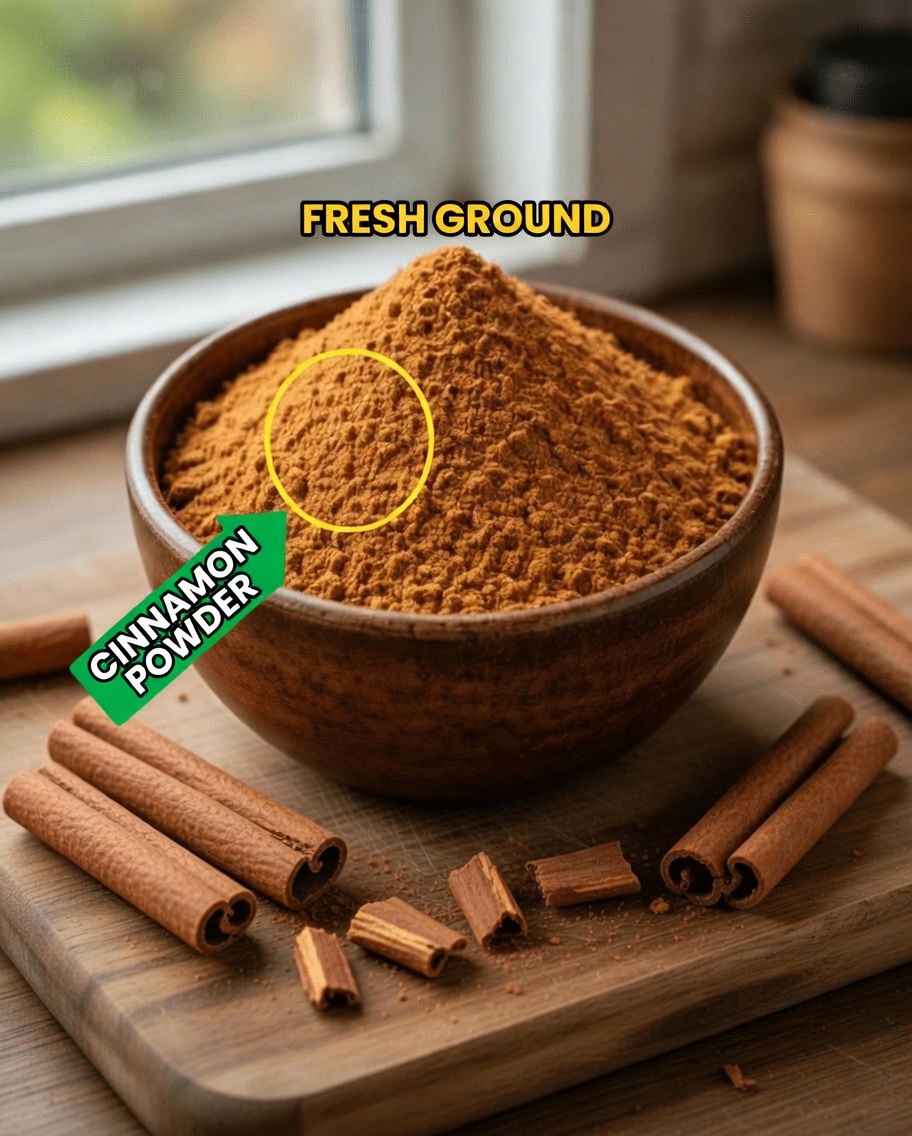
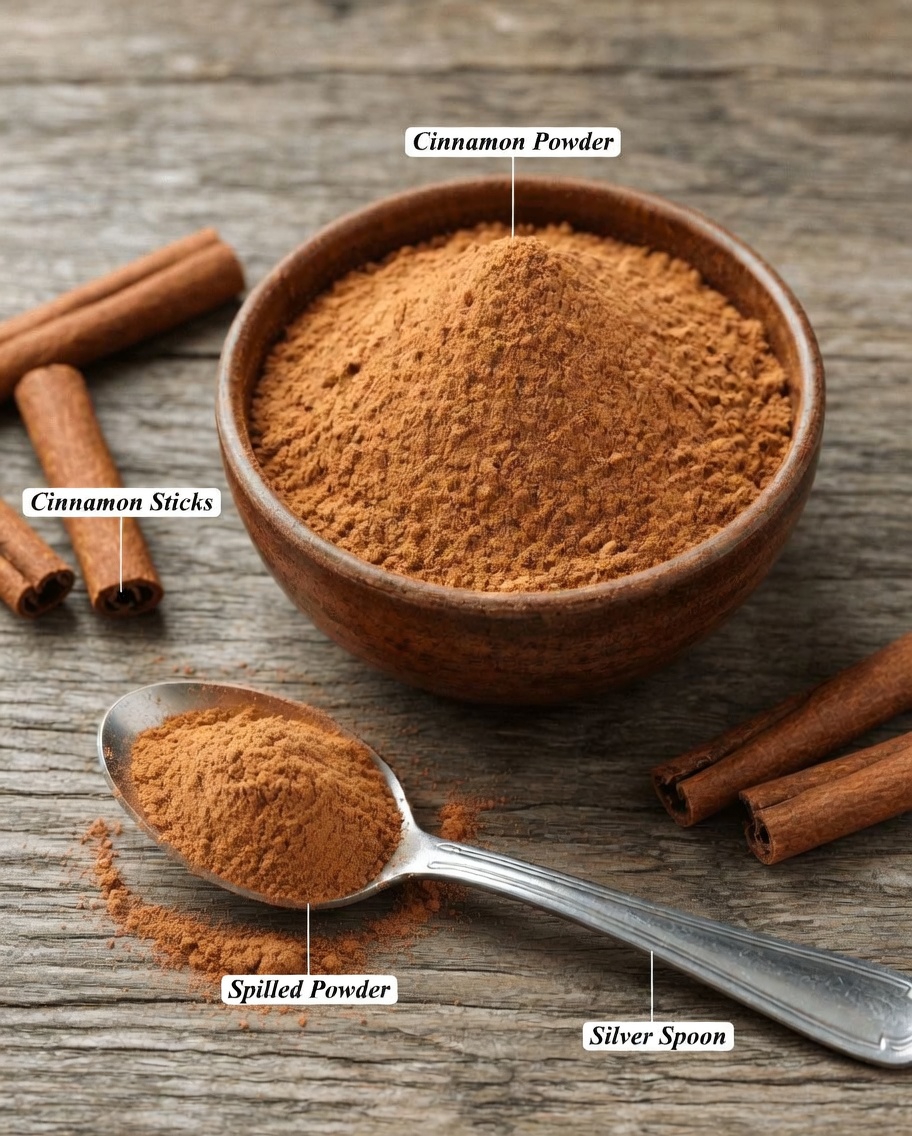
The spice drawing attention is cinnamon, especially Ceylon cinnamon, often called true cinnamon. This type differs from the more common Cassia cinnamon sold in many supermarkets. Ceylon cinnamon comes from a different plant and contains much lower amounts of coumarin, a substance that may strain the liver if consumed too often in large quantities. For regular use, Ceylon is considered the better choice.
What makes it so interesting? Cinnamon contains natural active compounds, including cinnamaldehyde, that researchers believe may help improve the way cells respond to insulin. Some studies also suggest it may slow how quickly sugar enters the bloodstream after eating.
It is not a miracle fix, but it is an easy, practical addition to real meals. You do not need expensive supplements or specialty blends. A modest daily amount of ground Ceylon cinnamon may be enough to explore its potential benefits.
What Research Says About Cinnamon and Blood Sugar
Several reviews of clinical research have examined cinnamon’s effects on metabolic health. Some studies found modest improvements in fasting blood glucose and better post-meal blood sugar responses when participants used around 1/2 to 1 teaspoon daily for several weeks.
Other findings point to cinnamon’s antioxidant properties, which may support blood vessel health and overall circulation. That can be especially valuable for older adults focused on long-term wellness.
Of course, results are not identical for everyone. Cinnamon seems to work best when it is part of a broader healthy lifestyle that includes:
- Balanced meals
- Regular movement
- Good sleep
- Consistent hydration
Even so, the repeated positive signals across multiple studies have made cinnamon an appealing option for many health-conscious older adults.
Ceylon vs. Cassia Cinnamon: Why the Difference Matters
Not all cinnamon offers the same profile. Cassia cinnamon, the type most people find on grocery shelves, is fine in small occasional amounts. However, because it contains more coumarin, it may not be the best option for daily long-term use.
If you plan to add cinnamon to meals every day, look for:
- Ceylon cinnamon
- True cinnamon
- Cinnamomum verum
You can often find it in larger supermarkets, health food stores, or online. Its taste is usually lighter, sweeter, and more delicate than Cassia, which makes it easy to use in both sweet and savory recipes.
6 Simple Ways to Add Ceylon Cinnamon to Your Daily Meals
Making cinnamon part of your routine does not need to be complicated. Here are some easy ways to work 1/2 to 1 teaspoon into your day:
-
Oatmeal or overnight oats
Stir cinnamon into your breakfast bowl with berries for extra flavor and natural sweetness. -
Greek yogurt or cottage cheese
A light sprinkle can turn a plain high-protein snack into something warm and satisfying. -
Coffee or herbal tea
Add a pinch to your cup for a naturally spiced taste without extra sugar. -
Smoothies
Blend it with spinach, banana, and unsweetened almond milk for a simple breakfast or snack. -
Savory meals
Mix it into roasted vegetables, chicken marinades, soups, or chili to add depth and warmth. -
Fresh fruit
Dust apple slices or pear with cinnamon for a naturally sweet treat with added fiber.
One of the best parts of this habit is how natural it feels. You are not forcing down another pill or supplement. You are simply improving the flavor of foods you already enjoy.
A Gentle 7-Day Plan to Build the Habit
If you want to test this idea gradually, try a simple week-long approach:
- Days 1-2: Add 1/2 teaspoon to breakfast only and notice how you feel afterward.
- Days 3-4: Use cinnamon with two meals, such as breakfast and dinner, while keeping total intake below 1 teaspoon daily.
- Days 5-7: Spread it across three eating moments, such as breakfast, a snack, and dinner.
If possible, pair meals with a short walk afterward. Even a brief stroll may help support healthier blood sugar patterns.
You may also want to keep notes on:
- Energy levels
- Hunger between meals
- Home glucose readings, if you monitor them
- How satisfied you feel after eating
The goal is not to replace your current efforts, but to strengthen them.
Smart Habits That Work Well Alongside Cinnamon
Cinnamon may be more helpful when combined with other simple daily practices. Consider pairing it with these habits:
- Eat protein and healthy fats with higher-carb meals
- Take a 10 to 15 minute walk after eating
- Choose whole foods more often than highly processed products
- Drink enough water throughout the day
- Prioritize consistent, quality sleep
These small habits create a more sustainable approach to blood sugar support. Instead of feeling strict or overwhelming, they can become part of everyday life.
Other Potential Benefits of Cinnamon for Older Adults
Cinnamon may offer more than blood sugar support alone. It is valued for its pleasant aroma, rich flavor, and antioxidant content. Many people find that it makes healthier meals feel more comforting and enjoyable.
That matters more than it may seem. When nutritious food tastes better, it becomes easier to stick with healthy choices over time. For older adults trying to maintain steady energy and wellness, that extra enjoyment can be a real advantage.
Frequently Asked Questions
Is cinnamon safe to use every day after age 60?
In general, Ceylon cinnamon is considered safe in culinary amounts, such as 1/2 to 1 teaspoon per day. However, it is still wise to speak with your doctor first, especially if you:
- Take blood thinners
- Have liver concerns
- Use medication for diabetes or blood sugar control
How much cinnamon should I use?
Many studies showing possible benefits used somewhere between 1/2 and 2 teaspoons per day, often divided across meals. A good starting point is 1/2 teaspoon daily, then adjust gradually if appropriate.
Can cinnamon replace diabetes medication or glucose monitoring?
No. Cinnamon is a supportive food choice, not a medical treatment. It should never replace prescribed medication, blood sugar testing, or professional care. Do not stop or change any treatment plan without your healthcare provider’s advice.
Final Thoughts
Adding a small daily sprinkle of Ceylon cinnamon to your meals is a simple habit with real-life appeal. It is affordable, flavorful, easy to use, and supported by enough research to make it worth considering as part of a healthy lifestyle after 60.
Sometimes the most helpful changes are the ones that feel easy to maintain. A little cinnamon in your breakfast, tea, or dinner may be one of those low-effort habits that helps you feel more balanced, energized, and in control.
Try it for a week and see how it fits into your routine. Your meals may taste better, and your body may appreciate the extra support.
Disclaimer
This article is for informational and educational purposes only. It is not intended to provide medical advice, diagnosis, or treatment. Always consult your physician or another qualified healthcare professional before making changes to your diet, supplements, medication, or health routine.