5 Quiet Warning Signs Your Heart May Be Under Stress
Many adults ignore everyday issues like constant tiredness or swollen ankles, assuming they come with age or a hectic routine. At first, these changes may seem harmless. In reality, they can be subtle signals that your heart is working harder than normal.
When these clues are overlooked for too long, they may lead to more serious health concerns and growing uncertainty about your well-being. The encouraging news is that noticing these early signs can help you take simple, effective steps to protect your heart. One warning sign, in particular, often appears in your feet and catches people completely off guard.
1. Ongoing Fatigue Without an Obvious Cause
Feeling drained once in a while is normal. But if exhaustion sticks around even after adequate sleep or a relatively easy day, it may be more than stress or low energy. The American Heart Association notes that unexplained fatigue can be an early sign that the heart is not pumping blood as efficiently as it should. As a result, your body may not receive the oxygen it needs for everyday activity.
What makes this symptom easy to miss is how gradually it can develop. Many people adjust to feeling more tired without realizing their baseline has changed. Research from major cardiology centers also suggests that women may experience unusual fatigue before they ever notice chest pain. If ordinary tasks like climbing stairs or carrying groceries suddenly leave you depleted, it deserves attention.
2. Shortness of Breath During Simple Activities
Becoming winded after minimal effort, such as walking across a room or going up a single flight of stairs, should not be ignored. According to the Mayo Clinic, shortness of breath during mild activity can point to reduced heart function or fluid buildup in the lungs. When the heart cannot circulate blood effectively, the lungs may have to work harder.
This symptom can also show up when you are resting or lying flat in bed. Because it may resemble allergies, poor fitness, or temporary congestion, many people dismiss it. Still, health experts stress that if this feeling is new, frequent, or getting worse, it is important to speak with a doctor.

3. Swelling in the Feet, Ankles, or Lower Legs
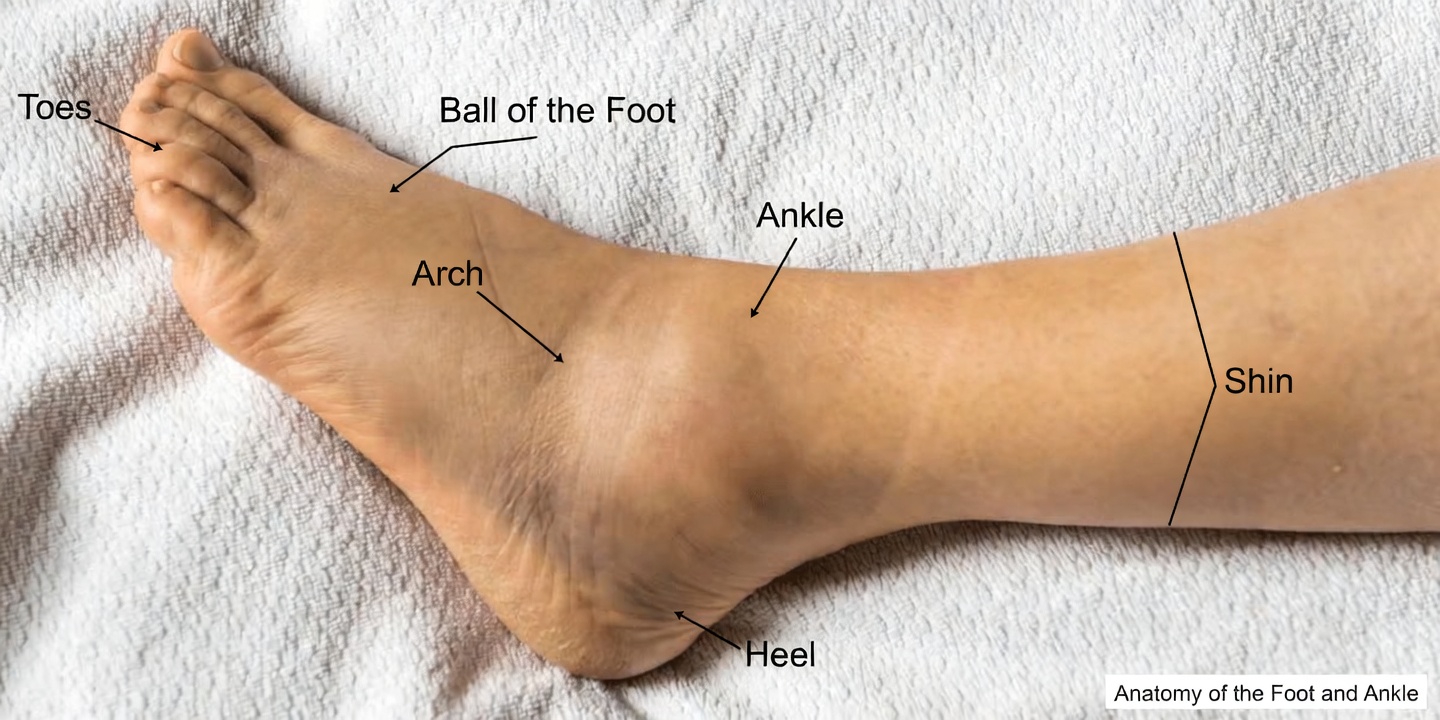
Have your socks started leaving deeper marks? Do your shoes feel tighter later in the day? Swelling in the lower body, also called edema, may happen when the heart struggles to move fluid efficiently through the body. The fluid can then collect in the veins, especially in the legs and feet. The American Heart Association identifies this as a common but often overlooked sign of heart strain.
Gravity is one reason this symptom often appears first in the lower extremities. While putting your feet up may bring temporary relief, persistent swelling that continues despite rest should be monitored. If it occurs alongside fatigue or shortness of breath, the possibility of a heart-related issue becomes more important to consider.
4. Unexplained Pain in the Jaw, Neck, or Upper Back
A dull, recurring ache in the jaw, neck, or upper back may not seem connected to heart health. However, the American Heart Association and other medical sources explain that heart-related pain does not always stay in the chest. Because these areas share nerve pathways, discomfort can spread there when blood flow to the heart is reduced.
This is one reason heart symptoms are sometimes mistaken for muscle tension, posture problems, or even dental discomfort. The risk of missing the sign is especially high when it happens during emotional stress or mild physical exertion. Research also shows that women are more likely to experience these less typical symptoms instead of classic chest pressure. If the discomfort keeps returning without a clear reason, take it seriously.
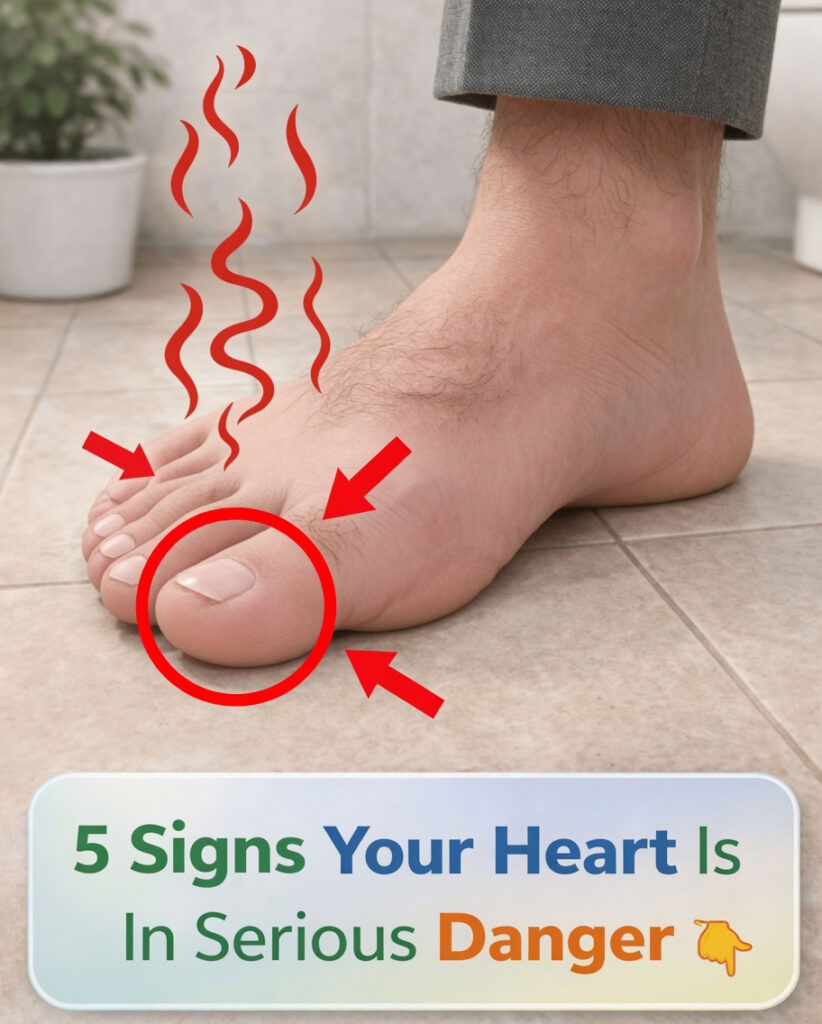
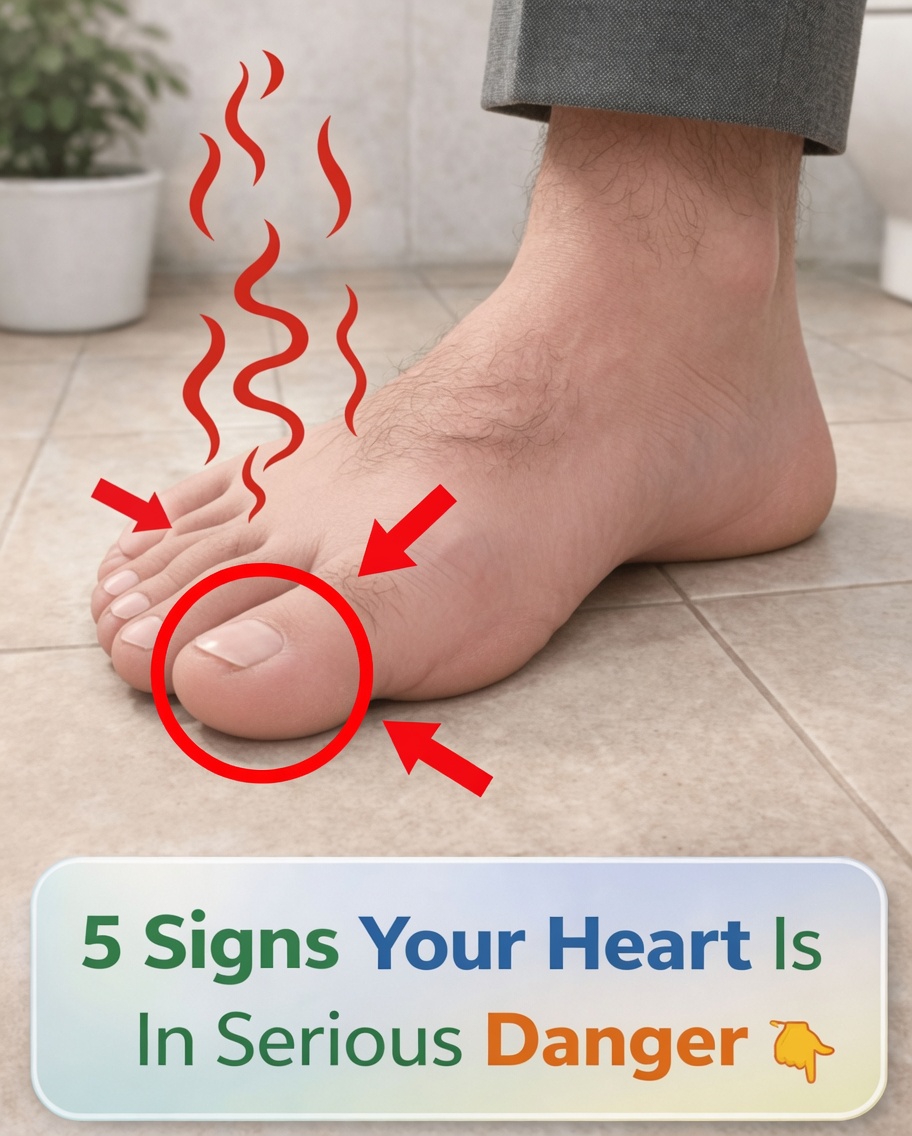
5. Burning, Tingling, or Heat in the Feet and Legs
This symptom surprises many people. A burning, tingling, warm, or cramping sensation in the feet or calves, especially after walking a short distance, may suggest reduced circulation caused by narrowed arteries. MedlinePlus and other trusted health resources connect this pattern to peripheral artery disease, a condition that shares many of the same risk factors as heart disease.
That uncomfortable sensation is not always random. It can be a sign that your muscles are not receiving enough oxygen-rich blood. Over time, poor circulation affects more than just your legs. It may also reflect broader cardiovascular problems. Studies indicate that improving vascular health early may support overall heart wellness.
What You Can Do Now to Support Your Heart
You do not need expensive tools or drastic measures to begin making a difference. Small, consistent habits can go a long way.
Here are practical ways to support your heart health today:
- Track your symptoms in a notebook or phone app. Write down when they happen, how long they last, and what you were doing at the time.
- Increase movement gradually with low-impact exercise such as walking, swimming, or gentle yoga. Aim for at least 150 minutes of moderate activity each week.
- Choose heart-smart foods by filling half your plate with fruits and vegetables and reducing processed foods high in sodium and added sugar.
- Monitor key health numbers like blood pressure, cholesterol, and blood sugar during regular medical visits.
- Take care of your feet daily by checking for swelling or discomfort, wearing supportive shoes, and elevating your legs for about 15 minutes after long days.
- Stay hydrated, limit alcohol, and quit smoking if applicable. These small decisions can create meaningful benefits over time.
Many people who adopt these habits report improved energy, clearer thinking, and fewer bothersome symptoms within a matter of weeks. Your body often responds when you start paying attention to what it has been telling you.
Conclusion
Your heart works nonstop, and sometimes its early warning signs are easy to overlook. Lasting fatigue, breathlessness, swelling, unusual pain, and burning sensations in the feet can all be quiet clues that something is not right. Recognizing these five subtle symptoms gives you an opportunity to act before larger problems develop.
The most important step is to stay alert to changes in your body and discuss them with a qualified healthcare provider. By noticing these signs early, you give yourself a better chance to protect your long-term heart health.
FAQ
1. Do foot-related symptoms always mean there is a heart problem?
No. Swelling, tingling, or burning in the feet can result from many causes, including standing too long, diet, nerve issues, or other medical conditions. However, when these symptoms appear together with fatigue or shortness of breath, they may point to cardiovascular strain. A medical evaluation can help identify the real cause.
2. How quickly should I see a doctor if I notice these signs?
If the symptoms are new, ongoing, or becoming more noticeable, it is wise to schedule a medical appointment within a few days. If you develop sudden shortness of breath, chest discomfort, severe dizziness, or other urgent symptoms, seek immediate care. Early assessment can often lead to simple testing and faster answers.
3. Can lifestyle changes really reduce these warning signs?
Yes. Regular physical activity, a balanced diet, and healthy daily habits can improve circulation and support heart function. Major health organizations consistently recommend these steps as part of cardiovascular care. For best results, combine lifestyle changes with guidance from your healthcare provider.
Disclaimer
This article is for informational purposes only and does not diagnose, treat, or cure any medical condition. It should not replace professional medical advice. Always consult a qualified healthcare provider about concerns related to your heart or overall health.