Mini Stroke Warning Signs After 60: 10 Subtle Symptoms You Should Never Ignore
Reaching 60 often comes with experience, perspective, and, yes, a few physical changes that are easy to blame on aging. A brief dizzy spell, a tingling hand, or a moment when words do not come easily may seem harmless. However, these short-lived episodes can sometimes point to something more serious: a mini stroke, also called a transient ischemic attack (TIA).
Because mini stroke symptoms often disappear within minutes, many older adults dismiss them. That is exactly what makes them dangerous. A TIA may be temporary, but it can serve as an urgent warning that your brain is at risk. Recognizing these signs early may help you get medical attention before a major stroke occurs.
What a Mini Stroke Means for Adults Over 60
A mini stroke happens when blood flow to part of the brain is briefly interrupted. Unlike a major stroke, the symptoms usually do not last long and may fade within minutes or a few hours. Even so, a TIA should never be considered minor.
According to the American Stroke Association, people who experience a TIA face a significantly increased risk of a full stroke soon afterward. For adults over 60, the challenge is that the symptoms can blend in with common age-related complaints, making them easy to miss.
Why These Symptoms Are Often Ignored
As we get older, it becomes natural to blame unusual sensations on fatigue, poor sleep, arthritis, stress, or simply “getting older.” Since mini stroke symptoms often come and go quickly, many seniors delay getting help or decide not to mention the episode at all.
That delay can be risky. The earlier you identify unusual neurological changes, the sooner you can speak with a healthcare provider and reduce the chance of a more serious event.
10 Overlooked Mini Stroke Symptoms in People Over 60
Below are some of the most commonly missed TIA symptoms. Pay close attention to number four, which is one of the most easily overlooked warning signs.
1. Numbness or weakness on one side of the body
A sudden heavy, numb, or tingling feeling in the face, arm, or leg can be an early sign of a mini stroke. It often affects only one side of the body. Because it may fade quickly, many people assume they slept in an awkward position or irritated a nerve.
2. Facial drooping or an uneven smile
One side of the mouth or eyelid may appear slightly lower than the other. Sometimes the change is so mild that it is only noticeable in a mirror or to someone nearby. It is often mistaken for tiredness, but it should be taken seriously.
3. Trouble speaking or understanding speech
You may suddenly slur words, struggle to form sentences, or find it hard to understand what someone else is saying. Since this can pass fast, it is often dismissed as stress, distraction, or a simple lapse in memory.
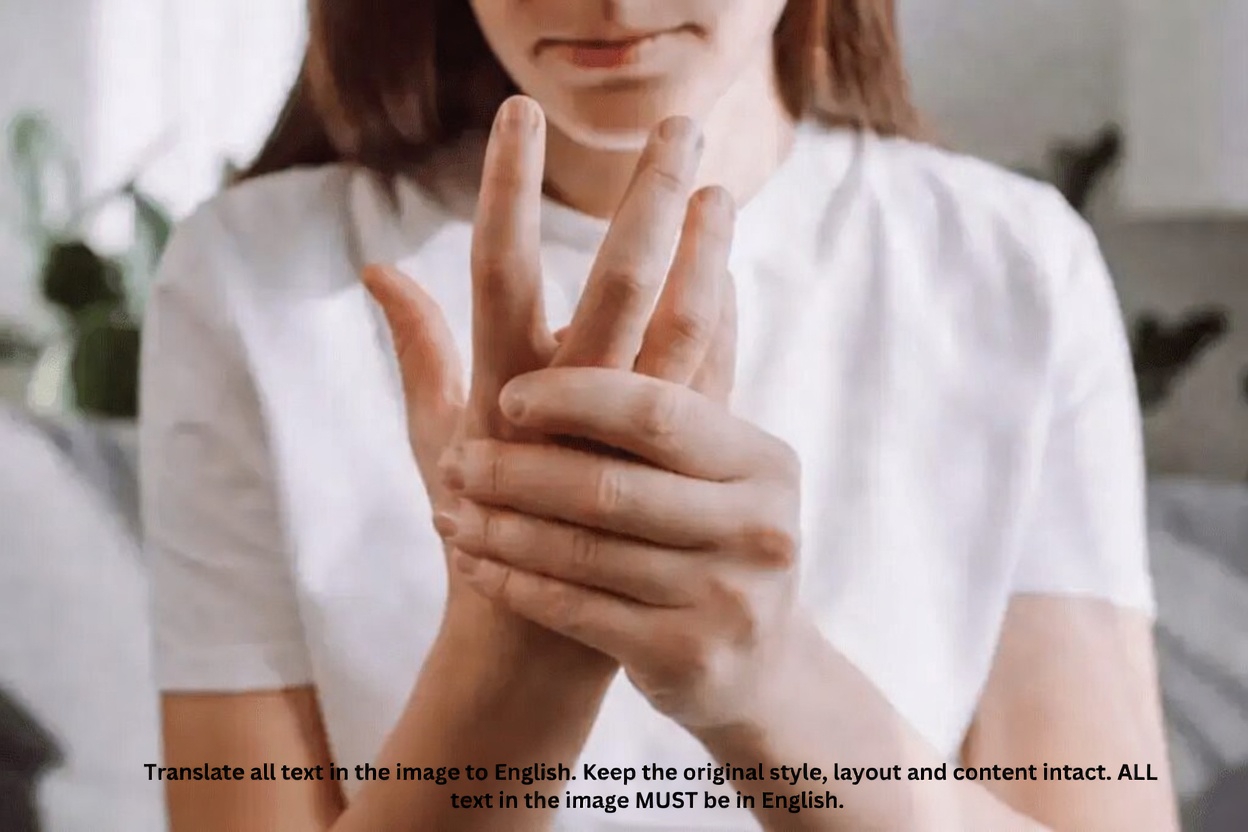
4. Sudden fatigue or mental fog without a clear reason
This is one of the least recognized mini stroke symptoms in older adults. You may feel unusually drained, mentally slow, or unable to think clearly, even without pain or obvious weakness. Because this can seem like ordinary aging, it often goes unnoticed. Still, research suggests that unexplained exhaustion or brain fog can be a subtle but important warning sign after age 60.
5. Brief vision changes
A mini stroke can cause sudden blurry vision, double vision, or temporary dimming in one eye. Some people mistake it for eye strain or a migraine aura. If vision changes come on quickly and then disappear, they deserve prompt medical attention.
6. Dizziness or loss of balance
You might suddenly feel unsteady, lightheaded, or as if the room is spinning. These episodes are frequently blamed on inner ear problems, dehydration, or low blood sugar. But if they appear out of nowhere, a TIA is one possible cause.
7. A sudden severe headache with no obvious explanation
A mini stroke can sometimes trigger an intense headache that feels different from your usual headaches. Even if it goes away quickly, a sudden and unusual headache should not be ignored.
8. Brief confusion or memory lapses
You may lose track of what you were saying, feel disoriented in a familiar place, or struggle to process simple information for a short period. These moments can seem like normal aging, but they may also signal a temporary disruption in brain function.
9. Trouble swallowing or a brief choking sensation
If food or drink suddenly feels hard to swallow, or it seems like it is going down the wrong way, that could reflect a short-term problem with the brain signals that control swallowing muscles. It may last only seconds, but it is still worth discussing with a doctor.
10. Sudden mood or personality changes
A TIA can sometimes cause unexpected emotional shifts, including irritability, anxiety, or feeling unusually tearful for no clear reason. Because these changes are short-lived, they are often dismissed as stress or a bad day.
In many cases, these warning signs do not appear alone. They may overlap, occur in combination, or show up in a pattern that is easy to miss unless you know what to look for.
Use the FAST Test for a Quick Check
The FAST test is a simple way to remember key stroke and mini stroke symptoms:
- Face – Does one side of the face droop when smiling?
- Arm – Can both arms be lifted evenly, or does one drift downward?
- Speech – Is speech slurred, confused, or difficult to understand?
- Time – If you notice any of these signs, seek medical help immediately.
Even if symptoms improve quickly, acting fast still matters.

Daily Habits That May Support Brain Health After 60
No routine can completely prevent a mini stroke, but healthy habits can help support blood vessel and brain function over time. Consider these practical steps:
- Keep up with regular blood pressure and cholesterol checks
- Stay active with about 30 minutes of gentle exercise most days
- Choose a diet rich in:
- colorful vegetables
- fresh fruit
- whole foods
- omega-3 sources such as salmon and walnuts
- Drink enough water throughout the day
- Limit smoking and alcohol use
- Prioritize good sleep
- Reduce stress with calming routines, breathing exercises, or hobbies you enjoy
The good news is that even small changes, done consistently, can make a meaningful difference over time.
What to Do If You Notice Any of These Symptoms
Do not wait to see whether the symptoms come back. If you experience any possible mini stroke signs, contact your doctor or visit urgent care the same day, even if you feel normal again.
It also helps to write down:
- What symptoms happened
- When they started
- How long they lasted
- Whether they affected speech, balance, vision, or one side of the body
This information can help your healthcare provider decide what tests or next steps are needed.
Final Thoughts
Aging well means paying attention to your body, not dismissing every unusual change as “just part of getting older.” These 10 silent mini stroke symptoms are not meant to create fear. They are meant to help you stay informed, alert, and proactive.
By recognizing the signs of a mini stroke early and responding quickly, you improve your chances of protecting your independence, mobility, and overall health in the years ahead. Sharing this information with friends or family members over 60 could help someone else recognize a warning sign in time.
FAQ
1. Can mini stroke symptoms really disappear within minutes?
Yes. That is one of the main features of a transient ischemic attack. Symptoms often resolve quickly, which is why many people underestimate their seriousness. Even if they last only a short time, they should always be reported to a medical professional.
2. How do I know whether it is normal aging or a mini stroke?
Normal aging changes usually happen gradually. Mini stroke symptoms tend to appear suddenly. If a symptom is new, abrupt, or unusual for you, it is safest to get medical advice.
3. Are mini strokes more common in men or women over 60?
Both men and women can have mini strokes. Some research suggests that women may sometimes experience more subtle symptoms, such as fatigue or headache. Regardless of sex, any sudden neurological change should be taken seriously.
Disclaimer
This article is for informational purposes only and does not replace professional medical advice, diagnosis, or treatment. Always consult a qualified healthcare provider if you have questions or concerns about your health.