Healthy Aging Lessons from María Branyas Morera: 3 Simple Daily Habits Backed by Science
As people grow older, it is common to notice changes in digestion, stamina, and overall well-being. Lower energy, slower recovery, and everyday discomforts can make healthy aging feel more challenging than expected. For many families, seeing these shifts in themselves or in loved ones raises an important question: what daily habits may help the body stay stronger for longer?
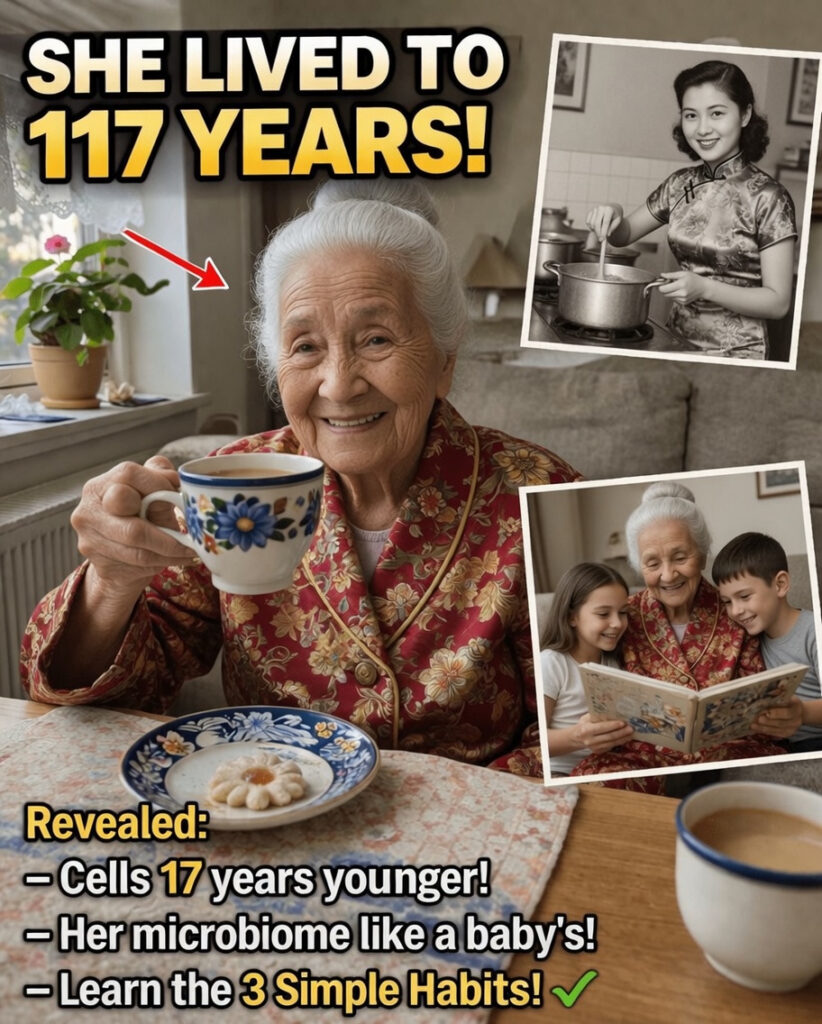
A remarkable case may offer some insight. Scientists who studied María Branyas Morera, a woman who lived to 117, discovered something extraordinary about her biology. Her cells seemed much younger than her actual age, and her gut microbiome showed traits more commonly seen in infancy. Even more interesting, researchers linked part of this resilience to three simple routines she followed consistently.
Who Was María Branyas Morera?
María Branyas Morera died in 2024 at the age of 117, after living an exceptionally long life. She was born in the United States and later lived in Spain, where she was recognized for a time as the oldest living person in the world. Because of her unusual longevity, she became the focus of scientific interest from experts studying healthy aging and longevity.
Researchers led by Dr. Manel Esteller from the University of Barcelona were able to closely examine her genetics, immune response, cells, and intestinal bacteria. Their work, published in Cell Reports Medicine, provided a rare opportunity to understand how biology and lifestyle may interact in someone who aged so successfully.
What Researchers Found in Her Cells and Gut Health
One of the most striking findings involved her epigenetic profile. Epigenetic markers are chemical changes that influence how DNA functions and can reveal how “old” the body appears biologically. In María’s case, these indicators suggested her biological age was around 17 years younger than her chronological age.
That means her cells were behaving in ways more typical of a younger person.
Her gut microbiome was equally impressive. Scientists found a bacterial composition rich in beneficial microbes, including Bifidobacterium, a type often associated with digestive health and lower inflammation. This pattern is more frequently seen in babies and younger healthy adults than in people of advanced age.
Although genetics likely helped, the researchers also emphasized the importance of her long-term lifestyle habits. Her routine was not extreme or complicated. In fact, it was built around a few simple practices repeated over many years.
Habit 1: Eating Plain Yogurt Three Times a Day
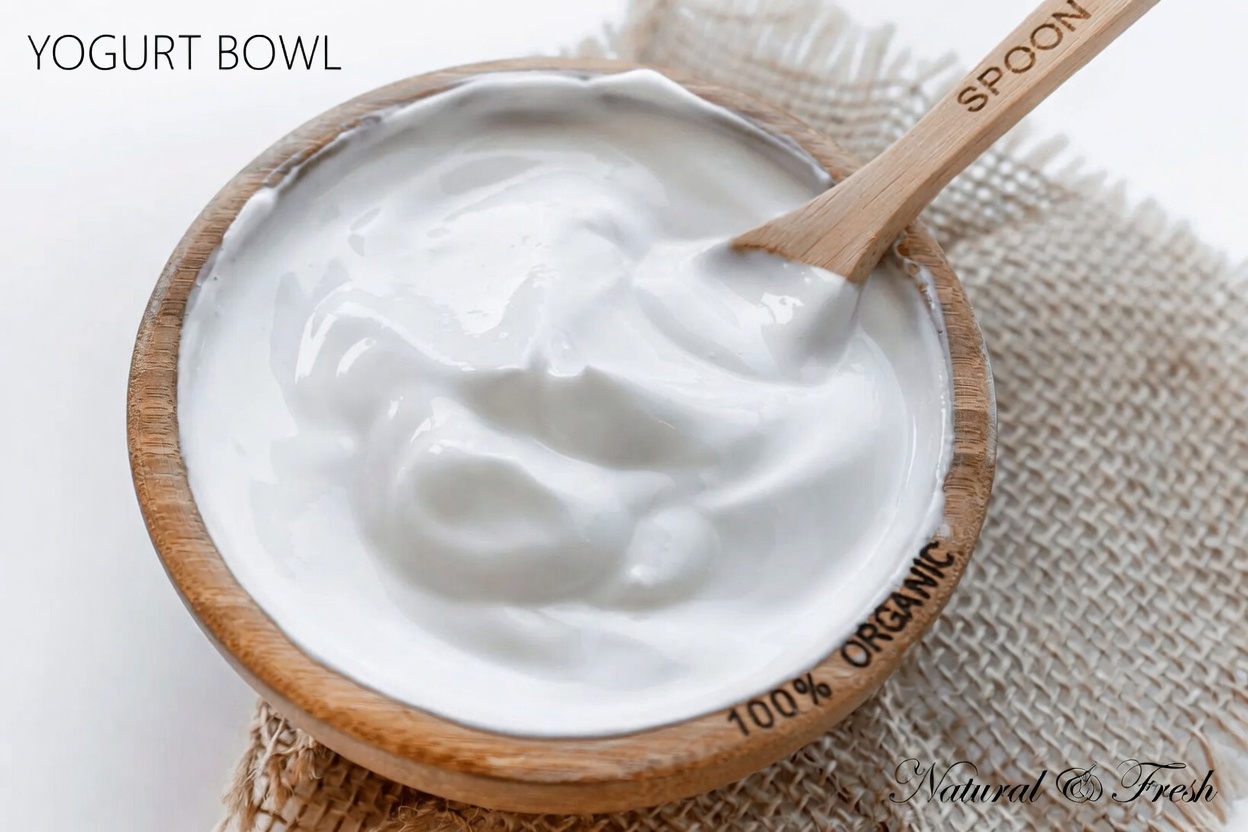
One of the clearest habits identified in the study was María’s regular intake of plain, unsweetened yogurt. For roughly the last two decades of her life, she reportedly ate yogurt three times a day.
This matters because yogurt with live cultures contains probiotics, which can help support a healthier gut environment. As people age, microbial diversity in the digestive system often declines. Fermented foods such as natural yogurt may help encourage beneficial bacteria and maintain better digestive balance.
What stands out is how simple this habit was. There were no expensive supplements or complex protocols involved—just consistent use of a basic fermented food.
Habit 2: Following a Mediterranean-Style Diet
María’s broader eating pattern also reflected many core principles of the Mediterranean diet. Her meals included a strong emphasis on vegetables, fruits, legumes, whole grains, olive oil, and fish, while processed foods were limited. She also consumed simple, fiber-rich foods, including cereal-based smoothies.
This way of eating has been widely studied for its connection to heart health, metabolic stability, and long-term vitality. It also supports the gut by providing prebiotic fiber, which feeds beneficial bacteria and works well alongside probiotic foods like yogurt.
Main traits of this eating pattern
- A wide variety of vegetables and fruits
- Fiber from legumes and whole grains
- Healthy fats from olive oil and nuts
- Leaner protein sources such as fish and beans
- Fewer processed foods and less added sugar
Together, these foods create a gut-friendly and nutrient-dense foundation that may support healthy aging over time.
Habit 3: Gentle Movement and Strong Social Bonds
María also stayed active in simple ways. She took regular walks when possible and remained closely connected to family and friends. In addition, she avoided both smoking and alcohol and was known for maintaining a calm and positive attitude.
A large body of research shows that light daily movement can support circulation, mobility, mood, and muscle function. Social connection is equally important. Strong relationships are linked with lower stress, better emotional resilience, and improved mental well-being.
These habits may seem modest, but their combined effect can be powerful.
Easy examples of how this can look in real life
- Taking a short walk after meals
- Spending time talking, reading, or relaxing with loved ones
- Keeping a restful routine and practicing gratitude
- Staying away from smoking and limiting harmful habits

Practical Ways to Apply These Habits Today
If you want to adapt some of María Branyas Morera’s healthy aging habits to your own lifestyle, the key is to start small and stay consistent.
1. Add plain yogurt to your routine
- Choose unsweetened yogurt with live active cultures
- Start with one serving a day
- Eat it with fruit, nuts, or on its own as a snack
- Increase gradually if it suits your digestion
2. Build more Mediterranean-style meals
- Add extra vegetables to lunch and dinner
- Use olive oil instead of heavily processed fats
- Replace one packaged snack a day with fruit or nuts
- Include beans, whole grains, or fish more often
3. Move gently and stay connected
- Aim for 20 to 30 minutes of walking on most days
- Try a short walk after eating
- Schedule a regular call, visit, or shared meal with friends or family
- Focus on routines that support calm and emotional balance
Perfection is not required. What matters most is repeating healthy behaviors often enough that they become part of everyday life.
Why These Habits May Support Healthy Aging
The story of María Branyas Morera highlights an important idea: healthy aging is usually the result of several factors working together. Genetics may play a role, but daily choices still matter.
Her case suggests that diet, gut health, physical activity, emotional stability, and social connection may all contribute to how the body ages. While no one can reproduce her exact biology, many of her routines are realistic and accessible.
Ongoing studies continue to explore the link between the microbiome, cellular aging, and lifestyle. What this research makes clear is that simple habits practiced consistently may help people stay more active, balanced, and engaged as they age.
Frequently Asked Questions
Q1: Can plain yogurt really improve gut health in older adults?
Research suggests that probiotic-rich foods such as plain yogurt may help support digestive comfort and microbiome balance. Results differ from person to person, so it is wise to check with a healthcare professional if you have specific digestive concerns.
Q2: What does it mean to have a “younger” gut microbiome?
A youthful microbiome generally refers to a more diverse and beneficial mix of bacteria. This type of gut environment is often associated with better digestion, immune support, and overall wellness, and is more common in younger healthy individuals.
Q3: Do these habits only matter for people trying to live to extreme old age?
No. These habits are not only about reaching 117. They can be useful for improving everyday energy, digestion, and quality of life at almost any age. The goal is to support better health now, not just later.
Disclaimer
This article is intended for educational and informational purposes only. It does not provide medical advice, diagnosis, or treatment. Always speak with a qualified healthcare professional before changing your diet, exercise habits, or lifestyle, especially if you have existing medical conditions.