Dealing with thinning hair that fills your brush and makes you avoid mirrors can be exhausting—and it can quietly chip away at your confidence day after day. When scalp dryness, persistent itching, or even occasional digestive sluggishness piles on, it’s easy to feel like nothing provides lasting relief. Castor oil—also known as Aceite de Higuereta (Spanish) and Minyak Jarak (Indonesian)—has been used for generations as a natural self-care staple. What matters most today is learning simple, practical ways to use castor oil that many people rely on to support healthier-looking hair and overall comfort.
What Is Castor Oil?
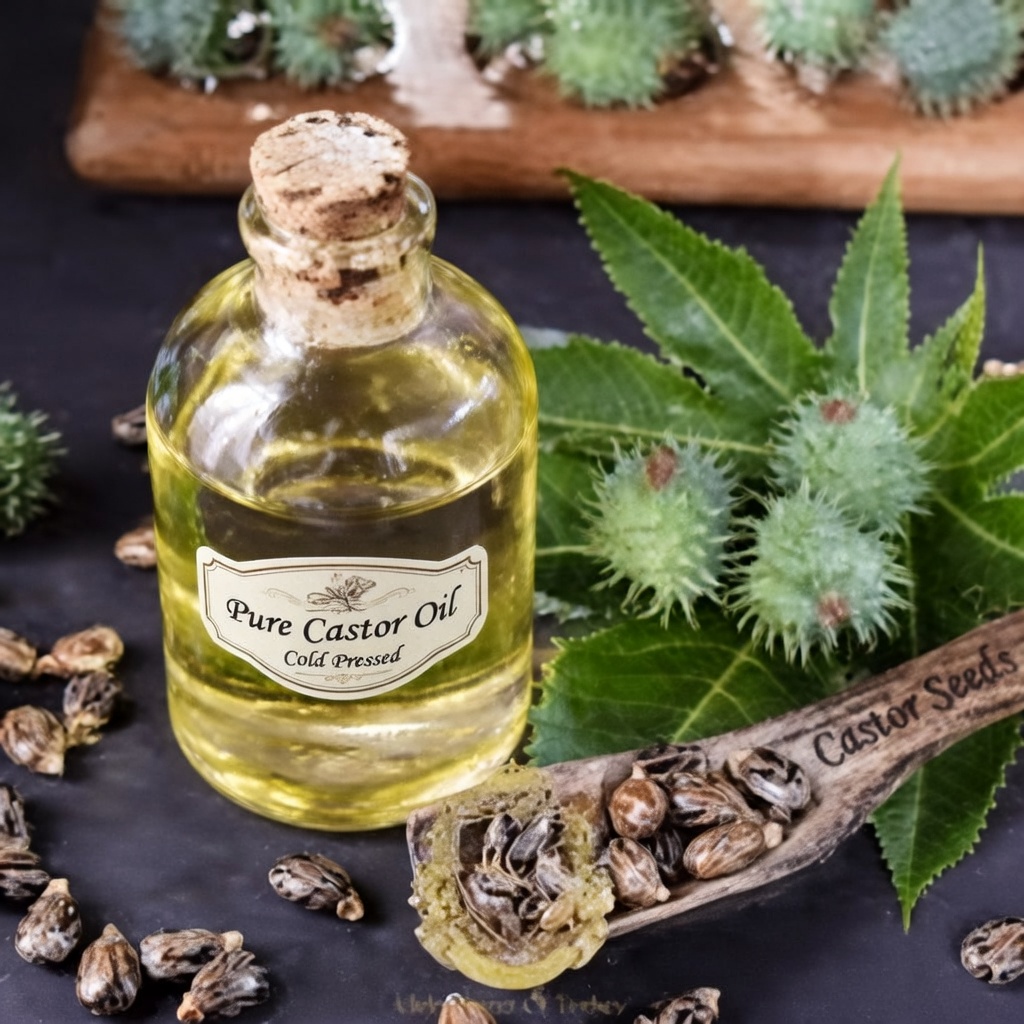
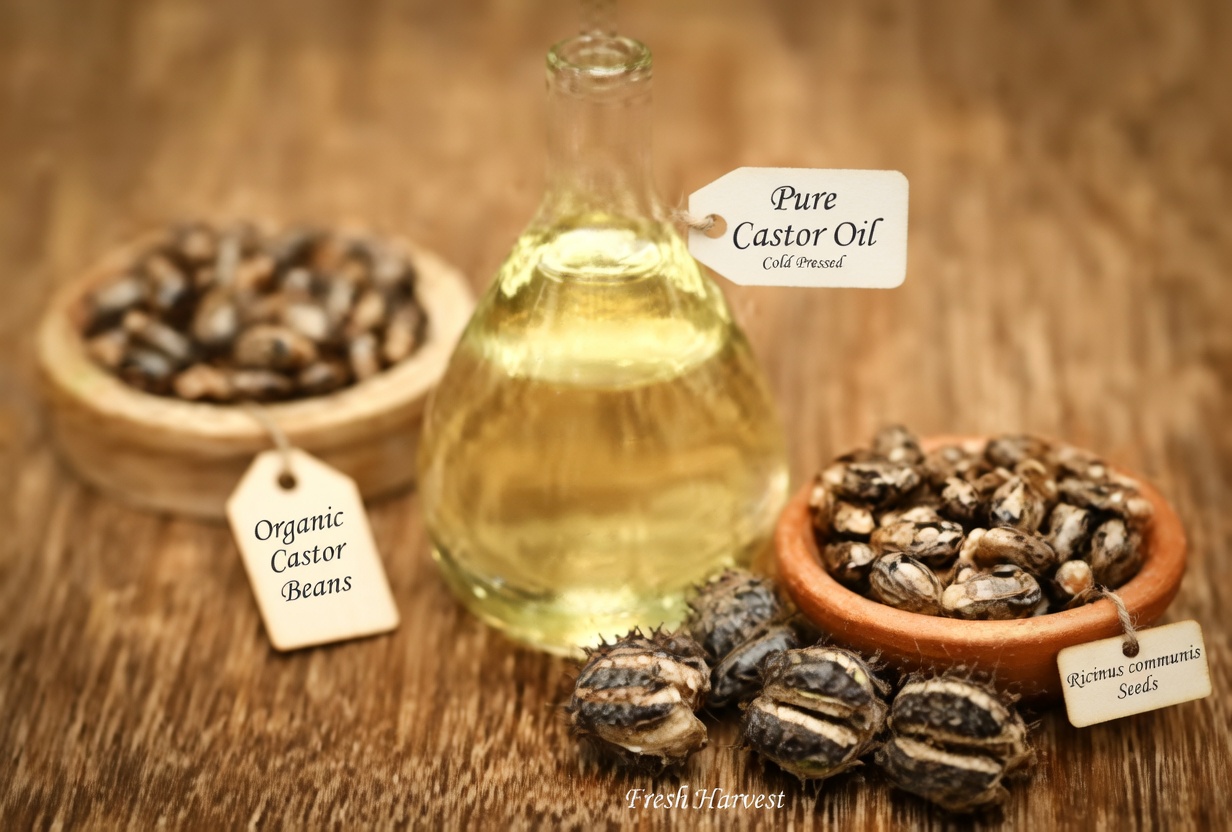
If your hair looks dull, feels brittle, and never seems to cooperate in photos, castor oil for hair may be the missing piece in your routine. Castor oil is a dense, plant-based oil made from the seeds of the Ricinus communis plant. It’s especially valued for its nutrient-rich makeup and its standout component: ricinoleic acid, known for its deeply moisturizing feel. Because it’s naturally thick and coating, many people find castor oil feels nourishing from the first use—particularly on dry strands and stressed scalps.
How Castor Oil Is Extracted (Why Quality Matters)
Watching more hair shed than usual can be discouraging, and it often sends people searching for products that actually deliver. The way castor oil is produced can affect purity and performance—especially if you want an oil that retains more of its natural compounds.
Cold-Press Extraction (Best for High-Quality Castor Oil)
The cold-press method is commonly preferred because it helps preserve the oil’s naturally occurring components.
- Start with dried castor beans and a clean press.
- Lightly crush the beans first.
- Press slowly to release the oil.
- Strain out any remaining particles and store correctly.
This method helps maintain a potent, consistent castor oil—important for anyone dealing with dryness, breakage, or products that have failed them in the past.
Other methods, such as boiling extraction, also exist, but high heat may reduce some beneficial compounds.
Key Properties of Castor Oil
A dry, irritated scalp can make mornings miserable and styling feel impossible. One reason castor oil is so popular is its composition: it contains roughly 90% ricinoleic acid, plus omega-9 fatty acids, vitamin E, and supportive minerals. These elements contribute to castor oil’s signature thickness and its ability to help the skin and scalp feel more comfortable and hydrated.
Many people use castor oil when they’re tired of flaking, tightness, and the constant distraction of itchiness. Its rich texture can also help hair look smoother and more reflective over time.
Potential Health Benefits of Castor Oil
Occasional constipation or mild stiffness can make everyday life feel heavier than it needs to. Traditionally, castor oil has been used in small amounts for short-term support of digestive regularity, largely linked to ricinoleic acid. The key is mindful, occasional use—castor oil is generally considered a short-term option, not a daily habit.
Safer Ways People Explore Castor Oil for Wellness
- Take 1 tablespoon on an empty stomach, followed by plenty of water.
- Use no more than twice per week.
- Apply topically and massage into areas of minor discomfort.
Important: Castor oil is not right for everyone. Pregnant individuals should avoid internal use, and anyone with medical conditions should speak with a healthcare professional before ingesting it.
Some people also use castor oil during gentle abdominal massage, believing it may support a more balanced feeling and overall comfort.
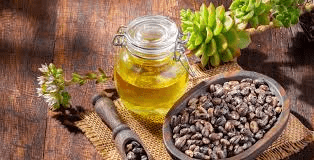
Benefits of Castor Oil for Hair
Finding extra hair on your pillow or in the shower can trigger real anxiety. Castor oil for hair is widely used because its fatty acids help moisturize the scalp and strands, potentially supporting an environment where hair looks healthier and feels more resilient. Many users say consistent application helps:
- Reduce the look and feel of breakage
- Improve softness and manageability
- Add natural-looking shine
- Calm an itchy scalp, thanks to castor oil’s antimicrobial qualities
How Castor Oil May Support the Appearance of Hair Growth
Slow progress can be frustrating even when you’re doing everything “right.” While results vary, many people use castor oil with scalp massage to support circulation and scalp nourishment. Over time, hair may appear fuller and easier to style. Because castor oil is heavy, blending it with a lighter carrier oil can make it easier to apply and rinse.
Using Castor Oil to Ease Dandruff Discomfort
Scalp flakes and itching can be embarrassing and hard to hide. Castor oil may help reduce dryness-related irritation, especially when used in targeted scalp treatments. A common approach is combining castor oil with a few drops of tea tree oil for a simple at-home mask that leaves the scalp feeling fresher.
Adding Shine and Reducing Breakage
Frizz and split ends can ruin your look before an important moment. Castor oil can act like a moisture-sealing layer, helping strands hold onto hydration. Used sparingly on the ends, it can smooth hair quickly and boost shine—without requiring a complicated routine.
Step-by-Step: How to Use Castor Oil for Hair
If you’re tired of long routines with disappointing results, castor oil can be simple and effective when applied correctly. For best results, start with clean, dry or slightly damp hair, so the oil spreads more evenly.
Castor Oil Hair Mask for Manageability and Fuller-Looking Hair
- Mix 2 tablespoons castor oil with 1 tablespoon coconut oil.
- Warm slightly (optional) to improve spreadability.
- Massage into the scalp for 5–10 minutes.
- Cover and leave on for at least 1 hour (or overnight for deeper conditioning).
- Shampoo twice using a gentle cleanser to fully remove the castor oil.
Repeat twice weekly to support smoother, more manageable hair.
Quick Castor Oil Scalp Treatment for Flakes
- Combine 1 tablespoon castor oil with 4–5 drops tea tree essential oil.
- Apply directly to the scalp and massage.
- Leave on for 30 minutes, then wash out thoroughly.
Always do a patch test (inner arm) before using castor oil widely on the scalp.
Important Precautions When Using Castor Oil
Trying a new remedy and experiencing irritation or stomach upset can be unsettling. Use castor oil carefully and responsibly:
- Never eat raw castor beans—they are toxic.
- Choose properly processed castor oil from reputable brands.
- Do a patch test before broader use on skin or scalp.
- If you’re pregnant, breastfeeding, or managing a health condition, consult a healthcare professional before internal use.
How to Store Castor Oil Correctly
- Keep castor oil in a dark glass bottle.
- Store it in a cool, dry place, away from sunlight.
- Check the expiration date and replace when needed.
Proper storage helps castor oil stay stable and effective for ongoing hair and wellness use.
Final Thoughts on Castor Oil
Castor oil (Aceite de Higuereta / Minyak Jarak) remains a versatile and budget-friendly option for people looking to support hair vitality and everyday self-care. With consistent, mindful use—and the right application techniques—castor oil can help address common frustrations like dryness, scalp discomfort, dullness, and breakage while fitting smoothly into a realistic routine.