Scrolling through TikTok or Instagram, you’ve likely seen bold “before-and-after” posts promising a complete health transformation in just two weeks. The phrase “what happens to your body in 13 days” has become a viral hook—especially for anyone dealing with stubborn bloating, low energy, or a scale that refuses to budge.
The problem is that many of these claims oversell what’s realistically possible, setting people up for frustration when results don’t match the hype. The good news: when you understand the science-backed reality of what happens to your body in 13 days, you can make smarter choices—ones that create real (even if subtle) progress and set the stage for lasting change. And stay until the end for the single habit that makes these early improvements actually stick.

Why “What Happens to Your Body in 13 Days” Is Trending Everywhere
Short-form videos reward dramatic stories: “I changed one thing and everything improved.” As a result, people share quick experiences—lighter digestion, slightly lower weight, or better daily stamina—after following a routine for 13 days.
But social media rarely shows the full context. Many viral narratives about what happens to your body in 13 days amplify the best-case scenario, while downplaying factors like starting habits, sleep, stress, and consistency.
Research supports that small lifestyle shifts can change how you feel quickly, but meaningful physical transformation usually takes weeks to months, not days. Still, 13 days isn’t useless—it can deliver noticeable wins and build momentum.

Digestion and Bloating: Fast Improvements You Can Actually Feel
If bloating regularly makes you uncomfortable or self-conscious, the promise of better digestion in 13 days is understandably appealing.
Within 1–2 weeks, many people do notice improvements—especially when they increase fiber from whole foods and stay consistently hydrated. Fiber supports regularity, while water helps digestion run smoothly and can reduce that “puffy” feeling.
What 13 days won’t do is instantly resolve ongoing digestive disorders. Chronic issues often require medical guidance and long-term management. But small changes can still make day-to-day comfort significantly better.
- Increase fiber slowly with oats, berries, beans, and leafy greens
- Aim for steady hydration (often 8–10 glasses/day, depending on your needs)
- Add probiotic-rich foods like yogurt or kefir to support gut balance
And digestion is only one part of the story.
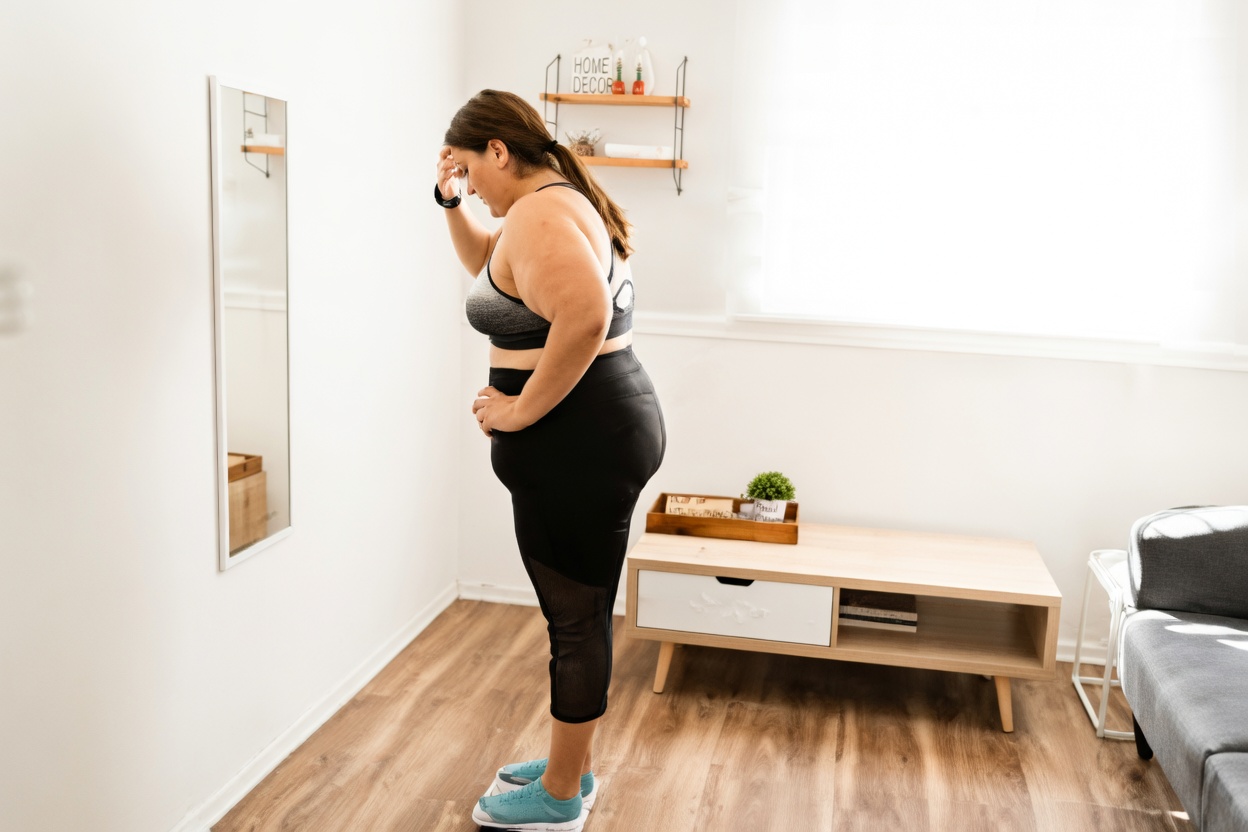
Weight Changes in 13 Days: What’s Realistic (and What’s Not)
Viral videos often promise dramatic weight loss in less than two weeks, which can be especially discouraging if you’ve already tried multiple trends and bounced back every time.
Here’s the reality: what happens to your body in 13 days may include a small drop on the scale—often due to reduced water retention, lower intake of ultra-processed foods, or improved meal structure. Short-term calorie awareness and increased movement can also create measurable shifts.
However, lasting fat loss is gradual. Think of 13 days as a kickstart, not a complete overhaul.
- Watch portions without extreme restriction
- Add consistent movement: walking, strength training, or both
- Build meals around high-satiety foods (protein, fiber, healthy fats)
Early results are best used as motivation—not a finish line.

Energy Levels: Why You May Feel Better Surprisingly Fast
When you’re constantly tired, everything feels harder—work, workouts, even basic tasks. That’s why the promise of “instant energy” in 13 days spreads so fast online.
In reality, energy improves when your basics improve. Studies suggest that consistent sleep (7–9 hours) plus regular movement can enhance mood, focus, and daytime vitality within 10–14 days for many people.
You don’t need expensive powders or complicated biohacks. Over 13 days, the highest-return actions are simple:
- Keep sleep and wake times as consistent as possible
- Move daily (even light activity counts)
- Eat balanced meals instead of sugar spikes followed by crashes

Heart Health and Circulation: Small Steps, Not Instant Fixes
Seeing claims that blood pressure or heart health can be “fixed” in 13 days can create false reassurance—or unnecessary anxiety, especially if cardiovascular risk runs in your family.
A more accurate expectation: modest improvements may happen when you reduce sodium, limit added sugars, and cut back on highly processed foods. Short-term dietary changes can support healthier blood pressure readings for some people.
But real cardiovascular remodeling and long-term risk reduction take consistent habits over weeks and months.
- Choose heart-supportive fats like nuts, olive oil, and avocado
- Reduce sodium gradually (not overnight)
- Stay active to encourage healthy circulation

The Truth About 13-Day “Detox” and Cleanse Promises
If you feel sluggish after years of inconsistent habits, a 13-day detox can sound like a clean reset. Unfortunately, extreme cleanses often lead to rebound eating, energy dips, and disappointment when the “reset” doesn’t last.
Medical experts consistently emphasize a key point: your body already detoxifies every day through the liver and kidneys. Most detox drinks and harsh cleanse programs are unnecessary—and some can be risky.
If you want to support your natural detox systems, the most effective approach is also the least dramatic:
- Drink enough water
- Eat more plants (fiber supports elimination)
- Move your body regularly
- Sleep consistently (recovery matters)
In other words, what happens to your body in 13 days is not a magical purge—it’s gentle support when you remove common stressors.
The Best 13-Day Habit Plan (Simple and Evidence-Based)
If you want to see realistic benefits from the next 13 days, focus on repeatable actions—not extremes. This routine supports digestion, energy, weight momentum, and overall wellbeing.
- Morning hydration: start the day with a large glass of water
- Balanced meals: half your plate vegetables, plus lean protein and whole grains
- Daily movement: at least 30 minutes of walking (outdoors if possible for mood benefits)
- Sleep wind-down: dim lights and avoid screens 60 minutes before bed
These habits compound quickly. Track how you feel (sleep quality, bloating, cravings, energy), not just your weight.
Bottom Line: What Happens to Your Body in 13 Days?
With sensible changes, what happens to your body in 13 days is usually noticeable but not dramatic: less bloating, slightly better energy, early weight momentum, and improved daily rhythm. Social media “overnight transformations” often skip the nuance and the timeline required for real change.
The key habit that makes these early wins last: consistency. Repeating small, supportive behaviors for 13 days creates structure—then continuing them (and gradually leveling up) is what produces long-term results.
FAQ
-
Can I expect major results from what happens to your body in 13 days?
You may notice real improvements like better energy, reduced bloating, and small scale changes, but dramatic transformations are uncommon and often unsustainable. -
Do detox products improve what happens to your body in 13 days?
Most experts agree detox products aren’t needed—your body detoxes naturally. Whole foods, hydration, movement, and sleep are safer and more effective. -
How do I maintain progress after the 13 days?
Keep the same foundations, then increase gradually—walk more, add strength training, improve meal quality, and check progress weekly instead of daily.