
Baking Soda on Your Face: Benefits, Risks, and Safer Ways to Try It
If you’re tired of skin that looks flat and fatigued—even after good sleep—or you’re dealing with an oily T-zone that triggers breakouts right before an important video call, you already know how much skin concerns can affect confidence. When pricey creams and serums don’t deliver (or make irritation worse), it’s natural to look for simple, low-cost home options. That’s why baking soda on your face has become a popular DIY skincare trend, often marketed as a quick “reset” for dullness and oil.
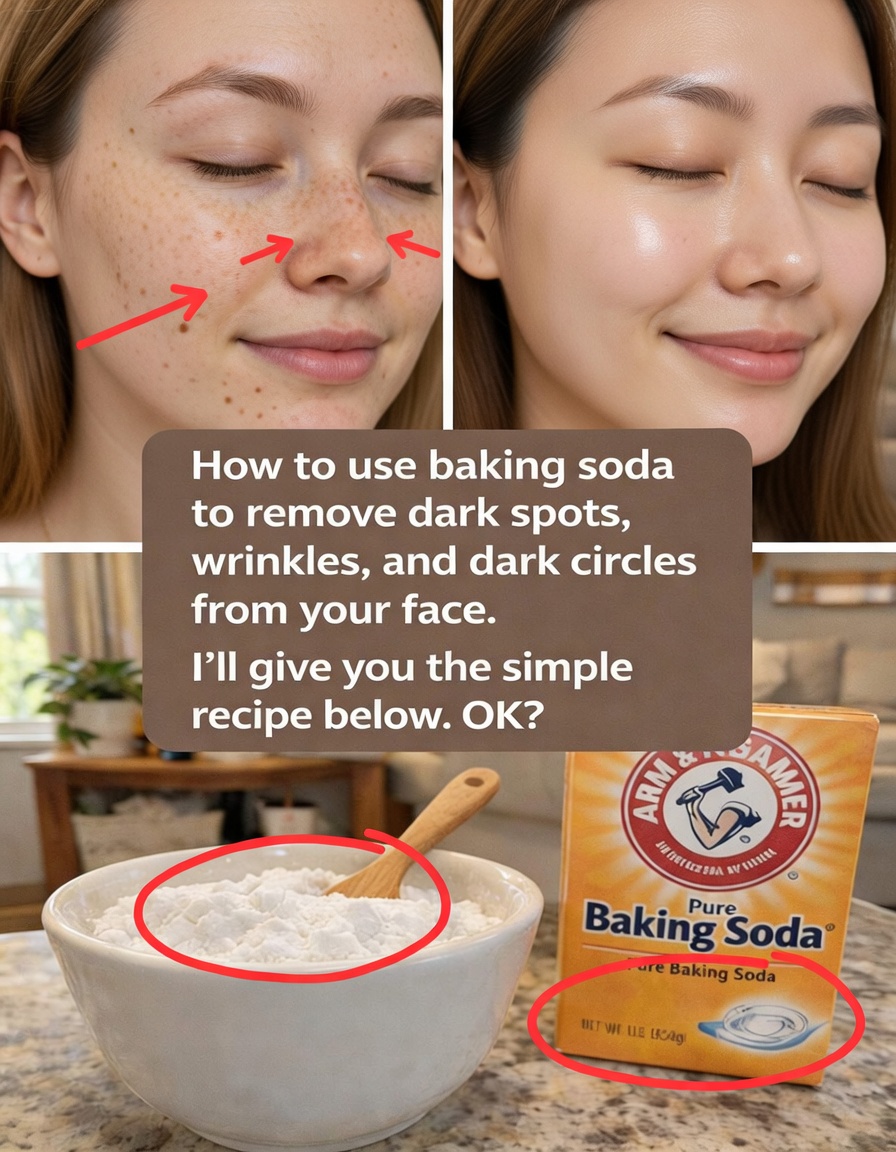
Before you try it, though, the most important step is separating the hype from the science—so you can protect your skin barrier while exploring the trend as safely as possible.
What Is Baking Soda?
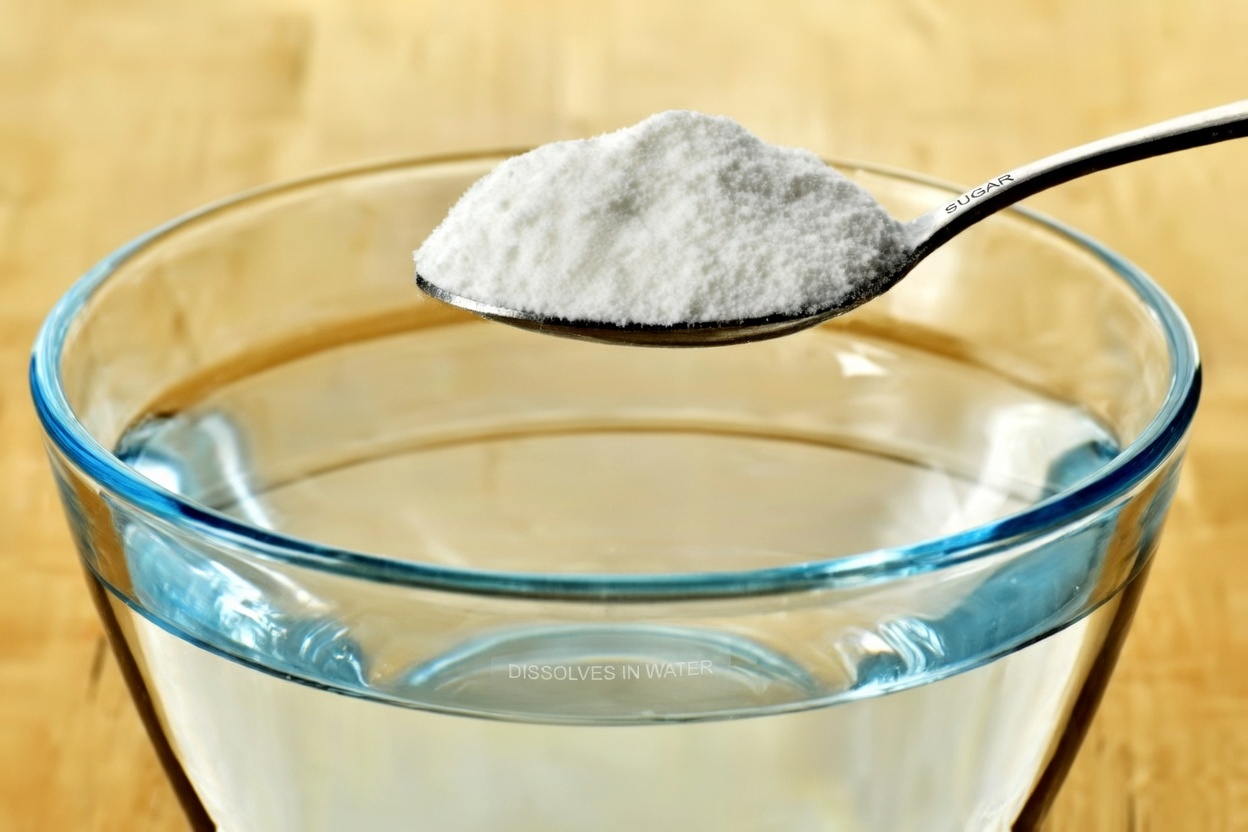
Baking soda is the common name for sodium bicarbonate, a fine white powder widely used in cooking and household cleaning. In DIY skincare, using baking soda on your face typically means mixing it with water (or another ingredient) to create a paste or mask, often with the goal of improving texture and reducing shine.
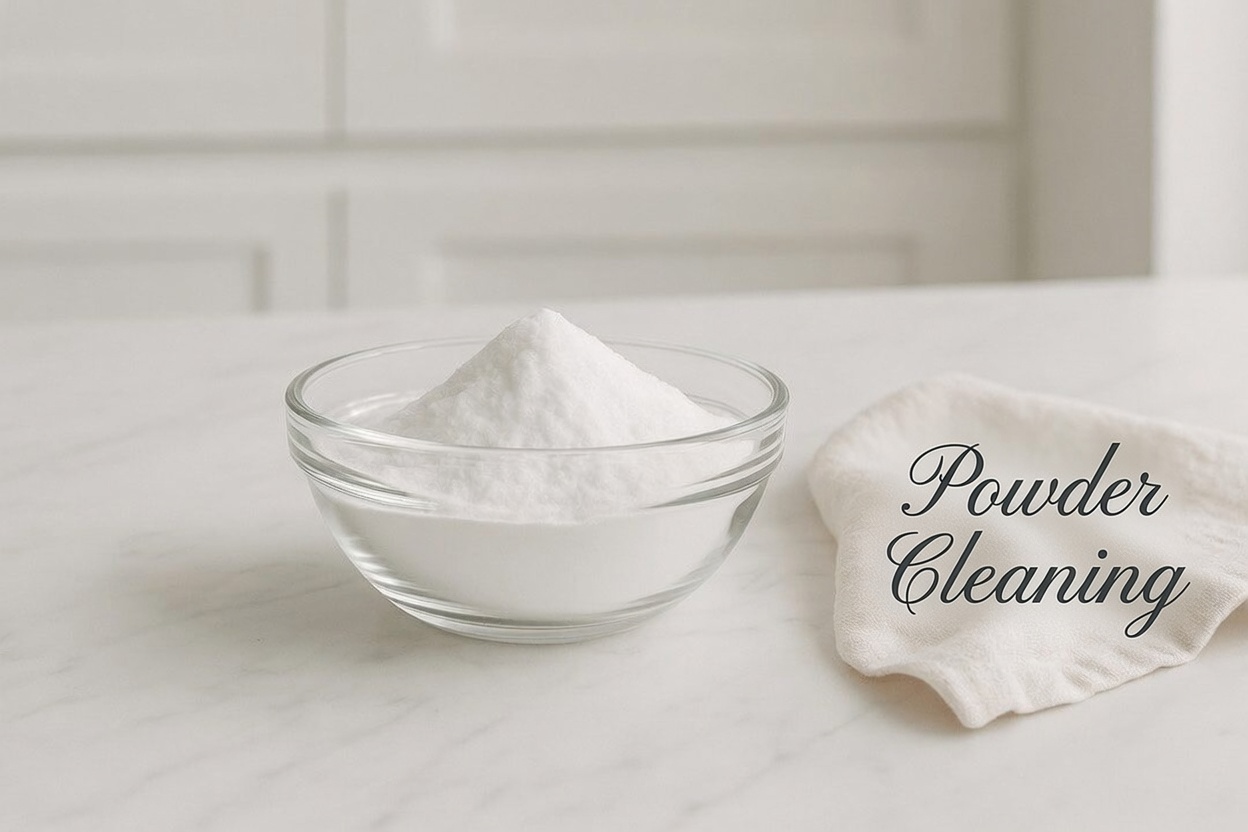
Because it can act as a mild abrasive and an absorbent, it may seem like a straightforward solution for people who feel overwhelmed by complex skincare routines. However, while baking soda has been studied and used in many personal-care contexts, applying it to facial skin requires extra caution to avoid unintended irritation.
Potential Benefits of Baking Soda on Your Face
People often reach for baking soda for facial skincare when excess oil and clogged pores lead to frequent blemishes and a “greasy” look. Here are the main reasons it’s considered:
- Temporary exfoliation and smoother feel: The fine grit can help lift surface buildup and dead skin cells, which may make skin feel softer and look a bit brighter in the short term.
- Oil absorption: Baking soda’s absorbent qualities may help reduce surface shine, which is why it appeals to those with oily or combination skin.
- Surface-level cleansing effect: Some users believe it helps keep the skin feeling “fresh,” and it may reduce certain surface impurities.
That said, these benefits are often short-lived, and they don’t automatically mean it’s safe for regular use—especially if your skin is sensitive or already inflamed.
Important Risks of Baking Soda on Your Face
Despite its popularity, baking soda on the face can create real problems—particularly dryness, stinging, and barrier damage. Many dermatology professionals caution against frequent use because baking soda is highly alkaline, while healthy skin is naturally slightly acidic.
Key risks include:
- Disrupting the skin barrier: The skin’s acidic “mantle” helps retain moisture and defend against environmental stressors. An alkaline product can interfere with that balance.
- Dryness, tightness, and flaking: When the barrier is compromised, moisture loss can increase—leading to roughness rather than smoothness.
- Redness and irritation (especially for sensitive skin): If you’re prone to sensitivity, eczema, rosacea, or inflamed acne, baking soda may intensify discomfort.
- Worsening breakouts over time: A damaged barrier can make skin more reactive, which may contribute to more irritation and blemishes—even if you see a brief improvement at first.
In other words, what starts as a “simple home remedy” can become a cycle of irritation that’s harder to correct later.
How to Use Baking Soda on Your Face Safely (If You Choose To)
If you still want to experiment with baking soda as a DIY face mask, do it conservatively to lower the chance of a negative reaction. Move slowly—especially if your skin has been stressed by other products.
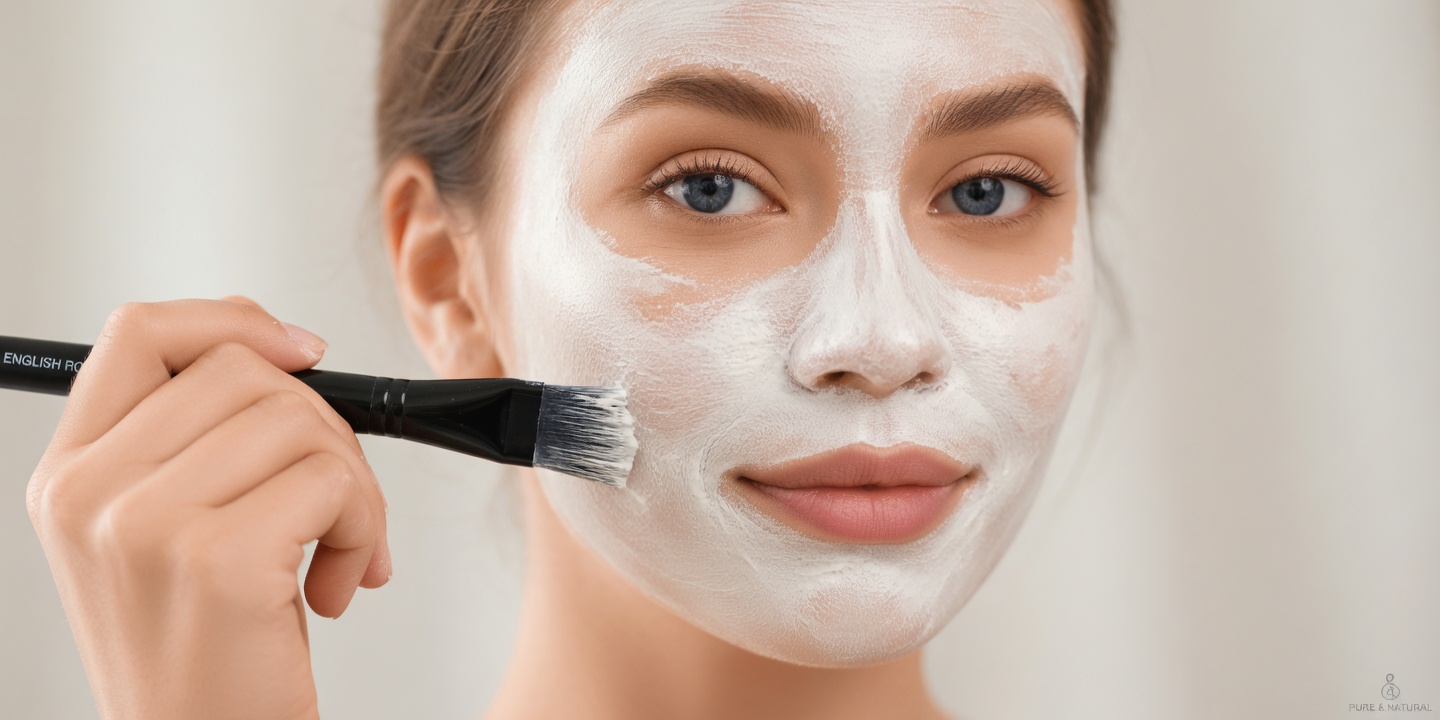
Follow these safer-use guidelines:
- Patch test first: Apply a small amount to your inner arm and wait 24 hours to check for irritation.
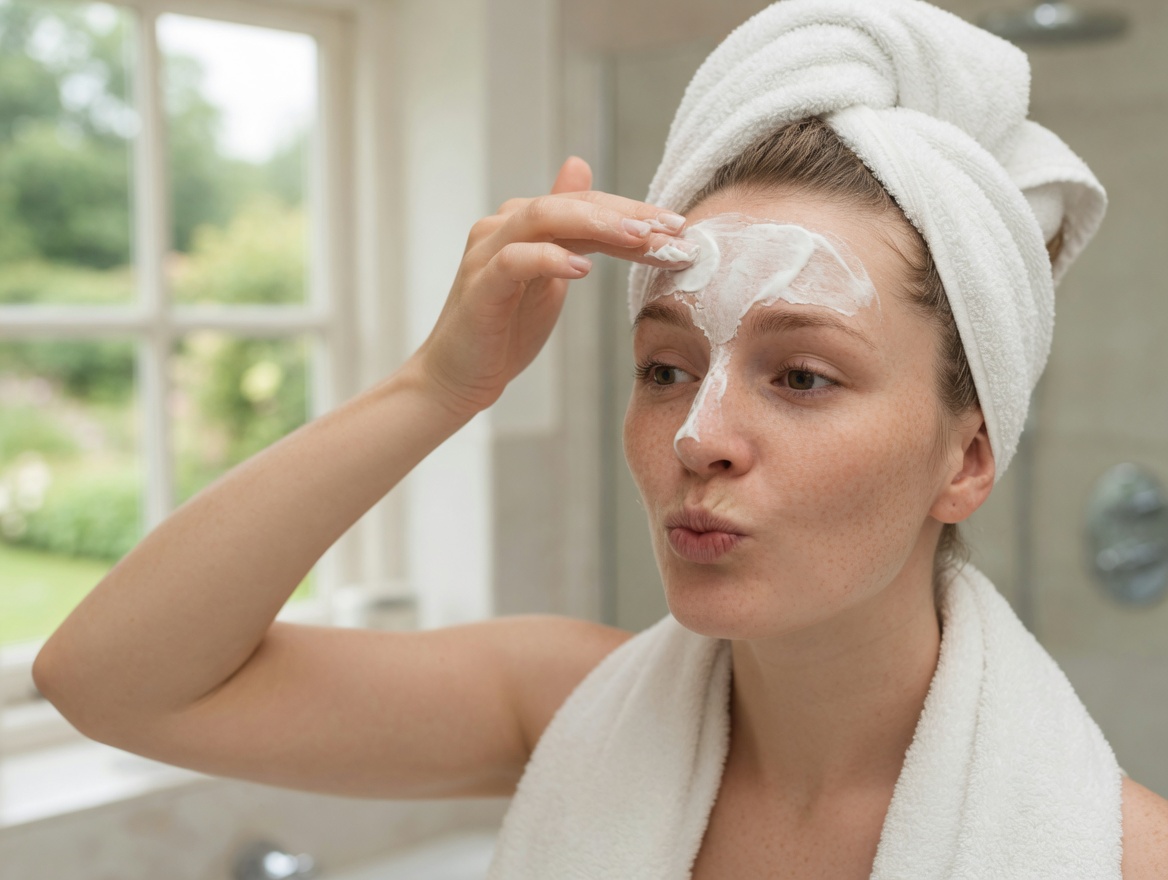
- Mix a gentle paste: Combine 1–2 teaspoons of baking soda with water until you get a thin, spreadable consistency.
- Apply lightly and briefly: Keep it on for no longer than 5 minutes.
- Limit frequency: Use at most 1–2 times per week (not daily).
- Rinse thoroughly: Remove completely with lukewarm water—no harsh scrubbing.
- Moisturize immediately: Apply a soothing moisturizer right after to support the skin barrier.
- Avoid vulnerable areas: Do not use near the eyes, on broken skin, or on active irritation.
If you feel burning, stinging, or increasing redness while it’s on your skin, rinse it off right away.
Smarter Alternatives to Baking Soda on Your Face
If your goal is smoother texture, less oil, or fewer breakouts, pH-friendly skincare is usually a more reliable long-term approach than baking soda. Many dermatologist-recommended ingredients provide similar benefits with a better safety profile.
Consider these alternatives:
- Lactic acid (AHA): Gentle chemical exfoliation that can improve texture and brightness without the harsh alkalinity.
- Salicylic acid (BHA): A go-to option for oily skin and acne, helping clear pores and reduce blackheads.
- pH-balanced cleansers and exfoliants: Products designed specifically for the face tend to be less disruptive to the skin barrier.
- Barrier-support moisturizers: Look for ingredients like ceramides, glycerin, and panthenol to improve resilience and reduce sensitivity.
These options often deliver more consistent results and reduce the risk of setbacks caused by DIY experimentation.
Conclusion: Should You Put Baking Soda on Your Face?
Struggling with dullness, oiliness, and breakouts can be draining—and it’s understandable to want a quick fix. Baking soda on your face may provide temporary exfoliation and help absorb oil, but it also comes with significant risk due to its alkaline pH and potential to weaken the skin barrier.
If you choose to try it, keep it infrequent, gentle, and short-contact, and stop immediately if irritation appears. For most people, well-formulated, pH-balanced skincare products are the safer path to steady improvement and long-term skin confidence.
Frequently Asked Questions About Baking Soda on Your Face
Can I use baking soda on my face every day for faster results?
No. Daily use is generally discouraged because it can increase dryness, irritation, and barrier disruption. Limiting use to once or twice per week is a safer upper limit for most people.
Is baking soda on your face suitable for every skin type?
Not usually. It may be tolerated occasionally by some oily skin types, but it’s often too harsh for dry, sensitive, or acne-inflamed skin. Your skin’s tolerance and condition matter more than the trend.
What should I do if baking soda causes redness or irritation?
Stop using it immediately, rinse with lukewarm water, and apply a gentle moisturizer. If redness, swelling, or discomfort lasts more than 24–48 hours, consider speaking with a skincare professional.