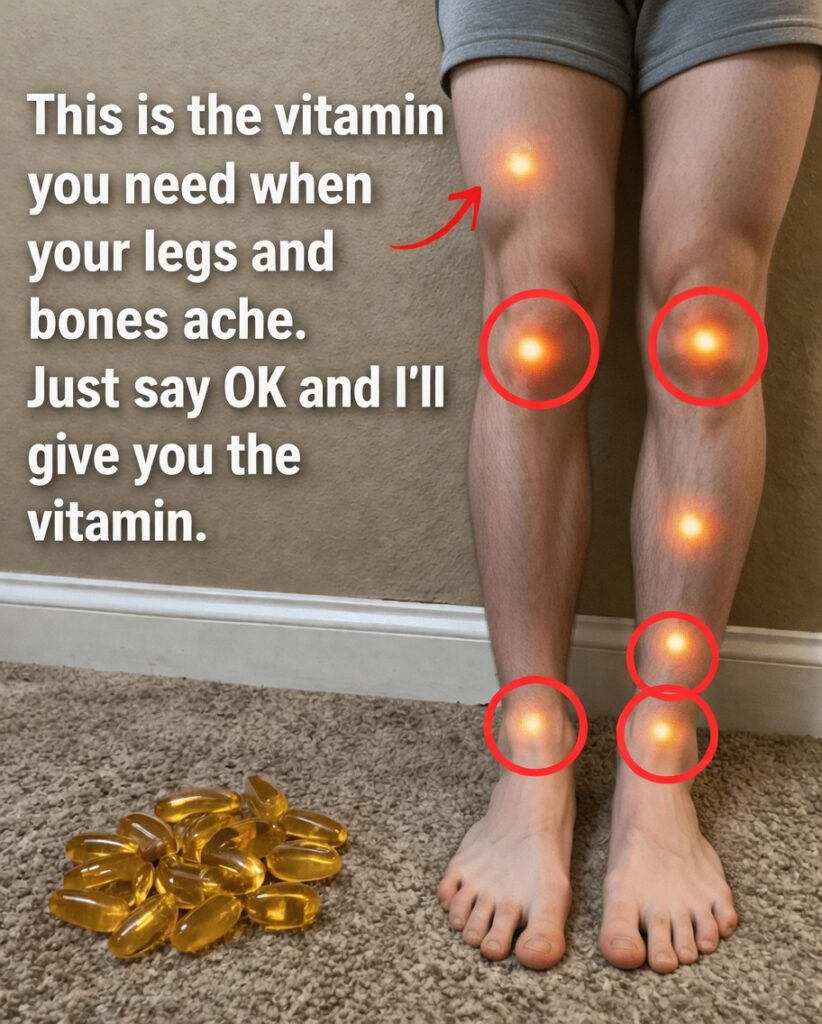
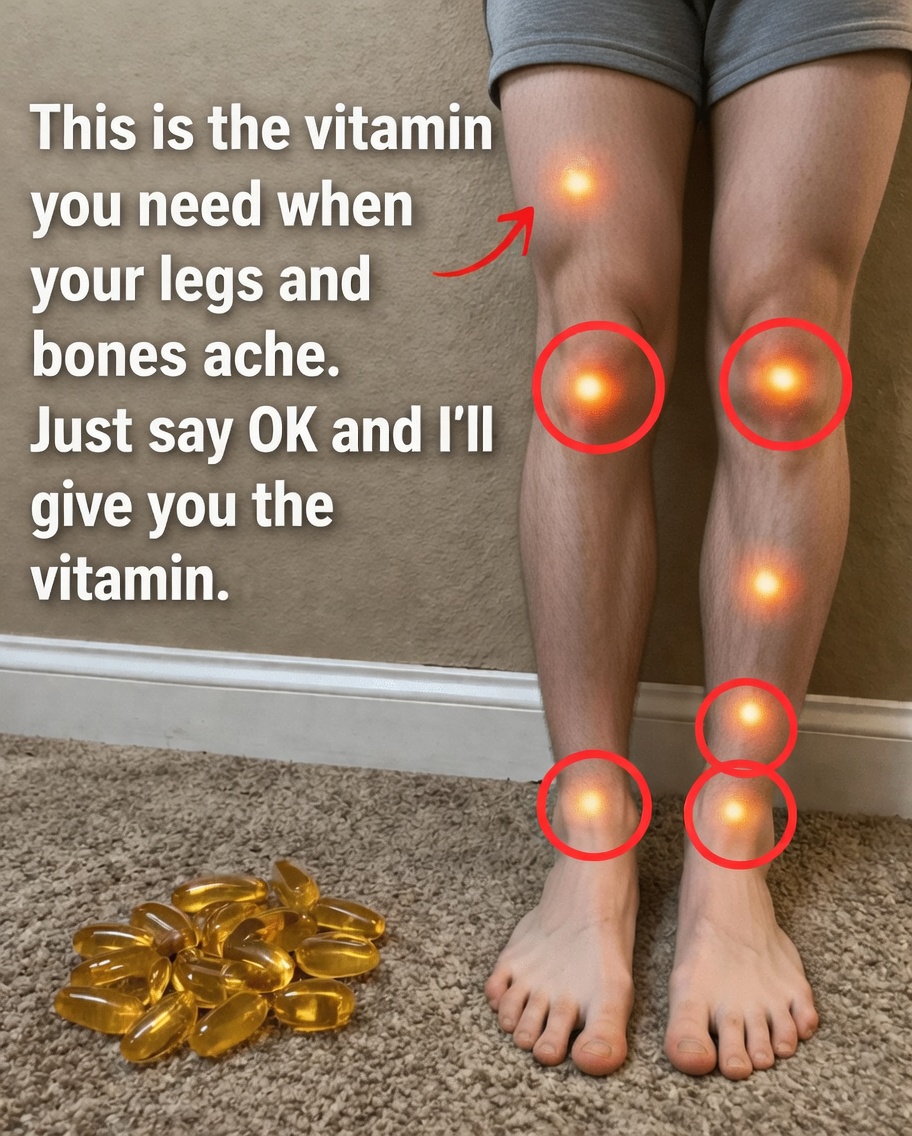
The Vitamin That May Help Ease Ongoing Leg and Bone Discomfort
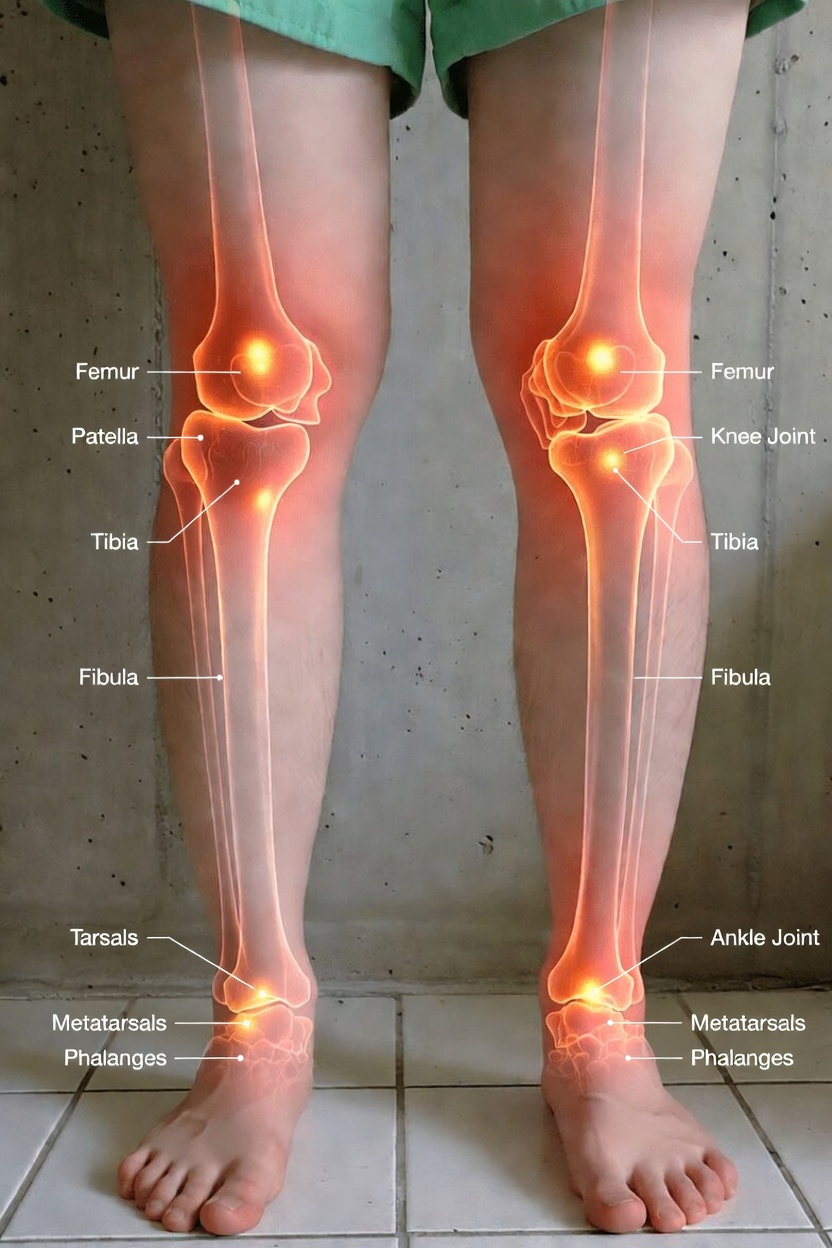
Many people deal with a dull ache in their legs or a deep soreness in their bones that never seems to fully go away, even after resting or stretching. Over time, that constant discomfort can drain your energy and make simple activities feel harder than they should. Walking with friends, keeping up with children, or finishing daily chores may suddenly come with extra fatigue and stiffness.
It can be discouraging when your body feels off, especially if you are already trying to eat well and stay active. The good news is that one essential vitamin is closely linked to bone strength and muscle comfort. That nutrient is vitamin D, and there are several easy ways to get more of it.
Why Leg and Bone Aches Are More Common Than Many People Think
Busy schedules often make it easy to ignore occasional pain in the knees, shins, hips, or lower back. These symptoms may seem random, but several everyday factors can contribute to them, including:
- Getting older
- Spending less time outdoors
- Changes in diet
- Low intake of key nutrients
Your bones and muscles need a reliable supply of nutrients to stay strong and function well. When those levels drop, ordinary movement can start to feel more tiring and uncomfortable. According to information shared by trusted medical sources such as the Cleveland Clinic, low vitamin D levels are often seen in adults who report muscle and bone discomfort. That is one reason vitamin D has become such an important topic for people who want to support mobility and daily comfort.
Vitamin D: The “Sunshine Vitamin” for Bones and Muscles
So which vitamin matters most here? It is vitamin D, often called the sunshine vitamin because the body produces it when the skin is exposed to sunlight.
Vitamin D plays a critical role in helping the body absorb calcium, which is necessary for maintaining strong bones and healthy muscle function. Medical reviews have suggested that healthy vitamin D levels may help reduce the general soreness, heaviness, and tenderness that can affect the legs and bones. It is not a cure-all, but it is one of the most studied nutrients for musculoskeletal support.
A lot of people are surprised to learn that even with a fairly healthy diet, vitamin D levels can still be low. Modern life keeps many adults indoors for most of the day, which limits natural sun exposure. In addition to supporting bones and muscles, vitamin D also contributes to immune health and overall energy, which may make uncomfortable days feel easier to manage.
How Vitamin D Supports Your Body Behind the Scenes
Vitamin D works like a signal that helps the body use calcium more effectively. It encourages the intestines to absorb calcium from food and helps direct that calcium into the bones, where it is needed most.
When vitamin D is too low:
- Bones may become less robust
- Muscles may not function as efficiently
- Everyday movement can feel heavier or more painful
- Joint and leg discomfort may become more noticeable
A 2009 review in Current Rheumatology Reports found that low vitamin D levels were commonly identified in people experiencing bone pain or muscle weakness. Similar observations published in Mayo Clinic Proceedings suggest that this type of discomfort is sometimes confused with other common conditions. The encouraging part is that improving vitamin D intake is often simple and manageable through everyday habits.
Best Natural Sources of Vitamin D
If you want to raise your vitamin D levels naturally, these foods and lifestyle habits can help without requiring major changes.
Vitamin D-Rich Foods
-
Fatty fish such as salmon, mackerel, tuna, and sardines
- A 3-ounce serving of cooked salmon can provide several hundred IU of vitamin D.
-
Egg yolks
- One large egg contains a modest but useful amount.
-
Fortified foods
- Many kinds of milk, orange juice, yogurt, breakfast cereals, and plant-based beverages are enriched with vitamin D.
-
UV-exposed mushrooms
- Mushrooms labeled as UV-treated can be a valuable source, especially for people following plant-based diets.
-
Beef liver
- Small servings offer vitamin D along with other important nutrients.
Sunlight Exposure
Sun exposure is another major source of vitamin D. For many people, spending 10 to 30 minutes in midday sunlight on the arms and legs a few times per week can support vitamin D production. The exact amount depends on:
- Skin tone
- Geographic location
- Season
- Time spent outdoors
Practical Ways to Increase Vitamin D Starting Today
Improving your vitamin D status does not have to feel complicated. These realistic steps can fit easily into a daily routine:
-
Get brief, safe sunlight exposure
- Try spending 10 to 15 minutes outdoors on most days with your arms and legs exposed for a short period.
- If you work indoors, set a daily reminder to step outside.
-
Include one vitamin D food in each main meal
- Add canned salmon to a salad.
- Choose eggs for breakfast.
- Use fortified milk or yogurt as part of snacks or meals.
-
Check nutrition labels when shopping
- Pick orange juice, dairy products, or plant milks that list added vitamin D.
-
Combine sunlight with movement
- A short walk outside gives you both light exposure and gentle leg activity, which can also support circulation and reduce stiffness.
-
Pay attention to changes in how you feel
- Keep a quick note for two weeks after making small adjustments.
- Some people notice steadier energy and less discomfort over time.
Small improvements can add up quickly, and they are often easy to maintain once they become part of your routine.
Lesser-Known Facts About Vitamin D
There are a few interesting things about vitamin D that many people have never heard:
-
Mushrooms can increase in vitamin D when placed in sunlight
- Leaving certain mushrooms in direct sun for a couple of hours may significantly raise their vitamin D content.
-
Wild-caught fish may contain more vitamin D than farmed fish
- This can make a difference if fish is one of your main dietary sources.
-
People in northern regions may need to pay extra attention to vitamin D
- In areas with long winters or limited sunlight, vitamin D intake from food or supplements may become more important.
-
People who regularly cover their skin may also be at higher risk of low levels
- Cultural clothing practices, sun protection habits, and time indoors can all reduce vitamin D production.
Frequently Asked Questions About Vitamin D
How much vitamin D do adults usually need?
General recommendations often fall between 600 and 800 IU per day for adults. Some experts suggest up to 2,000 IU daily for people with very limited sun exposure. A healthcare provider can confirm your status with a blood test and help determine what is right for you.
Can sunlight alone provide enough vitamin D?
Sometimes, yes, but it depends on several factors:
- Where you live
- The season
- Your skin tone
- How much time you spend outside
In winter or in places with limited sunlight, food sources and supplements may be needed to maintain healthy levels.
Should I consider a vitamin D supplement?
Supplements can be helpful when sunlight and diet are not enough. However, it is best to speak with a healthcare professional before starting one. They can guide you on the right dosage and form, with vitamin D3 often being the preferred choice.
Final Thoughts: Small Habits Can Make a Real Difference
Supporting healthy vitamin D levels is not about being perfect. It is about giving your bones and muscles the support they need so lingering leg aches and bone discomfort do not take over your day. A little more sunlight, smarter food choices, and consistent habits can go a long way toward helping you feel stronger and more comfortable.
Start with one or two simple changes this week and see how your body responds. Even small steps can make a meaningful difference over time.
Disclaimer
This article is for informational purposes only and does not replace professional medical advice. Always consult a qualified healthcare provider before changing your diet, lifestyle, or supplement routine, especially if you have ongoing pain, existing medical conditions, or concerns about vitamin D deficiency. Individual needs vary, and blood testing is the most reliable way to assess your vitamin D levels.