Stronger Bones After 50: Gentle Japanese-Inspired Habits for Stability, Posture, and Confidence
Many adults over 50 carry a quiet fear: that bones may be getting weaker, and one unexpected slip could change daily life overnight. Seeing friends or family cope with fractures, pain, or limited mobility can make this worry feel even more real—often leading to less movement, fewer outings, and a growing hesitation around everyday tasks.
Yet in Japan, where many people remain active well into their 90s and beyond, everyday routines—not extreme workouts—have long been used to support bone health naturally. Stay with this guide, because later you’ll learn a simple 5-minute ritual that many Japanese seniors rely on to improve posture and balance.
Why Bone Health Support Matters More After 50
From midlife onward, gradual shifts in bone density can make minor aches feel more concerning and everyday movement feel less certain. That emotional pressure often causes people to avoid activity—ironically, a pattern that can reduce strength and stability over time.
Japanese longevity leaders, including Dr. Shigeaki Hinohara (who continued practicing medicine until age 105), frequently highlighted two foundational principles for aging well: gentle daily movement and mindful, nutrient-rich eating. Research also supports this approach; for example, a 2017 paper in the Journal of Bone and Mineral Research linked consistent low-impact movement with better maintenance of bone density in older populations.

The 6 Japanese-Inspired Daily Habits That Support Stronger Bones
These practices emphasize a steady rhythm of movement and nutrition. They’re practical, low-impact, and designed to fit real life—especially for anyone looking to improve stability and reduce fear of falls.
1. Walk Daily or Choose Stairs to Encourage Bone Density
Dr. Hinohara was known for taking stairs energetically even in later life—proof that you don’t need a gym to do weight-bearing activity. Walking and stair climbing create gentle, natural impact that signals the body to maintain stronger bones.
- Aim for 10–15 minutes per day
- Consistency matters more than intensity
- Over time, this routine can help you feel more secure on your feet

2. Do a 5-Minute Wall Posture Routine Each Morning
A simple alignment practice can make a surprising difference in how stable you feel throughout the day.
How to do it:
- Stand with your back, shoulders, and head resting lightly against a wall
- Keep your heels close to the wall (as comfortable)
- Slowly raise and lower your arms like making “snow angels”
- Continue for 3–5 minutes, breathing calmly
This gentle habit supports posture, helps counter forward rounding, and may reduce the “slumped” position that can place strain on the body over time. Many older adults say they feel taller, more open, and more confident within weeks—especially when walking or standing.
3. Eat Natto or Other Fermented Soy Foods a Few Times Per Week
A standout feature of traditional Japanese eating patterns is natto (fermented soybeans). Natto provides vitamin K2, a nutrient known to work alongside calcium in supporting healthy bones.
Studies (including reports in Osteoporosis International) have associated higher vitamin K2 intake with improved bone maintenance in certain Asian populations.
- Try a small serving a few times weekly
- If natto isn’t available or isn’t your preference, consider other fermented soy options where accessible
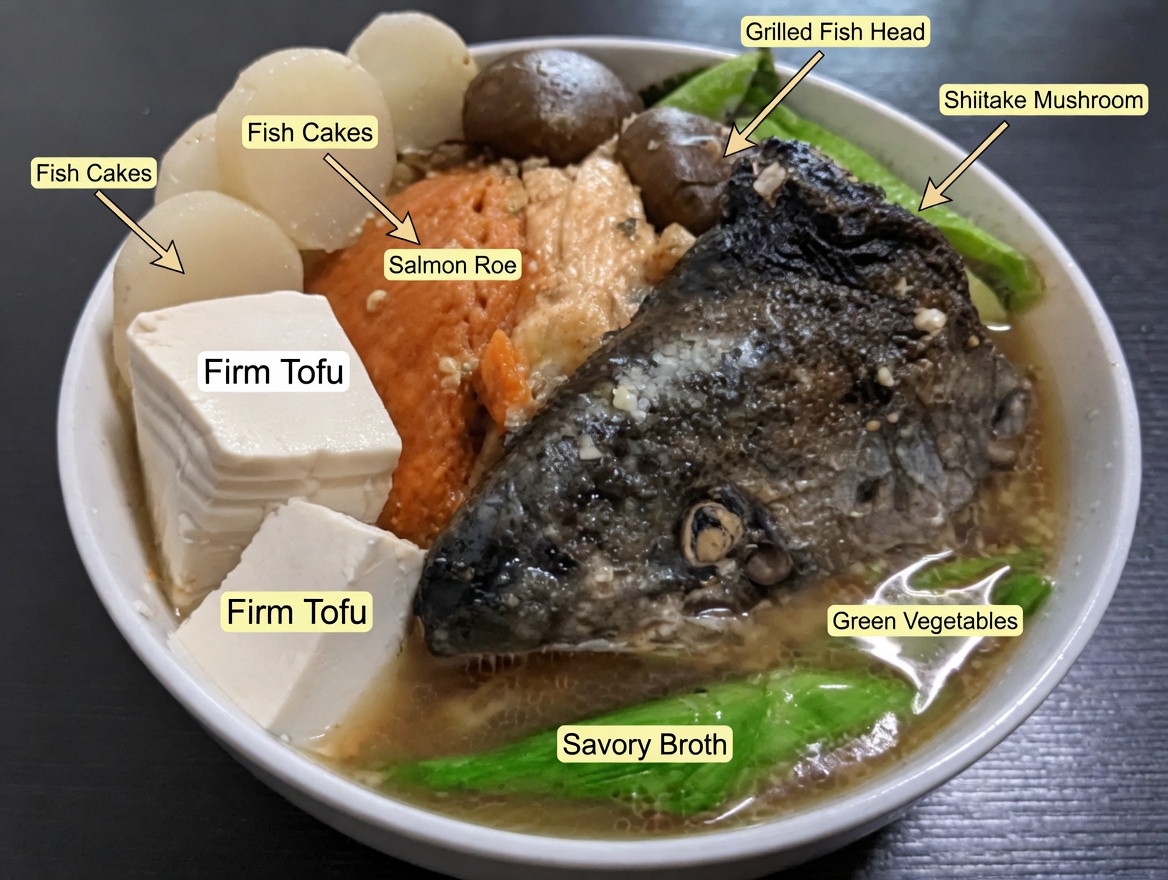
4. Add Calcium-Rich Japanese Staples: Tofu, Small Fish, Leafy Greens
Japanese-style meals often include calcium-containing foods that are easy to build into regular cooking:
- Tofu
- Leafy greens
- Small fish eaten with bones (like sardines)
This approach supports bone density through diet—not only through supplements—and many Japanese centenarians attribute long-term strength to a simple, plant-forward pattern with nutrient-dense staples.
5. Use Gentle Sit-to-Stand Reps to Build Supportive Leg Strength
Strong legs help protect the body during movement and can lower the risk of falls—one reason sit-to-stands are common in senior wellness routines.
Try this:
- Sit on a sturdy chair
- Stand up slowly, then sit back down with control
- Do 10–15 repetitions
- Use your hands only if needed at first
It takes under two minutes and can quickly improve the confidence that many people lose when they start worrying about stability.
6. Get Safe Sunlight and Stay Purposefully Active
Vitamin D plays a key role in calcium absorption, making it essential for supporting bone health. Regular, safe sunlight exposure can help maintain vitamin D levels. Pair that with purposeful activity—such as light gardening, walking to do errands, or participating in community life—and you reinforce both physical resilience and motivation.
This philosophy aligns closely with Dr. Hinohara’s emphasis on staying engaged and active. Organizations such as the Mayo Clinic also note that safe sun exposure and an active lifestyle can help support long-term bone health.
A Simple Daily Routine for Bone Health Support
Use this as an easy structure you can repeat:
- Morning: 5-minute wall posture routine + sit-to-stand set
- Midday: 10–15 minutes walking or stairs
- Meals: Include natto or tofu 3–4 times per week
- Evening: 10 minutes outdoors or gentle stretching
Small steps, repeated daily, can add up to better posture, steadier movement, and more peace of mind.
FAQs: Bone Health Support the Japanese-Inspired Way
How quickly will I feel a difference?
Many people notice improved steadiness, posture awareness, or energy within a few weeks. However, bone density changes gradually, typically over months, and depends on consistency and overall health.
Are these habits safe if I already have bone concerns?
These strategies are generally low-impact and gentle, but you should consult your healthcare professional first—especially if you have osteoporosis, past fractures, or chronic pain.
Can I do these alongside my current plan?
Yes. These habits are designed to complement medical guidance, calcium-rich eating patterns, and any prescribed treatments aimed at supporting bone density and mobility.
Start Supporting Your Bone Health Today
Worry about bone strength after 50 doesn’t have to shrink your world. By adopting steady, Japanese-inspired daily habits—walking, posture work, nutrient-dense foods, and gentle strengthening—you can support stronger bones and feel more confident in everyday movement. Choose one habit to start tonight, and build from there.
Disclaimer: This article is for informational purposes only and does not provide medical advice. Individual results vary. Speak with a qualified healthcare professional before making changes to exercise or diet, especially if you have osteoporosis or other bone conditions. Introduce new foods gradually to avoid sensitivities. Stop any activity that causes pain.