

Brain-Boosting Foods After 50: Simple Nutrition Habits for Better Focus, Memory, and Mental Clarity
Many adults over 50 begin to notice small changes in how sharp they feel from day to day. It may take longer to remember a name, the afternoon brain fog may hit harder than it used to, or thoughts may simply feel less quick and effortless. That can be discouraging when you want to stay effective at work, be present with family, and keep up with everyday responsibilities.
The encouraging part is that daily food choices can help support cognitive function and long-term brain wellness. What you eat on a consistent basis may influence focus, memory, and mental energy more than many people realize.
What if a few ordinary foods—supported by findings from large brain imaging studies—could easily fit into your lifestyle and provide meaningful support for mental performance? And before this guide ends, you’ll also learn a practical evening habit that many people over 50 use to feel more refreshed and clear-minded the next day.
Why Brain Health Becomes More Important After 50
Once you move into your 50s, it often becomes easier to notice shifts in mental performance. You may walk into a room and forget why, lose sharpness during an important conversation, or feel less alert during parts of the day. Research suggests that normal age-related changes in blood circulation and nutrient delivery to the brain may play a role, and lifestyle habits—especially nutrition—can strongly influence how well the brain is supported.
This is about more than occasional forgetfulness. When the brain is not getting the support it needs, it can affect emotional balance, motivation, processing speed, and decision-making. Many people look first to memory apps or costly supplements, but often underestimate the value of consistent, nutrient-rich eating—the brain’s daily fuel source.
General advice such as eating more vegetables and fish is helpful, but there is another layer to consider. Certain foods, especially when combined strategically and eaten at the right time, may offer more targeted support for memory, focus, and calm, steady energy.
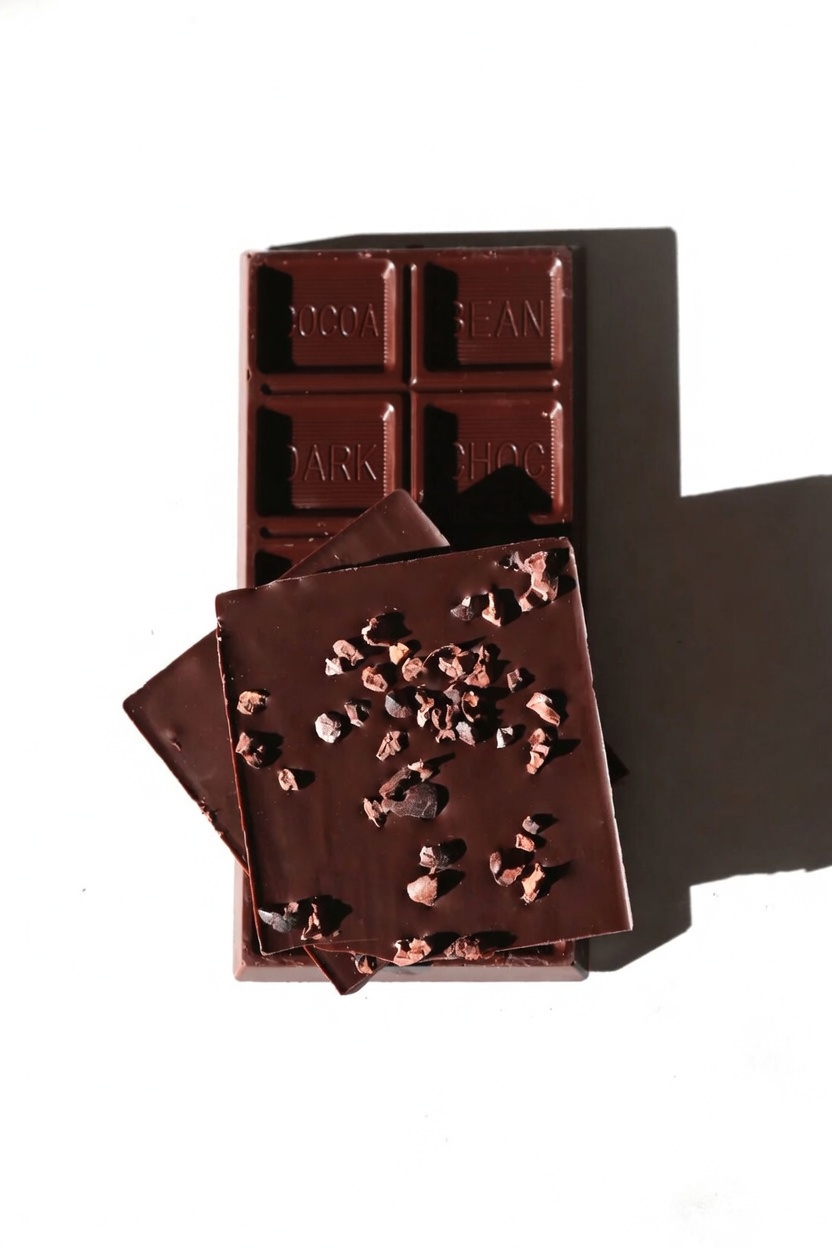
1. Dark Chocolate (85%+ Cacao): A Enjoyable Evening Habit for Mental Clarity
If your mind tends to feel dull by the end of the day, a small portion of dark chocolate could become a simple and satisfying addition to your routine. High-cacao dark chocolate contains flavonoids, natural plant compounds linked to healthy blood flow and antioxidant support in the brain.
Some people report that having around 20 to 30 grams of 88% dark chocolate in the evening helps them feel more relaxed at night and more focused the next morning. While results differ from person to person, research on flavonoid-rich cacao suggests it may support mitochondrial energy production in brain cells, which is important for stable cognitive performance.
Dark chocolate is also easy to turn into a daily ritual, making it one of the most practical foods for ongoing brain support.
2. Pumpkin Seeds: Small but Powerful for Focus and Motivation
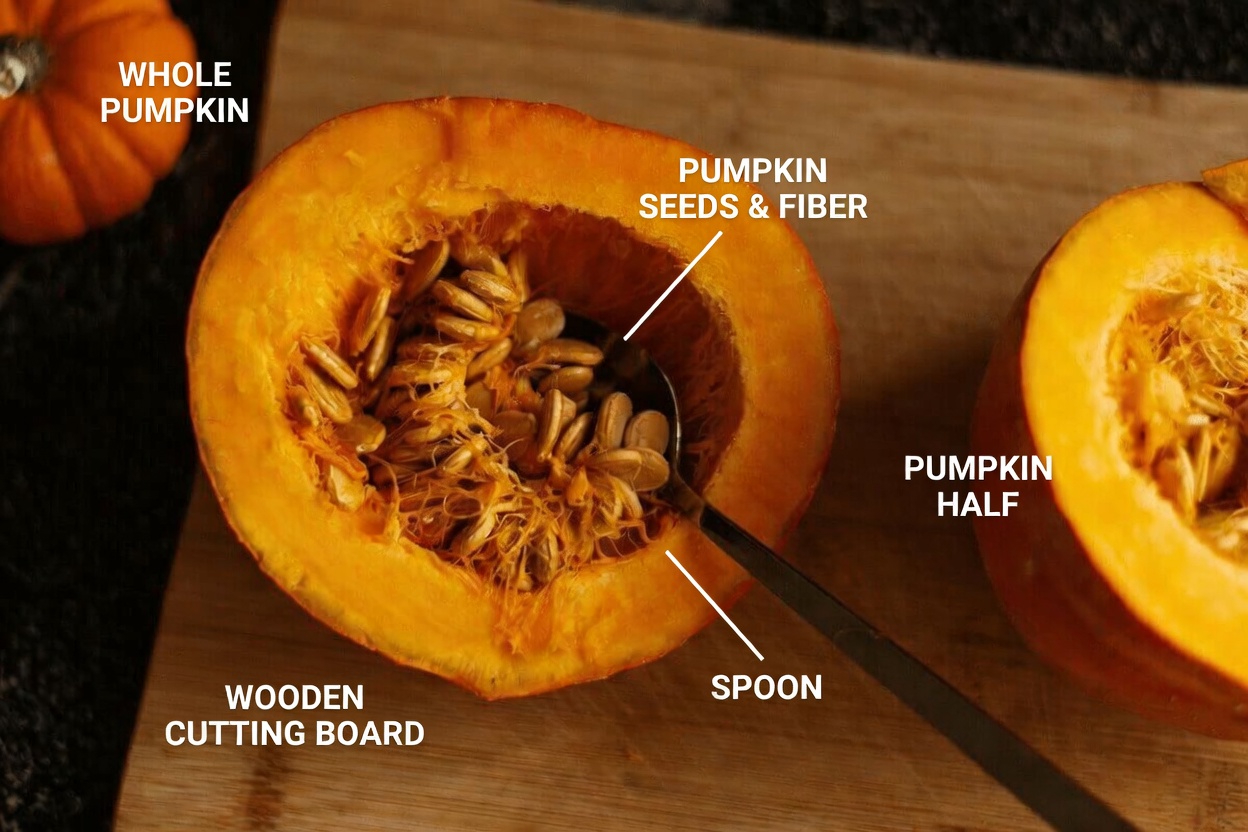
When motivation feels low or concentration is harder to maintain, pumpkin seeds can offer meaningful nutritional support. They provide magnesium, zinc, and tryptophan—nutrients that may help calm overstimulated brain pathways while supporting healthy neurotransmitter function.
Adding about a quarter cup of raw or lightly roasted pumpkin seeds to an evening snack is a simple way to nourish the brain. Many people find that this habit helps them feel less mentally scattered the following day. Their mix of minerals and amino-acid support makes them especially useful for relaxation and sustained mental energy.
3. Wild-Caught Fatty Fish: Omega-3 Nutrition for Clearer Thinking
That familiar mental slump in the afternoon may be a sign your brain needs better nutritional support. Fatty fish such as salmon, sardines, and mackerel are rich in omega-3 fatty acids, especially DHA and EPA, which help maintain healthy brain cell membranes and support balanced mood and thinking patterns.
Try to include fatty fish two to three times per week. That might mean grilled salmon for dinner, sardines added to a salad, or mackerel as part of a simple lunch. These foods nourish brain systems involved in memory, attention, and emotional steadiness.
Research on omega-3 intake repeatedly shows benefits for cognitive health, particularly when these foods take the place of more processed or less supportive options.
4. Organic Blueberries: Antioxidant Support for Memory and Concentration
If recalling names, details, or recent information feels more difficult than before, blueberries are worth adding to your routine. They are rich in anthocyanins, compounds that may enter the brain and help protect it from everyday oxidative stress.
A half-cup per day is enough to make blueberries an easy habit. Fresh or frozen berries both work well, whether eaten on their own or blended into a smoothie. They may support neuroplasticity and memory-related brain processes.
Studies involving older adults have found that regularly eating blueberries was associated with better performance on memory tasks within a matter of weeks. For a food this simple, that makes them an excellent option for morning or midday nutrition.
A Timing Strategy Many People Miss
One point that often gets left out of brain-health advice is timing. Eating certain brain-supportive foods in the evening may work well with the body’s overnight recovery processes. During sleep, the brain helps clear waste and strengthen memory from the day’s experiences.
That is why pairing dark chocolate with pumpkin seeds after dinner may be especially useful. This easy nighttime combination may leave you feeling more refreshed, focused, and mentally steady the next morning.
Other Foods That Can Further Support Brain Health
Once you have the main four foods in place, you can build on that foundation with additional choices that add variety and extra nutritional support:
- Green tea or matcha for L-theanine, which may promote calm attention without the jitters
- Turmeric with black pepper for curcumin, a compound linked to healthy inflammation balance
- Walnuts for plant-based omega-3s and polyphenols
- Avocado for monounsaturated fats that support healthy cell membranes
- Beets or beet juice for natural nitrates that encourage healthy circulation
- Broccoli sprouts for sulforaphane, which supports natural detoxification pathways
- Extra-virgin olive oil for protective plant compounds that may benefit brain tissue
- Leafy greens such as spinach and kale for nutrients like vitamin K and lutein
A 60-Day Eating Plan for Better Brain Support
You do not need to overhaul your entire diet overnight. A step-by-step plan is often easier to follow and more sustainable.
Weeks 1–2
Focus foods: Dark chocolate and pumpkin seeds at night
- Daily target: 20–30 g dark chocolate + 1/4 cup pumpkin seeds
- Track: Mood and focus on a scale of 1–10
Weeks 3–4
Add: Blueberries and fatty fish three times per week
- Daily target: 1/2 cup blueberries
- Weekly target: 4–6 oz fatty fish, 3 times per week
- Track: Memory recall and daily energy
Weeks 5–8
Add: Green tea and walnuts
- Daily target: 2 cups matcha or green tea + 1 oz walnuts
- Track: Overall mental clarity on a scale of 1–10
Print this plan or keep it somewhere visible, such as on your refrigerator. Checking off small daily actions can help build momentum quickly.
Common Brain-Health Challenges and How Food Can Help
Afternoon fog and low motivation
Many people respond with more coffee, only to deal with a later crash. Foods rich in magnesium and flavonoids may offer steadier support for mental energy.
Occasional memory slips
Brain-training games can help, but they may not be enough alone. Antioxidant-rich berries and omega-3-rich fish provide direct nutritional support for memory-related function.
Feeling anxious or mentally scattered
Some people jump straight to stronger interventions. Nutrients such as L-theanine and zinc may help promote a calmer, more balanced state naturally.
Slower mental processing
Ignoring everyday nutrition can make this more noticeable. Nitrate-rich foods like beets, along with healthy fats, may help support circulation and brain cell integrity.
Comparing Different Brain-Health Approaches
Supplements only
- Sustainability: Varies
- Cost: Often higher
- Daily use: Convenient, but not always enjoyable
Prescription-based options
- Sustainability: Depends on side effects and medical guidance
- Cost: Usually higher
- Daily use: Requires professional oversight
Food-first lifestyle approach
- Sustainability: High
- Cost: Often lower and more enjoyable
- Daily use: Easier to maintain over the long term
Easy Actions You Can Start Today
- Choose dark chocolate with at least 85% cacao and keep a small bar ready for evening use.
- Divide pumpkin seeds into reusable containers so they are easy to grab.
- Keep wild-caught salmon or other fatty fish in the freezer and plan for two or three meals each week.
- Buy organic blueberries in larger quantities and freeze part of them for smoothies.
- Pair brain-supportive foods with healthy fats like avocado or olive oil to help with nutrient absorption.
The Takeaway
Brain health after 50 is not only about avoiding decline—it is about giving your mind the support it needs to stay engaged, focused, and resilient. Small, steady choices can make a meaningful difference over time.
Dark chocolate, pumpkin seeds, fatty fish, and blueberries stand out as practical foods that may help support memory, focus, motivation, and mental clarity. Add them consistently, pay attention to timing, and build your routine gradually. Often, it is the simplest habits done daily that create the most noticeable results.