

Support Your Kidneys with Simple Daily Habits
Many adults over 45 begin to notice small changes such as occasional puffiness, lower energy, or slightly higher blood pressure at regular checkups. These early signals may suggest your kidneys are under more pressure than they should be, especially in a lifestyle filled with processed foods and nonstop routines. The encouraging part is that findings from organizations such as the National Kidney Foundation and the National Institute of Diabetes and Digestive and Kidney Diseases show that everyday habits can gently support healthy kidney function.
In this guide, you’ll learn what commonly puts stress on the kidneys, which daily adjustments matter most, and which foods can help support kidney health in a practical, realistic way.
Why Modern Life Can Be Hard on the Kidneys
As people move through midlife, rising blood pressure, blood sugar fluctuations, and weight gain can start to build up quickly. Your kidneys work continuously to remove waste, regulate fluids, and maintain the right mineral balance. When diet and lifestyle create steady low-level strain, these organs may gradually have a harder time keeping up.
Too much sodium causes the body to retain extra fluid, which increases the kidneys’ workload. A diet heavy in ultra-processed foods may also promote inflammation and oxidative stress. Harvard Health has noted that controlling these day-to-day factors can play an important role in preserving kidney health over time. The key takeaway is simple: modest but consistent improvements can create meaningful results.
Why Small Daily Changes Matter
Research continues to show that lifestyle choices have a major influence on kidney health. A 2022 narrative review published in Kidney360 connected healthy eating patterns and regular physical activity with slower progression of early kidney-related issues. The NIDDK also emphasizes that habits that protect the heart can benefit the kidneys as well.
Hydration is one of the easiest places to start. Getting enough fluids helps the body remove toxins and excess sodium more efficiently. Plain water supports kidney filtration without adding unnecessary stress. Regular movement adds another layer of protection by improving circulation, supporting healthy blood vessels, and helping with weight management. Diet ties everything together by supplying nutrients while reducing sodium and other factors that can burden the kidneys.
8 Foods That Help Support Kidney Health
Some foods stand out because they provide antioxidants, fiber, and important nutrients while remaining relatively gentle on the kidneys. Based on guidance from DaVita and the National Kidney Foundation, here are eight noteworthy options.
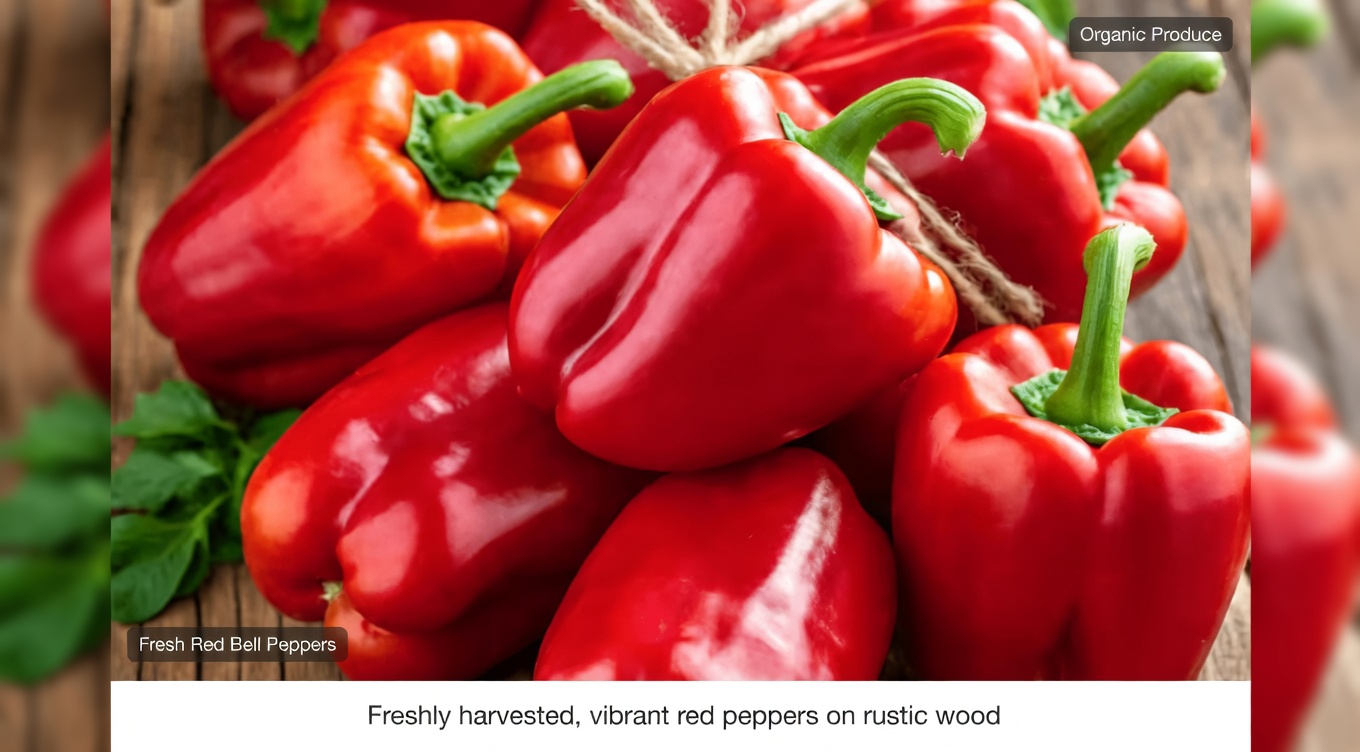
8. Red Bell Peppers
Red bell peppers are relatively low in potassium and rich in vitamins A and C. They also contain lycopene, an antioxidant that supports overall health. Add them to salads, stir-fries, or roasted vegetable dishes for color and crunch.
7. Cauliflower
Cauliflower is flexible, high in fiber, and full of vitamin C. It can be steamed, roasted, or mashed as a satisfying side dish that fits well into a kidney-conscious eating pattern.
6. Cabbage
Cabbage contains plant compounds that help the body process everyday toxins. It is affordable, easy to prepare, and works well in slaws, soups, and lightly cooked meals.
5. Apples
Apples offer pectin, a type of fiber that may help the body manage waste more effectively. They also provide antioxidants that help the body respond to daily stress. An apple makes an easy, portable snack.
4. Berries
Blueberries, strawberries, and cherries contain anthocyanins, compounds known for anti-inflammatory effects and support for vascular health. Enjoy them in moderate portions for natural sweetness and nutritional value.
3. Egg Whites
Egg whites provide high-quality protein with very little phosphorus. They are a smart breakfast option and can be used in omelets, scrambles, or other simple meals.
2. Fatty Fish Such as Salmon
Salmon and other fatty fish are rich in omega-3 fatty acids, which help support circulation and reduce inflammation. Baking or grilling fish a few times a week can be a helpful addition to a balanced routine.
1. Whole Grains and Plant-Based Choices
Brown rice, oats, and beans in sensible portions provide fiber and long-lasting energy. These foods can help with blood sugar stability and weight management, both of which are important for kidney protection. Many people feel better overall when they replace heavily processed foods with whole-food options.
Real-Life Examples of Healthy Changes
Consider Elena, a 54-year-old teacher in Florida. She struggled with afternoon fatigue and mild swelling that seemed to linger. After adding more colorful vegetables to her meals, cutting back on packaged snacks, and walking every day, she noticed a big improvement within a few months. Her energy increased, and her lab results appeared more stable. She told friends that she finally felt in control again.
James, a 61-year-old retiree in Texas, had growing concerns about high blood pressure. He made a point of drinking more water, reducing salt, and choosing leaner protein sources. At later appointments, his doctor saw better blood pressure control. James said he no longer felt like he was waiting for problems to happen. Instead, he was taking manageable steps that actually worked for him.
These stories reflect what many people experience when they pair simple habits with evidence-based guidance.
Kidney-Friendly Habits at a Glance
| Habit | How It Helps | Easy Daily Tip |
|---|---|---|
| Stay hydrated | Helps flush waste and supports filtration | Aim for 6 to 8 glasses of water a day |
| Cut back on sodium | Reduces fluid retention and pressure | Keep sodium under 2,300 mg and flavor foods with herbs and spices |
| Eat balanced meals | Supplies nutrients and may reduce inflammation | Fill half your plate with vegetables or fruit |
| Move regularly | Supports circulation and weight control | Take a 30-minute walk most days |
| Manage weight, blood pressure, and blood sugar | Lowers the overall burden on the kidneys | Track progress with regular monthly check-ins |

Signs Your Routine May Need Improvement
If several of these sound familiar, it may be time to make a few small changes:
- Frequent bloating or puffiness
- Noticeable afternoon energy crashes
- Gradually rising blood pressure numbers
- Meals built mostly around processed foods
- Drinking mostly sugary or caffeinated beverages instead of water
Even small adjustments can make a clear difference over time.
A Simple Daily Routine for Kidney Support
Morning
- Begin the day with a full glass of water
- Add lemon if you like a fresh taste
At Meals
- Fill half your plate with vegetables such as cauliflower or bell peppers
- Focus on balanced portions and less packaged food
During the Day
- Take a short walk after meals
- Stretch or stand up regularly if you sit for long periods
Evening
- Choose herbal tea instead of salty snack foods
- Keep dinner lighter and less processed when possible
Weekly
- Review portion sizes
- Replace one processed food item with a whole-food alternative
Frequently Asked Questions
How much water do I actually need each day?
For many adults, 6 to 8 glasses of plain water is a reasonable target. However, needs vary depending on body size, climate, and activity level. The goal is steady hydration throughout the day rather than drinking large amounts all at once.
Do I need to completely avoid certain foods?
Usually not. Most experts recommend limiting heavily processed, high-sodium foods rather than banning everything outright. If you already have kidney concerns, you may also need to be mindful of high-potassium or high-phosphorus foods. In most cases, balance and portion control matter most.
When should I talk to my doctor?
Speak with your healthcare provider if symptoms continue, or before making major dietary changes, especially if you have a chronic condition, existing kidney concerns, or take medication. Personalized advice helps ensure that your plan is safe and effective.
Your Kidneys Deserve Steady, Gentle Care
You do not need a strict diet or costly supplements to support kidney health. Regular hydration, smarter food choices, and daily movement can reduce strain in a quiet but meaningful way. Start with one manageable habit tomorrow, such as drinking an extra glass of water or choosing a vegetable-heavy lunch, and see how you feel by the end of the week.
Pay attention to your energy, comfort, and overall well-being over the next month. These small investments often add up over the years. The body functions best when it receives consistent care. Share one of these tips with someone close to you because healthy habits are easier to build together.
Important Note
This article is intended for informational purposes only and should not replace professional medical advice. Always consult your healthcare provider before changing your diet, exercise routine, or lifestyle, especially if you have kidney problems, chronic health conditions, or take medications.