
Why Peeing After Sex Is a Simple Habit Worth Keeping
After a warm, intimate moment, it is completely natural to want to stay in bed, cuddle, and fall asleep. But there is one quick habit many couples overlook that may help you feel more comfortable afterward: going to the bathroom soon after sex.
During intercourse, friction and close contact can move bacteria toward sensitive areas without you noticing it right away. That shift can sometimes contribute to irritation, burning, or a frequent urge to urinate later on. Women are generally more vulnerable because of their anatomy, but this small self-care step can support urinary comfort for both partners.
The good news is that this is easy to do. A short bathroom trip after sex may help your body stay balanced, and over time it can become a simple part of a healthy routine.
Why This Small Routine Matters More Than People Think
That relaxed post-sex feeling makes it tempting to stay exactly where you are. Even so, many medical professionals recommend urinating shortly after intimacy as a practical and low-effort habit.
This advice is not about fear or dramatic health concerns. It is simply a gentle way to support the body’s natural defenses.
For many adults, especially women, peeing after sex may reduce the chance of everyday urinary discomfort. Health organizations and clinicians, including experts cited by the Cleveland Clinic, often mention it as a useful preventive measure. It is not a guaranteed fix, but it is harmless, quick, and often beneficial.
What many people do not realize is that ignoring this habit repeatedly may allow minor irritation to happen again and again over time. That can affect comfort, confidence, and even how relaxed intimacy feels. Turning it into a shared routine can make a noticeable difference without requiring any major lifestyle change.
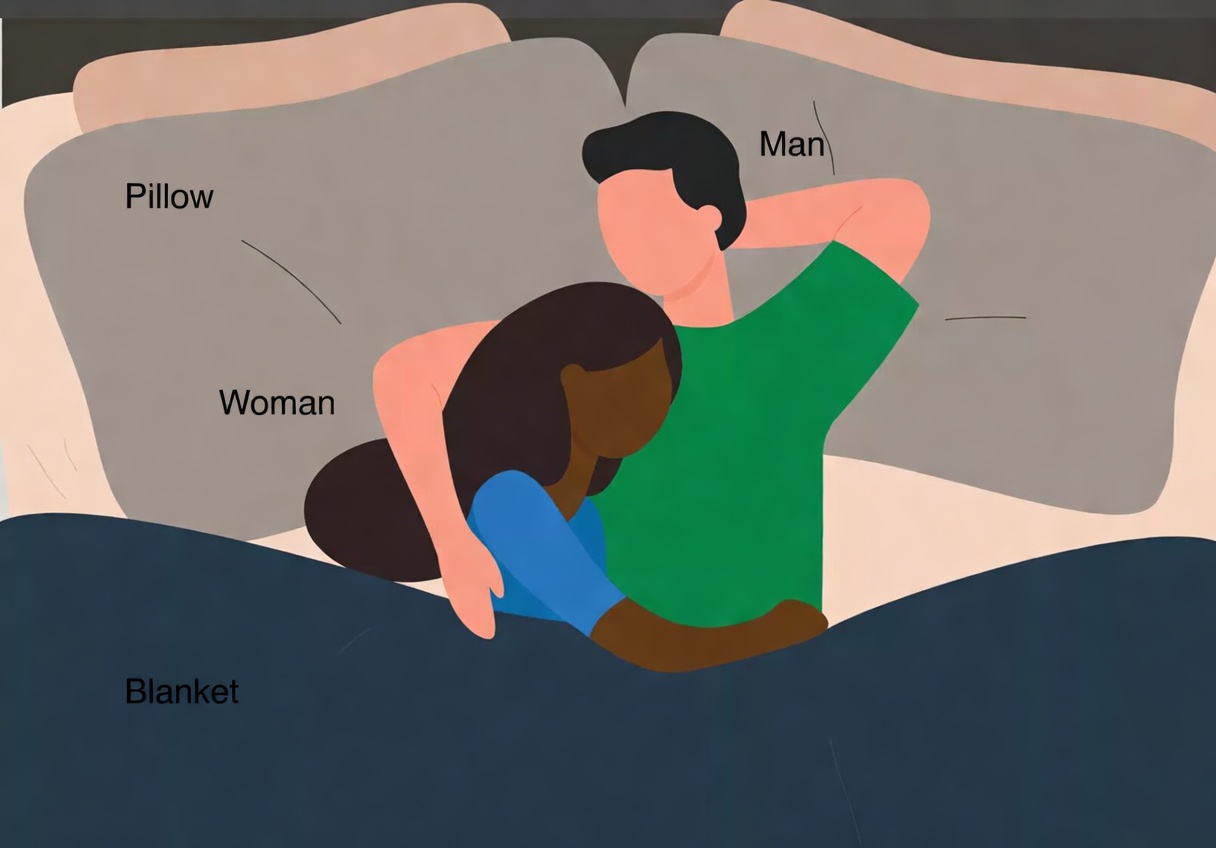
The Link Between Sex and Urinary Health
Sex does not automatically cause urinary problems. In many cases, the body manages everything without issue. Still, intimacy can bring bacteria closer to the urethra, which is the small tube that carries urine out of the body.
For women, this matters more because:
- The urethra is shorter
- It is located closer to the vagina and anus
- Bacteria can move more easily toward the urinary tract
Men have a longer urethra, which naturally lowers the risk. Even so, hygiene and bladder habits still matter for men as well.
The reason peeing after sex is often recommended is simple: urination creates a flushing effect. That flow may help remove bacteria or irritants before they settle and cause discomfort.
Although research on the exact level of protection is mixed, the general medical view is straightforward:
- It is safe
- It is easy
- It may help support urinary comfort
Top Benefits of Peeing After Sex
1. It May Help Flush Out Bacteria
One of the main reasons experts recommend peeing after sex is that it may help clear bacteria from around the urethra. This natural rinse can lower the chance of irritation developing later.
2. It Can Bring Immediate Relief
A full bladder can sometimes create pressure during or after intimacy. Emptying it may help you feel more relaxed and physically comfortable, especially when the moment is over and you want to unwind.
3. It Supports Everyday Urinary Wellness
Healthy bladder habits already include staying hydrated and urinating regularly. Adding a bathroom trip after sex fits naturally into that routine and supports overall urinary health.
4. It Encourages Better Shared Hygiene
For couples, this small step can improve the sense of freshness after intimacy. It may also reduce the chance of minor irritants being passed back and forth.
5. It May Help People Prone to Recurring Irritation
If you often notice discomfort after sex, consistency matters. Some clinical observations suggest that urinating within about 30 minutes may offer added support, particularly for younger women or those more sensitive to post-sex irritation.
6. It Can Benefit Men Too
Even though men are less likely to develop urinary issues from sex, peeing afterward can still help clear residual fluids and ease mild pelvic or bladder pressure. It is not a treatment for prostate problems, but it can still support comfort.
7. It Offers Peace of Mind
Sometimes the greatest benefit is simply knowing you are doing something proactive for your health. This tiny ritual can help couples feel more at ease and even turn into a light, normal part of intimacy.
When Should You Pee After Sex?
Timing matters. If possible, try to urinate within 15 to 30 minutes after sex. Sooner is generally better because that is when the flushing effect is most useful.
If you do not feel the urge right away, do not worry. That is normal. A little water can help encourage it naturally.
Easy Ways to Make This Habit Stick
Use these simple steps to make it effortless:
- Pee soon after intimacy, ideally within half an hour
- Drink enough water during the day to support healthy urination
- Clean gently before and after sex with plain water or fragrance-free wipes
- Make it part of your shared routine instead of treating it like an interruption
Many couples assume it ruins the mood, but in reality it usually takes less than a minute and can actually make the afterglow more comfortable.
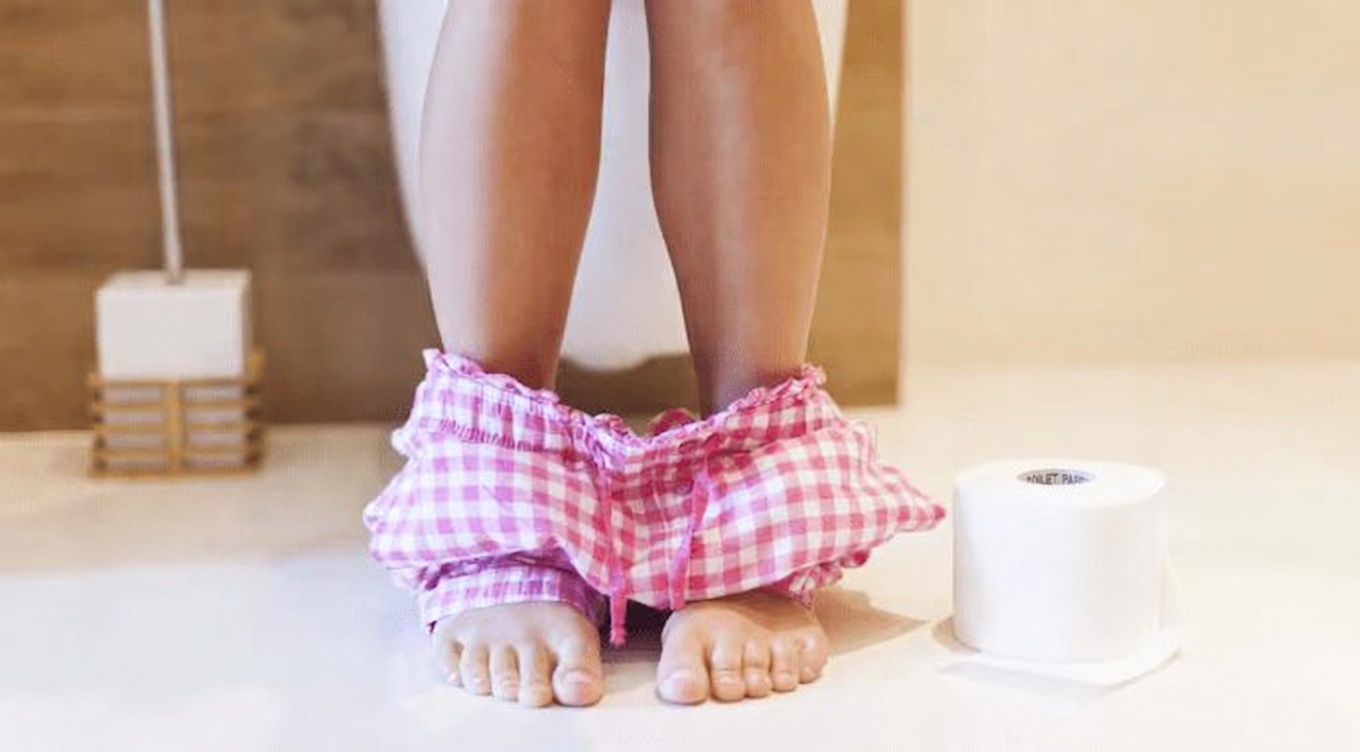
Women vs. Men: How This Habit Helps Each Group
Here is a quick comparison of why peeing after sex matters for both women and men:
-
Women
- Main benefit: may help flush bacteria and reduce urinary irritation
- Risk level: higher due to anatomy
- Recommendation: strongly worth doing regularly
-
Men
- Main benefit: supports hygiene and may reduce minor discomfort
- Risk level: lower
- Recommendation: helpful addition with little to no downside
-
Both Partners
- Main benefit: supports urinary wellness and post-sex comfort
- Risk level: generally low
- Recommendation: easy habit to include in self-care
This is why the advice is often directed more strongly toward women, even though both partners can benefit.
Practical Tips You Can Start Using Tonight
If you want to make this part of your routine, try these ideas:
- Keep a glass of water by the bed for an easy sip afterward
- Build a mental cue: cuddle first, then take a quick bathroom break
- For women, wipe from front to back for added protection
- Pay attention to how you feel over the next couple of weeks
- If you are prone to discomfort, combine this habit with better daily hydration
These are small, no-cost changes that can quickly feel natural.
Common Questions About Peeing After Sex
Does peeing after sex prevent infections every time?
No. It is not a guarantee. However, it may help reduce risk by flushing out bacteria, especially when combined with good hygiene and regular hydration.
Is it only important for women?
No. Women are usually advised to do it more consistently because of anatomy, but men can benefit too. It is a simple habit with little downside for either partner.
What if I do not feel like peeing right away?
That is completely fine. Drink some water, relax, and go when the urge comes. There is no need to force it, though going within 30 minutes is ideal when possible.
Final Thoughts
Peeing after sex is a small action, but it can make a meaningful difference in daily comfort. Its biggest advantages are simple: it may help flush bacteria, ease pressure, and support better hygiene.
Because it is fast, free, and easy to do, it is a habit worth trying. The next time intimacy ends, take that quick trip to the bathroom. Your body and your peace of mind may both benefit.