
As people get older, physical changes often appear little by little. Tasks that once felt effortless—carrying groceries, standing up from a chair, or walking up stairs—may begin to require more effort. Over time, this can affect confidence, independence, and overall quality of life. The good news is that daily nutrition can help support muscle strength, especially when combined with regular movement. Even better, the seven foods below are easy to find and simple to add to everyday meals.
There is also one key detail many people overlook: these foods can work even better when paired strategically. At the end of this article, you’ll learn an easy combination method you can start using right away.
Why Muscle Support Becomes More Important With Age
It is normal for muscle strength to decline gradually over the years. That is why many older adults pay closer attention to habits that help preserve it. The goal is not perfection or dramatic change—it is maintaining the ability to live actively and independently.
Leading health research shows that meals rich in protein and other essential nutrients can help support strength, balance, and daily function. When these eating habits are matched with consistent physical activity, the benefits are even greater.
The best part is that you do not need expensive powders, trendy programs, or complicated meal plans. Regular foods from the grocery store can provide the nutrients your body needs to help maintain muscle health.
How Nutrition Helps Support Muscle Health in Older Adults
Research continues to show that older adults often benefit from spreading protein intake across the day instead of eating most of it in a single meal. A common target is around 25 to 30 grams of protein per meal, which may help the body use those nutrients more effectively.
Other nutrients matter too. Omega-3 fats, leucine-rich proteins, and minerals like magnesium all play helpful roles in muscle function and recovery. Large reviews of nutrition studies suggest that older adults who focus on these nutrients—while staying moderately active—often experience better energy, mobility, and physical resilience.
That is why whole foods remain one of the most practical and effective choices. Below are seven everyday foods that offer strong nutritional support in a simple, enjoyable way.
7 Everyday Foods That Can Help Support Muscle Strength
These foods are affordable, widely available, and flexible enough to fit into breakfast, lunch, dinner, or snacks.
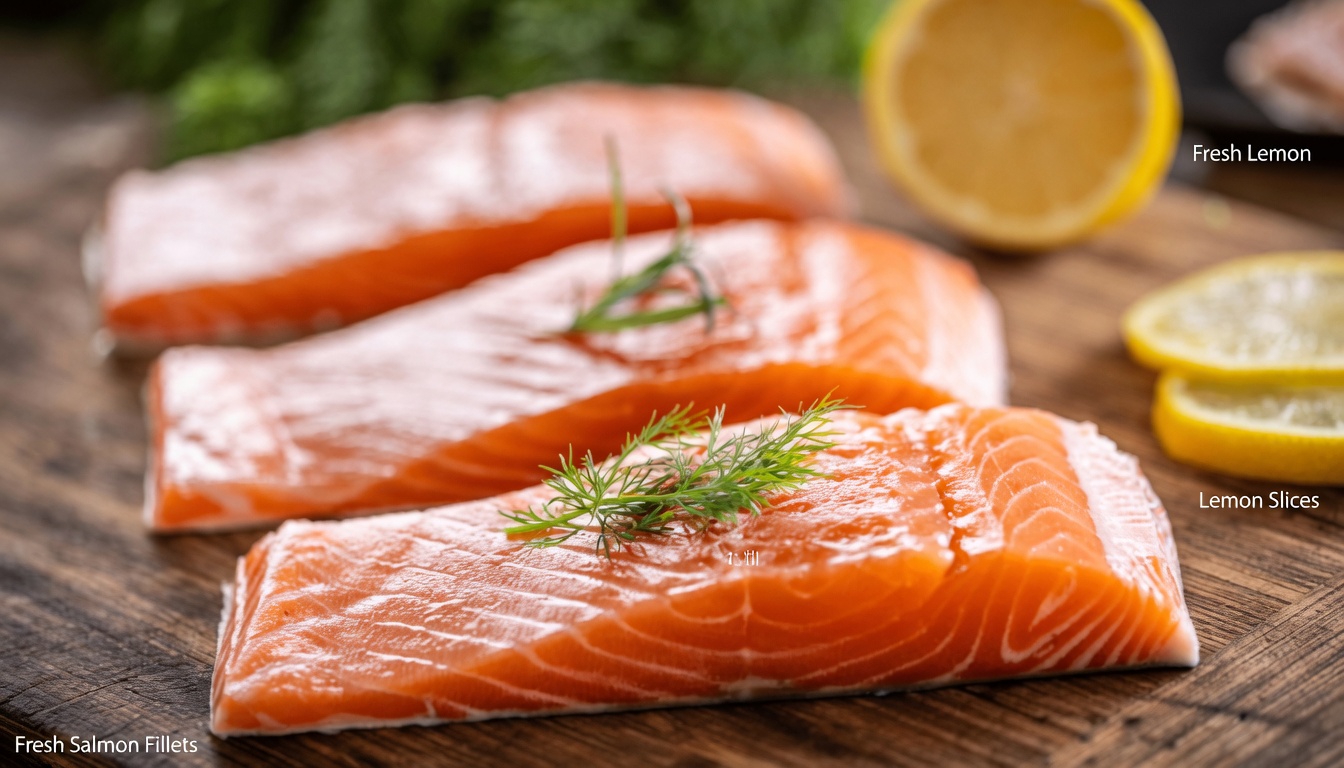
1. Salmon and Other Fatty Fish
Salmon, sardines, trout, and similar fish provide high-quality protein along with omega-3 fatty acids. Studies link omega-3s to better muscle function and overall physical health. A serving of about 3 to 4 ounces usually contains around 20 to 25 grams of protein.
You can grill, bake, or pan-cook fish, or add it to salads and grain bowls for an easy meal.
2. Eggs
Eggs are a complete protein source, meaning they contain all the essential amino acids your body needs. They are especially rich in leucine, which helps support muscle maintenance. Two large eggs offer about 12 grams of protein, along with vitamins that contribute to recovery and daily wellness.
They are easy to prepare in many ways:
- Scrambled for breakfast
- Boiled for snacks
- Added to salads or sandwiches
- Folded into vegetable omelets
3. Greek Yogurt
Greek yogurt is thick, satisfying, and naturally high in protein. One cup can provide close to 20 grams, depending on the brand. It also contains probiotics that support gut health, and some varieties include added vitamin D, which helps support bone and muscle coordination.
For a balanced snack or breakfast, try it with:
- Fresh berries
- Chopped nuts
- Seeds
- A small drizzle of honey
4. Chicken Breast
Chicken breast is one of the easiest lean protein options to include in a routine. A cooked 3-ounce portion typically provides about 25 grams of protein while remaining relatively low in fat.
It works well for meal prep because it can be cooked in advance and used throughout the week in:
- Wraps
- Soups
- Salads
- Rice or grain bowls
5. Lentils and Beans
Lentils, black beans, chickpeas, and other legumes are excellent plant-based choices. A cooked cup usually delivers around 15 to 18 grams of protein, along with fiber and magnesium. They are budget-friendly, filling, and easy to store.
These foods can be used in many simple meals:
- Soups and stews
- Salads
- Side dishes
- Vegetarian bowls or patties
6. Almonds and Other Nuts
Almonds offer a helpful combination of healthy fats, magnesium, and protein. A 1-ounce serving contains about 6 grams of protein. Magnesium is especially important because it supports normal muscle contraction and relaxation.
Other good options include:
- Walnuts
- Pistachios
- Cashews
A small handful makes a convenient snack at home or on the go.
7. Spinach and Other Leafy Greens
Spinach, kale, and similar greens supply magnesium, vitamin K, and antioxidants that help support recovery and physical function. Cooked spinach, in particular, offers a concentrated source of these nutrients.
Leafy greens are easy to work into meals by:
- Sautéing them with garlic
- Blending them into smoothies
- Adding them to omelets
- Mixing them into soups or pasta dishes

The Best Way to Combine These Foods for Better Results
These foods become even more effective when you pair protein-rich options with nutrient-dense sides. That combination helps your body access and use key nutrients more efficiently throughout the day.
Here are a few simple examples:
- Salmon served over spinach for protein, omega-3s, and magnesium
- Eggs with Greek yogurt for a balanced, protein-rich breakfast
- Chicken with lentils for a meal that combines lean protein, fiber, and minerals
- Greek yogurt topped with almonds for protein plus healthy fats
- Beans and leafy greens together for plant-based protein and magnesium
This balanced approach can make each meal more supportive and satisfying.
Easy Ways to Start Adding These Foods Today
If you want to turn this into a practical routine, start small. A few simple adjustments can make a big difference over time.
1. Improve breakfast
Choose a higher-protein option to begin the day. For example:
- Greek yogurt with almonds and fruit
- Eggs with sautéed spinach
- A smoothie with yogurt and leafy greens
2. Build lunch around protein
Make protein the center of your midday meal:
- Grilled chicken with lentil salad
- Salmon with greens
- Bean bowls with vegetables
3. Keep better snacks ready
Prepare nutrient-rich snacks so healthier choices are easy:
- Hard-boiled eggs
- Small containers of almonds
- Greek yogurt cups
4. Keep dinner simple
You do not need complicated recipes:
- Baked fish with spinach
- Soup with lentils and vegetables
- Chicken with beans and greens
5. Pay attention to how you feel
After one or two weeks of more consistent meals, notice whether you feel:
- More steady energy
- Easier movement during daily tasks
- Better satisfaction after meals
Small changes often become more noticeable when repeated regularly.
Why Exercise Still Matters
Nutrition is only one part of the picture. Physical activity and healthy eating work best together. Even light movement—such as walking, stretching, or gentle strength exercises—can help increase the benefits of these foods.
A daily 20-minute walk or a basic home strength routine may support:
- Better mobility
- Improved balance
- Greater endurance
- Stronger overall function
This combination helps the body stay more capable and resilient with age.
Conclusion: Simple Daily Choices Can Make a Real Difference
Supporting muscle strength as you get older does not have to be complicated. It often comes down to making smart, steady choices at mealtime and staying physically active in ways that fit your lifestyle.
The seven foods listed above are practical, flavorful, and supported by nutrition research. Start by adding one or two to your meals this week, then use the pairing strategy to get even more value from them. Over time, these small daily decisions can help you feel stronger, more energetic, and more confident in everyday life.
Your future health may be shaped by the simple choices you make today.
FAQ
How quickly can I notice a difference after adding these foods?
Some people notice better energy and easier daily movement within a few weeks, especially when nutrition is combined with light exercise. Results vary from person to person, but consistency matters most.
Do I need protein supplements if I eat these foods regularly?
Many healthy adults can meet their protein needs through whole foods alone. If you have special dietary needs, medical conditions, or appetite challenges, speak with your healthcare provider before using supplements.
Can this plan work for people who prefer plant-based meals?
Yes. Lentils, beans, nuts, and leafy greens offer strong plant-based nutrition. With thoughtful meal planning, plant-focused eaters can still build balanced meals that support muscle health.
Disclaimer
This article is for informational purposes only and should not be considered medical advice. Always consult a qualified healthcare professional before making major changes to your diet or exercise routine, especially if you have existing health concerns. Individual results may vary.