
If blood sugar ups and downs are draining your energy and making you anxious about long-term health, it’s natural to look for simple, food-based support. Purple onion (often called red onion) is more than a colorful garnish—its plant compounds may modestly support healthier glucose patterns when used as part of an overall balanced lifestyle. The research is promising but not magical. Later, you’ll find practical, everyday ways to include it—without hype or unrealistic expectations.

What Is Purple Onion (Red Onion) and Why It Matters for Blood Sugar
Purple onion is a variety of Allium cepa recognized by its purple-red skin, crisp texture, and sharp bite. For people who experience energy dips after meals or feel stressed by frequent glucose checks, adding purple onion can be an easy, familiar step toward a more supportive eating routine.
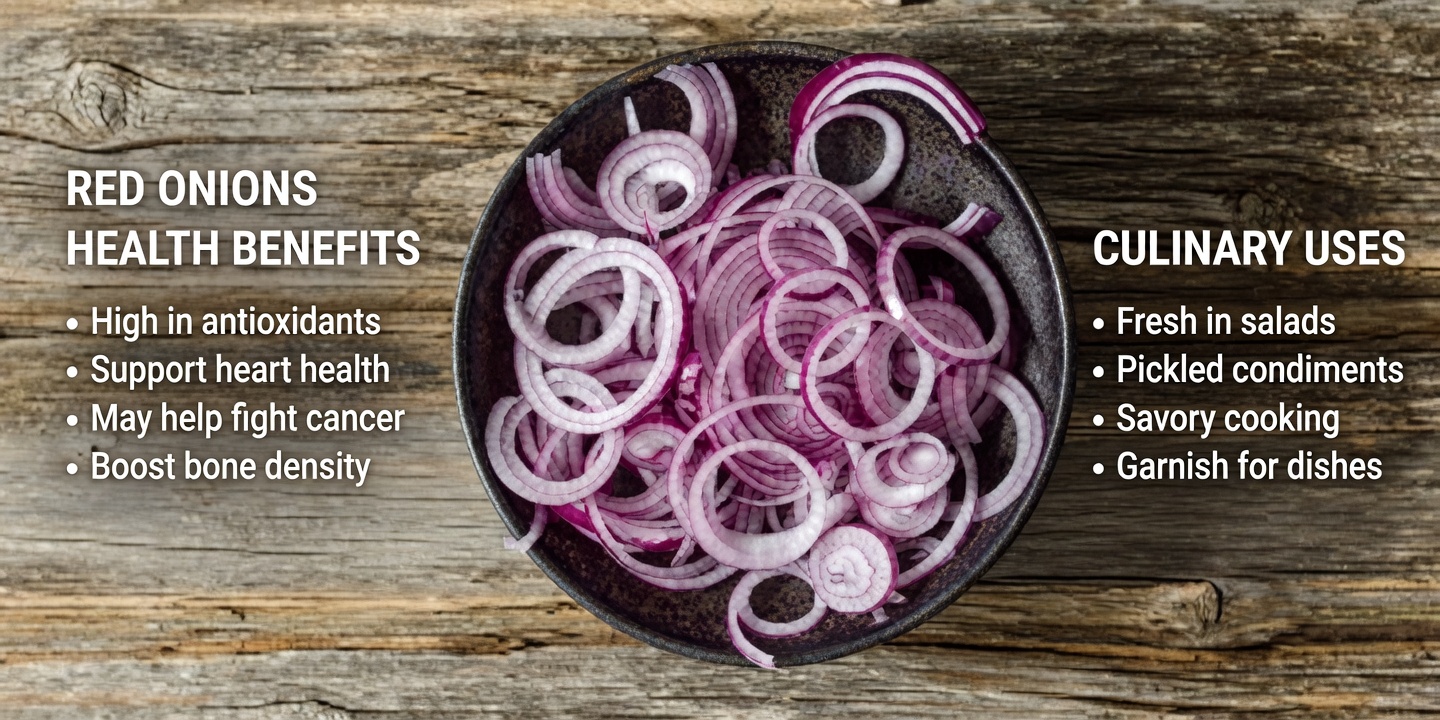
Its vivid color comes largely from anthocyanins, antioxidant pigments found in higher concentrations in purple onions than many other onion types. Purple onion is also known for being especially rich in flavonoids, which are associated with protection against oxidative stress—something that can be amplified when glucose levels swing frequently.
The Research on Purple Onion and Blood Sugar Regulation
Here’s the key idea: studies suggest that polyphenols in purple onion may help slow certain carbohydrate-digesting enzymes, which could contribute to a gentler rise in blood sugar after meals. Some early human research (often using about 60–100 grams of raw onion) has reported modest reductions in fasting blood glucose in people with elevated levels.
Animal studies also point to improved glucose handling over time when onion-derived compounds are included consistently, though human outcomes tend to be smaller and vary by individual. Overall, the scientific framing is consistent: purple onion may be supportive, but it is not a standalone solution for blood sugar control.
Key Compounds in Purple Onion That May Support Glucose Balance
Purple onion contains several bioactive components that researchers frequently discuss in relation to metabolic health:
- Quercetin: a flavonoid associated with anti-inflammatory activity, potentially relevant for those dealing with inflammation linked to metabolic stress.
- Anthocyanins: antioxidant compounds that help defend against oxidative damage, which can rise during repeated glucose fluctuations.
- Sulfur-containing compounds (such as allyl propyl disulfide): studied for potential roles in metabolism and insulin-related pathways.
These compounds may work together to support insulin sensitivity and healthier glucose responses—but they do not replace medical care or prescribed treatment. For anyone who feels limited by blood sugar concerns, purple onion can be a flavorful, practical ingredient that supports small, sustainable improvements.
Benefits of Purple Onion Beyond Blood Sugar Support
Purple onion’s value isn’t limited to glucose-related goals. Its nutrient profile may also support broader wellness concerns that often overlap with blood sugar management:
- Antioxidant support for heart health, especially relevant when glucose concerns and cardiovascular risk factors coexist.
- Fiber for digestion, which may help promote steadier digestion and improved satiety.
- Cellular protection against oxidative stress, a common factor in many long-term health issues.
Because it’s easy to add to meals, purple onion can feel less like a “diet rule” and more like a normal, enjoyable habit.

How to Eat Purple Onion for the Best Potential Benefits
To retain more of purple onion’s beneficial compounds, choose raw or lightly cooked preparations when possible. High heat and long cooking times can reduce certain antioxidants. If the bite is too strong, soak sliced onion in cold water for a few minutes to soften the flavor while keeping much of its nutritional value.
Simple ways to use purple onion consistently:
- Add thin raw slices to salads, wraps, and sandwiches for crunch.
- Stir diced purple onion into salsa or guacamole—especially helpful when paired with protein-rich meals.
- Use it lightly sautéed in omelets, stir-fries, or grain bowls, adding it toward the end of cooking.
With purple onion, consistency matters more than perfection. Start with small amounts, notice how you feel, and build a routine that’s realistic for your daily life.
Important Limitations: What Purple Onion Cannot Do
Even with encouraging findings, purple onion cannot replace diabetes medication or medical treatment. Any effects are typically modest and work best as part of a larger plan that includes balanced meals, movement, sleep, and professional guidance when needed.
Keep in mind:
- Responses differ depending on portion size, preparation, and individual health status.
- If you have symptoms, major concerns, or diagnosed glucose conditions, medical advice is essential.
- Viewing purple onion as a supportive tool—not a cure—helps prevent disappointment and supports long-term habits.
Conclusion: Making Purple Onion Part of a Balanced Approach
Purple onion offers bold flavor, vibrant color, and a mix of compounds that may provide modest metabolic support when combined with healthy eating and an active lifestyle. It won’t deliver dramatic overnight change, but small, consistent choices—like using purple onion regularly—can contribute to feeling steadier, more energized, and more in control over time.
FAQ: Purple Onion and Blood Sugar
Can purple onion replace my blood sugar medication?
No. Purple onion may support healthier eating habits, but it cannot substitute for prescribed medication or clinical care. Follow your clinician’s plan for managing blood sugar.
How much purple onion should I eat?
Many studies reference about 60–100 grams (roughly ½ to 1 medium onion) several times per week. Start smaller if needed, and check with a healthcare professional if you have a medical condition or take medications.
Is raw purple onion better than cooked for blood sugar support?
In general, raw or minimally cooked purple onion retains more quercetin and anthocyanins. Cooked onion can still be part of a healthy diet, but lighter preparation may better preserve its supportive compounds.