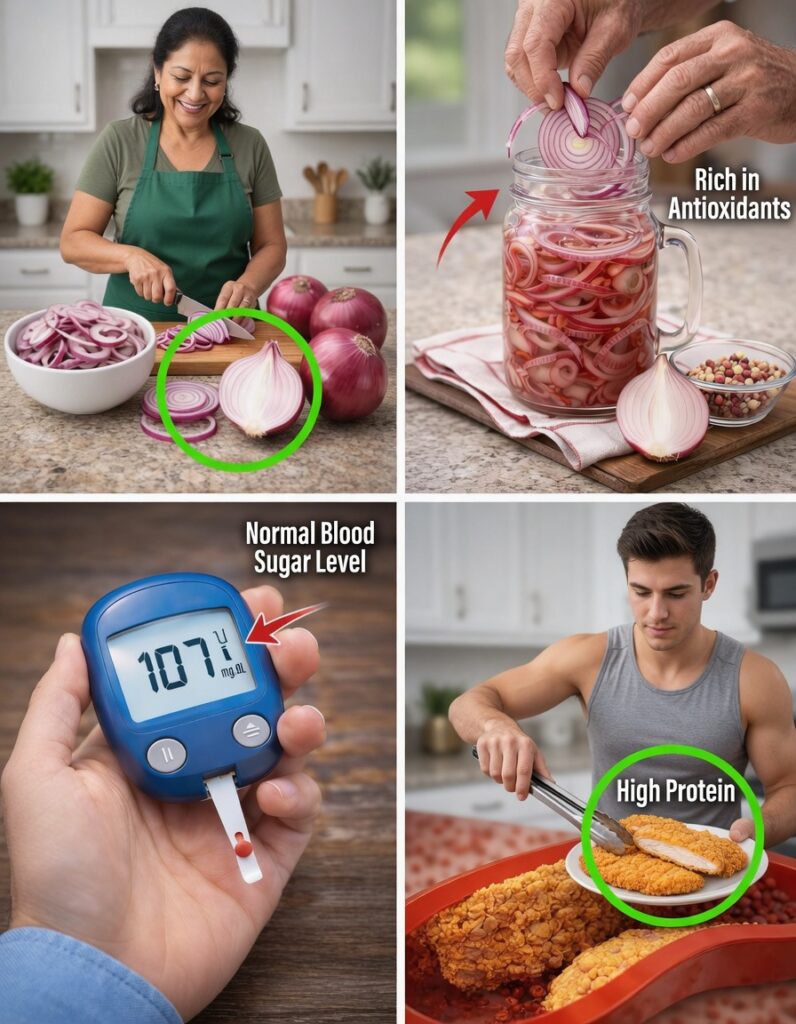
Steadier Energy and Stronger Heart Health: Simple Foods That Support Blood Sugar and Arteries
Many people live with daily ups and downs in energy—afternoon crashes, lingering fatigue, and a quiet worry about heart health. Often, these concerns trace back to two slow-moving issues: blood sugar instability and arterial plaque buildup. Because both can develop gradually, it’s easy to feel frustrated when “eating better” or “moving more” doesn’t seem to deliver the results you expect.
The good news is that small, research-supported additions from everyday kitchen staples may help promote more stable glucose, lower inflammation, and support cardiovascular function over time. Stay with it—the featured recipe near the end brings several powerful compounds together in a simple, delicious way.
Why Blood Sugar and Artery Health Often Feel More Relevant After 50
After age 50, the body commonly experiences a natural decline in insulin sensitivity, while arteries may slowly accumulate plaque. Together, these changes can create ongoing strain that shows up as:
- Heaviness after meals
- Energy dips later in the day
- Mild shortness of breath during routine activities
Because these symptoms can look like “normal aging,” many people miss the underlying pattern until concerns about long-term heart risk grow louder.
Research also points to chronic inflammation and oxidative stress as key drivers that speed up both glucose dysregulation and vascular damage. Encouragingly, studies consistently suggest that diets richer in fiber, antioxidants, and healthy fats can help calm inflammation and improve metabolic balance—without extreme or unrealistic lifestyle overhauls. The biggest advantage comes from doing small things consistently.
15 Evidence-Based Foods That May Help Balance Blood Sugar and Support Artery Health
Organizations and research sources such as the American Diabetes Association and the NIH frequently highlight the value of fiber-rich plants, antioxidant compounds, and heart-friendly fats for glucose regulation and cardiovascular wellness. The goal isn’t to change everything overnight—start gradually so your habits stick.
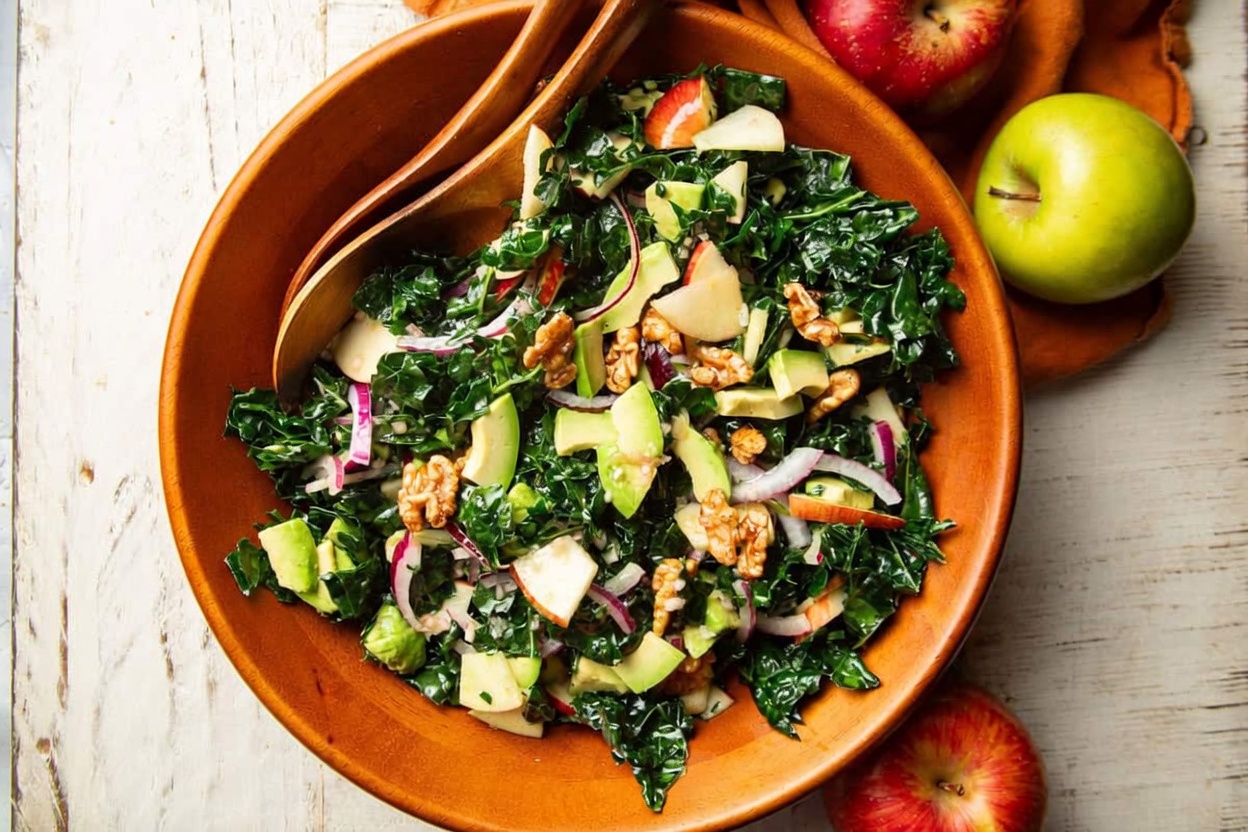
1) Kale
Kale provides soluble fiber and antioxidants such as quercetin, which may help support healthier inflammation and cholesterol management. Leafy greens are frequently associated with improved heart outcomes in population studies.
- Easy way to use it: Add a handful to smoothies or toss into salads.
2) Avocado
Rich in monounsaturated fats, avocado may support insulin sensitivity and healthier cholesterol patterns (often improving HDL while helping reduce LDL).
- Easy way to use it: Mash half an avocado on whole-grain toast.
3) Strawberries
Strawberries are relatively low glycemic and contain anthocyanins, which may help slow sugar absorption and support blood vessel health.
- Easy way to use it: Enjoy about a cup as a snack or dessert.
4) Walnuts
Walnuts offer plant-based omega-3s plus magnesium, nutrients linked to better vessel function and cholesterol profiles.
- Easy way to use it: Eat a small handful between meals.
5) Sweet Potatoes
Sweet potatoes contain resistant starch and slow-digesting carbs that can help deliver steadier energy and smoother glucose response.
- Easy way to use it: Roast and season with cinnamon.
6) Garlic
Garlic’s allicin has been studied for its potential role in supporting blood pressure and metabolic health.
- Easy way to use it: Crush fresh garlic and let it rest briefly before cooking.
7) Apples (with the skin)
Apples contain pectin, a soluble fiber that can bind in the digestive tract and help manage both sugar and cholesterol absorption.
- Easy way to use it: Eat a whole apple mid-morning.
8) Broccoli
Broccoli provides fiber plus sulforaphane, a compound associated with detox-supporting pathways and anti-inflammatory activity.
- Easy way to use it: Lightly steam to keep texture and nutrients.
9) Oranges (whole fruit)
Whole oranges deliver flavonoids and fiber from the pulp, supporting vascular flexibility and healthier glucose response—benefits you lose when you only drink juice.
- Easy way to use it: Choose the whole fruit instead of juicing.
10) Oats
Oats are known for beta-glucan, a soluble fiber that can slow glucose absorption and help reduce LDL cholesterol.
- Easy way to use it: Make a warm breakfast bowl.
11) Black Beans
Black beans combine protein with soluble fiber, improving fullness and supporting steadier blood sugar.
- Easy way to use it: Add to soups, salads, or grain bowls.
12) Lemon Water
Lemon provides vitamin C to support vascular health, and lemon water is a practical way to replace sugary drinks.
- Easy way to use it: Start the day with warm lemon water.
13) Almonds
Almonds contain magnesium, a mineral involved in blood pressure regulation and metabolic function.
- Easy way to use it: Snack on about 10–15 almonds in the afternoon.
14) Purple Grapes
Purple grapes contain resveratrol and anthocyanins, antioxidants linked to cardiovascular protection.
- Easy way to use it: Eat them with the skin for more phytonutrients.
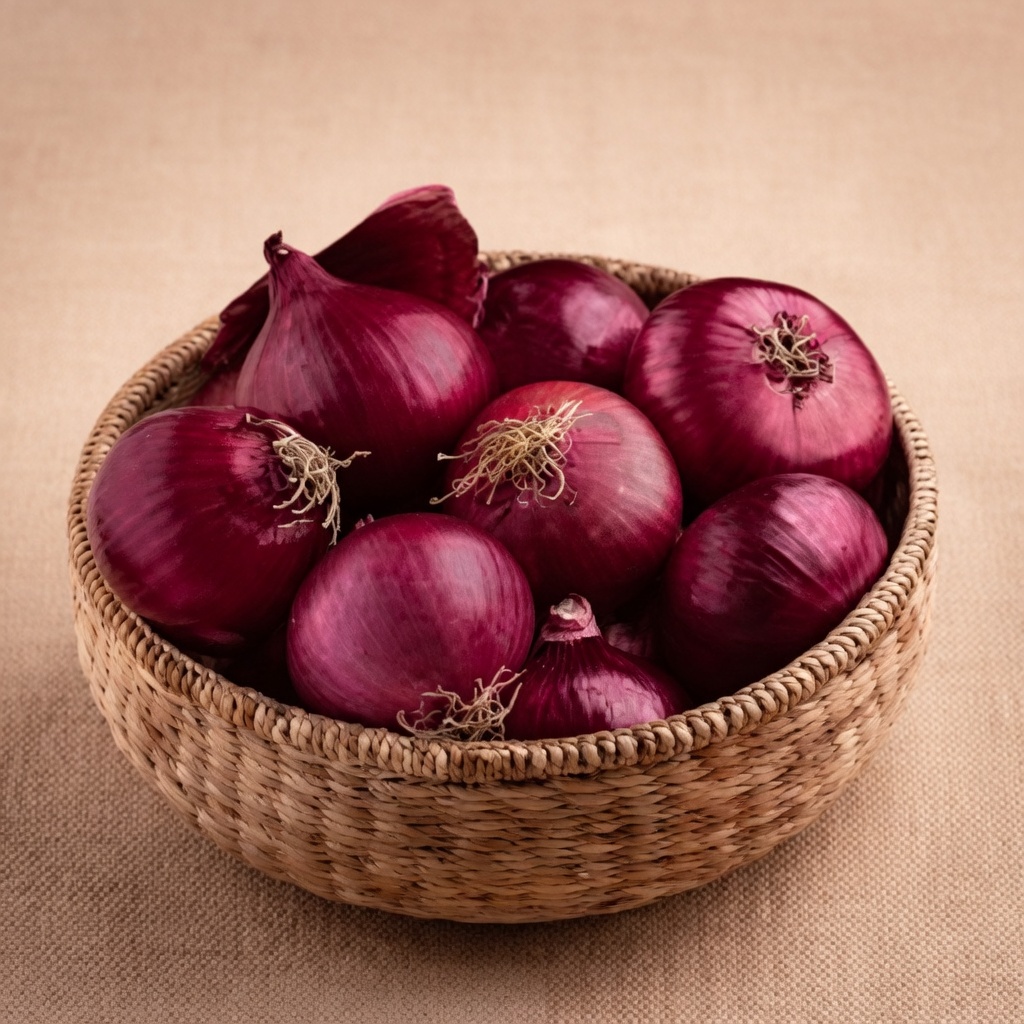
15) Red or Purple Cabbage
Red cabbage is rich in anthocyanins and fiber, supporting a healthier inflammatory response and more stable glucose handling.
- Easy way to use it: Shred raw for slaws and salads.
Quick Reference Table
- Kale: Cholesterol support + inflammation balance — Blend into smoothies or add to salads
- Avocado: Insulin sensitivity + improved lipids — Toast topper or salad add-in
- Strawberries: Slower sugar absorption — Fresh snack
- Walnuts: Vessel relaxation support — Small handful
- Sweet potatoes: Slow-release energy — Roast as a side
- Garlic: Blood pressure/metabolic support — Use fresh in cooking
- Apples (skin on): Pectin for sugar/cholesterol binding — Whole fruit snack
- Broccoli: Fiber + detox-support compounds — Lightly steamed
- Oranges (whole): Fiber + flavonoids — Whole fruit over juice
- Oats: Beta-glucan for LDL and glucose — Breakfast bowl
- Black beans: Protein + soluble fiber — Soups/salads
- Lemon water: Vitamin C + sugary drink swap — Morning routine
- Almonds: Magnesium for pressure support — Afternoon snack
- Purple grapes: Antioxidant protection — Eat with skin
- Red cabbage: Fiber + anthocyanins — Raw slaw
Featured Recipe: Red Onion & Turmeric Sauté
This quick side dish pairs:
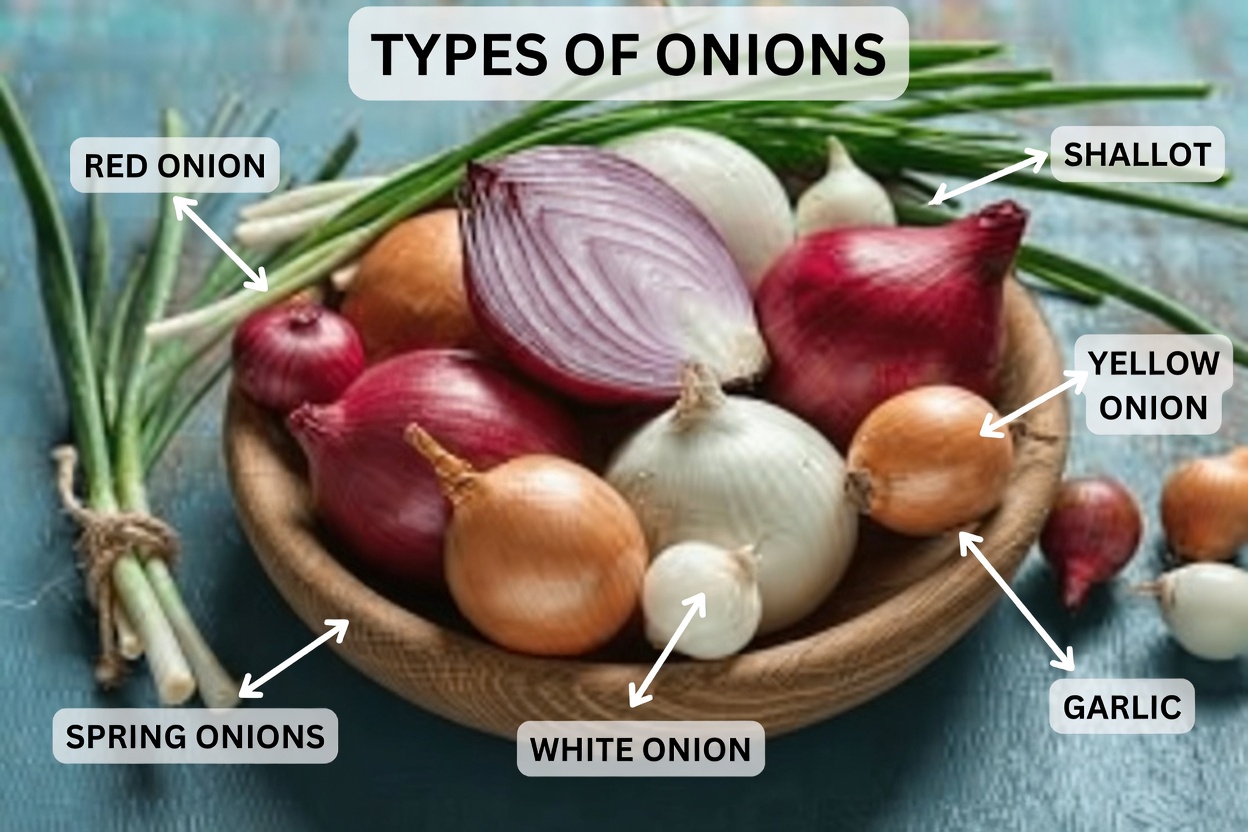
- Red onions, a notable source of quercetin—an antioxidant studied for its potential roles in supporting healthy inflammation, fasting blood glucose, and blood pressure.
- Turmeric, which contains curcumin, widely researched for anti-inflammatory activity.
- Black pepper, which provides piperine—known to significantly improve curcumin absorption.
- Extra-virgin olive oil, a heart-friendly fat that also helps carry fat-soluble compounds.
Together, these ingredients create a simple, flavorful dish that fits easily into a balanced eating pattern focused on metabolic and cardiovascular wellness.
Ingredients (Serves 2–4 as a side)
- 2 large red onions, thinly sliced
- 2 tablespoons extra-virgin olive oil
- 1 teaspoon ground turmeric
- 1/4 teaspoon freshly ground black pepper
- A pinch of sea salt
- Optional: chopped parsley or cilantro
Instructions
- Warm the olive oil in a skillet over medium heat.
- Add the sliced onions and sauté for 8–10 minutes until soft and lightly caramelized.
- Mix in turmeric, black pepper, and sea salt.
- Cook for 2 more minutes to bloom the spices and deepen flavor.
- Remove from heat and top with fresh herbs if using.
How to serve: Pair with grilled fish, chicken, tofu, or roasted vegetables. Many people enjoy this sauté 3–4 times per week for both taste and potential health support.
A Simple Plan to Start This Week
- Pick 3–5 foods from the list and add one per day.
- Make the red onion turmeric sauté twice this week.
- Track post-meal energy, mood, and fullness in a quick journal note.
- Replace sugary morning drinks with warm lemon water.
- Prioritize consistency—small changes repeated often tend to compound.
Final Thoughts
Everyday foods—especially red onions, turmeric, leafy greens, beans, berries, and oats—offer science-backed nutrients that can support steadier blood sugar, lower inflammation, and better heart health. The red onion turmeric sauté is an easy way to combine several of these compounds in one practical, flavorful dish. One small step today can build real momentum over time.
Frequently Asked Questions
Can onions help with blood sugar management?
Red onions provide quercetin and sulfur-containing compounds. Research suggests they may support healthier glucose control and inflammation balance when used as part of an overall nutritious diet.
How often should turmeric be used to see benefits?
Many studies examine modest daily intake, often around 1/2 to 1 teaspoon, and typically emphasize pairing turmeric with black pepper to improve absorption.
Is this recipe appropriate for most people?
The ingredients are common and generally well tolerated. However, if you take blood-thinning medication or have medical concerns, consult your clinician—turmeric may have mild blood-thinning effects for some individuals.
Medical Disclaimer
This article is for informational purposes only and does not replace professional medical advice. Speak with your healthcare provider before making dietary changes, especially if you have diabetes, cardiovascular conditions, or take prescription medications.