

Sweet Potatoes for Better Energy, Digestion, and Daily Wellness
If you regularly feel sleepy after eating, deal with slow digestion, or find it hard to keep your energy stable from morning to evening, your meals may be part of the reason. This is a common issue, and many people do not realize how much food quality affects how they feel each day.
One simple solution may already be sitting in your local produce aisle: sweet potatoes. These colorful root vegetables can be a smart addition to a balanced diet. And there is one often-overlooked way to use them that many people miss entirely. We will get to that surprising tip later in the article.
Why Sweet Potatoes Are Different From White Potatoes
Sweet potatoes and regular potatoes may look similar in some dishes, but they are not the same when it comes to flavor or nutrition. Sweet potatoes offer a naturally sweeter taste and contain much higher levels of beta-carotene along with other plant compounds that support overall health.
Whether you choose orange, purple, or pale-fleshed varieties, sweet potatoes deliver an impressive mix of fiber, vitamins, minerals, and antioxidants. That is one reason nutrition professionals often include them in healthy eating recommendations.
Sweet Potato Nutrition at a Glance
A medium sweet potato contains roughly 180 calories and supplies a wide range of valuable nutrients. It can provide more than half of your daily vitamin C needs, along with useful amounts of vitamin B6, potassium, and manganese.
Typical benefits from one medium sweet potato include:
- Plenty of fiber for digestive support
- High vitamin A content from beta-carotene
- Good levels of potassium and magnesium
- Natural antioxidants that help protect cells
Research suggests that eating nutrient-rich root vegetables like sweet potatoes can improve overall dietary quality, especially when they replace refined carbohydrate foods.
10 Health Benefits of Sweet Potatoes
1. More Stable Energy Throughout the Day
Unlike highly processed carbohydrates that can lead to quick energy spikes followed by crashes, sweet potatoes release energy more slowly. Their fiber content helps support a steadier response when they are eaten in reasonable portions as part of a balanced meal.
Some studies have also looked at deeply colored varieties and found that their plant compounds may influence the way the body processes carbohydrates. This may help promote longer-lasting fullness and more even energy between meals.
2. Natural Support for Heart Health
Sweet potatoes are a good source of potassium and magnesium, two minerals linked to healthy blood pressure maintenance. Potassium is especially helpful for balancing sodium intake, which is important for cardiovascular wellness.
Replacing standard fries with baked sweet potato wedges is a simple upgrade that can add more nutrients without greatly increasing calories.
3. Better Digestion With More Fiber
Sweet potatoes can help support regular digestion thanks to their fiber content. Many people notice better digestive comfort when high-fiber foods become a consistent part of their routine.
A practical approach is to bake or steam sweet potatoes instead of frying them. This helps preserve more of their nutritional value while keeping them easier to fit into a healthy meal plan.
4. Antioxidant Protection Every Day
Sweet potatoes contain several antioxidants, including beta-carotene and, in purple varieties, anthocyanins. These compounds help protect the body from oxidative stress caused by normal body processes and environmental exposure.
Regularly eating antioxidant-rich vegetables may help strengthen the body’s natural defenses over time.
5. Long-Term Support for Eye Health
Sweet potatoes are especially known for their high vitamin A value, which comes from beta-carotene. This nutrient plays an important role in vision, particularly in dim light, because it helps the body produce rhodopsin, a protein needed in the retina.
Adding sweet potatoes to meals is a flavorful way to increase vitamin A intake through whole foods.
6. Immune System Support
Both vitamin A and vitamin C contribute to healthy immune function. Vitamin A helps maintain the skin and mucous membranes, which serve as the body’s first protective barrier. Vitamin C supports normal immune cell activity and recovery.
Because sweet potatoes contain both nutrients, they are a useful food to include during colder seasons or busy, stressful times.
7. Brain Health and Mental Sharpness
Eating a diet rich in colorful fruits and vegetables has been associated with better cognitive health as people age. The antioxidants found in sweet potatoes may help protect brain tissue from daily oxidative stress.
Early research has also explored how sweet potatoes, when combined with other whole foods, may affect learning and memory in animal studies.
8. Muscle and Nerve Function
Thanks to their potassium and magnesium content, sweet potatoes can support normal muscle movement and nerve signaling. These minerals are especially valuable for active people and for anyone trying to maintain good electrolyte balance through food.
9. Support for Healthy Weight Management
Sweet potatoes contain both fiber and water, which can help increase fullness and make portion control easier. They also provide satisfying texture and natural sweetness without added sugar.
A helpful tip is to pair sweet potatoes with a healthy fat source, such as:
- A drizzle of olive oil
- A few slices of avocado
- A small handful of nuts or seeds
This combination may help keep you satisfied for longer.
10. More Variety and Enjoyment in Healthy Meals
Sweet potatoes come in many varieties, and that makes them a flexible ingredient for both sweet and savory dishes. Their different colors, textures, and flavors can help prevent meal boredom, which is one of the biggest reasons people fall off healthy eating habits.
Choosing the Right Variety
-
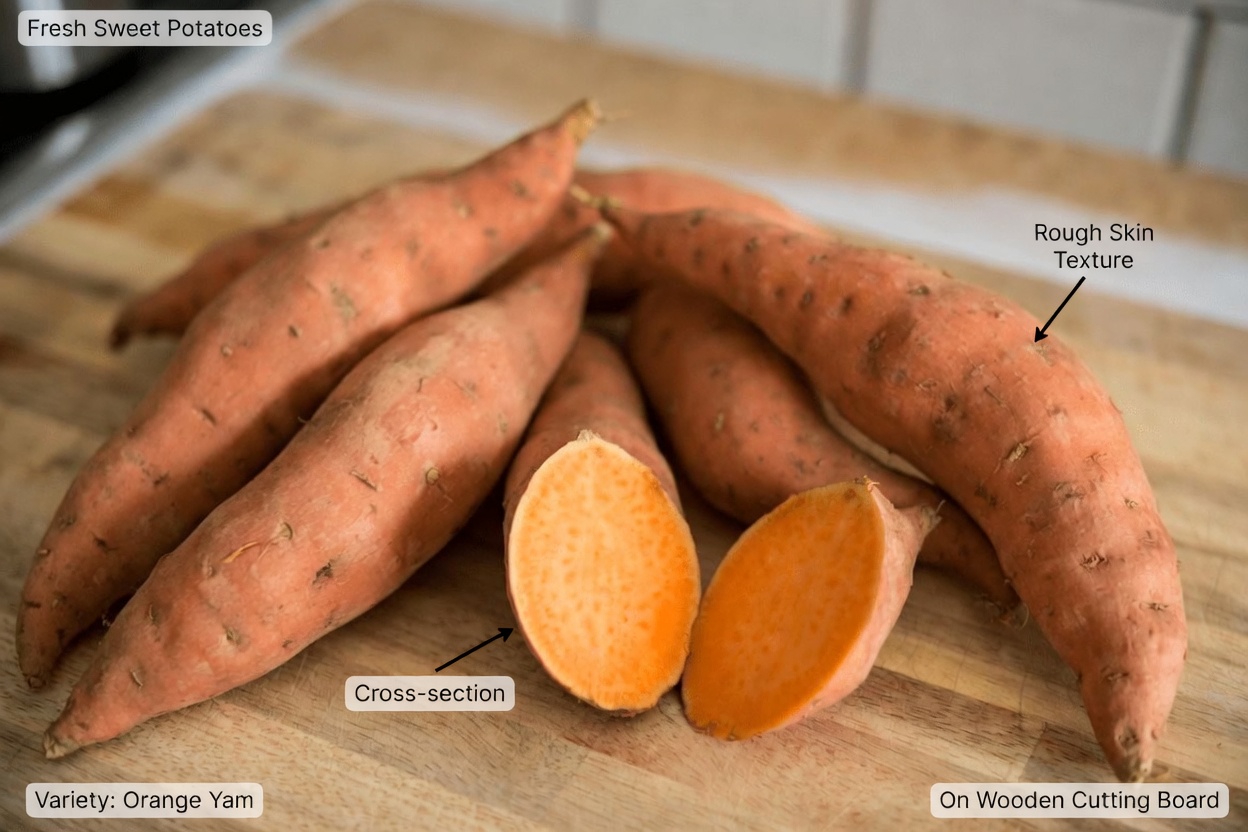
Orange sweet potatoes
- Best for baking and mashing
- Highest in beta-carotene
-
Purple sweet potatoes
- Great for roasting and salads
- Rich in anthocyanins
-
White or yellow sweet potatoes
- Good for soups and crispier dishes
- Milder flavor with solid fiber content
How to Add Sweet Potatoes to Your Diet
If you want to start eating sweet potatoes more often, this step-by-step approach makes it easy:
-
Pick fresh ones carefully
- Choose firm sweet potatoes with smooth skin and no soft spots.
-
Wash them well
- Rinse under running water and gently scrub away dirt.
-
Select a cooking method
- Baking helps preserve nutrients.
- Steaming keeps them soft and moist.
-
Leave the skin on when possible
- Many valuable nutrients are found just under the peel.
-
Watch portions
- One medium sweet potato is a good starting serving size.
- Pair it with protein and healthy fat for a balanced meal.
-
Try different seasonings
- For breakfast: cinnamon and nutmeg
- For savory meals: chili powder, cumin, garlic, or paprika

The Overlooked Sweet Potato Tip Most People Miss
Here is the unexpected idea mentioned earlier: do not throw away the leaves or peels.
Many people use only the flesh and discard the rest, but those parts can be useful too:
- Young sweet potato leaves can be added to stir-fries or salads.
- Roasted peels can be turned into a crispy snack.
This simple zero-waste method helps you get more nutrition and more value from every sweet potato you buy.
Easy Sweet Potato Meal Ideas for This Week
Need inspiration? Try these simple options:
- Breakfast: Mashed sweet potato with Greek yogurt and berries
- Lunch: Roasted sweet potato cubes added to a filling salad
- Dinner: Baked sweet potato stuffed with black beans and avocado
- Snack: Homemade sweet potato chips lightly seasoned with spices
Final Thoughts
Sweet potatoes are more than a comfort food side dish. They can help support steady energy, digestion, heart health, eye health, immunity, and overall nutrient intake. They are affordable, versatile, and easy to include in everyday meals.
When prepared well and paired with other nourishing foods, sweet potatoes can become one of the simplest upgrades to a healthier routine. And if you also use the leaves and peels, you can get even more out of this colorful root vegetable.