
When Nighttime Bathroom Trips Start Stealing Your Sleep
You’re awake again—no nightmare, no noise—just the familiar pressure that forces you out of bed. The walk to the bathroom feels longer than it should, and by morning you’re left with dull fatigue that shows up in your focus, mood, and patience. When repeated nighttime urination becomes “normal,” many men simply live with it.

That’s exactly why nettle root often comes up as a traditional option for urinary comfort support, especially when symptoms may be connected to age-related prostate changes. Still, there’s a crucial point about safe timing and proper use that many people miss until much later—so it’s worth approaching this topic carefully from the start.
Why Nettle Root Enters the Conversation as Nights Get Shorter
Fragmented sleep affects far more than energy. It can quietly strain relationships, reduce work performance, and chip away at confidence. In that context, nettle root isn’t presented as a miracle fix—it’s typically discussed as a traditional herbal approach some men explore to support urinary comfort.
One thing matters here: urinary symptoms shouldn’t be ignored. “Waiting it out” rarely solves the problem, and what feels like a minor inconvenience can gradually become a major quality-of-life issue. Nettle root is best viewed as part of a bigger picture that includes medical evaluation, lifestyle adjustments, and ongoing monitoring.
What Is Nettle Root (and How It Differs From Nettle Leaf)?
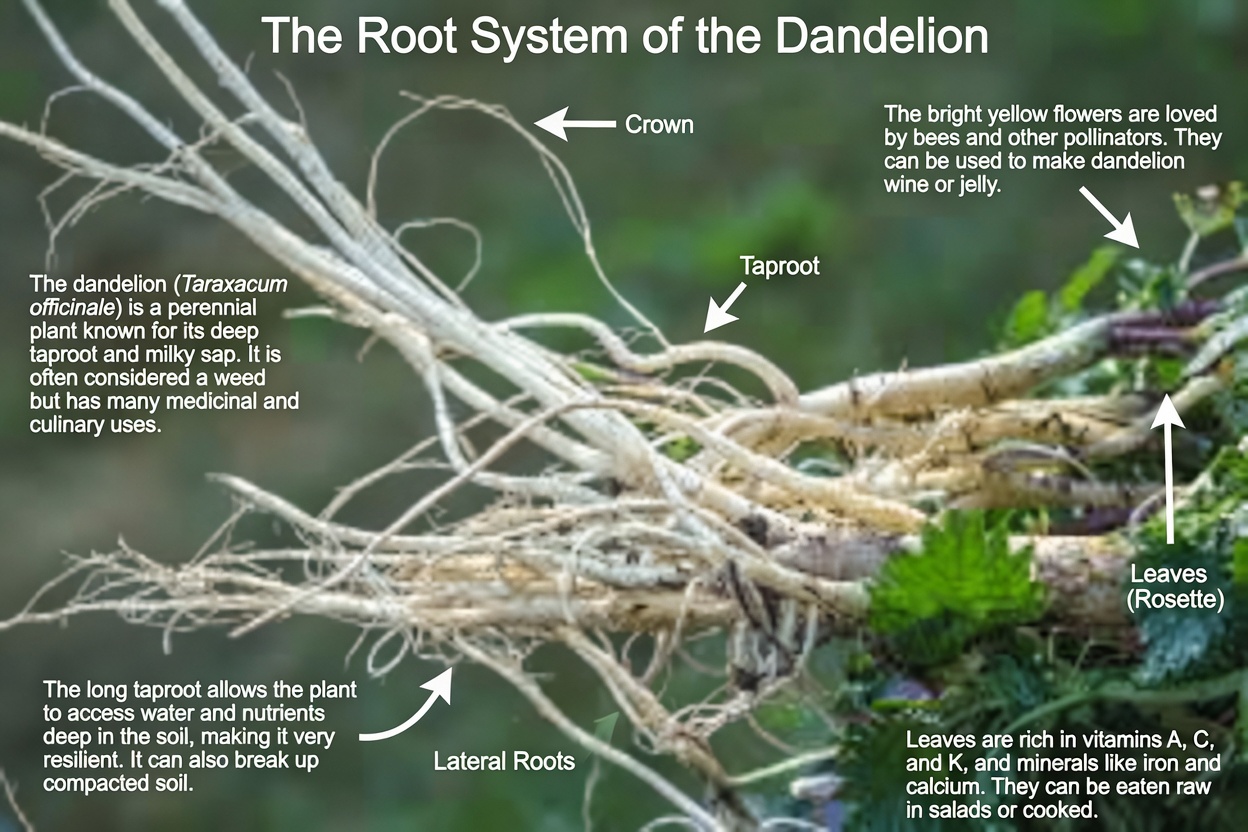
Nettle root comes from the underground portion of Urtica dioica, a perennial plant used for generations in European herbal traditions. Many people know nettle for its leaves, but the root and the leaf are not used for the same purpose.

- Nettle leaf is commonly associated with its nutrient profile and general wellness uses.
- Nettle root is more often linked to male urinary comfort, particularly in cases involving mild to moderate benign prostate enlargement (BPH).
Some research in European phytotherapy literature suggests nettle root contains compounds that may influence pathways related to urinary flow and prostate tissue activity. This does not mean it “cures” or reverses prostate enlargement. It suggests a supportive role, ideally with professional guidance. Keeping expectations realistic protects both your health and your decision-making.
Symptoms Nettle Root Is Commonly Associated With Supporting
Before considering any supplement, it helps to identify what you’re actually experiencing. Men who explore nettle root often report symptoms such as:
- More frequent urination
- Nocturia (waking at night to urinate)
- Weaker urinary stream
- The sensation of incomplete emptying
- Mild burning or discomfort during urination

These symptoms can stem from many causes—not only prostate changes. Caffeine intake, fluid timing, stress, certain medications, and infections can all contribute. That’s why nettle root should never substitute for proper medical assessment. If evaluation points to mild prostate-related urinary changes, some people consider nettle root as complementary support.
What Research Suggests About Nettle Root for Urinary Support
Multiple European studies have looked at nettle root in men with mild to moderate urinary symptoms associated with benign prostate enlargement. Some findings indicate that standardized nettle root extracts may help certain individuals with:
- Improved urinary comfort and flow-related symptoms
- Fewer nighttime awakenings in some cases
Important limitations still apply:
- Benefits tend to be gradual, not immediate
- Responses vary widely between individuals
- Extract standardization can affect reliability and results
The key word is support. Nettle root is not positioned as a replacement for clinical care. It may fit into a broader management plan that includes behavioral changes and follow-up.
When to Take Nettle Root for Practical, Real-World Use
If you and a professional decide nettle root is appropriate, timing and consistency matter more than taking high amounts. Traditionally, nettle root is used as daily support, not as a fast-acting remedy.
Common practical approach:
- Often taken once or twice per day, depending on the product
- Frequently used with meals to reduce stomach upset
- Typically assessed over several weeks, not just a few days
Avoid the “more is better” mindset. Consistent use makes it easier to observe patterns safely and accurately.
Nettle Root Forms: What to Choose and What to Watch
The preparation you choose can affect convenience, cost, and dosing clarity.

-
Decoction (tea)
- How it’s used: simmering the root in water
- Pros: traditional, gentle routine
- Watch for: careful measuring is required
-
Dry extract (capsules/tablets)
- How it’s used: fixed-dose supplements
- Pros: convenient, consistent dosing
- Watch for: potency and quality can vary by brand
-
Fluid extract (drops)
- How it’s used: adjustable dosing
- Pros: flexible and easy to titrate
- Watch for: concentration differs between products
In clinical-style contexts, standardized extracts are often preferred because they deliver more predictable amounts of active compounds. However, many people still choose decoctions for their simplicity and ritual.
How to Prepare a Nettle Root Decoction Responsibly
If you prefer a traditional method, nettle root is typically simmered gently rather than boiled aggressively.
General reference method:
- Use about 1–2 grams of dried nettle root per cup of water
- Simmer 10–15 minutes
- Strain, let it cool slightly
- Drink once or twice daily, based on guidance
To reduce guesswork, keep a simple symptom log and note:
- Number of nighttime awakenings
- Urgency and comfort level
- Stream strength and ease
- Any digestive changes
Tracking turns a vague experiment into an informed decision.
Safety Considerations Before Using Nettle Root
“Natural” doesn’t automatically mean “risk-free.” Speak with a healthcare professional before using nettle root if you:
- Take blood pressure medication
- Use diabetes medication
- Take blood thinners
- Have kidney or liver conditions
- Combine multiple supplements or medications
Some people report mild side effects such as digestive upset or dizziness. If symptoms worsen instead of stabilizing, stop use and seek medical advice. Getting professional input isn’t overreacting—it’s smart risk management.
Lifestyle Habits That Can Strengthen Any Urinary Support Plan
Many men underestimate how much daily habits influence urinary comfort. Lifestyle changes often enhance any supportive approach, including nettle root.
Consider combining nettle root with:
- Cutting back on caffeine after midday
- Limiting evening alcohol
- Avoiding heavy meals late at night
- Drinking more fluids earlier in the day
- Using the bathroom right before bed

Research on lower urinary tract symptoms repeatedly shows that behavioral adjustments can meaningfully improve comfort and reduce disruption. Nettle root tends to work best as part of a structured plan—not as a shortcut.
The Mental Advantage of Having a Clear Plan
Urinary symptoms can feel unpredictable, and unpredictability often fuels anxiety. Anxiety, in turn, may intensify urgency and worsen sleep. A responsible plan—tracking symptoms, improving routines, and involving a clinician—restores a sense of control. That feeling of control can improve everything from sleep quality to daily confidence.
Quick Safety Snapshot
- Purpose: Traditional urinary comfort support (not a cure)
- Timeline: Usually assessed over weeks
- Dose: Depends on form and extract strength (follow labels and guidance)
- Interactions: Possible with medications—professional input recommended
- Red flags: Pain, blood in urine, fever, or severe retention require prompt medical care
A Step-by-Step Action Plan You Can Start This Week
- Track nighttime bathroom trips for 7 days.
- Reduce caffeine and alcohol intake in the afternoon and evening.
- Move dinner earlier and avoid heavy late-night meals.
- Discuss symptoms with a healthcare professional.
- If appropriate, evaluate whether a standardized nettle root product fits your plan.
- Monitor changes over several weeks, not just a few days.
Progress comes from observation—not urgency.
Final Thoughts: The Decision Matters More Than the Herb
Waking multiple times a night can quietly erode your quality of life. Nettle root may be a traditional option worth discussing for urinary comfort support, but the best outcomes usually come from combining smart habits, realistic expectations, careful tracking, and proper medical guidance.