
Noticing unexpected shifts in your body—such as blood in your stool or ongoing fatigue—can feel alarming, yet it’s easy to brush them off as “nothing serious.” The problem is that colon cancer symptoms often build gradually, and embarrassment or fear can delay a medical visit. Recognizing warning signs early gives you the best chance to address the cause quickly with proper evaluation. Stay with this guide to learn a prevention-related insight that may change how you think about your health.

Why Colon Cancer Is So Dangerous—and Why Timing Matters
One reason colon cancer is so risky is that it may develop quietly. In the early stages, many people have no obvious complaints, which can lead to late diagnosis. This is a major reason colorectal cancer remains a leading cause of cancer-related deaths globally, as highlighted by organizations such as the American Cancer Society.
When subtle colon cancer symptoms are ignored, the condition can progress and gradually disrupt daily life—physically and emotionally. The takeaway: early awareness and timely action can significantly improve outcomes. Understanding when to act can empower you to seek help before the disease becomes harder to treat.
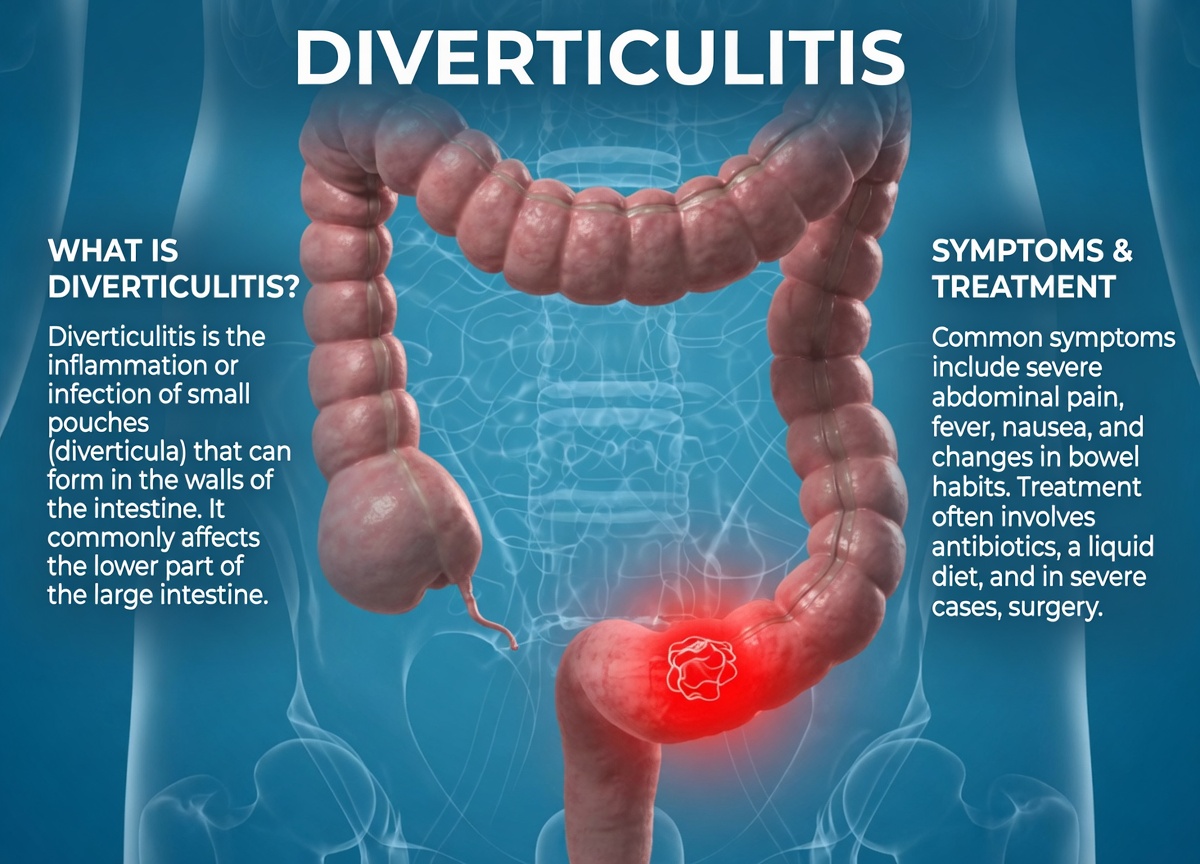
1. Blood in or on Your Stool
Seeing blood in the toilet or on toilet paper is one of the most common colon cancer symptoms that triggers concern—yet many people assume it’s “just hemorrhoids” and delay care.
- Bright red blood may suggest bleeding closer to the rectum or lower colon.
- Dark, tarry stools can point to bleeding higher in the digestive tract.
Even a small amount, especially if it happens repeatedly, deserves attention—particularly if you’re over 45 or have other risk factors. Getting checked can quickly clarify whether the cause is benign or something that needs treatment.
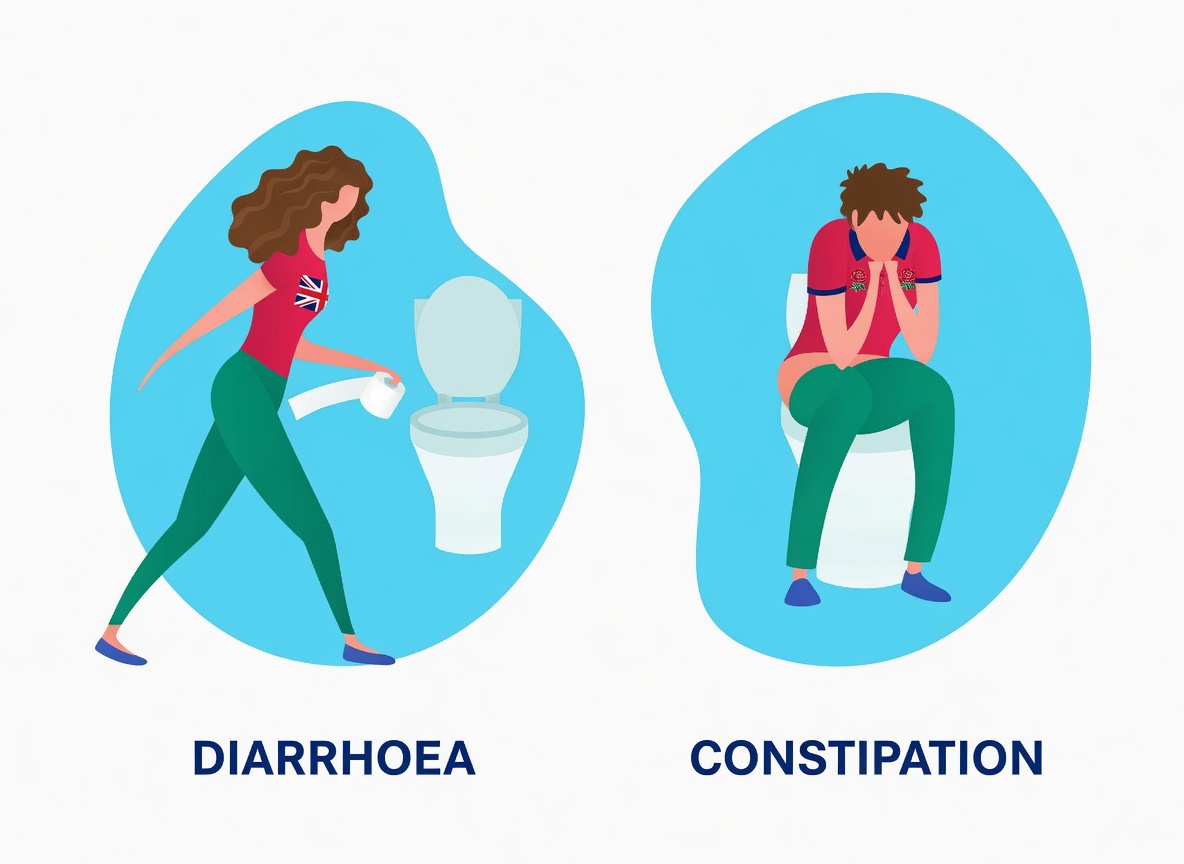
2. A Persistent Change in Bowel Habits
A new, ongoing pattern—like diarrhea, constipation, or alternating between the two—can be an important colon cancer symptom, especially when it disrupts your routine.
Common changes include:
- Stools becoming narrower than usual
- A frequent feeling that you haven’t fully emptied your bowels
- Unexplained urgency or unpredictability
If these bowel changes continue for weeks without an obvious explanation (diet change, illness, medication), it’s worth discussing with a healthcare provider. Tracking patterns can be a simple but powerful first step.

3. Abdominal Pain or Discomfort That Doesn’t Resolve
Unlike short-lived gas or occasional indigestion, persistent abdominal discomfort can feel like a constant background problem. People often describe:
- cramping
- bloating or pressure
- a vague feeling of fullness, even without eating much
Experts recommend evaluation if the discomfort keeps coming back, increases over time, or worsens after meals. Importantly, investigating early may reveal non-cancer causes, which can bring relief and a clearer plan forward.
Quick comparison: common abdominal issues
| Symptom type | What it often feels like | Possible causes |
|---|---|---|
| Gas/indigestion | Short-lived, often after meals | Diet, overeating |
| Cancer-related concern | Persistent, recurring, progressive | Tumor growth, inflammation |
| Other urgent causes | Sharp, localized pain | Appendicitis, ulcers |
This is why distinguishing colon cancer symptoms from everyday digestive issues matters.

4. Unexplained Weight Loss
Losing weight without trying—especially after age 40—can be a concerning colon cancer symptom. It may happen because you:
- have reduced appetite
- feel full sooner than usual
- unconsciously eat less due to discomfort
Cancer research centers commonly flag a 5–10% unintentional weight loss over a few months as a sign that deserves medical review. Keeping an eye on weight trends is a simple habit that can help you catch changes early.
5. Constant Fatigue or Weakness
Fatigue that doesn’t improve with rest is more than “being tired”—it can be a systemic colon cancer symptom that affects work, relationships, and quality of life. One common reason is anemia caused by slow, hidden bleeding, which reduces oxygen delivery throughout the body.
Medical guidance often recommends prompt evaluation when fatigue is persistent and unexplained. In many cases, basic blood tests can identify the cause and guide next steps.
6. Iron-Deficiency Anemia (Especially in Men and Postmenopausal Women)
When iron levels drop without an obvious dietary reason, it can be a red-flag colon cancer symptom, particularly for:
- men
- postmenopausal women
Symptoms may include paleness, dizziness, shortness of breath, or reduced stamina. Chronic blood loss from the digestive tract is one potential cause, and research supports investigating unexplained iron-deficiency anemia to rule out serious conditions early.
7. A Noticeable Lump or Mass in the Abdomen
A newly detected lump or firm area in the lower abdomen is less common but can be an alarming colon cancer symptom. It may be related to a tumor, swelling, or enlarged lymph nodes. Because it’s a physical change you can sometimes feel, it’s important not to wait—prompt clinical assessment is strongly advised.
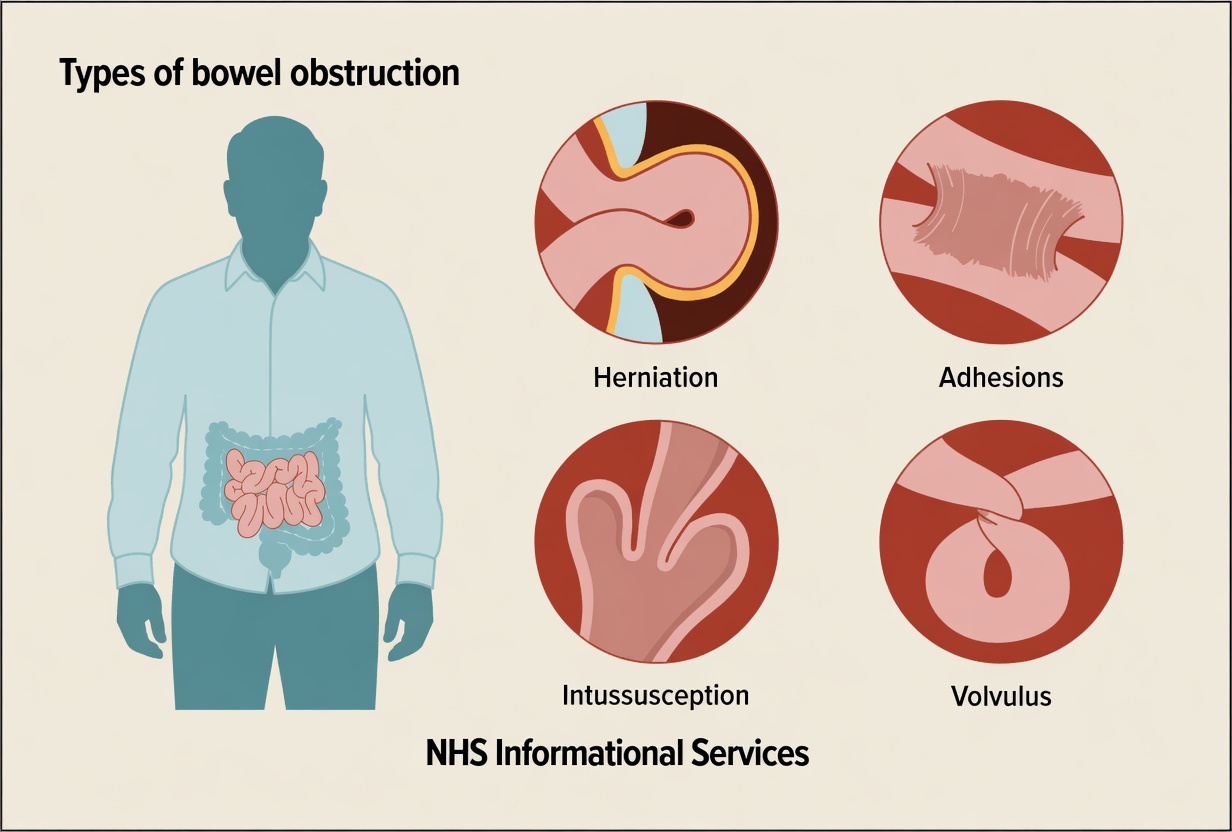
8. Symptoms of Bowel Obstruction
Signs of blockage can indicate advanced disease and may require urgent care. Bowel obstruction symptoms can include:
- severe constipation
- intense bloating and abdominal pain
- vomiting
- inability to pass gas
These symptoms can escalate quickly and should be treated as an emergency. Timely treatment is crucial to prevent complications.
Quick Symptom Checklist
Watch for these colon cancer symptoms, especially if more than one is present:
- Blood in stool (any amount or color)
- Bowel habit changes that last
- Persistent abdominal pain, pressure, or bloating
- Unexplained weight loss over months
- Ongoing fatigue not improved by sleep
- Iron-deficiency anemia with no clear cause
- New abdominal lump or swelling
- Possible bowel blockage (severe pain, vomiting, no gas)
If several apply, consider speaking with a clinician.
When Should You See a Doctor?
If symptoms last longer than 2–4 weeks, it’s wise to seek medical advice—especially if you’re over 45, have a family history, or other risk factors. Many people delay because of embarrassment, but early evaluation often provides reassurance: most of these symptoms can be caused by non-cancer conditions. Still, confirming the cause sooner is always safer than waiting.
Actionable Tips: Steps to Support Better Digestive Health
Practical steps can reduce risk and help you respond faster if colon cancer symptoms appear:
-
Track your symptoms
Keep a simple log of bowel habits, stool changes, abdominal pain, fatigue, and any bleeding to identify patterns clearly. -
Get screened on schedule
If you’re 45+, ask your doctor about screening options such as colonoscopy, which can detect issues early and sometimes prevent cancer by removing precancerous polyps. -
Build protective daily habits
Focus on a high-fiber diet (vegetables, fruits, legumes, whole grains), stay hydrated, maintain a healthy weight, exercise regularly, limit alcohol, and avoid smoking.