Many people end an intimate encounter with the sudden urge to use the bathroom, then ignore it because it seems unimportant. But during sexual activity, bacteria can move surprisingly fast, and that small decision may affect how you feel later. Burning when urinating, frequent urgency, and general pelvic discomfort can quickly replace what should have been a pleasant experience. The reassuring part is that one simple habit may help: urinating soon afterward. It works with the body’s natural cleansing process, and this small step can make a meaningful difference in everyday comfort.
How Intimacy Can Influence Urinary Tract Health
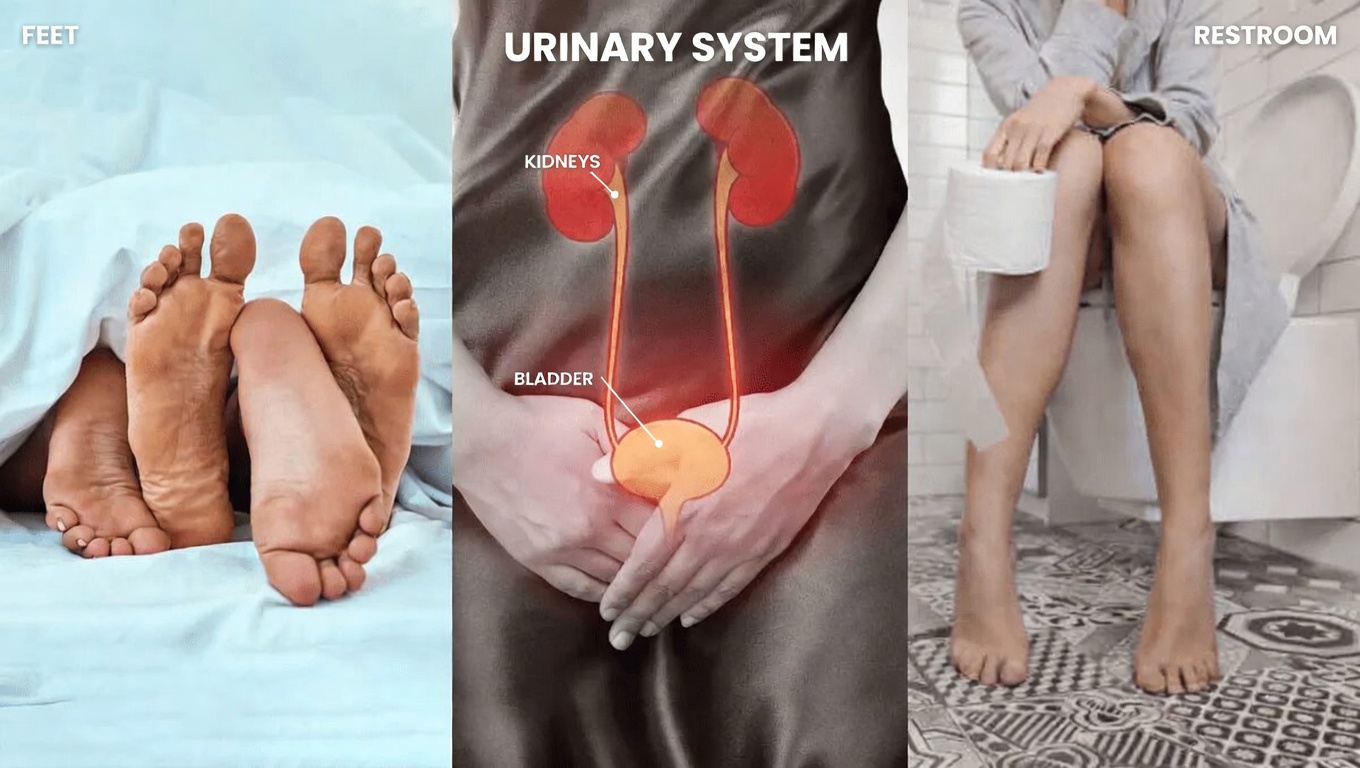
Sexual activity of any kind—including penetrative sex, oral sex, manual stimulation, or toy use—can shift bacteria from the skin, genital area, or anus closer to the urethra. In women and people assigned female at birth, the urethra is shorter, which gives bacteria a faster path toward the bladder. That does not mean sex is harmful by itself. It simply creates a situation where microbes such as E. coli may enter more easily.
If bacteria reach the urinary tract, they can multiply quickly and cause irritation. Common signs include:
- A burning sensation during urination
- Feeling like you need to pee often
- Cloudy urine
- Mild pressure or discomfort in the lower abdomen
Men generally experience this less often because the urethra is longer, but the same mechanism still exists.
The good news is that the body already has a natural defense system: urine flow. That is why peeing after sex is often recommended as a simple preventive habit.
Why Urinating After Sex Can Help
Urine leaves the bladder in a sterile state and can help carry away bacteria picked up along the urethra. When you urinate shortly after intimacy, that stream helps rinse out microbes before they have time to settle, cling to the urethral lining, or travel upward.
Healthcare experts from respected institutions such as Cleveland Clinic and UCLA Health often mention this advice because it is easy, practical, and low risk. It may help by:
- Washing away bacteria introduced during friction
- Lowering the chance of bacteria attaching to tissues
- Supporting the body’s natural flushing process
- Working even better when you are well hydrated
For people who often deal with post-sex urinary discomfort, turning this into a regular routine may reduce how often those episodes happen. It takes very little effort, costs nothing, and is easy to maintain.
What Medical Experts and Research Suggest
Doctors, urologists, and many health organizations commonly include post-sex urination in basic urinary tract infection prevention advice. The recommendation makes sense based on how the urinary system functions. Observational findings suggest that women who urinate soon after intimacy—often within about 15 minutes—may report fewer symptoms, especially when the habit is combined with other healthy practices.
At the same time, large randomized clinical trials are still limited. That means the evidence is generally considered supportive, not definitive. Even so, organizations such as the American Medical Association and many clinicians continue to recommend it because the possible benefit is high while the effort and risk are extremely low.
The main point is simple: it may not prevent every problem for every person, but it is a sensible step that supports the body’s normal cleansing process.
Real-Life Experiences With This Habit
Many people say this tiny routine improves their comfort and confidence.
Lisa, 42, used to experience irritation after intimacy almost every time. She began urinating within 10 to 15 minutes afterward and made a point to drink more water. Over the following year, her symptoms became much less frequent. She described it as surprisingly effective and said it helped her avoid stressful mornings and unexpected doctor appointments.
Alex, 35, did not have frequent issues but started doing it after a partner suggested it. He noticed less mild irritation and felt fresher overall. For him, the habit was quick, easy, and worth keeping.
Stories like these are common among people who make post-sex urination automatic.
Is It Really Worth Doing?
Some people question whether this advice is exaggerated. The honest answer is that the science is encouraging, even if it is not absolute. Since the risk is so small, trying it usually makes sense—especially if you occasionally notice urinary discomfort after intimacy.
For men, the protective effect may be smaller, but it can still help flush away residual bacteria or debris. For women, the benefit is often considered more significant because of anatomy. In general, it is a useful part of everyday urinary hygiene for anyone.
However, this habit is not a substitute for medical care. If you notice symptoms such as:
- Burning that does not go away
- Blood in the urine
- Fever
- Back or side pain
you should contact a healthcare professional promptly.
How to Make This Habit Easy and Effective
Timing is one of the most important factors. Try to urinate within 15 to 30 minutes after intimacy so bacteria have less time to remain in the urethra.
You can make the habit more effective with a few simple steps:
-
Pee soon after sex
- The earlier, the better, but even a short delay can still be helpful.
-
Drink water before or after
- A glass of water can encourage a stronger urine flow.
-
Empty your bladder before sex
- This may reduce pressure and help you feel more comfortable.
-
Support the habit with other healthy practices
- Wipe from front to back
- Wear breathable cotton underwear
- Stay hydrated throughout the day
- Avoid irritating products such as douches
Together, these steps create a practical routine that is easy to follow consistently.
Peeing After Sex Compared With Other UTI Prevention Habits
Here is a quick look at how this practice compares with other common prevention strategies:
| Prevention Step | How It Helps | Ease Level | Evidence Strength |
|---|---|---|---|
| Urinate after sex | Helps flush bacteria from the urethra | Very easy | Supportive expert consensus |
| Drink plenty of water | Dilutes urine and promotes regular flushing | Easy | Strong |
| Wipe front to back | Reduces movement of anal bacteria toward the urethra | Very easy | Strong |
| Cranberry products | May reduce bacterial attachment | Moderate | Mixed |
| Avoid irritants | Helps protect the body’s natural barriers | Moderate | Moderate |
A Small Habit That Can Support Everyday Comfort
Urinating after sex is one of the simplest ways to support urinary tract health. It works with the body’s own cleansing system to help remove bacteria that may be introduced during intimacy. For many people, that means more comfort, fewer worries, and greater peace of mind.
The next time intimacy ends, consider making this quick bathroom trip automatic. A habit that takes only a few seconds may help protect your comfort long after the moment is over.
FAQ
1. Do I need to pee immediately after sex?
Not necessarily. Urinating within 30 minutes can still be helpful. Sooner is ideal, but waiting a few minutes is usually fine.
2. Is peeing after sex only useful for women?
No. Women may benefit more because of a shorter urethra, but men can also gain some protection from flushing out bacteria or debris. It is a helpful hygiene habit for anyone.
3. Can this prevent every urinary problem?
No. It is not a guaranteed solution, but it can be an effective part of a broader prevention routine. When combined with hydration, proper wiping, and other healthy habits, many people notice fewer issues.
Important Medical Disclaimer
This article is for informational purposes only and should not be considered medical advice. It does not replace guidance from a qualified healthcare professional. If you have recurring discomfort, painful urination, or other urinary symptoms, speak with your doctor for proper evaluation, testing, and personalized care.