Managing Tingling, Burning, or Numbness at Night: Simple Bedtime Habits That May Help
Tingling feet, burning legs, or numb hands can make bedtime feel like a nightly struggle. For many people, these nerve-related sensations become more noticeable the moment they lie down—when the body is still and there are fewer distractions. The result is often restless sleep, rising frustration, and waking up drained the next day.
The encouraging part: consistent, low-effort bedtime habits can support circulation, calm the nervous system, and create better conditions for nerve comfort overnight. While results vary, many people notice meaningful changes when they stick with a routine.

1) Gentle Leg Movements to Support Circulation
Reduced circulation can aggravate nerve discomfort—especially at night, when you’re not moving much. When blood flow slows, it may be harder for oxygen and nutrients to reach nerve tissue, which can make tingling, cold feet, or “pins and needles” sensations feel more persistent.
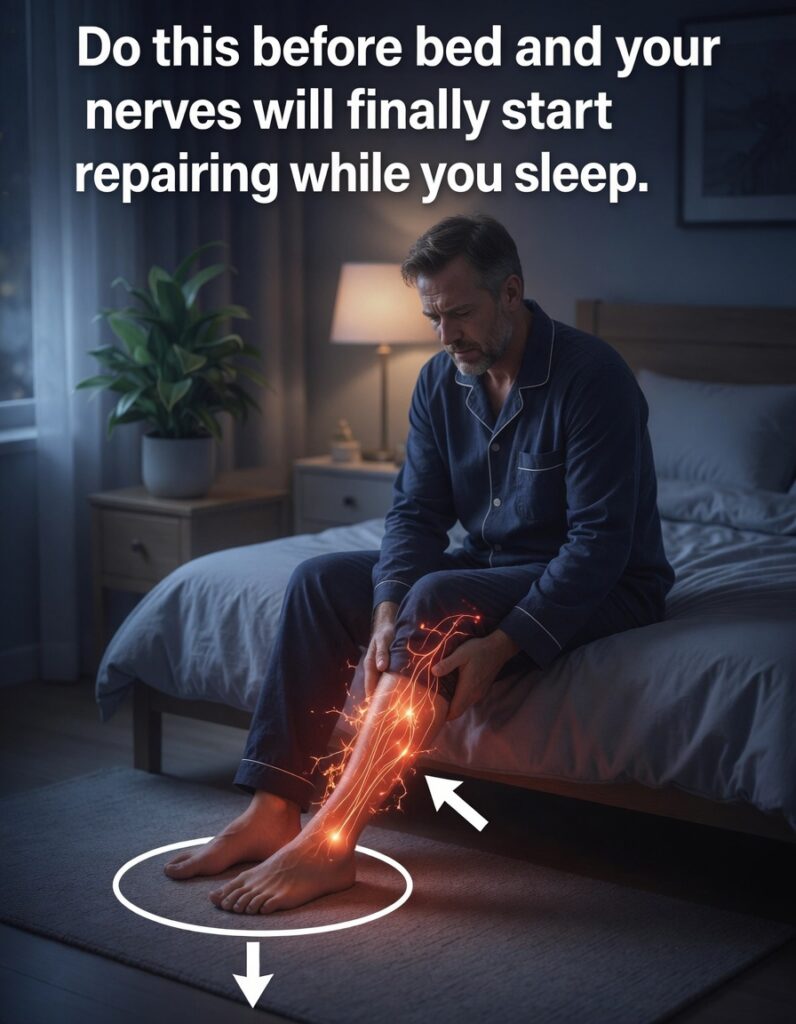
A quick option is to do simple ankle movements at the side of your bed:
- Ankle pumps: point toes away, then flex them toward your shins for 30–60 seconds
- Ankle circles: rotate gently in both directions
These motions activate the calf muscles, which help push blood back upward—often creating a warming effect in the feet. If you want a small “before and after” check, lightly rub the sole of one foot, do the movements, then rub again to see if sensation feels improved.

2) Slow, Deep Breathing to Settle an Overactive Nervous System
Stress that carries into the evening can keep the nervous system on high alert, which may amplify burning, tingling, or buzzing sensations. When the body stays in a “wired” state, relaxing enough to fall asleep can feel out of reach.
Try a simple breathing pattern that emphasizes longer exhales:
- Inhale through your nose for 4 seconds
- Exhale slowly through your mouth for 6 seconds
- Repeat 5–10 cycles
Longer exhales can encourage parasympathetic activity—your body’s “rest and restore” mode. While you breathe, do a quick tension scan:
- let your shoulders drop
- unclench your jaw
- soften your forehead
These small signals can help your body feel safer and calmer, which may reduce perceived nerve irritation at night.

3) Prioritize Nerve-Supporting Nutrients During the Day
Nerves need steady nutritional support to function well. When key nutrients are low, nerve signaling and repair may be less efficient—sometimes making nighttime symptoms feel sharper or more disruptive.
Build meals around foods that naturally support nerve health:
- B vitamins: leafy greens, eggs, nuts
- Magnesium: avocados, seeds, dark chocolate
- Alpha-lipoic acid (ALA): spinach, broccoli (antioxidant support)
Nutrition research continues to highlight the role of these nutrients in nerve and metabolic health. If you’re thinking about supplements, it’s best to discuss options with a qualified healthcare professional, especially if you take medications or manage blood sugar concerns.

4) Choose Lighter Dinners and Aim for Steadier Blood Sugar Overnight
A heavy dinner or sugary late-night snack can increase inflammation and trigger blood sugar swings—both of which may contribute to nerve discomfort when you’re trying to sleep. If your system is busy digesting or dealing with glucose spikes, bedtime may feel less soothing.
For a calmer night:
- finish eating 2–3 hours before sleep
- keep dinner lighter and balanced with:
- protein
- vegetables
- healthy fats
Example: grilled chicken with greens and olive oil. This timing gives digestion room to settle and may help keep overnight energy levels steadier—often translating into less nighttime irritation.

5) Use Gentle Self-Massage to Relax Muscles and Improve Local Flow
Muscle tightness and localized circulation issues can add pressure around sensitive nerves, making numbness or tingling more noticeable once you lie down. A short, gentle massage can help your body transition into sleep.
Try one of these for 1–2 minutes:
- lightly massage feet and calves, focusing on the arches and heels
- rub hands together to create warmth, then place them over tense areas
This can increase local blood flow and promote relaxation—often enough to take the edge off symptoms so sleep comes easier.

Bedtime Do’s and Don’ts for Nerve Comfort
Do:
- gentle movements and slow breathing
- eat nutrient-rich foods earlier in the day
- use light self-massage
- keep a consistent wind-down routine
Avoid:
- heavy meals close to bedtime
- high-sugar snacks at night
- screens or activities that spike stress right before sleep
- rushing into bed while tense
A Simple 10-Minute Routine to Try Tonight
Use this easy sequence as a starting point:
- 1 minute: ankle pumps and circles while seated on the bed
- 2–3 minutes: 5–10 slow breaths (relax shoulders and jaw)
- 1–2 minutes: gentle foot or calf massage (optional)
- Confirm your last meal was light and finished earlier
- Wind down with low light and minimal screens
Consistency matters more than intensity. Start small, keep it realistic, and track whether symptoms change over days or weeks.
Frequently Asked Questions
Why do nerve symptoms often feel worse at night?
When you’re less active, your attention naturally shifts toward physical sensations. Temperature changes, reduced movement, and accumulated daily stress can also make tingling or burning feel more noticeable. A calming pre-sleep routine may help.
Can these habits replace medical advice?
No. These are supportive lifestyle steps, not a substitute for diagnosis or treatment. If you have persistent numbness, burning, weakness, or worsening symptoms, consult a healthcare provider.
How long does it take to notice improvement?
It depends on the person and the underlying cause. Some people feel subtle changes within days, while others need weeks of consistent habits. Keeping a simple symptom note can help you spot progress.