
Coconut Oil and Thyroid Problems: Potential Benefits, Practical Uses, and Safety Tips
Living with thyroid problems can feel like an ongoing battle with exhaustion, stubborn weight shifts, and a “slow-motion” body that makes everyday responsibilities harder than they should be. When symptoms spill into your confidence, productivity, and mood, it’s natural to look for supportive, lifestyle-friendly options—especially if standard care doesn’t fully relieve the daily grind.
While medical treatment and professional guidance are essential, many people explore complementary nutrition strategies. One popular option is coconut oil, largely because it contains medium-chain triglycerides (MCTs) and naturally occurring compounds that may offer supportive benefits for metabolism, energy, inflammation, and gut health.
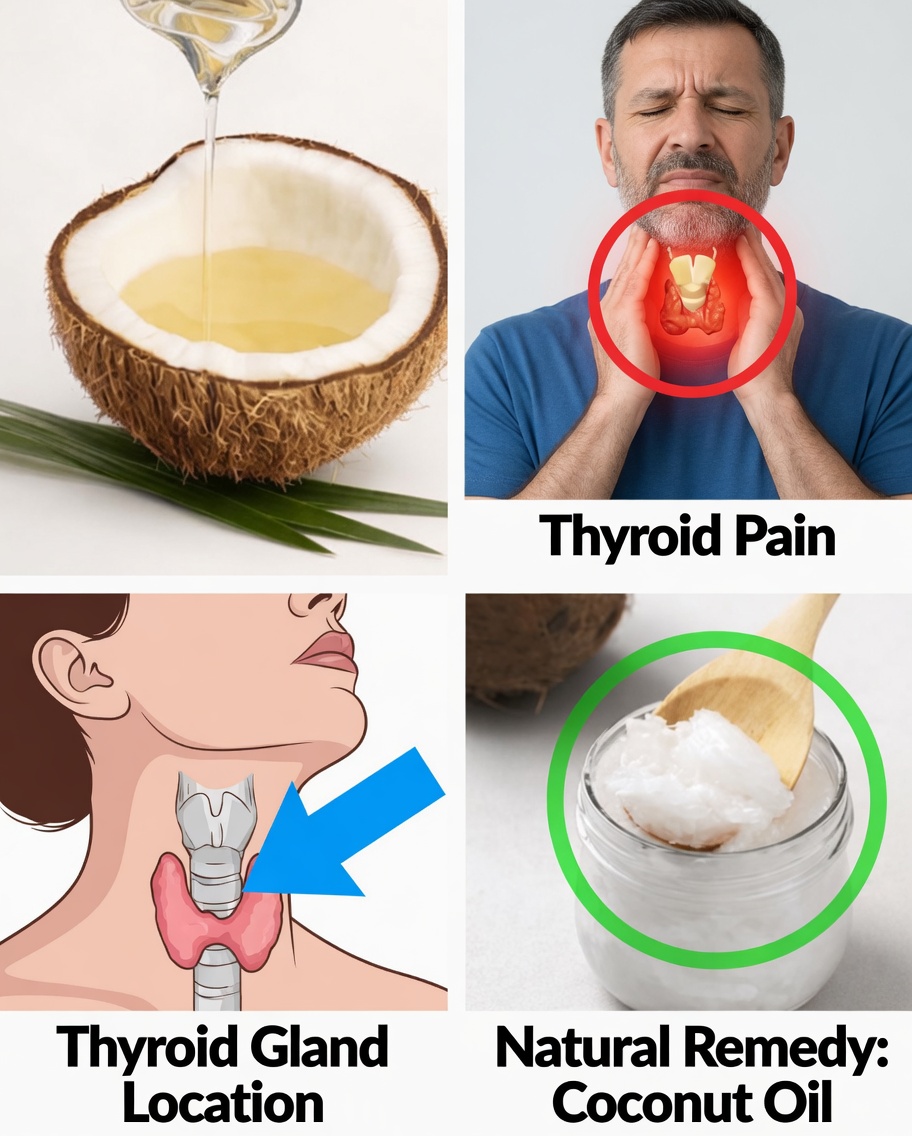
1) Coconut Oil May Support Metabolism in Thyroid Problems
A slowed metabolic rate is a common frustration with thyroid problems, often showing up as low energy, feeling cold, and difficulty maintaining momentum through the day. Coconut oil is rich in MCTs, fats the body can use relatively quickly for energy.
Some research has suggested that MCTs may increase energy expenditure compared with longer-chain fats. For people managing thyroid problems, this may translate into a gentle metabolic “nudge” that supports daily vitality—though results can vary by individual and overall diet.
2) Coconut Oil Could Help with Weight Management When Thyroid Function Is Sluggish
Weight changes can feel especially discouraging when thyroid problems affect appetite, energy, and how efficiently the body burns calories. Because MCTs may encourage thermogenesis and fat oxidation, coconut oil has been studied for potential effects on body composition.
Smaller studies (including research published in Lipids) have reported modest improvements compared with certain other dietary fats. For someone with thyroid problems, mindfully replacing some fats with coconut oil—without increasing total calories—may support healthier weight trends over time.

3) Coconut Oil Might Offer Inflammation Support in Thyroid Problems
Low-grade inflammation is often discussed in connection with autoimmune thyroid conditions such as Hashimoto’s. Coconut oil contains lauric acid, a fatty acid frequently noted for potential anti-inflammatory and antimicrobial effects.
Reviews in journals such as Pharmaceutical Biology have highlighted lauric acid’s biological activity. Although coconut oil is not a treatment for autoimmune thyroid disease, incorporating it as part of an overall anti-inflammatory lifestyle may contribute to feeling more balanced and less “run down.”
4) Coconut Oil May Provide Helpful Fats for Hormone-Related Balance
Thyroid problems can disrupt more than energy—they can affect mood, focus, and emotional steadiness. Dietary fats are essential for hormone production and cellular function, and coconut oil provides a stable fat source that many people find easy to digest.
Unlike some heavier fats that may feel burdensome for certain individuals, MCTs are metabolized differently and can serve as a more immediate energy source. For those dealing with thyroid problems, this can be one piece of broader hormonal and nutritional support.
5) Coconut Oil Could Promote Energy and Mental Clarity
Brain fog, concentration problems, and afternoon crashes are frequent complaints among people with thyroid problems. MCTs can be converted into ketones, which may serve as an alternative fuel source for the brain.
Research in areas such as cognitive aging (including findings discussed in Neurobiology of Aging) has explored MCTs in contexts where brain energy use may be less efficient. While this doesn’t mean coconut oil is a cure for cognitive symptoms, some people find that small amounts in their routine help them feel more alert and steady.
6) Coconut Oil May Support Gut Health, Which Can Matter for Thyroid Function
Digestive health can influence nutrient absorption and overall hormonal balance—both relevant for thyroid problems. Lauric acid in coconut oil has mild antimicrobial properties, which may help support a healthier microbial environment for some individuals.
There is also growing interest in the relationship between gut integrity and T4-to-T3 conversion, an important process for active thyroid hormone availability. Supporting the gut with dietary strategies, including coconut oil, may help strengthen the foundations of thyroid-friendly wellness.

Practical Ways to Add Coconut Oil to Your Routine
- Add 1 teaspoon to morning coffee or tea for a smoother, longer-lasting energy curve
- Use it for low-heat cooking, such as gently sautéing vegetables
- Mix into oatmeal or blend into smoothies for a creamy texture
- Swap for butter on toast (if it fits your nutrition plan)
- Whisk into homemade salad dressings for a richer mouthfeel
Simple Tips to Use Coconut Oil Safely
- Choose extra-virgin, organic coconut oil when possible to preserve beneficial compounds.
- Start low: 1–2 teaspoons per day, then increase gradually only if you tolerate it well.
- Keep expectations realistic—coconut oil works best as a supportive addition, not a standalone solution.
- Speak with a healthcare professional if you have gallbladder issues, digestive conditions, or concerns about dietary fats.
Conclusion
Coconut oil is not a replacement for thyroid care, but it may offer meaningful support for people living with thyroid problems—particularly in areas like metabolism, energy, inflammation support, mental clarity, and gut health. When paired with appropriate medical management and sustainable lifestyle habits, it can be a small change that helps you feel more like yourself day by day.
Frequently Asked Questions (FAQ)
Is coconut oil safe for everyone with thyroid problems?
Many people tolerate coconut oil in moderation, but responses differ. Check with your clinician if you have gallbladder concerns, cholesterol issues, digestive sensitivity, or take prescription medications.
How much coconut oil should I take per day for thyroid support?
A common approach is starting with 1–2 teaspoons daily, then slowly increasing up to 1–2 tablespoons if well tolerated and aligned with your nutrition needs.
Can coconut oil interfere with thyroid medication?
It may affect absorption if taken too close to medications like levothyroxine. To be safe, separate coconut oil and thyroid medication by a few hours, and confirm timing with your healthcare provider.