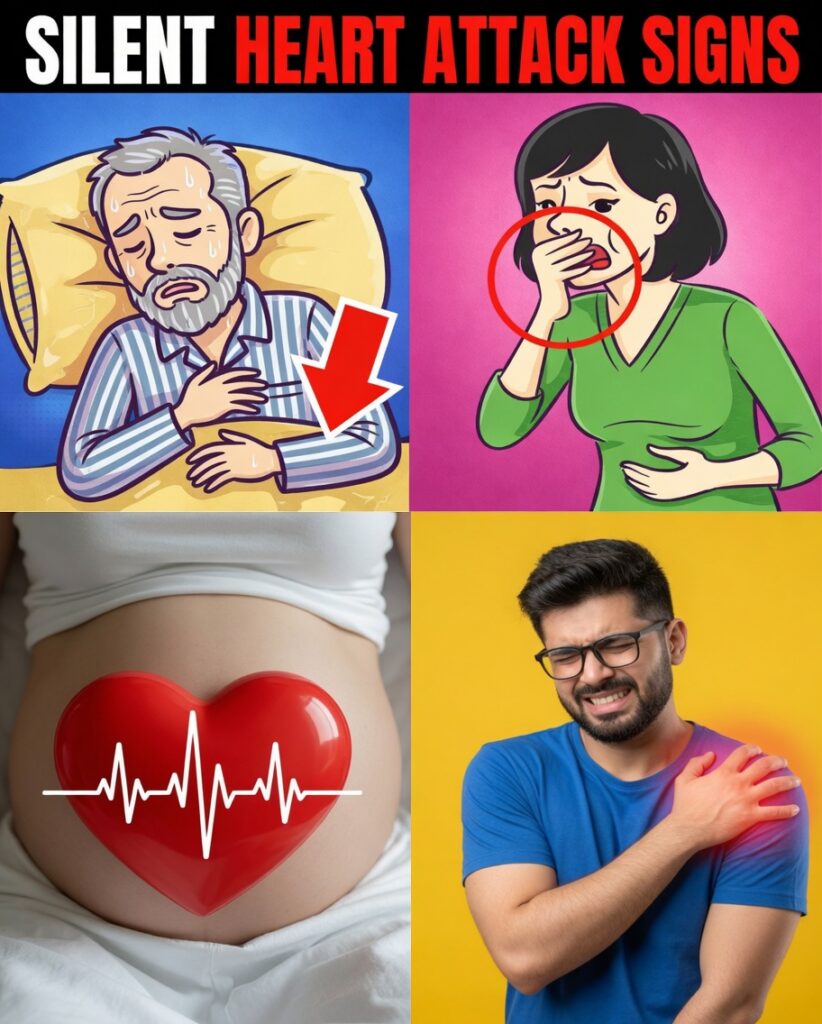
Many adults occasionally deal with tiredness, minor aches, or unexpected sweating and quickly chalk it up to stress, aging, or an overloaded schedule. In some cases, however, these subtle changes may be linked to heart problems such as a silent myocardial infarction (silent heart attack). If you have risk factors or a family history of heart disease, it can be unsettling to wonder whether you’re overlooking an important warning. Learning the most common low-key signs—supported by American Heart Association (AHA) insights—can encourage timely check-ins and greater peace of mind.
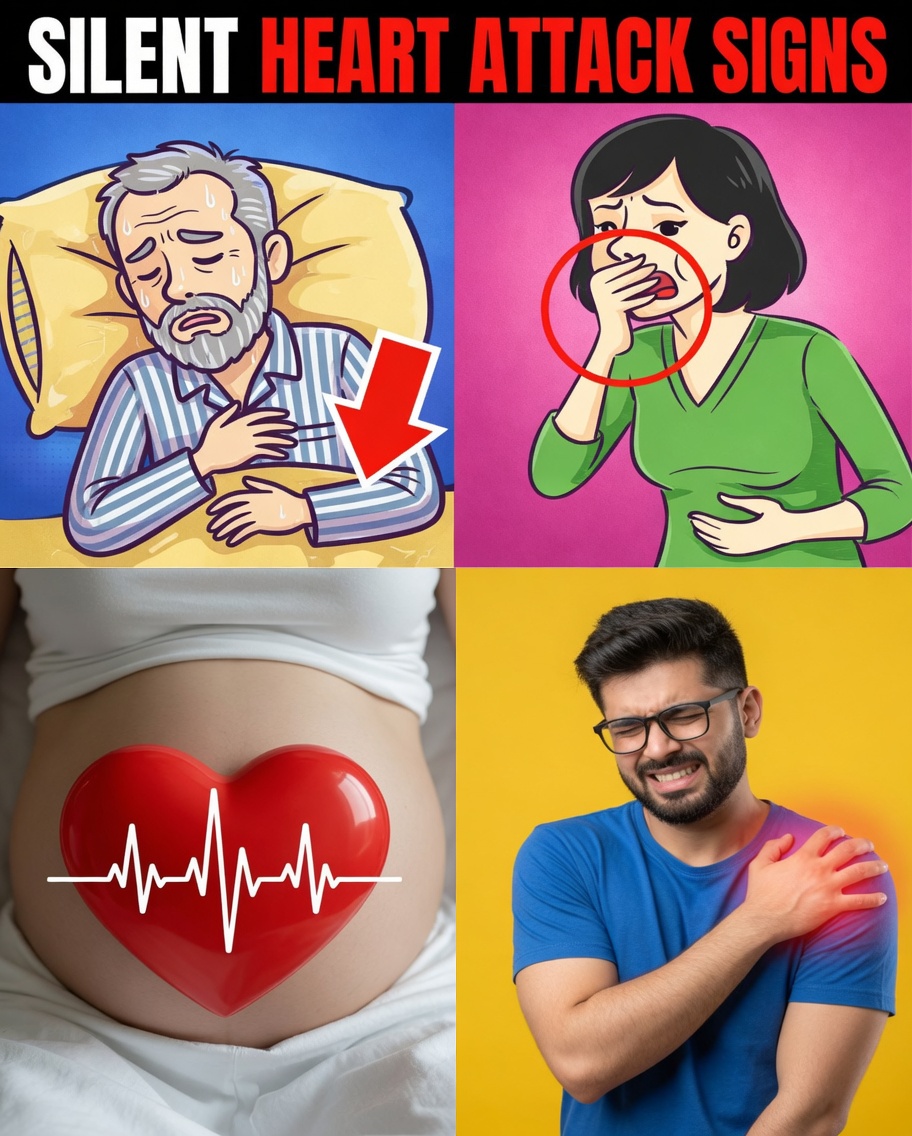
What Is a Silent Heart Attack—and Why Is It Often Missed?
A silent heart attack happens when blood flow to part of the heart is blocked, but the event does not produce the classic, intense chest pain many people associate with heart attacks. The AHA estimates that about 1 in 5 heart attacks are silent—approximately 170,000 cases per year in the United States—and they can still cause heart damage that is discovered only later.
Silent events are reported more often in:
- Women
- People with diabetes (nerve changes may reduce typical pain sensations)
- Older adults
Because the symptoms can resemble indigestion, fatigue, or a mild illness, it’s easy to dismiss them and miss an opportunity for early medical evaluation. Recognizing the patterns is the first step.
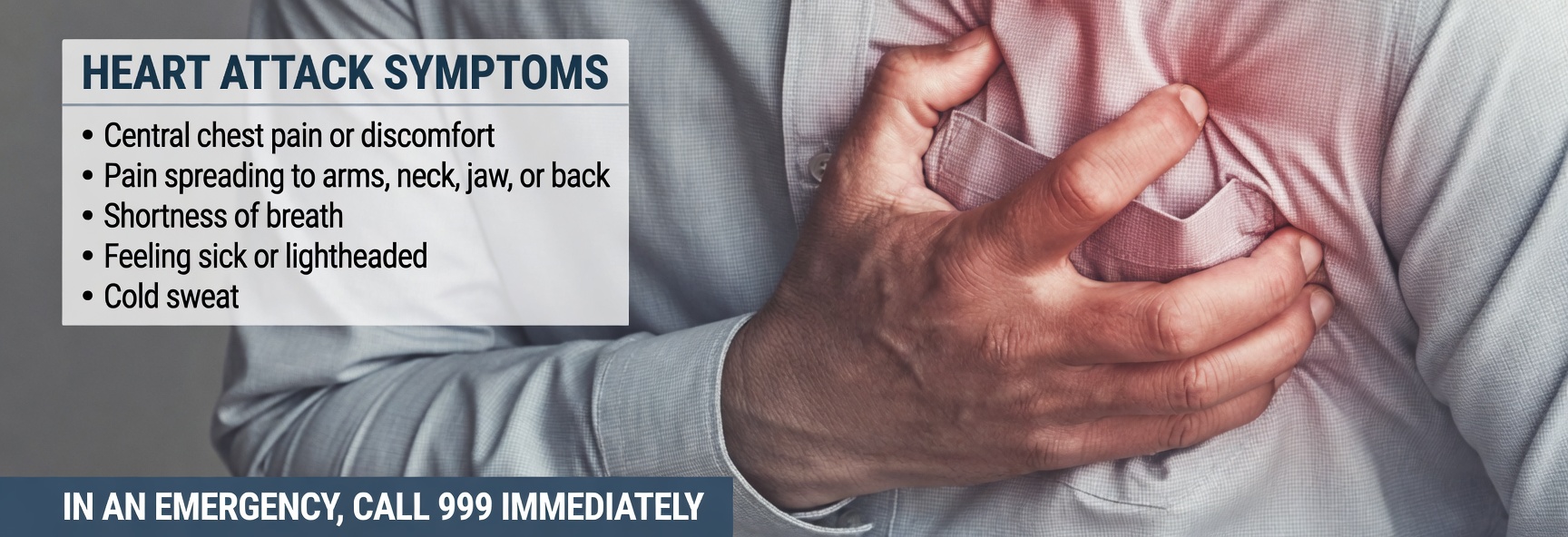
Sign 1: Unusual or Ongoing Fatigue
Feeling abnormally tired even after rest can interfere with daily tasks and leave you drained without an obvious reason. While it’s common to blame work stress or poor sleep, persistent fatigue can also relate to the heart not pumping efficiently enough to deliver oxygen as well as it should.
The AHA highlights extreme fatigue as a more subtle symptom, especially among women. If fatigue feels out of proportion, lasts longer than expected, or keeps returning, tracking it can help your clinician assess the bigger picture.
Sign 2: Mild Chest Discomfort That Feels Like Indigestion
Not all heart-related chest symptoms feel sharp or severe. Some people notice a fullness, pressure, tightness, or burning sensation that resembles heartburn or indigestion. It may come and go, and it can last several minutes at a time.
Clinical sources (including Cleveland Clinic guidance) note that this indigestion-like discomfort can appear in silent cases—particularly in individuals with diabetes, where typical pain may be less intense. If symptoms recur or don’t respond as expected to antacids, a professional evaluation is important.
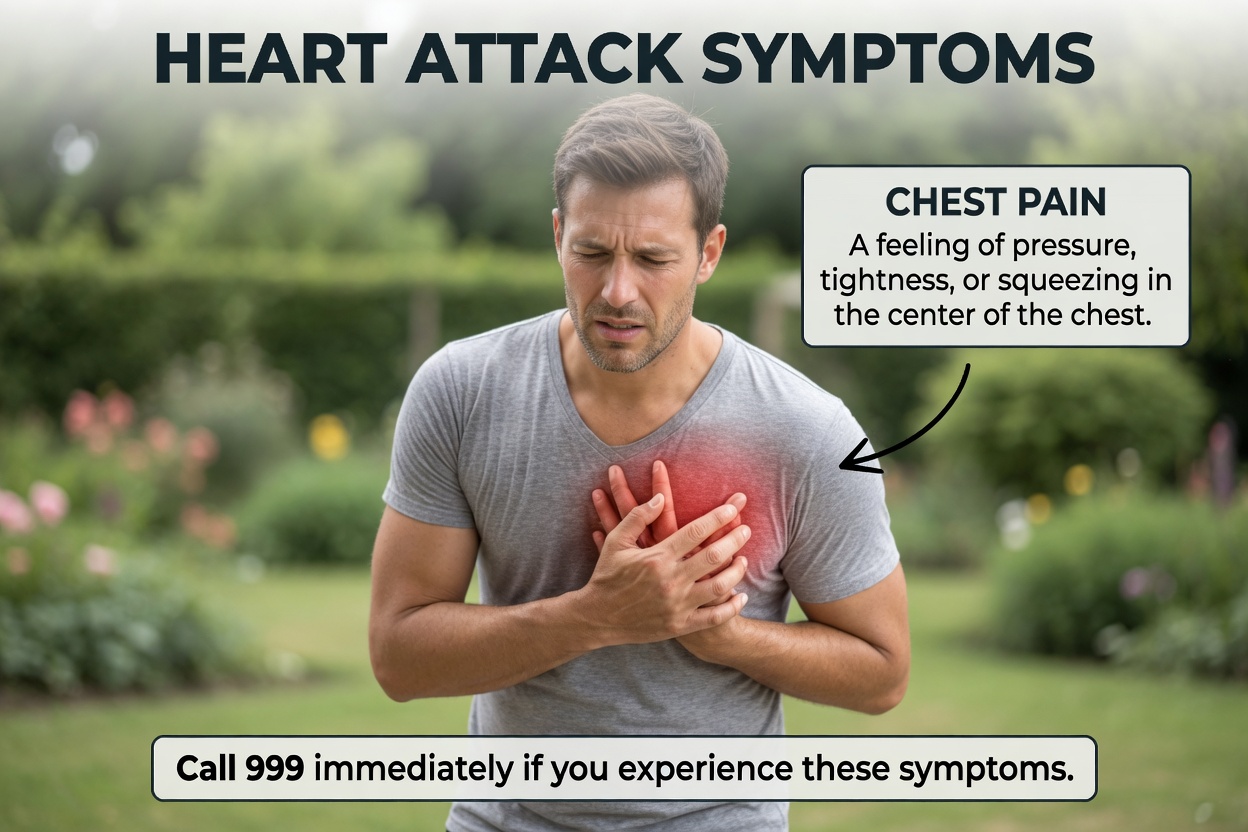
Sign 3: Unexplained Cold Sweats
A cold sweat at rest, without exercise or heat exposure, can feel sudden and out of place. This may reflect the body’s stress response when it perceives a problem—such as reduced oxygen delivery.
Experts often list cold sweats as a possible heart-related warning sign. If sweating appears unexpectedly, especially alongside other mild symptoms, seeking prompt medical advice can clarify what’s going on.
Sign 4: Flu-Like Feelings Without a Clear Infection
Some people experience nausea, vague body aches, or general malaise that mimics a virus—yet there’s no fever or obvious infection. When rest, hydration, and time don’t resolve it, the uncertainty can be worrying.
The AHA and other health authorities acknowledge that “flu-like” symptoms can sometimes accompany heart events. Noting how long symptoms last, what triggers them, and whether they repeat can improve the quality of your medical consultation.

Sign 5: Sudden or Unusual Fluid Retention (Swelling)
If you notice new swelling in your ankles, feet, legs, or hands—such as shoes feeling tighter or socks leaving deeper marks—this can indicate fluid retention (edema). While swelling has many possible causes, it can also be associated with the heart working under strain and circulation being affected.
Because edema isn’t specific to silent heart attacks, it’s best treated as a meaningful change that deserves a clinician’s review—especially when it appears suddenly or worsens quickly.
Sign 6: Discomfort in the Jaw, Neck, Back, or Arms
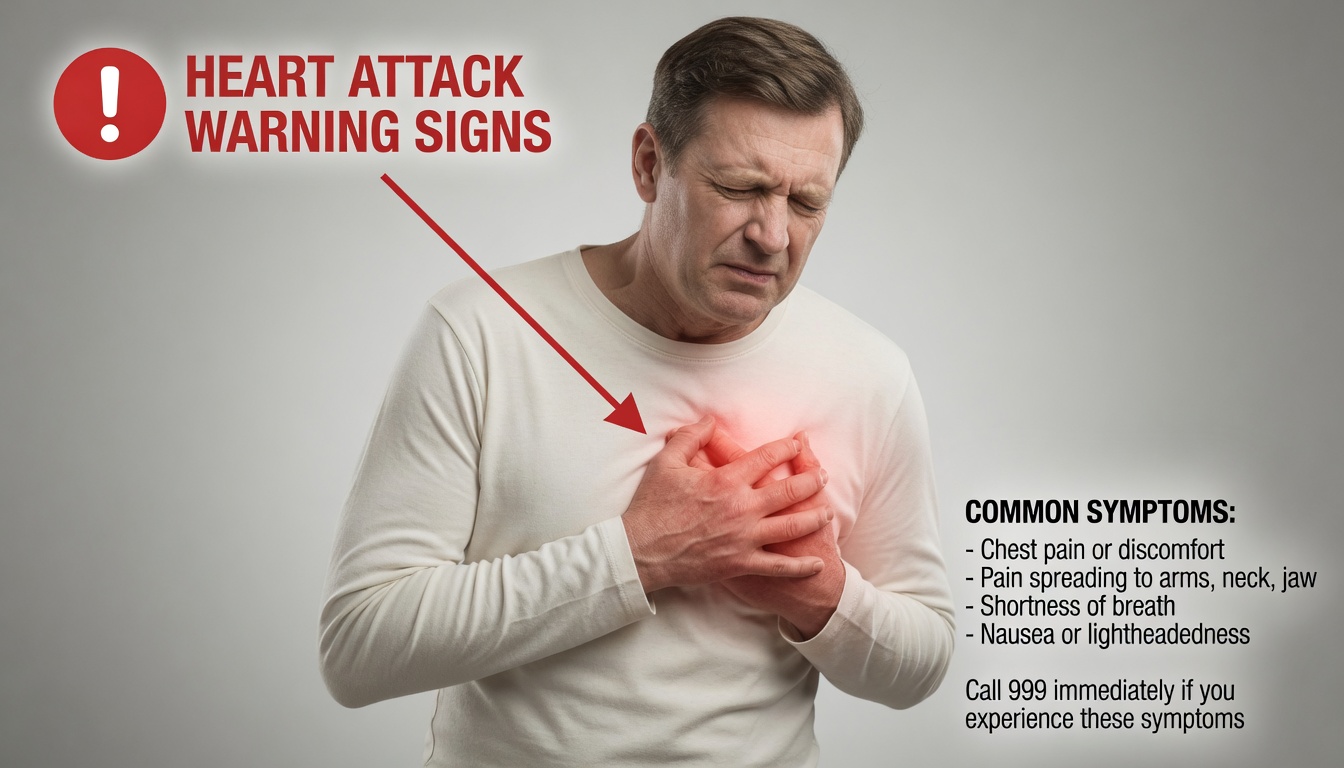
Heart-related discomfort doesn’t always stay in the chest. Some people develop pressure, aching, or discomfort that spreads to the:
- Jaw
- Neck
- Upper back
- Shoulders or arms
These sensations are frequently mistaken for posture issues or muscle strain and may not improve with stretching or rest. AHA insights note that women often report these atypical symptom locations more than classic chest pain. Unexplained radiating discomfort should be taken seriously.
What to Do If You Notice These Symptoms
If symptoms are persistent, recurring, or appearing together, contact a healthcare professional promptly. When you speak with a clinician, be as specific as possible about:
- When symptoms started
- How long they last
- What they feel like (pressure, burning, tightness, nausea, etc.)
- What makes them better or worse
- Whether they occur with activity or at rest
Also consider your risk profile, including:
- High blood pressure
- Diabetes
- Smoking
- High cholesterol
- Family history of heart disease
- Older age
Regular checkups, heart-healthy eating, physical activity, and stress management can all support cardiovascular health.
Emergency warning signs (such as severe chest pain, sudden shortness of breath, fainting, or severe weakness) require immediate help—call emergency services right away.
Quick Reference: Subtle Signs That May Suggest Heart Concerns
- Unusual fatigue: ongoing tiredness with no clear cause (often mistaken for stress or poor sleep; common in women per AHA)
- Mild chest discomfort: pressure or indigestion-like sensations (often mistaken for heartburn; seen in silent cases)
- Cold sweats: sudden sweating at rest (often mistaken for anxiety or heat; a stress-response signal)
- Flu-like symptoms: nausea or malaise without infection (often mistaken for a virus; non-specific but reported)
- Fluid retention: swelling in legs/ankles or elsewhere (often mistaken for diet or prolonged standing; may relate to circulation)
- Radiating discomfort: jaw/neck/back/arm discomfort (often mistaken for muscle strain; more common in women)
Building Heart Health Awareness Over Time
Staying aware doesn’t mean being alarmed—it means noticing patterns and taking your body’s signals seriously enough to discuss them with a professional. Many people feel more confident and reassured by routine screenings and consistent prevention habits. Over time, small choices add up, and awareness can help you act earlier rather than later.
Frequently Asked Questions
How common are silent heart attacks?
The AHA estimates that about 1 in 5 heart attacks in the U.S. are silent.
Who is more likely to experience subtle symptoms?
Women, people with diabetes, and older adults often report less typical or less obvious symptoms.
When should I talk to a doctor?
If symptoms persist, return repeatedly, or occur together, seek medical evaluation soon—especially if you have risk factors.
Medical Disclaimer
This article is for educational purposes only and does not provide medical advice. The symptoms described may have many causes unrelated to heart disease. Always consult a qualified healthcare professional for personal concerns, persistent symptoms, or individualized risk assessment. Seek immediate emergency care for suspected heart events or severe symptoms.