Early Menopause in Your 40s: Signs, Symptoms, and When to Seek Help
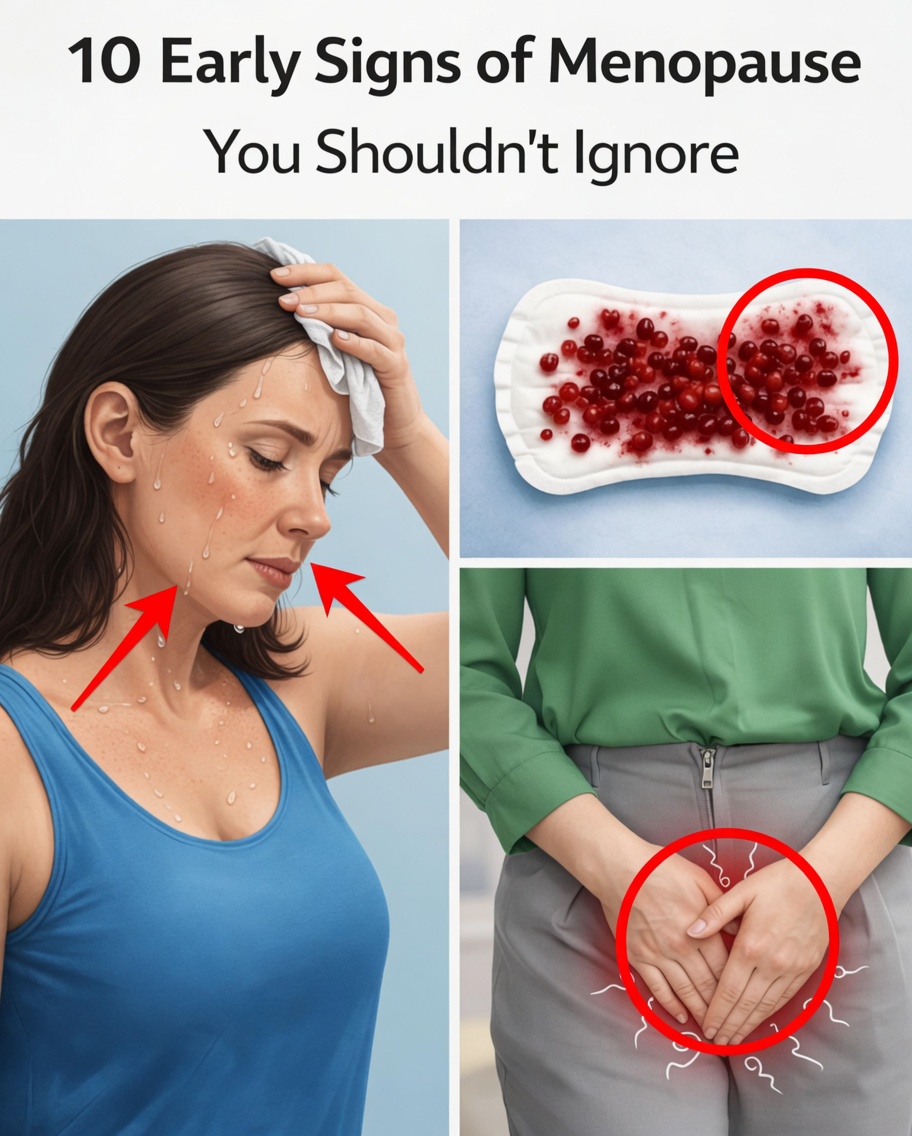
Sudden hot flashes, unpredictable periods, or ongoing fatigue can make many women in their 40s feel unsettled—especially when it’s unclear whether these changes are stress, aging, or something else. Early menopause can affect sleep, mood, and day-to-day energy, making you feel “off” in ways that are hard to explain. Learning the typical signs of early menopause can be reassuring and can also help you decide when it’s time to speak with a healthcare professional.
Why Early Menopause Can Feel So Difficult
Early menopause is largely driven by shifting hormone levels, which can influence how you feel physically and emotionally. Symptoms may spill into work performance, relationships, and self-confidence—turning normal routines into daily challenges. Because the changes often arrive gradually, many women question whether what they’re experiencing is “normal” or simply part of getting older.
In clinical terms, early menopause generally refers to menopause that happens before age 45. While it affects a relatively small portion of women, it’s common enough that early recognition and timely guidance can be helpful.

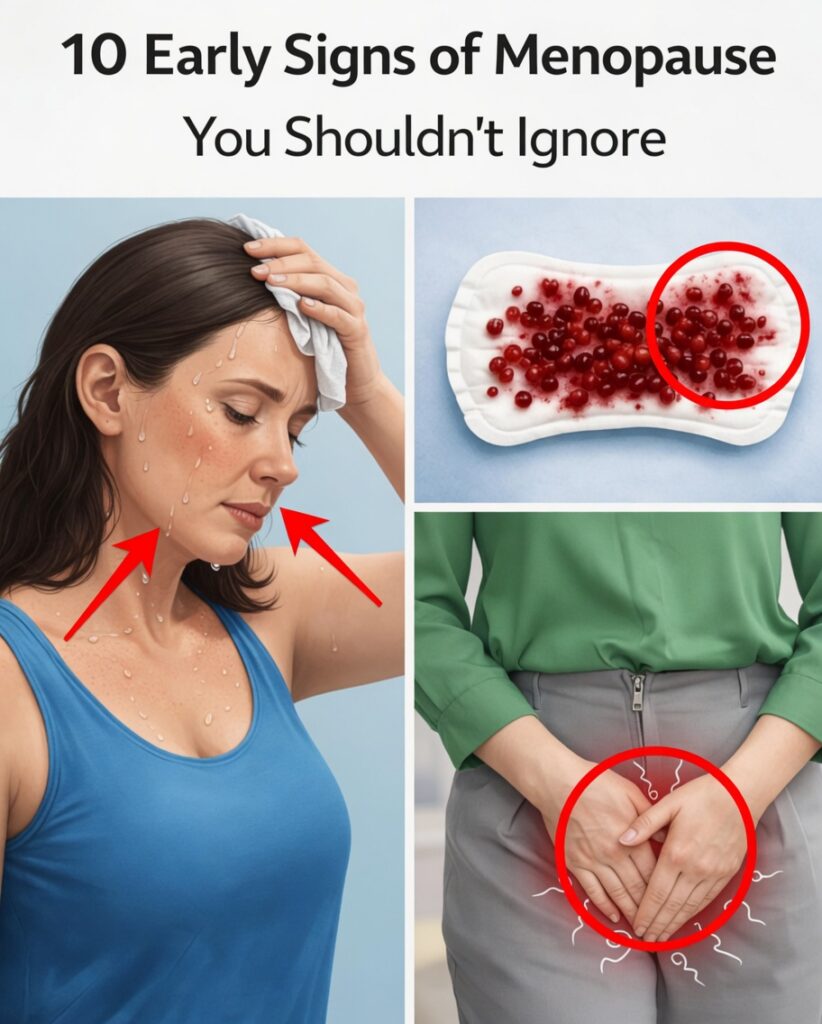
10 Common Signs Often Associated With Early Menopause
Symptoms can look different from person to person, and intensity can range from mild to disruptive. Still, these are widely reported signs linked to early menopause:
- Irregular periods — cycles may become shorter, longer, heavier, lighter, or may be skipped
- Hot flashes — sudden feelings of heat, often with flushing and sweating
- Night sweats — sweating episodes that interrupt sleep
- Mood changes — increased irritability, anxiety, or feeling low
- Sleep problems — trouble falling asleep or staying asleep
- Fatigue — persistent exhaustion even after resting
- Concentration difficulties — “brain fog,” forgetfulness, or reduced focus
- Vaginal dryness — less moisture that may lead to discomfort
- Weight changes — shifts in body composition, often around the abdomen
- Joint discomfort — new aches, stiffness, or soreness
Many women notice that even one or two of these symptoms can noticeably affect daily quality of life.

Other Changes That May Also Appear
Alongside the more common symptoms, some women also report additional changes during early menopause, such as:
- Dry skin
- Thinning hair
- Headaches
- Heart palpitations
- More frequent urinary tract infections (UTIs)
These experiences can add to the overall sense that your body is changing—though it’s important to note that not everyone will have the same pattern of symptoms.
What Many Women Report About the Early Menopause Experience
Personal stories often begin with confusion: hot flashes that seem to come out of nowhere, mood swings that feel out of character, or fatigue that doesn’t improve with sleep. For many, clarity comes after discussing symptoms openly with a clinician, which can lead to individualized strategies—ranging from lifestyle adjustments to medical options—that improve comfort and confidence.
Long-Term Health Considerations to Be Aware Of
Because estrogen levels may remain lower for a longer period in early menopause, certain health areas may deserve extra attention. Research commonly highlights potential associations such as:
- Bone health — possible increased risk of osteoporosis
- Often-supported approaches: weight-bearing exercise, calcium-rich foods
- Heart health — possible higher cardiovascular concerns
- Often-supported approaches: regular movement, balanced diet
- Cognitive function — temporary changes in memory or focus
- Often-supported approaches: mental stimulation, consistent sleep
A healthcare provider can help evaluate personal risk factors and recommend proactive steps suited to your needs.

Practical Ways to Support Yourself Through the Transition
Everyday habits can make early menopause symptoms feel more manageable—especially when combined with professional guidance. Consider these supportive steps:
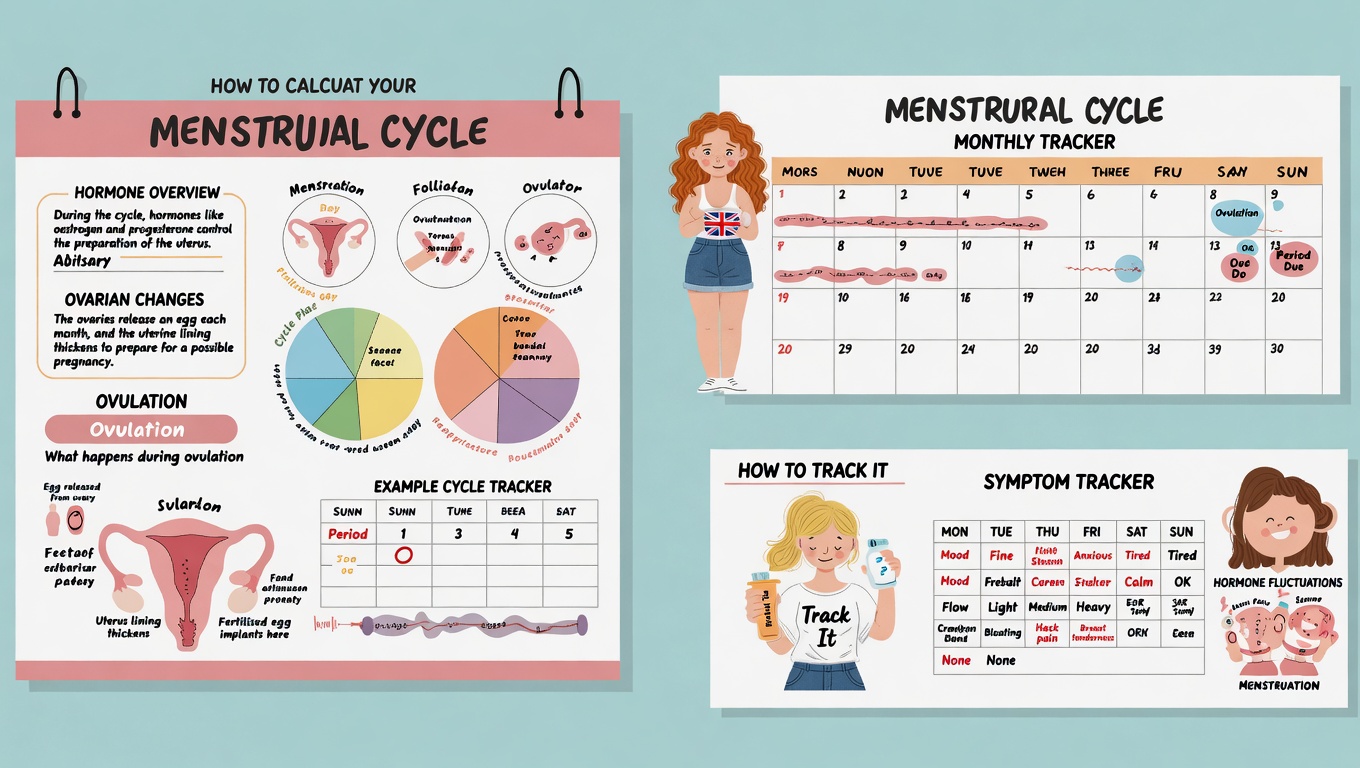
- Track symptoms in an app or journal to identify trends (sleep, triggers, cycle changes)
- Protect sleep with consistent routines and stress-reduction practices
- Choose nutrient-dense foods such as fruits, vegetables, and whole grains
- Stay physically active with walking, yoga, strength training, or a mix
- Talk with a trusted healthcare professional to review symptoms and options
These strategies often work best as part of a broader plan tailored to your health history and goals.
Summary
Early menopause can feel disruptive, especially when symptoms like irregular periods, hot flashes, and fatigue appear unexpectedly. Recognizing common signs supports informed, timely conversations with your doctor. With lifestyle adjustments and appropriate medical support, many women find meaningful relief and navigate this phase with greater confidence.
Frequently Asked Questions
What qualifies as early menopause?
Early menopause typically means menopause occurring before age 45. Premature menopause is often used for menopause before age 40. A healthcare provider can confirm what’s happening based on symptoms and, when appropriate, testing.
When should I see a doctor about possible early menopause?
Consider seeking medical advice if symptoms persist and interfere with daily life, or if your periods stop or become significantly irregular before age 45. A clinician can help rule out other causes and discuss treatment and support options.
Can early menopause symptoms be managed naturally?
Many women find symptom relief through exercise, nutrition, stress management, sleep support, and symptom tracking. These approaches are best used alongside medical guidance to ensure care is personalized and safe.