

Choosing the Right Fats to Support Kidney Health
It is common to feel uneasy when a routine health check suggests your kidneys may not be processing waste as efficiently as expected. That concern can spill into daily life, influencing your energy, your food choices, and even your confidence around meals. The encouraging part is that one simple area of nutrition can make a meaningful difference: the fats you eat each day.
Here is the important part: fats are not all the same. Some can support overall wellness, while others are better limited. Once you understand that difference, making food choices becomes much less stressful. Below, you will find four healthy fats to include more often, four types to be more careful with, and a practical swap that can make everyday eating easier and smarter.
Why Fat Quality Matters for Kidney Wellness
Your kidneys work constantly to filter waste, regulate fluids, and help maintain balance throughout the body. Because of that, the foods you eat can either support or challenge that process. Certain fats are known to help reduce inflammation and promote cardiovascular health, both of which are closely tied to long-term kidney function. Research from trusted groups such as the National Kidney Foundation suggests that a balanced eating pattern with healthier fats may contribute to better overall outcomes.
At the same time, some fats may increase strain when eaten too often, especially by affecting blood pressure and cholesterol. That does not mean fat should be avoided. Your body still needs it for energy, hormone production, and cell repair. What matters most is choosing beneficial fats regularly and keeping less supportive ones in check.
4 Healthy Fats to Add More Often
These options are especially helpful because they contain mostly unsaturated fats and other nutrients that fit well into a kidney-friendly eating style. They are also widely available and easy to include in everyday meals.
1. Olive Oil
Olive oil is rich in monounsaturated fat and is a key part of eating patterns often linked with heart and kidney support. It may help lower inflammation when used in place of heavier cooking fats. Try drizzling it over cooked vegetables, mixing it into salad dressings, or using a small amount for sautéing.
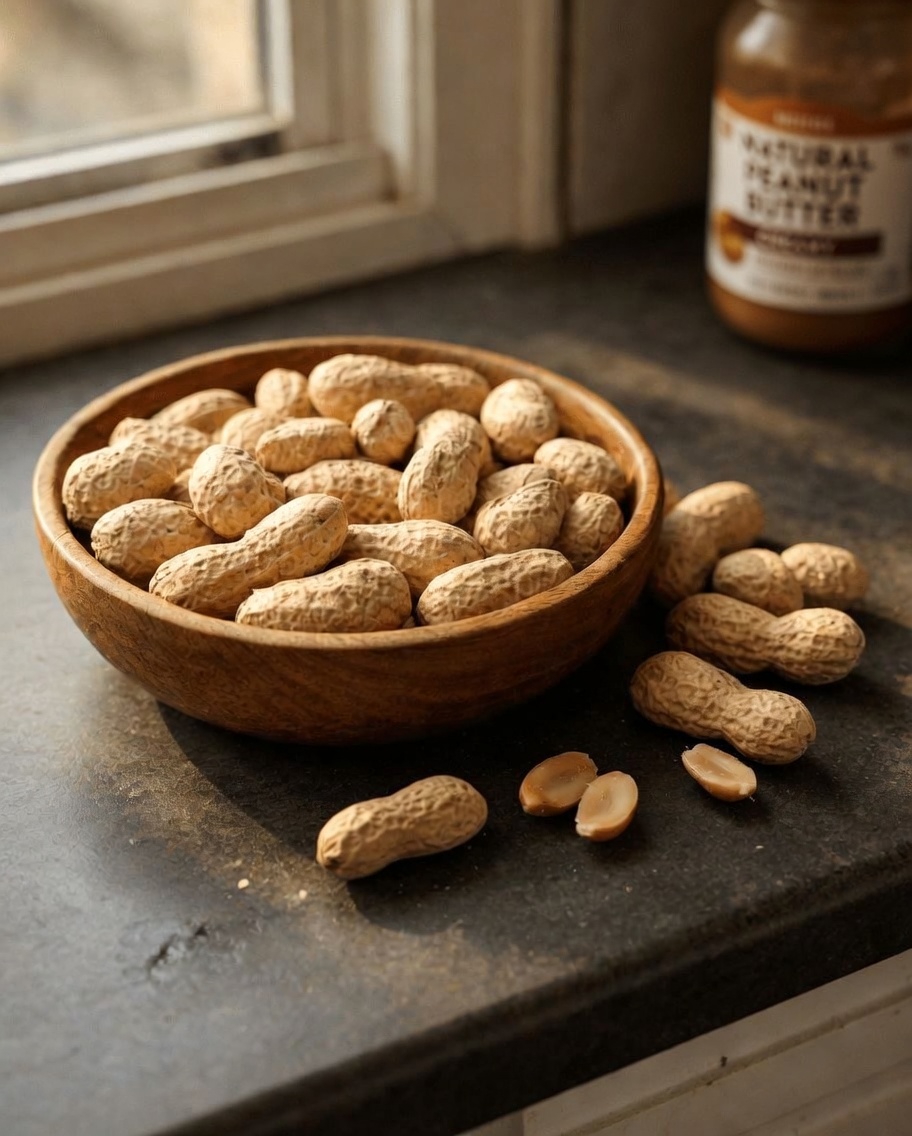
2. Peanuts and Peanut Oil
Peanuts offer healthy unsaturated fats along with protein and fiber, making them a filling and convenient choice. In moderate portions, they can work well as a snack or as part of a stir-fry or grain bowl. Some studies also point to their antioxidant content, which adds to their appeal in a balanced diet.
3. Avocados
Avocados are creamy, versatile, and packed with monounsaturated fats. They are easy to add to breakfast, lunch, or snacks. If you are watching certain minerals, portion size may matter, but for many people, small servings fit well into a healthy routine. A quarter of an avocado on whole-grain toast is a simple place to start.
4. Omega-3 Sources: Fatty Fish, Walnuts, and Flaxseeds
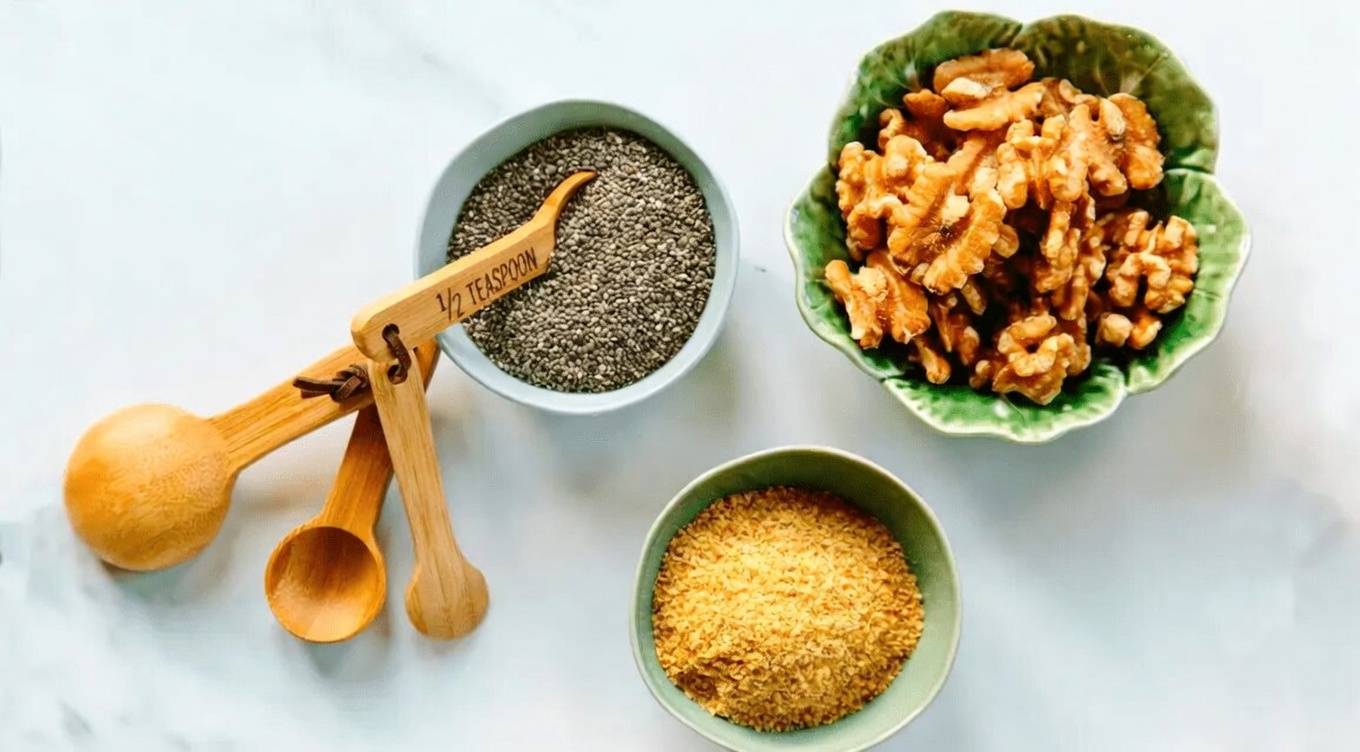
Omega-3 fats are valued for their anti-inflammatory benefits. Foods such as salmon, mackerel, walnuts, and ground flaxseeds can help support overall health and may play a role in managing inflammation throughout the body. Eating fatty fish a couple of times a week or adding flaxseed to oatmeal or yogurt are easy ways to get more.
The real benefit comes not just from eating these fats alone, but from making them part of your overall eating pattern.
4 Fats to Limit More Carefully
Just as some fats can be helpful, others are best consumed in moderation. The goal is not total restriction for most people, but smarter balance over time.
1. Saturated Fats from Red and Processed Meats
Frequent consumption of red meat and processed meats has been associated in long-term research with factors that may increase kidney workload. Choosing leaner cuts or replacing meat with plant-based proteins a few times per week can help improve the balance of fats in your diet.
2. Trans Fats in Packaged Snacks and Fried Foods
Trans fats are often found in highly processed foods, fast food, and some shelf-stable snacks. Health professionals advise keeping them as low as possible because they may worsen inflammation and negatively affect heart health. Reading labels and choosing baked or air-fried alternatives can help you avoid them.
3. Butter and Lard in Large Amounts
Butter and lard can add flavor, but using them heavily on a regular basis increases saturated fat intake. A small amount now and then is usually fine, yet it is better not to rely on them as your main cooking fat. In many recipes, replacing part of the butter with olive oil works well.
4. Large Amounts of Tropical Oils, Including Coconut Oil
Coconut oil is often viewed as a healthy trend ingredient, but it is still high in saturated fat. If kidney health is one of your priorities, it is best used occasionally rather than as an everyday staple. Saving it for special baking or treats is a more balanced approach.
The good news is that healthy eating does not need to feel restrictive. A few easy substitutions can keep meals enjoyable while moving you in a better direction.
Simple Ways to Make Better Fat Choices Every Day
If you want to turn these ideas into action, start with a few realistic changes. These habits are affordable, practical, and easy to maintain.
- Cook eggs or vegetables with olive oil instead of butter.
- Keep a small portion of unsalted peanuts nearby for a snack instead of chips or crackers.
- Add avocado to a salad or sandwich a couple of times a week for healthy creaminess.
- Order baked, grilled, or roasted fish instead of fried seafood when dining out.
- Check ingredient lists on packaged foods and avoid products with partially hydrogenated oils.
These small changes work well because they do not require major effort. Over time, they can help create steadier eating habits, better satisfaction after meals, and fewer cravings for heavily processed foods.
Common Myths About Fat and Kidney Health
Myth 1: All fats are bad for the kidneys
This is not true. The body needs fat, and healthier fats can actually support overall wellness. The focus should be on fat quality, not complete avoidance.
Myth 2: Peanuts and nuts should always be avoided
Many people can include peanuts and other nuts in moderate amounts, especially when kidney function is stable. They provide beneficial fats, fiber, and protein. If kidney issues are more advanced, a dietitian can help guide portion sizes based on individual needs.
Myth 3: Changing fats will instantly improve lab results
Dietary improvements usually take time. Better fat choices can support health gradually as part of a larger pattern, but changes in blood markers are not usually immediate. Consistency matters more than quick fixes.
Conclusion
Improving your fat choices does not need to be complicated. By using more olive oil, peanuts, avocados, and omega-3-rich foods while cutting back on saturated and trans fats, you can give your body and kidneys more daily support through meals you already enjoy. Small changes made consistently often create more lasting results than strict short-term diets.
Start with one or two swaps this week and build from there. A thoughtful approach to food can go a long way.
FAQ
How do dietary fats connect to kidney markers such as creatinine?
Creatinine is a waste product commonly measured in blood tests to assess kidney filtration. Fats themselves do not directly raise or lower creatinine in a simple way, but a diet centered on healthier fats may help manage inflammation and other long-term factors related to kidney function. Always review your lab results with a qualified healthcare professional.
Are peanuts and other nuts safe for people concerned about kidney health?
For many individuals, yes. In moderate servings, peanuts and many other nuts can fit into a balanced eating plan and provide healthy fats, protein, and fiber. If you have more advanced kidney concerns, personalized advice from a registered dietitian is the safest option because mineral needs can vary.
How quickly can someone notice benefits after improving fat intake?
The timeline differs from person to person. Some people feel better energy or improved satisfaction after meals within a few weeks. Changes in medical markers, however, are usually monitored over a longer period and should be discussed with your doctor rather than judged day by day.
Disclaimer
This article is intended for informational purposes only and should not be used as medical advice, diagnosis, or treatment. It is based on general nutrition research and is not a substitute for guidance from a licensed healthcare professional.