Nutrition and Cancer Risk: Why Everyday Food Choices Matter
Cancer affects countless families, often bringing stress, uncertainty, and difficult “what if” questions about health and the future. While not every risk factor is within our control, research increasingly highlights diet and lifestyle as practical areas where many people can take action. Even better: some of the most studied, most accessible options are simple foods you can start adding to your meals right away.
Below are eight foods linked in studies to potential cancer risk–lowering benefits, along with easy ways to make them part of your routine.
1) Broccoli: A Cruciferous Vegetable Known for Detox Pathways
Among foods that may help lower cancer risk, broccoli is frequently mentioned because it contains sulforaphane. Research suggests sulforaphane may help activate the body’s natural detoxification systems—processes that can support the neutralization of potentially harmful compounds before they contribute to cellular damage.
A helpful preparation note: light steaming tends to preserve more of broccoli’s beneficial compounds than prolonged boiling.
Simple ways to eat more broccoli
- Lightly steam, then add to stir-fries
- Use raw florets in salads for extra crunch
- Blend into green smoothies
2) Berries: Antioxidant-Dense Support for Cellular Protection
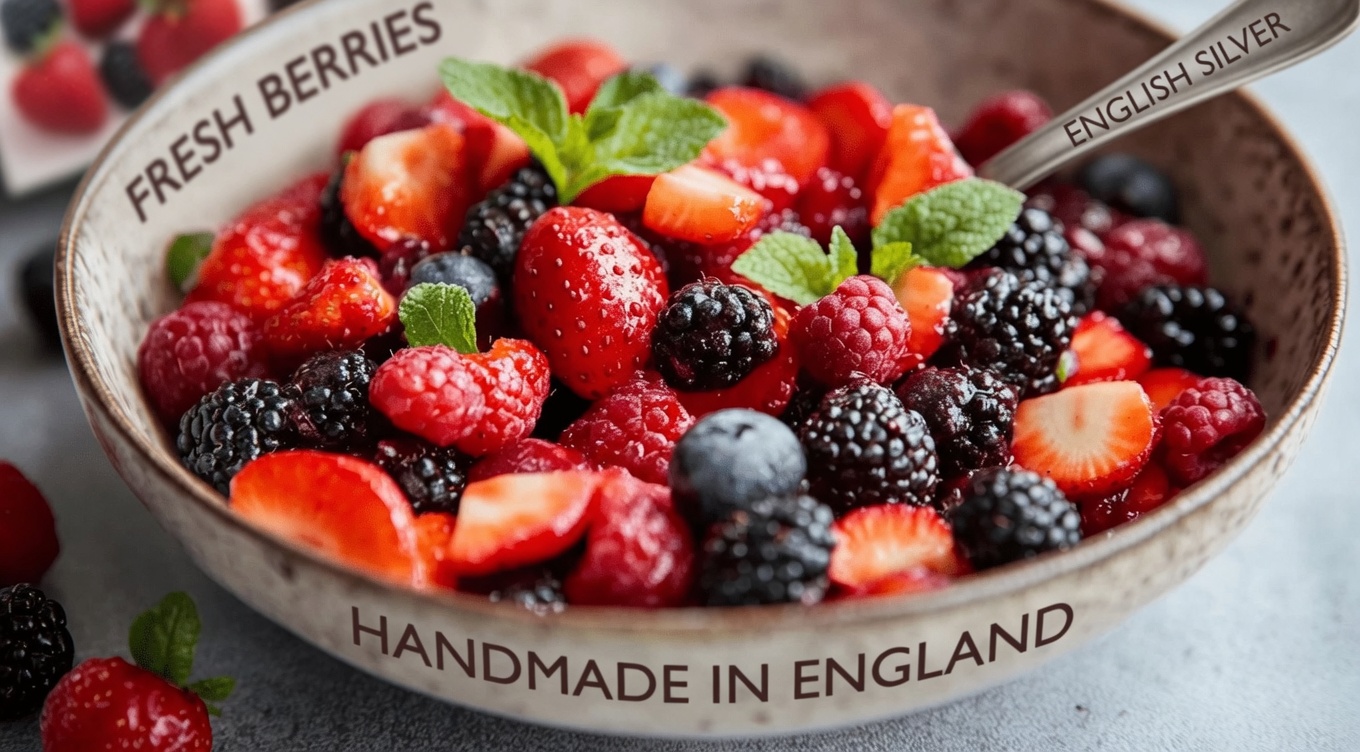
Blueberries, strawberries, raspberries, and blackberries are packed with antioxidants such as anthocyanins and ellagic acid. These compounds help counter oxidative stress, which is associated in research with long-term cellular changes.
Fresh or frozen, berries are an easy, year-round option—especially for people who want protective habits that also feel enjoyable and realistic.
Easy berry ideas
- Add to oatmeal, yogurt, or chia pudding
- Blend into smoothies after workouts
- Snack on a bowl of mixed berries instead of sweets
3) Turmeric: A Golden Spice With Anti-Inflammatory Potential
Turmeric’s key compound, curcumin, has been studied for its anti-inflammatory properties and its potential role in influencing processes related to abnormal cell growth. Since chronic inflammation is a major topic in preventive health research, turmeric often comes up in discussions of foods that may help lower cancer risk.
For better absorption, studies commonly note pairing turmeric with black pepper (piperine).
Ways to use turmeric more often
- Stir into soups, lentils, or rice dishes
- Make “golden milk” with milk or plant-based milk plus black pepper
- Add to eggs, roasted vegetables, or marinades
4) Green Tea: A Daily Drink Rich in Catechins (EGCG)
As beverages go, green tea is one of the most researched for potential protective effects. It contains catechins, especially EGCG, which provide antioxidant support. Population studies often associate regular green tea intake with favorable health patterns, and ongoing research continues to explore how these compounds may support cells, including at the DNA level.
Green tea habits to try
- Brew with loose leaves when possible
- Aim for 2–3 cups per day (hot or iced)
- Consider skipping milk additions, which may interfere with antioxidant activity

5) Garlic: Sulfur Compounds Linked to Immune and Cellular Support
When garlic is chopped or crushed, it forms allicin, a sulfur-containing compound studied for potential benefits related to immune function and cellular health. Some research connects garlic intake with supportive effects for digestive-system health, including the stomach and colon.
A practical tip from food science: let crushed garlic rest for about 10 minutes before heating to help maximize allicin formation.
Ways to add garlic without effort
- Roast whole bulbs for a sweet, spreadable flavor
- Mix fresh minced garlic into dressings, dips, or sauces
- Lightly sauté with vegetables (avoid overcooking)
6) Spinach: Leafy Greens That Support DNA Health
Spinach offers nutrients often associated with long-term cellular support, including folate, plus carotenoids such as lutein and zeaxanthin. Studies that examine overall eating patterns frequently link higher leafy-green intake with positive health outcomes, making spinach a straightforward “small change” food.
Simple spinach strategies
- Wilt into pasta, soups, or omelets
- Add raw spinach to sandwiches and wraps
- Blend into sauces or smoothies for “hidden” greens
7) Tomatoes: Lycopene Becomes More Available When Cooked
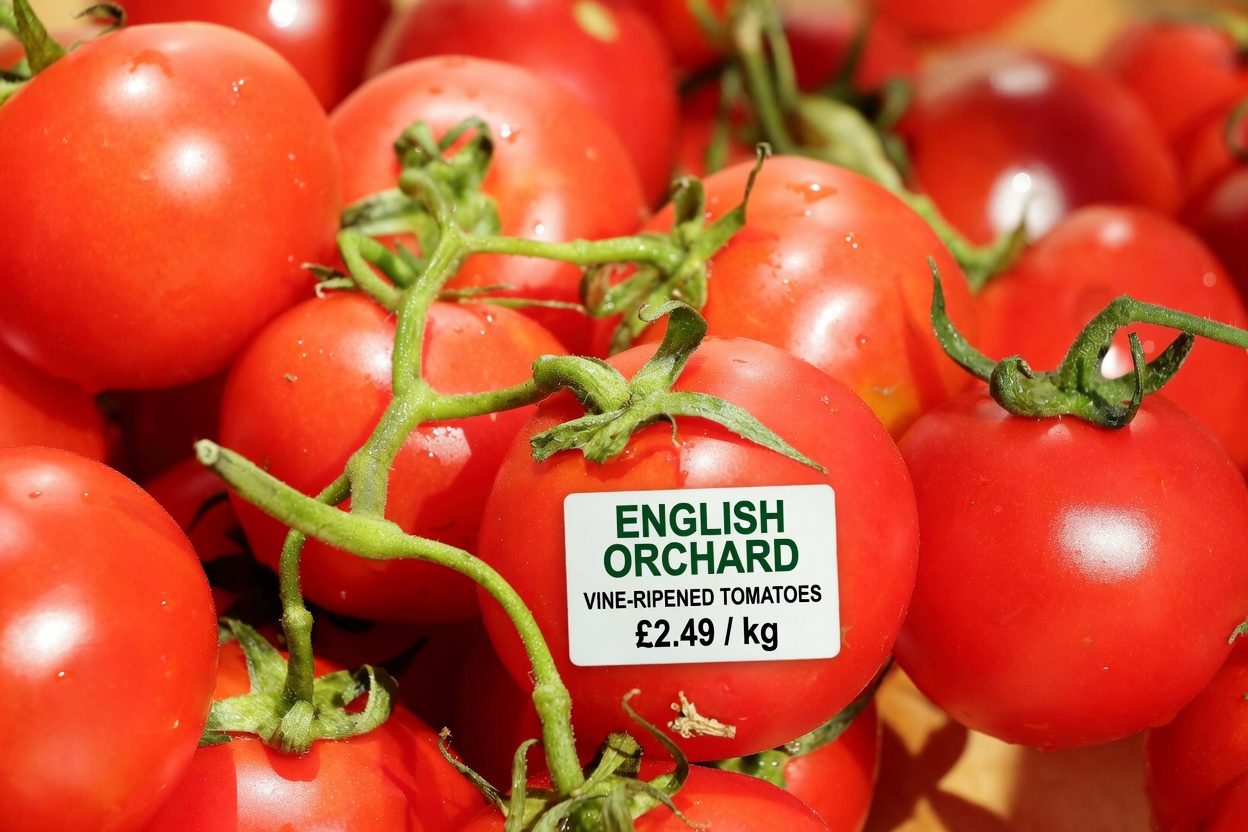
Tomatoes are known for lycopene, an antioxidant that becomes more bioavailable after cooking. Research often highlights tomatoes—particularly cooked tomato products—in discussions of dietary patterns associated with prostate health.
This means everyday comfort foods can become part of a smarter routine when prepared thoughtfully.
Tomato-forward meal ideas
- Make a simple marinara sauce
- Roast tomatoes with olive oil and herbs
- Use canned tomatoes in chili, soups, and stews
8) Walnuts: Omega-3s, Antioxidants, and Plant Sterols
Walnuts provide a distinctive mix of omega-3 fatty acids, antioxidants, and phytosterols. Studies suggest these components may support healthy cellular processes, adding another practical option for people building a more protective eating pattern.
A small handful can go a long way, making walnuts especially helpful for busy schedules.
Easy ways to eat walnuts
- Sprinkle over salads, oatmeal, or yogurt
- Blend into pesto or sauces
- Eat plain as a satisfying snack
Practical Ways to Add These Foods to Your Week
If you want a simple structure, try this easy rotation:
- Monday–Wednesday: Prioritize greens
- Broccoli about 3 times across these days
- Spinach daily (even small servings)
- Thursday–Saturday: Focus on bright colors
- Berries at breakfast
- Tomatoes in dinner meals
- Sunday: Experiment day
- Turmeric tea or golden milk
- Garlic-roasted vegetables
- Walnuts as a snack or topping
Start with 3–4 foods, then build. Consistency usually matters more than large amounts.
Key Compounds at a Glance
- Broccoli — Sulforaphane — Detoxification pathway support
- Berries — Anthocyanins, ellagic acid — Oxidative stress defense
- Turmeric — Curcumin — Anti-inflammatory potential
- Green tea — Catechins (EGCG) — Antioxidant and DNA-related support
- Garlic — Allicin — Immune and cellular support
- Spinach — Folate, lutein — DNA and long-term cellular health support
- Tomatoes — Lycopene — Prostate health associations (especially cooked)
- Walnuts — Omega-3s, phytosterols — Healthy cell-process support
Final Thoughts
Adding these eight foods that may help lower cancer risk is a practical way to support overall wellness through nutrition. No single ingredient can guarantee prevention, but research consistently points to the value of a plant-forward, nutrient-rich diet as part of a broader health strategy. For best results, pair smart eating with recommended screenings, regular movement, quality sleep, and stress management.