Many people in tropical regions love fresh mangoes, guavas, and other seasonal fruits—but small peck marks or bite scratches from bats or birds can be easy to miss. While infections such as Nipah virus remain rare, recent limited cases in India are a helpful reminder that simple produce habits can add an extra layer of everyday reassurance. With quick checks, thorough washing, and peeling, you can support safer routines without changing what you enjoy eating.
What Is Nipah Virus? Key Facts and Recent Updates
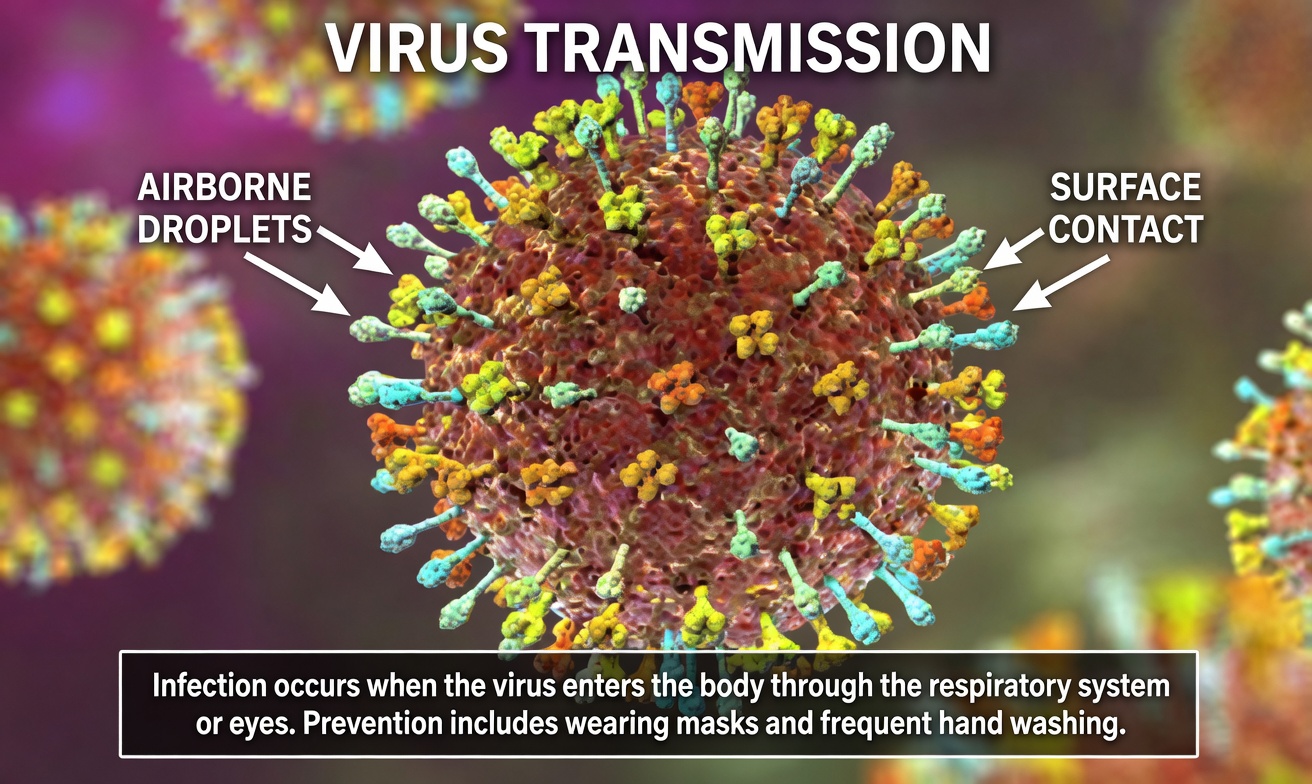
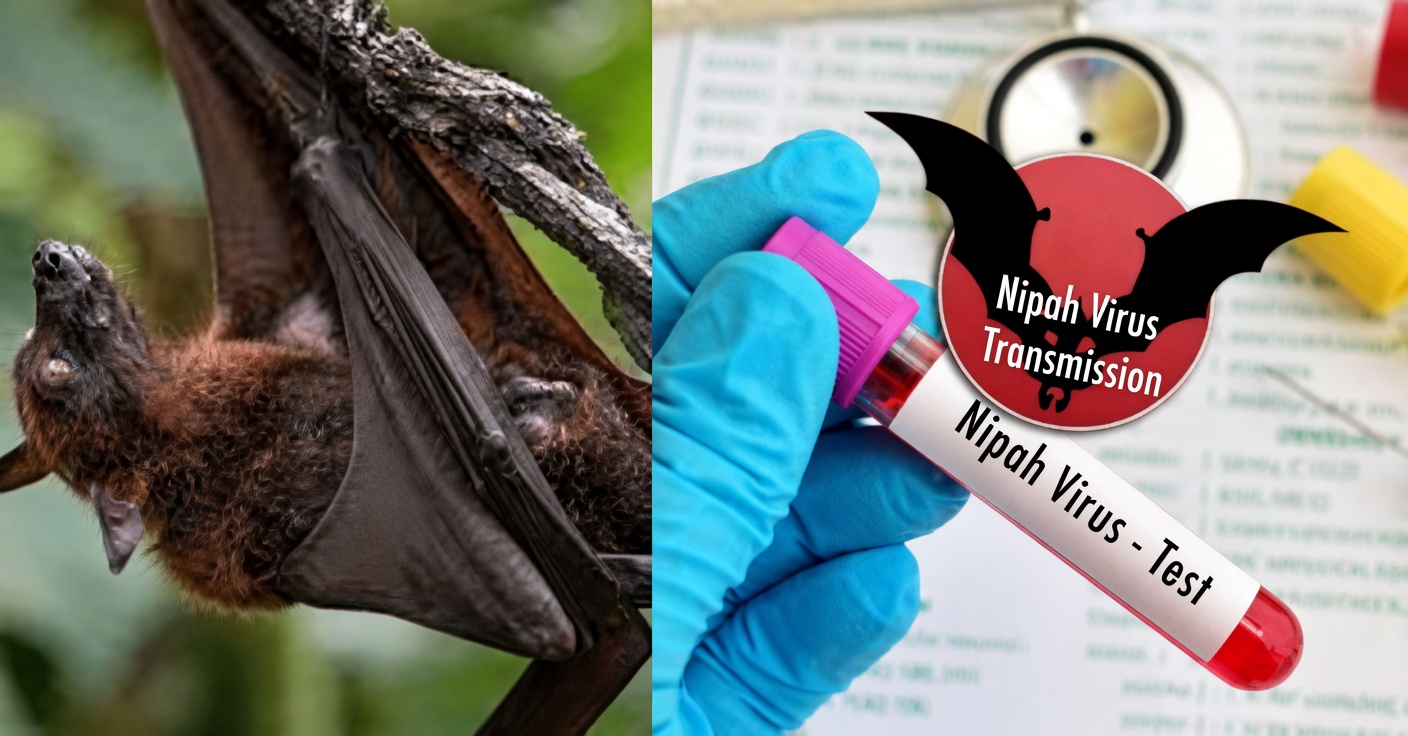
Nipah virus (NiV) is a zoonotic disease, meaning it can spread from animals to humans. It is naturally associated with fruit bats (flying foxes), and outbreaks have been reported primarily in South and Southeast Asia. According to the World Health Organization (WHO), some cases can be severe—yet outbreaks are typically localized and uncommon.
In January 2026, India confirmed two Nipah cases in West Bengal, reported among healthcare workers. Contacts were monitored and no broader spread was noted, with authorities focusing on surveillance and containment. For people living in or traveling to regions where Nipah has occurred, these events reinforce the value of practical prevention measures—especially around food handling.
How Nipah Virus Can Be Linked to Fruit and Bats
Fruit bats often feed on ripe fruit and may leave saliva or other traces on the surface. In areas where these bats are present, damaged or partially eaten fruit can become a potential indirect exposure route.
Guidance aligned with organizations such as the WHO and CDC generally indicates that intact fruit is low-risk when handled properly, while visibly bitten, torn, or gnawed fruit should be avoided. Since birds and rodents can cause similar surface damage, a quick inspection is a good all-purpose food safety habit—regardless of the exact animal involved.
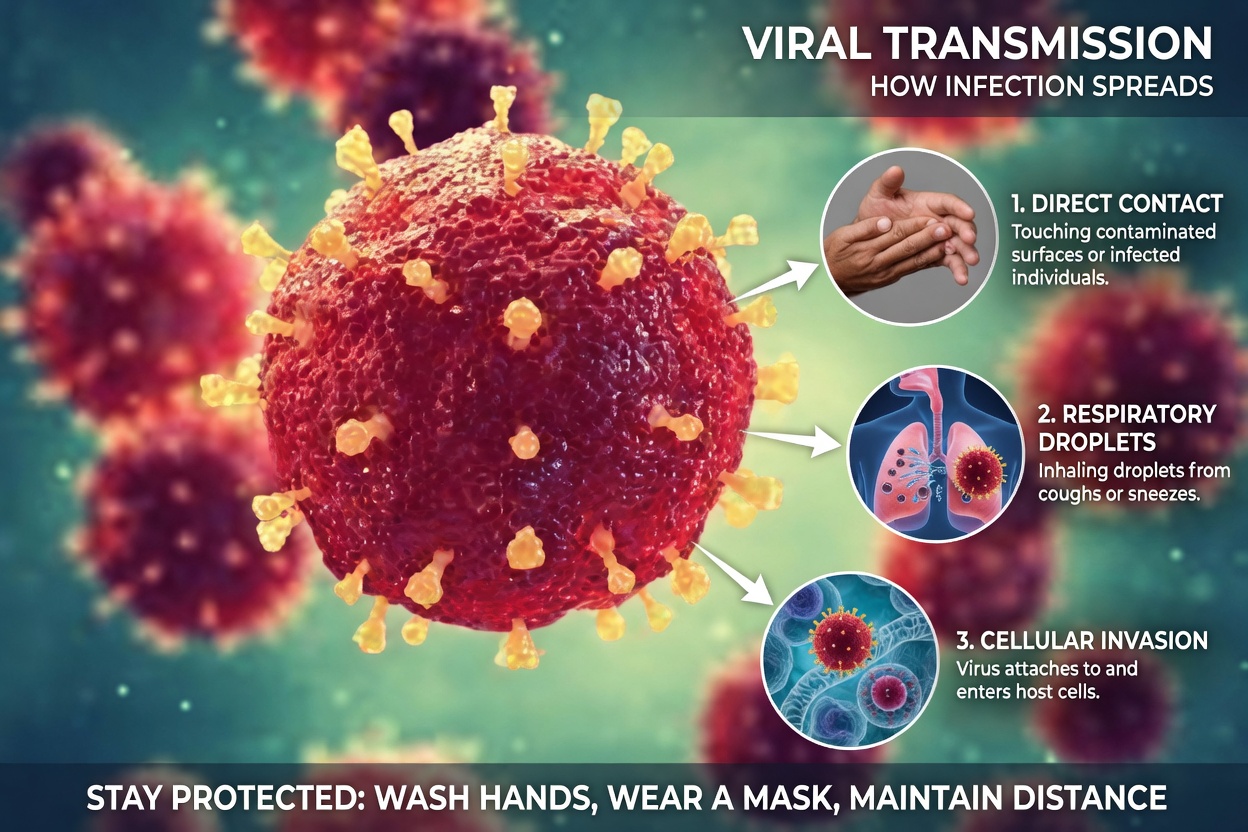
Symptoms to Watch For (General Awareness)
Symptoms may appear about 4–14 days after exposure and can initially resemble common illnesses. Possible early signs include:
- Fever and headache
- Muscle aches, fatigue, or body weakness
- Sore throat or vomiting
In some situations, illness may progress to confusion or other neurological symptoms. If you develop symptoms after travel to an affected area or a potential exposure, seek medical care and share relevant details (such as travel history and food exposures) with a healthcare professional.
Expert-Backed Prevention Habits You Can Use Daily
Public health guidance commonly emphasizes straightforward actions that fit easily into normal shopping and meal prep:
- Inspect fruit carefully: Discard fruit with bite marks, tears, or visible animal damage.
- Wash thoroughly: Rinse produce well under running water, especially before peeling.
- Peel when appropriate: Remove the skin of fruits like mangoes or guavas before eating.
- Avoid raw tree sap beverages: Skip unprocessed date palm sap or similar raw products where relevant.
- Practice hand hygiene: Wash hands with soap and water after handling produce or outdoor activities.
These steps are low-cost, practical, and support general food safety beyond Nipah.
Step-by-Step Fruit Handling Guide (Market to Table)
When shopping or harvesting
- Choose firm, intact fruit with no punctures, cracks, or torn areas.
- Avoid fruit that has fallen to the ground or shows signs of animal contact.
At home
- Rinse thoroughly under running water.
- Peel completely when the fruit is typically eaten without cooking.
- Discard peels and wash hands after handling them.
- Wash hands before and after preparing fruit.
With repetition, these checks become quick and automatic for most households.
Safer vs. Higher-Concern Produce Choices (Quick Reference)
-
Visible surface marks
- Safer: Choose a new piece of fruit or peel where appropriate (only if fruit is otherwise intact)
- Higher concern: Bite marks, gnawing, torn flesh → discard
- Note: Visible damage suggests possible animal contact
-
Fruit found on the ground
- Safer: Leave it
- Higher concern: Picking up and eating fallen fruit
- Note: Ground contact can increase contamination risk
-
Tree sap drinks (where common)
- Safer: Processed/boiled products
- Higher concern: Fresh, unpasteurized sap
- Note: Raw sap has been cited in transmission investigations in some settings
-
Preparation habits
- Safer: Wash + peel
- Higher concern: Eating fruit unwashed/unpeeled
- Note: Washing and peeling help reduce surface contaminants
Building Long-Term Safe Habits
Consistency matters most. Regular inspection, washing, peeling, and hand hygiene are dependable habits—especially in regions where fruit bats are common. Communities in areas with periodic alerts often rely on these same routines to support everyday safety. For current outbreaks or travel guidance, follow trusted sources such as the WHO, CDC, and local public health authorities.
Frequently Asked Questions
-
Is Nipah virus common worldwide?
No. Outbreaks are sporadic, mostly limited to parts of Asia, and are rare globally. -
Does washing fruit remove all risk?
Thorough washing and peeling can significantly improve safety for intact produce, following widely used food hygiene guidance. No method can guarantee zero risk in every situation. -
What should I do if I find bitten fruit at home?
Discard it, avoid cutting around the damaged area, and wash your hands after handling.
Disclaimer: This content is for educational purposes only and does not provide medical advice. Nipah virus risk is low in most areas; the practices described also support general food safety. If you feel unwell, need travel guidance, or have specific concerns, consult a qualified healthcare professional and follow official guidance from the WHO, CDC, or local authorities.