Heavy, Tired Legs: Can Everyday Herbs Support Better Leg Circulation?
After a long day, legs that feel heavy and drained can make even small tasks feel harder than they should—especially when ankle swelling or general discomfort adds to the feeling of sluggish leg circulation. In many cases, this “weighed down” sensation is tied to simple day-to-day habits like sitting too long or standing in one spot.
Alongside healthy routines, some familiar kitchen herbs are often explored for gentle, supportive comfort—particularly because of their traditional use and potential links to inflammation and vascular wellness.
Why Legs Feel Heavy (and What It Suggests About Circulation)
When your daily schedule includes long periods of minimal movement, blood flow in the lower body may slow down. This can contribute to:
- A heavy, full feeling in the legs
- Mild swelling around the ankles
- Tingling, tightness, or cramping that disrupts rest
In some situations, fluid retention or low-grade inflammation may also play a role. Certain herbs contain naturally occurring compounds studied for anti-inflammatory activity, which is why they’re sometimes used as part of a broader approach to leg circulation support—never as a standalone fix.
Warning Signs: When to Seek Medical Care First
Leg discomfort is not always a simple “circulation issue.” Get professional medical attention promptly if you notice:
- Sudden swelling in one leg
- Sharp or worsening pain
- Redness, heat, or warmth in one area
These symptoms may point to urgent conditions (including blood clots) that require immediate evaluation. Herbs can be supportive in everyday wellness routines, but they are not a substitute for diagnosis or treatment.
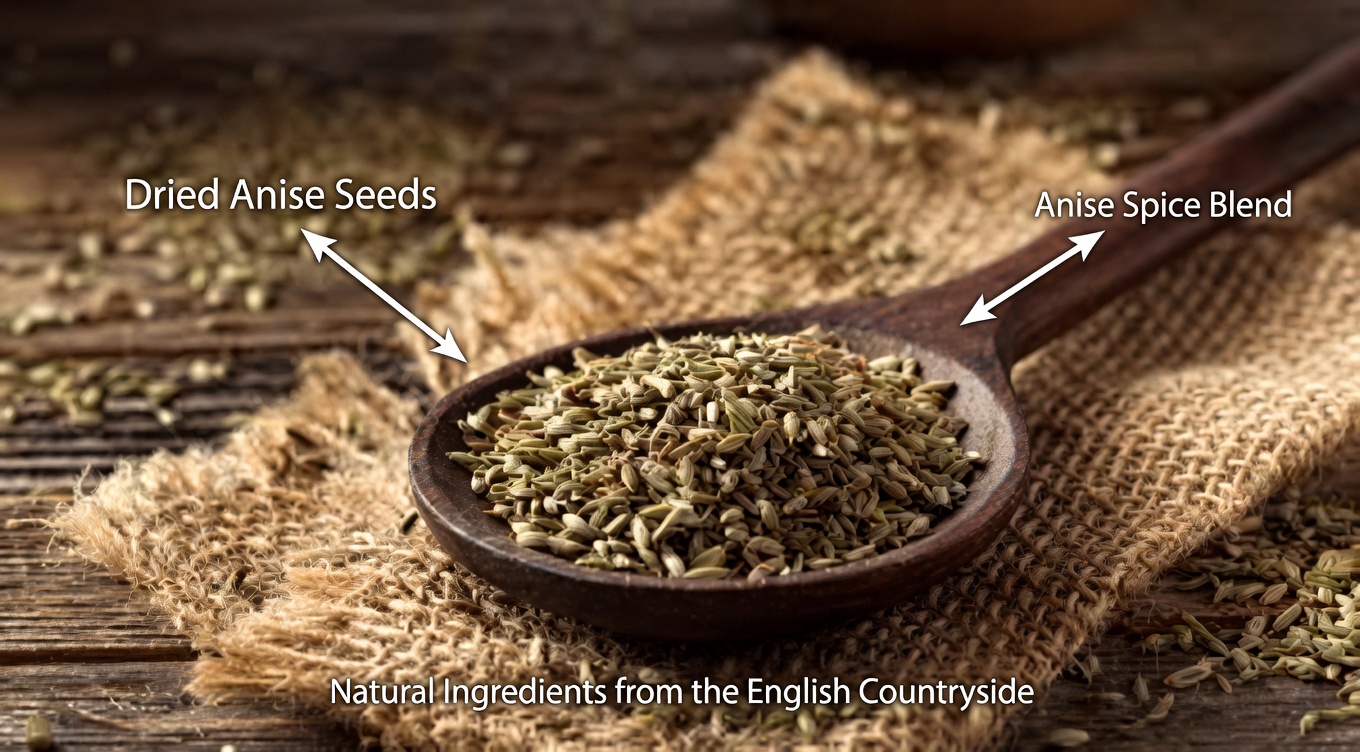
5 Herbs Commonly Discussed for Leg Circulation Support
Below are five herbs frequently mentioned in traditional practices and research discussions for their potential to support comfort related to blood flow, warmth, or inflammation.
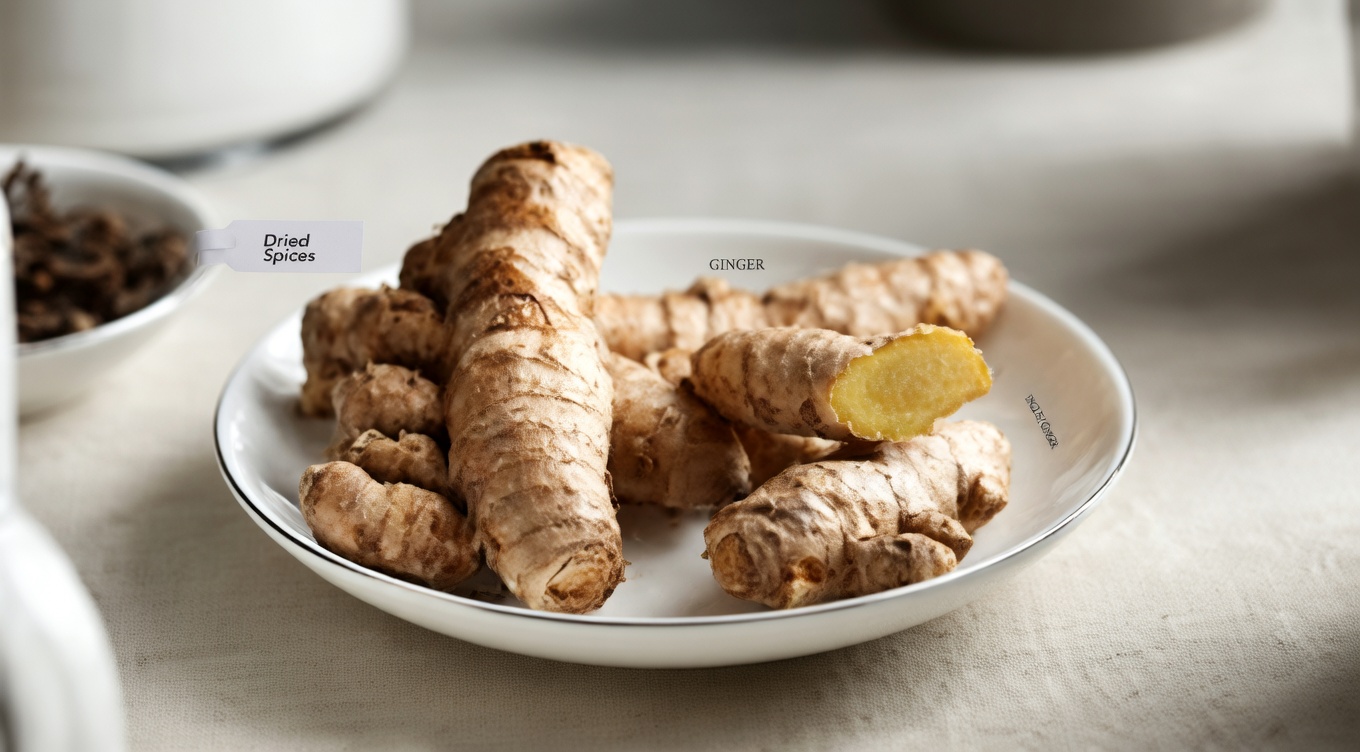
1) Ginger (Warmth and Comfort Support)
Ginger contains bioactive compounds such as gingerol, which research associates with anti-inflammatory effects. Many people use ginger because it creates a warming sensation and may help legs feel less “heavy” when circulation feels slow.
- Common use: Steep fresh ginger slices in hot water to make tea
- Use with care: Start with small amounts, especially if you’re sensitive or take medications
2) Garlic (Cardiovascular-Friendly Staple)
Garlic is widely studied in the context of heart health, largely due to compounds like allicin. For those interested in leg circulation support, garlic is often chosen because it’s easy to use daily and aligns with broader cardiovascular wellness goals.
- Common use: Add fresh garlic to meals regularly
- Key caution: May interact with blood thinners and similar medications
3) Cayenne Pepper (Gentle Stimulating Warmth)
Cayenne contains capsaicin, known for creating a warming, stimulating sensation. Some people find that even small amounts make their legs feel more energized or “awake,” which is why it’s often included in circulation comfort discussions.
- Common use: Add a tiny pinch to meals or mild infusions
- Key caution: Avoid or reduce if you’re sensitive to spicy foods or get digestive irritation
4) Turmeric (Anti-Inflammatory Potential)
Turmeric is popular due to curcumin, a compound studied for its role in inflammation pathways. People who feel stiffness along with heavy legs often explore turmeric for overall comfort. Black pepper is commonly paired with turmeric to support absorption.
- Common use: Mix into cooking or warm beverages
- Key caution: Potential interactions with certain medications

5) Ginkgo Biloba (Traditionally Used for Microcirculation)
Ginkgo biloba is often discussed in relation to microcirculation (blood flow through smaller vessels). It may be of interest for those who experience colder feet or want support for peripheral circulation comfort.
- Common use: Tea or standardized extract
- Key caution: Consult a professional first, especially due to possible bleeding risk
How to Use Herbs Safely in a Daily Routine
If you’re exploring herbs for leg circulation support, keep it simple and gentle:
- Add herbs gradually rather than all at once
- Choose mild teas or incorporate them into food
- Pay attention to digestion and tolerance
- Pair herbs with hydration and regular movement for better overall results
Quick Comparison: Herbs for Everyday Leg Comfort
| Herb | Main comfort focus | Ease of use | Research interest | Key caution |
|---|---|---|---|---|
| Ginger | Warming, anti-inflammatory | High | Moderate | Stomach sensitivity |
| Garlic | Cardiovascular support | High | High | Blood thinner interactions |
| Cayenne | Stimulating warmth | Moderate | Emerging | Digestive irritation |
| Turmeric | Inflammation support | High | High | Medication interactions |
| Ginkgo biloba | Microcirculation | Moderate | Moderate | Bleeding risk |
Choose based on your preferences and tolerance, especially if your goal is gentle, everyday leg circulation support.
Habits That Make the Biggest Difference (With or Without Herbs)
Herbs work best as a complement to practical circulation-friendly routines such as:
- Walking briefly several times per day
- Elevating your legs periodically
- Drinking enough water
- Reducing salt intake if swelling is noticeable
- Wearing supportive, comfortable shoes
These habits often deliver the most noticeable improvements in day-to-day leg comfort.
Summary
Ginger, garlic, cayenne pepper, turmeric, and ginkgo biloba are commonly used herbs that may offer supportive comfort when legs feel heavy and circulation seems sluggish. For realistic results, start slowly, prioritize safety (especially with medications), and combine herbs with consistent movement and hydration.
Frequently Asked Questions
Which herb is best to start with for leg circulation support?
Many people begin with ginger or turmeric because they’re familiar, widely used, and typically gentle—though individual tolerance varies.
Can these herbs replace prescribed circulation medication?
No. These herbs are for supportive comfort only. Always follow medical guidance for any prescribed treatment plan.
How long does it take to notice changes in leg comfort?
Results differ from person to person, but when combined with healthy habits, many people look for gradual changes over several weeks rather than overnight improvements.