Natural Skin Support After 40: Two Easy Yogurt and Nutritional Yeast Masks (Plus Safety Tips)
Many adults over 40 start noticing changes that feel hard to ignore: fine lines appear more easily, skin feels drier, and firmness can fade even with consistent skincare routines. After trying product after product with minimal payoff, it’s natural to look for simpler, gentler options.
One popular at-home approach uses plain yogurt and nutritional yeast—two everyday ingredients that can be mixed into quick, soothing face masks. Below are two straightforward recipes and practical guidance to help you use them safely.
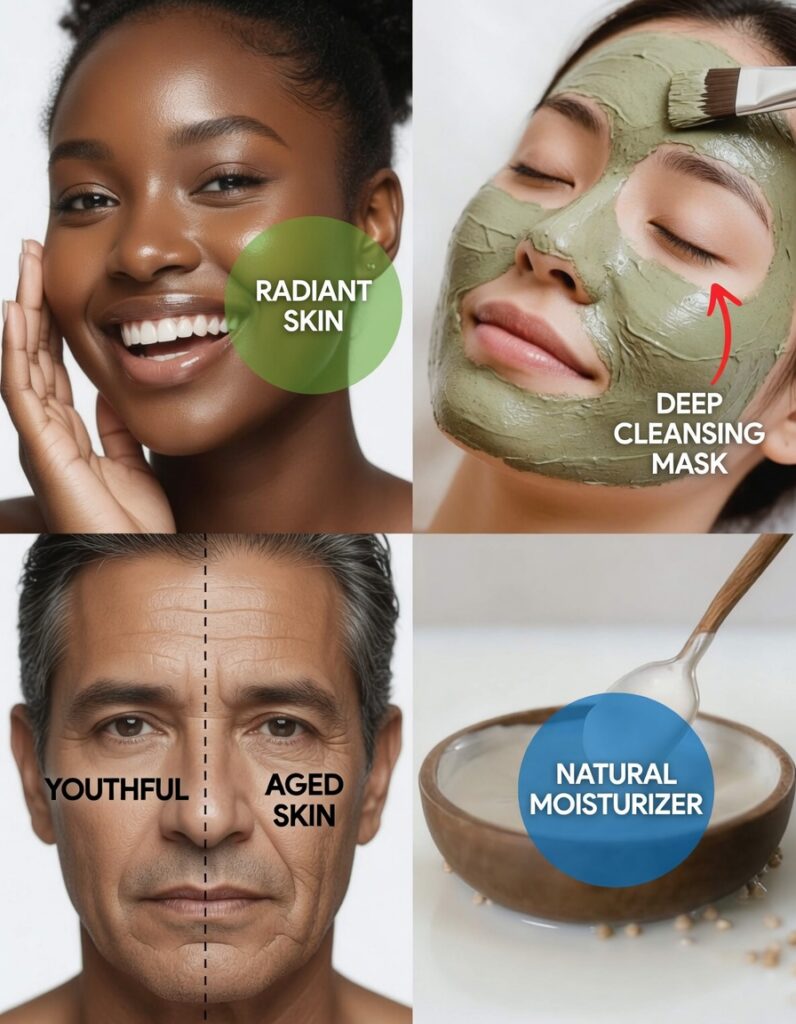
Why Skin Changes Can Feel More Obvious With Age
As the years go by, collagen production naturally declines and the skin’s ability to hold onto moisture weakens. The result is often a combination of:
- Increased dryness and tightness
- Fine lines and a “crepey” texture
- Less bounce and a duller look overall
Plain yogurt contains lactic acid, a gentle alpha hydroxy acid (AHA) that may help lightly exfoliate and improve smoothness. Nutritional yeast is rich in B vitamins and antioxidants and is traditionally associated with skin nourishment and vitality.
These masks won’t transform skin overnight—consistent, careful use matters most.
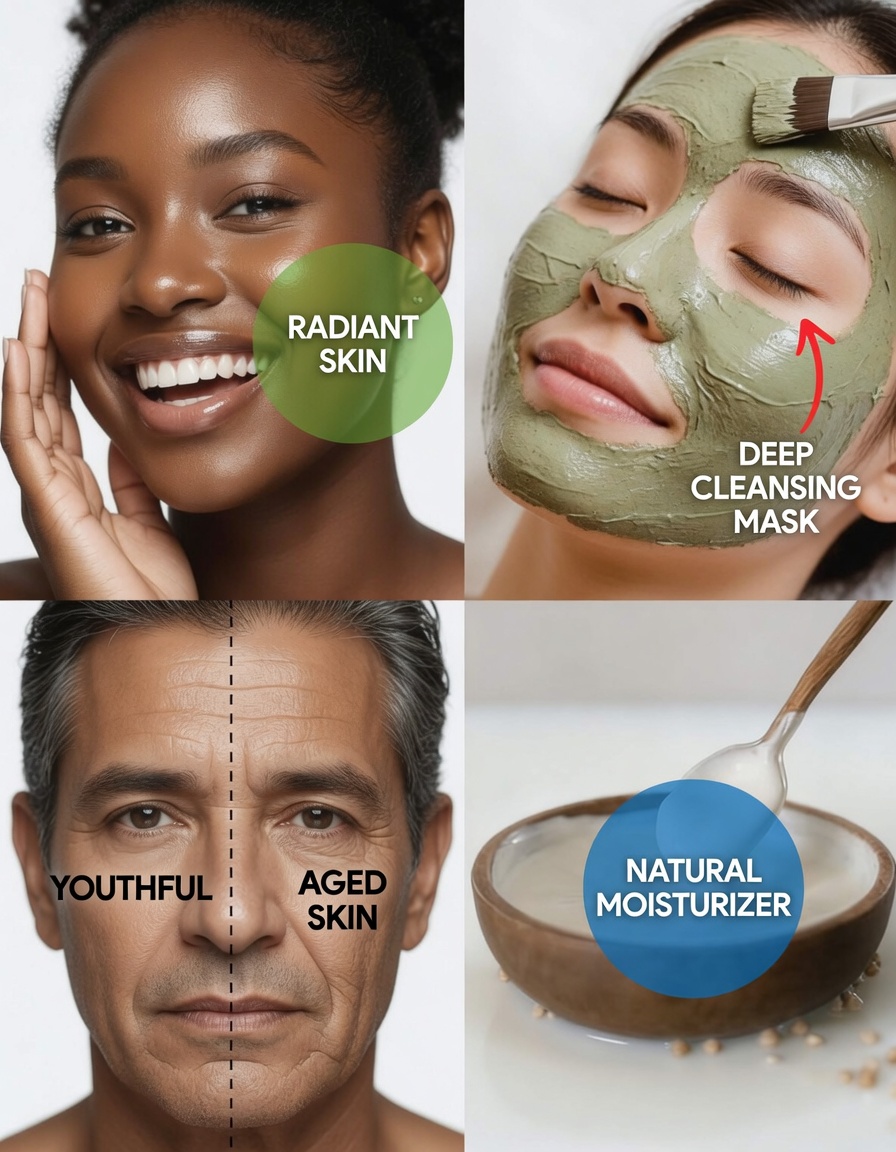
Why Yogurt and Nutritional Yeast Are Popular in DIY Skincare
People often choose these ingredients because they’re accessible, affordable, and easy to combine:
- Unsweetened yogurt may support softer-looking skin thanks to its lactic acid and naturally soothing texture.
- Nutritional yeast flakes (deactivated yeast) provide B vitamins that are commonly linked in traditional wellness practices to overall skin support.
- Adding a carrier oil (like olive, coconut, almond, or jojoba) can help reduce dryness by improving the feel of moisture and comfort on the skin.
If dryness, roughness, or dullness is your main concern, these masks can be a gentle starting point.
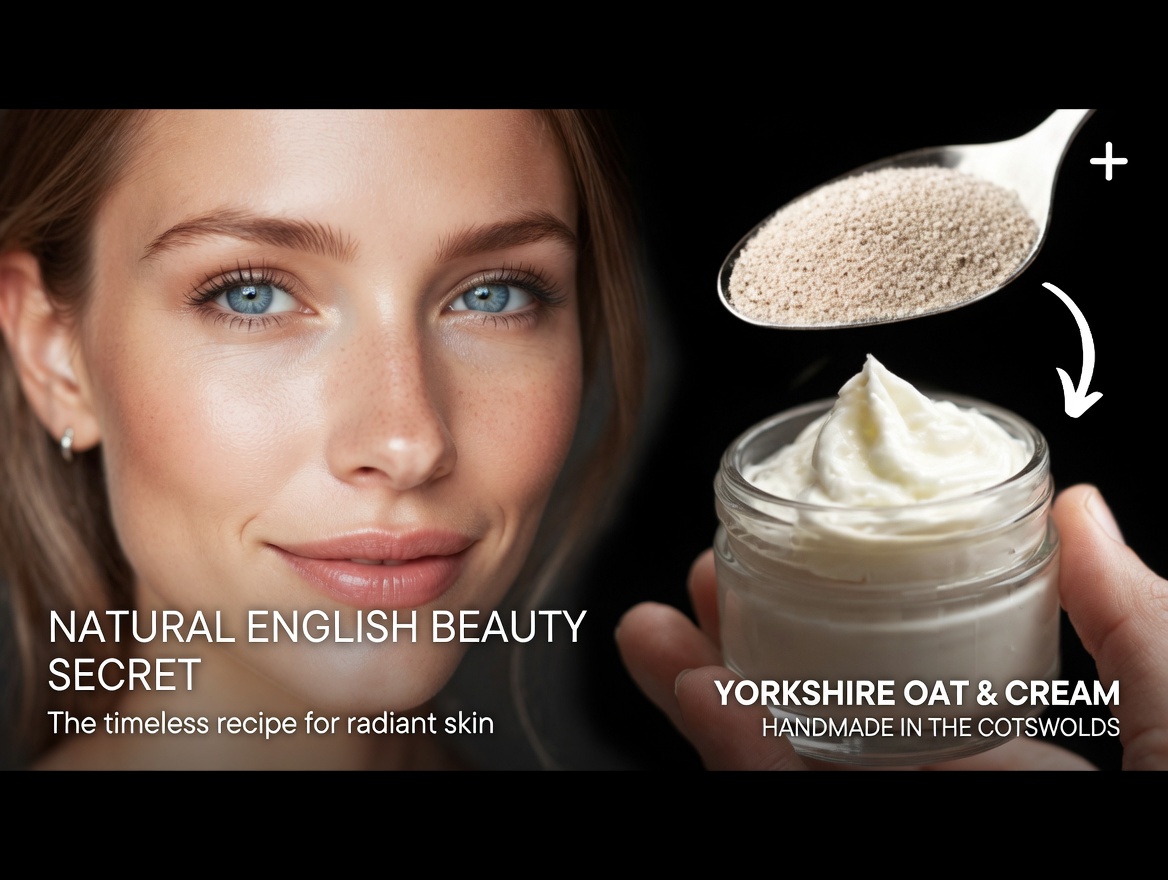
Recipe 1: Basic Yogurt + Nutritional Yeast Mask (Gentle Exfoliation)
This simple option is designed for those who want a minimal routine that targets dullness and rough texture with a mild exfoliating effect.
Ingredients
- 2 tablespoons plain, unsweetened yogurt
- 1 teaspoon nutritional yeast flakes
How to make it
- Add yogurt to a small bowl.
- Stir in the nutritional yeast.
- Mix until you get a smooth paste.
How to apply
- Spread a thin, even layer onto clean skin (avoid the eye area).
- Leave on for 10–15 minutes.
- Rinse with lukewarm water, then pat dry.
How often
- 2–3 times per week
Many users describe skin feeling softer and fresher right after rinsing, especially when used consistently.
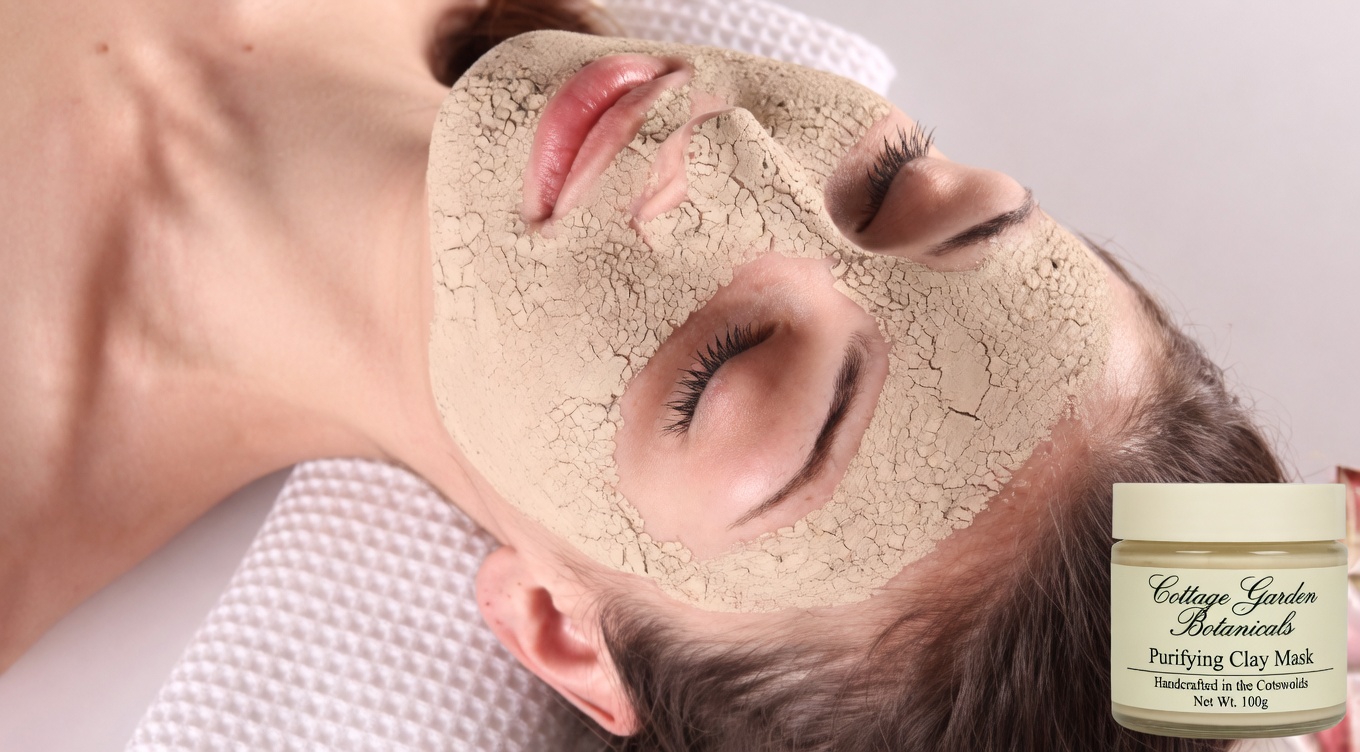
Recipe 2: Yogurt + Nutritional Yeast + Oil Mask (Extra Hydration and Comfort)
If your skin feels persistently dry or less plump, adding an oil can help support a more moisturized, cushioned feel.
Ingredients
- 2 tablespoons plain, unsweetened yogurt
- 1 teaspoon nutritional yeast flakes
- 1 teaspoon carrier oil (olive, coconut, almond, or jojoba)
How to make it
- Combine yogurt and nutritional yeast in a bowl.
- Add the carrier oil.
- Mix well until evenly blended.
How to apply
- Apply a thin layer to clean skin.
- Leave on for 10–20 minutes.
- Rinse gently with lukewarm water.
- Finish with your usual moisturizer.
How often
- 1–2 times per week
This version is often favored for its dewy, comfort-boosting feel, especially in drier seasons.
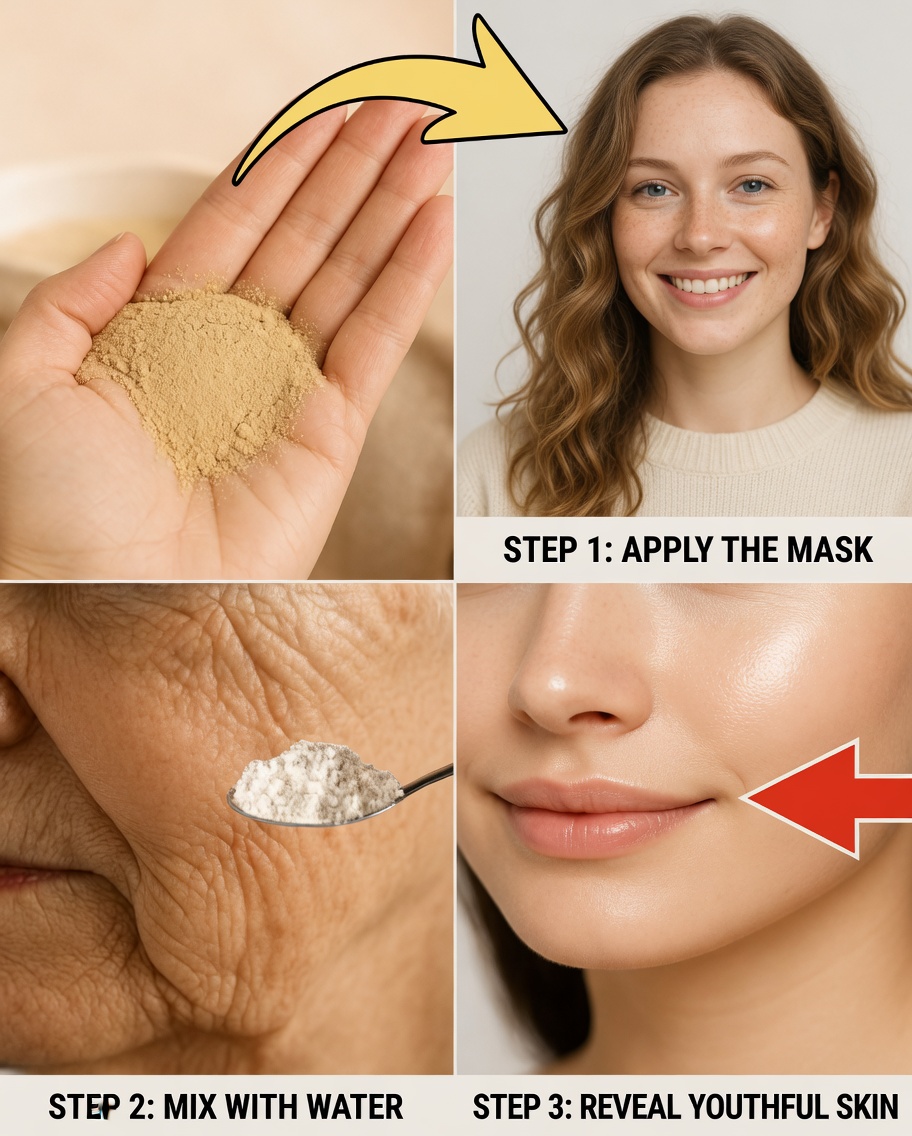
Practical Tips for Better Results (and Safer Use)
- Patch test first: Apply a small amount to the inner arm and wait 24 hours. Yogurt’s natural acidity can cause tingling for sensitive skin.
- Choose the right yogurt: Use fresh, plain, unsweetened yogurt—no flavorings, sugar, or additives.
- Use in the evening: Many prefer nighttime use for comfort and to avoid immediate sun exposure afterward.
- Stay consistent: Subtle improvements in hydration and texture often take 4–8 weeks with regular use.
- Support with basics: Gentle cleansing and daily sunscreen are essential if you want your skin to look and feel its best.
- Track progress: Take weekly photos in similar lighting to spot gradual changes.
Yogurt and Yeast Masks: Common Concerns and How They May Help
- Dryness and dehydration: Recipe 2 may help skin feel more comfortable due to yogurt + oil support (often noticed within 2–6 weeks).
- Dullness or rough texture: Recipe 1 may help improve smoothness through mild exfoliation (often within 1–4 weeks).
- Loss of radiance: Either recipe may support a fresher look with consistent use (often 4–8 weeks).
- Fine lines (appearance): Hydration can temporarily improve the look of fine lines by making skin appear more plump (ongoing support).
- Overall comfort: Many find these masks calming, with effects ranging from immediate softness to longer-term improvements.
A Simple 8-Week Routine to Try
- Weeks 1–2: Patch test, then use Recipe 1 twice weekly. Focus on comfort and tolerance.
- Weeks 3–4: Keep Recipe 1, and add Recipe 2 once weekly. Watch for changes in dryness.
- Weeks 5–8: Continue what feels best, adjusting frequency based on sensitivity and results.
With natural skincare, small steps and patience tend to deliver the most reliable outcomes.
Frequently Asked Questions
Is a yogurt and nutritional yeast mask good for every age and skin type?
Many people tolerate it well, but sensitive or acne-prone skin should patch test carefully. Avoid completely if you have a dairy allergy.
How long should I leave the mask on?
Keep it to 10–20 minutes maximum. If stinging or irritation develops, rinse immediately.
Can I use active baker’s yeast instead of nutritional yeast?
It’s best to use nutritional yeast flakes. Active yeast is not recommended for facial use.
Safety Disclaimer
This content is for educational purposes only and does not replace medical advice. DIY face masks—including yogurt and nutritional yeast—can cause irritation or allergic reactions. Stop use if redness, burning, or discomfort occurs. Results vary by individual. For persistent skin concerns or sensitive conditions, consult a dermatologist before trying new ingredients.