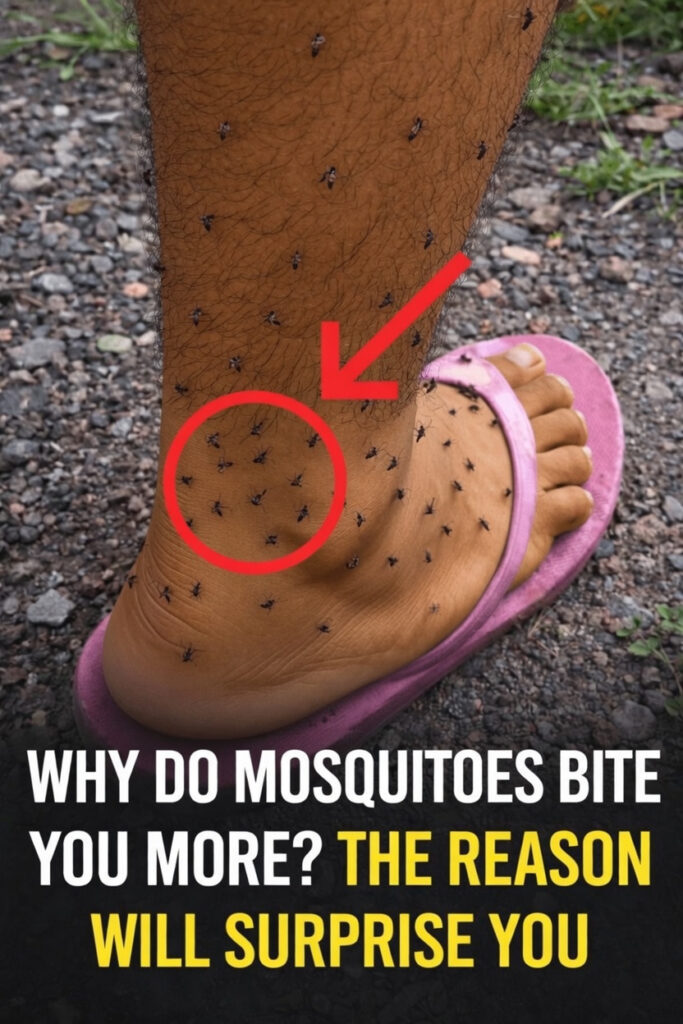
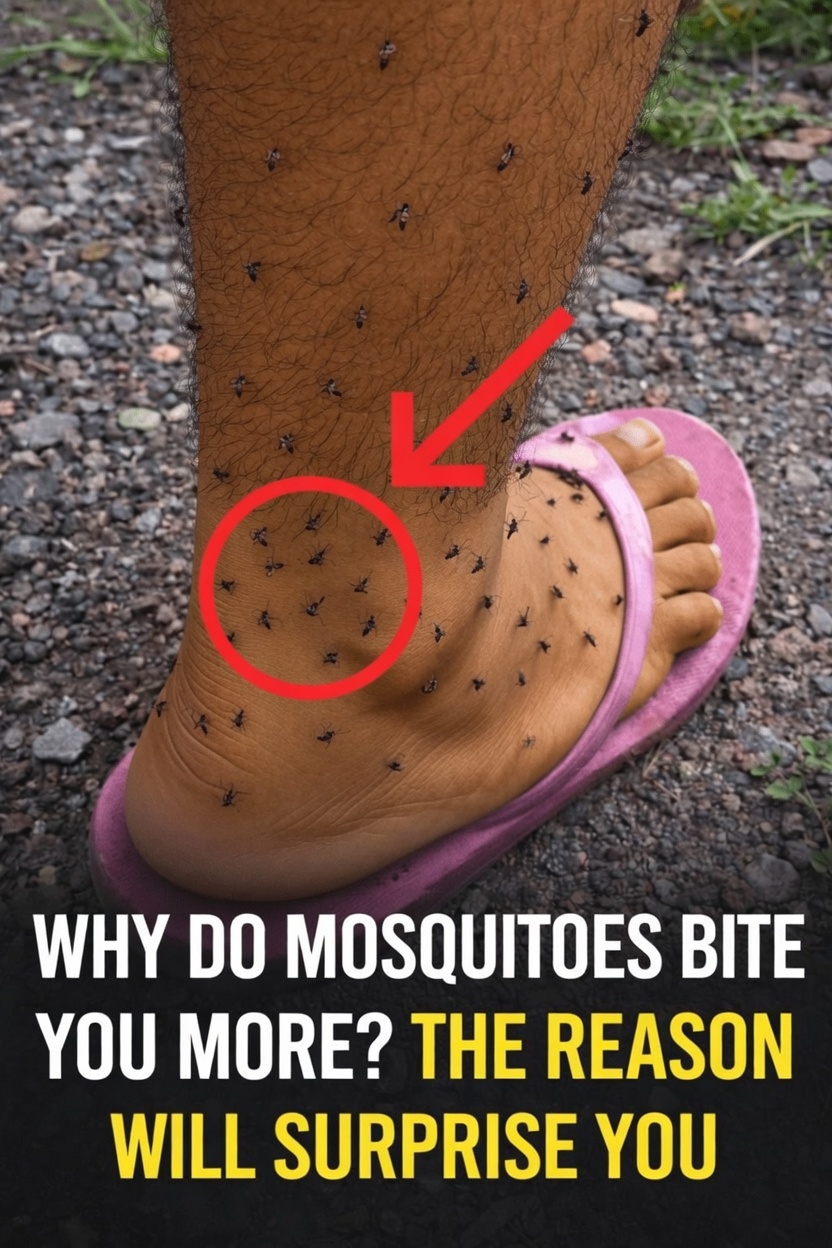
Why Mosquitoes Bite Some People More Than Others
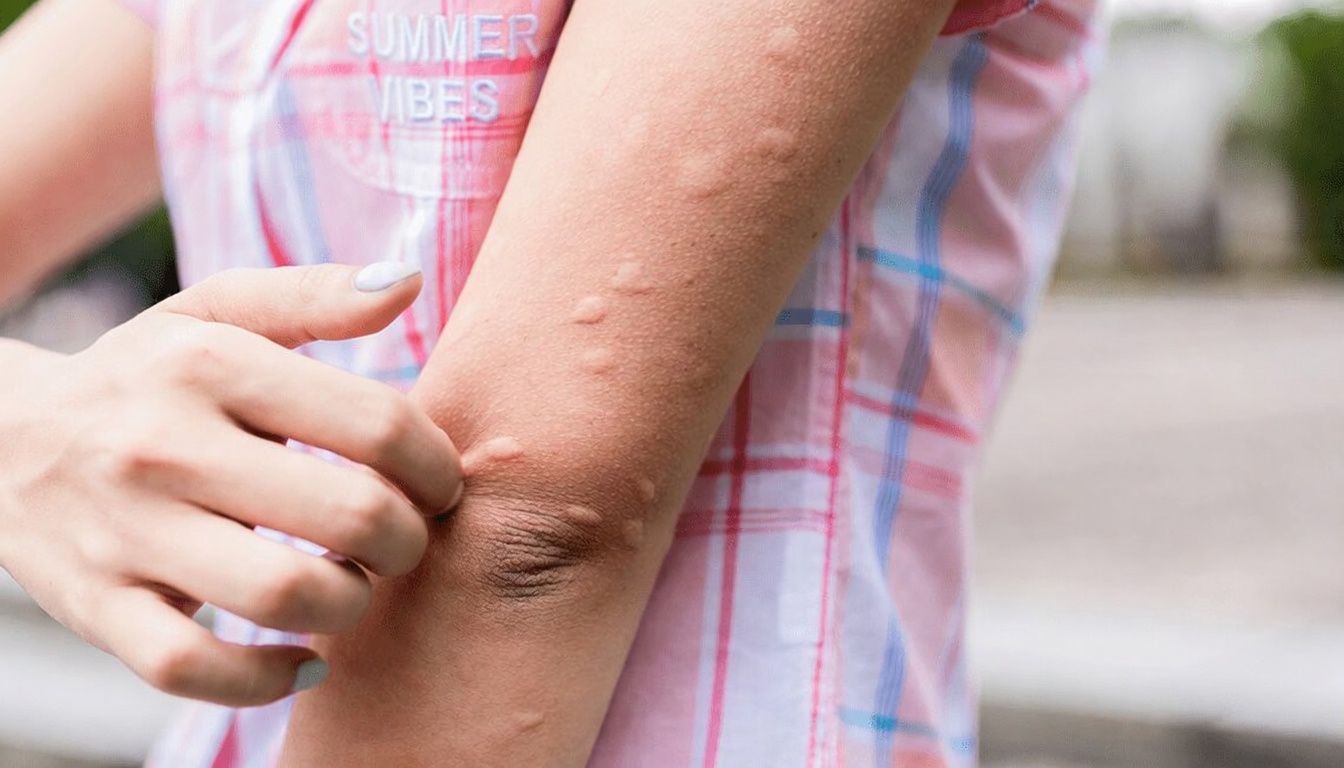
Have you ever walked outside on a pleasant summer evening and immediately become the mosquitoes’ favorite target, while the people around you seem untouched? It can feel unfair, but it is not random. Mosquitoes are guided by biological signals your body naturally produces.
The encouraging part is that once you know what attracts them, you can make practical changes to become less noticeable and spend more time outdoors with fewer itchy bites.
Why Do Mosquitoes Seem to Prefer Certain People?
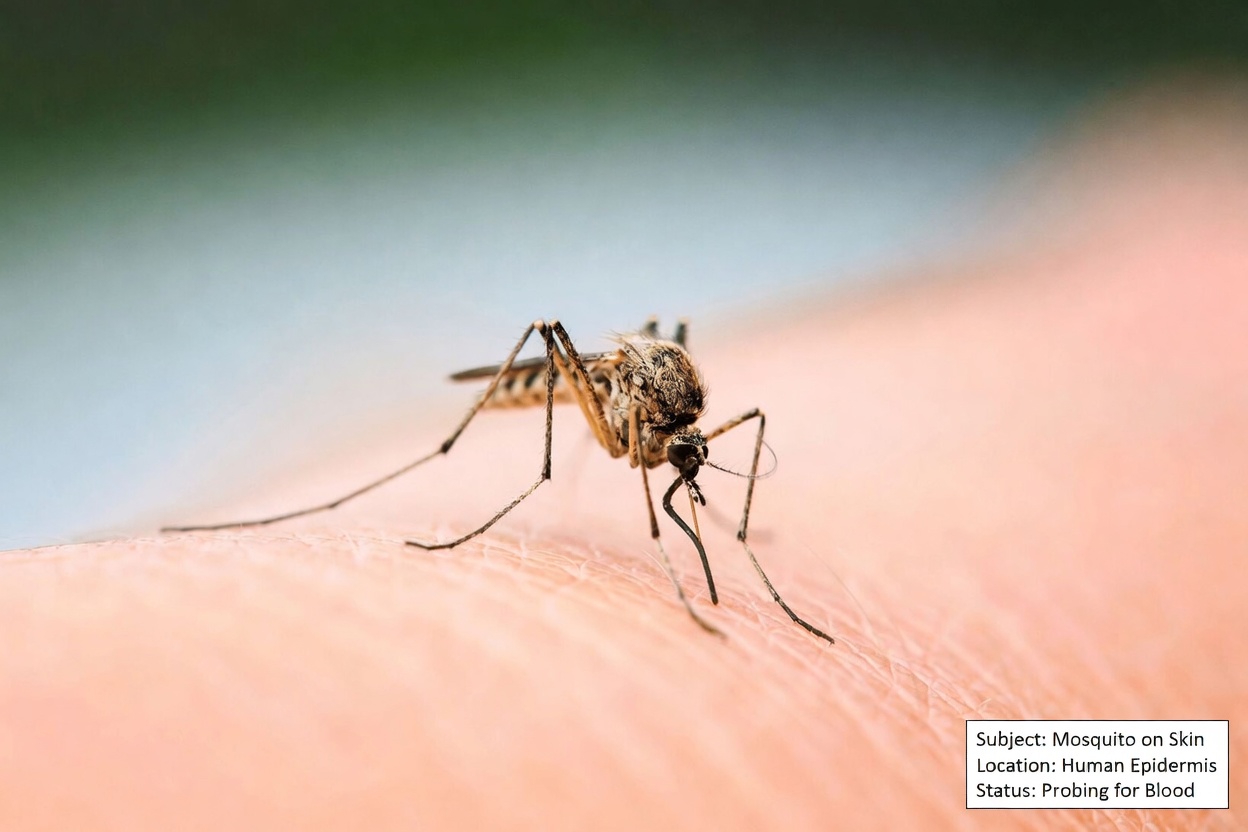
Only female mosquitoes bite, because they need blood to help produce eggs. They are highly efficient at finding hosts and rely on several senses at once. From a distance, they detect chemical signals, and as they move closer, they use additional cues to pinpoint where to land.
Scientific research shows that some individuals consistently attract more mosquitoes because of a combination of body chemistry, heat, genetics, and even visual signals. So what makes one person especially appealing while another is mostly ignored?
1. Carbon Dioxide: The Signal Mosquitoes Detect From Far Away
Each breath you exhale releases carbon dioxide, or CO₂. Mosquitoes can sense this gas from as far as 50 meters away through specialized receptors on their antennae. People who naturally produce more CO₂ often attract more attention.
This includes:
- Larger individuals
- People with faster metabolisms
- Pregnant women
Exercise can make the effect even stronger. When you are physically active, you breathe harder and release more carbon dioxide, which gives mosquitoes a clearer signal to follow. That is why bites often seem worse after a run, workout, or long walk.
2. Sweat and Skin Chemistry: What Attracts Them Up Close
Once mosquitoes are nearby, they start responding to chemicals released by your skin and sweat. Important compounds include:
- Lactic acid
- Ammonia
- Uric acid
These substances differ from one person to another, which helps explain why some people get bitten more often. Your skin microbiome also matters. The bacteria living on your skin influence your natural scent, and that scent may be more or less attractive to mosquitoes.
People may become more appealing to mosquitoes because of:
- Higher lactic acid levels after exercise
- Differences in skin pH
- Variations in skin bacteria
- The way their bodies process sweat
In short, your personal body chemistry can make you much easier for mosquitoes to identify.
3. Body Heat: Warm Skin Helps Mosquitoes Find You
Mosquitoes are also attracted to heat. When your skin temperature is higher, they can locate you more easily once they are in range. This is one reason mosquitoes seem especially aggressive in hot weather or after physical activity.
Pregnant women are often bitten more frequently because they tend to have slightly elevated body temperatures and higher carbon dioxide output. Some studies suggest that certain mosquito species may bite pregnant women about twice as often as non-pregnant women.
4. Genetics: An Important Factor You Cannot Control
Your genes play a major role in how attractive you are to mosquitoes. Studies involving twins suggest that inherited traits account for a significant share of the difference between people.
Genetics can influence:
- Your natural body odor
- The chemicals your skin produces
- Your skin microbiome composition
- How your body responds to sweat and heat
One widely cited older estimate suggests genetics may explain up to 85% of mosquito attraction in some cases. While you cannot change your DNA, this helps explain why being a “mosquito magnet” is not simply bad luck.
5. Diet and Lifestyle: Smaller but Noticeable Influences
What you eat and drink may also slightly affect how attractive you are to mosquitoes. For example, some observations have linked beer consumption with increased mosquito interest, possibly because alcohol changes sweat composition or metabolism.
Other lifestyle factors, such as hydration and overall diet, may have a small effect too. Still, these influences are generally much less important than carbon dioxide, body heat, skin chemistry, or genetics.
Clothing Color Matters More Than You Might Expect
Mosquitoes do not rely only on smell. They also use vision. Research from the University of Washington found that after detecting carbon dioxide, some mosquito species are more likely to move toward certain colors.
Colors that may attract more mosquitoes include:
- Red
- Orange
- Black
- Cyan
Lighter shades are usually less noticeable, such as:
- White
- Beige
- Pastel tones
Choosing lighter clothing may not eliminate bites, but it can help reduce visual attraction.
Practical Ways to Get Fewer Mosquito Bites
Now that you understand what draws mosquitoes to certain people, the next step is reducing those signals. The best strategies are simple, practical, and supported by evidence.
Daily Habits That May Help
- Shower soon after sweating to remove lactic acid and other skin compounds
- Wear loose, light-colored clothing that covers your arms and legs
- Avoid dark shades such as black, navy, and red during peak mosquito times
- Use an outdoor fan, since mosquitoes fly poorly in moving air
- Remove standing water around your home to reduce mosquito breeding areas
How to Use Insect Repellent Effectively
One of the most dependable ways to prevent mosquito bites is to use an EPA-registered insect repellent. Effective active ingredients include:
- DEET
- Picaridin
- Oil of lemon eucalyptus
Always use repellents exactly as directed on the label. Apply them to exposed skin and, when the product allows, to clothing as well. Reapply when needed, especially after swimming or heavy sweating.
For better protection, combine repellent with physical barriers such as long sleeves and full-length pants.
Extra Tips for Outdoor Protection
If you spend time outside regularly, these additional steps can improve comfort and reduce bites:
- Stay indoors at dawn and dusk when mosquitoes are often most active
- Choose breathable clothing to stay cooler and sweat less
- Consider permethrin-treated clothing for extended outdoor activities, following all product instructions carefully
What Usually Does Not Work Well
Some natural approaches, such as citronella candles or essential oils, may provide limited short-term relief in small spaces. However, they generally do not offer the same dependable protection as EPA-registered repellents used directly on the body or clothing.
If you want reliable personal protection, proven repellents and proper clothing remain the better choice.
Final Thoughts
Mosquitoes do not choose their victims by chance. They respond to a complex mix of carbon dioxide, body heat, skin chemistry, inherited traits, and even clothing color. If you have always felt unusually attractive to mosquitoes, science offers a clear explanation.
More importantly, it also offers solutions. By adjusting a few habits, dressing more strategically, and using effective protection, you can reduce your chances of being bitten and enjoy warm evenings more comfortably.
FAQ
1. Does blood type really affect mosquito attraction?
Some studies suggest mosquitoes may land more often on people with Type O blood than on those with Type A under controlled conditions. However, factors such as carbon dioxide output and skin odor usually have a much greater influence overall.
2. Can food or alcohol make mosquitoes more interested in you?
Alcohol, especially beer, has been linked in some research to increased attraction. This may be related to changes in metabolism or sweat chemistry. Still, the effect varies from person to person, and diet is usually a secondary factor.
3. Is there a permanent way to become less attractive to mosquitoes?
There is no lasting cure, largely because genetics affect many of the signals mosquitoes use. The most effective long-term approach is consistent prevention through appropriate clothing, proven repellents, and removing mosquito breeding sites.
Disclaimer
This article is for informational purposes only and is not medical advice. For personalized guidance about insect bite prevention or skin reactions, consult a qualified healthcare professional. Always follow product label instructions when using insect repellents.