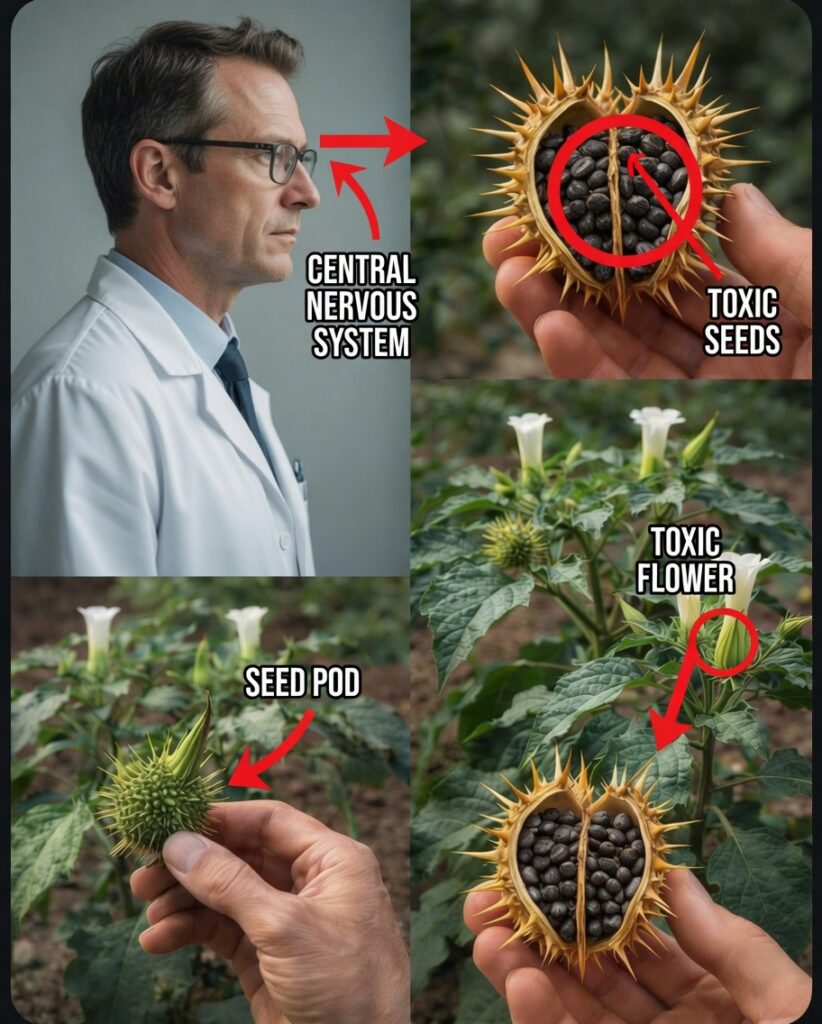
Recognizing the Datura Plant: Why Those Trumpet Flowers Deserve Caution
While walking through parks, along roadsides, or in home gardens, it’s easy to admire large, trumpet-shaped blooms without realizing that some plants—especially the Datura plant—can be hazardous if touched extensively or swallowed. Curious children and adventurous pets are most at risk, since accidental exposure can trigger symptoms that need prompt medical attention.
Learning how to identify the Datura plant helps families enjoy the outdoors with fewer surprises and safer choices.
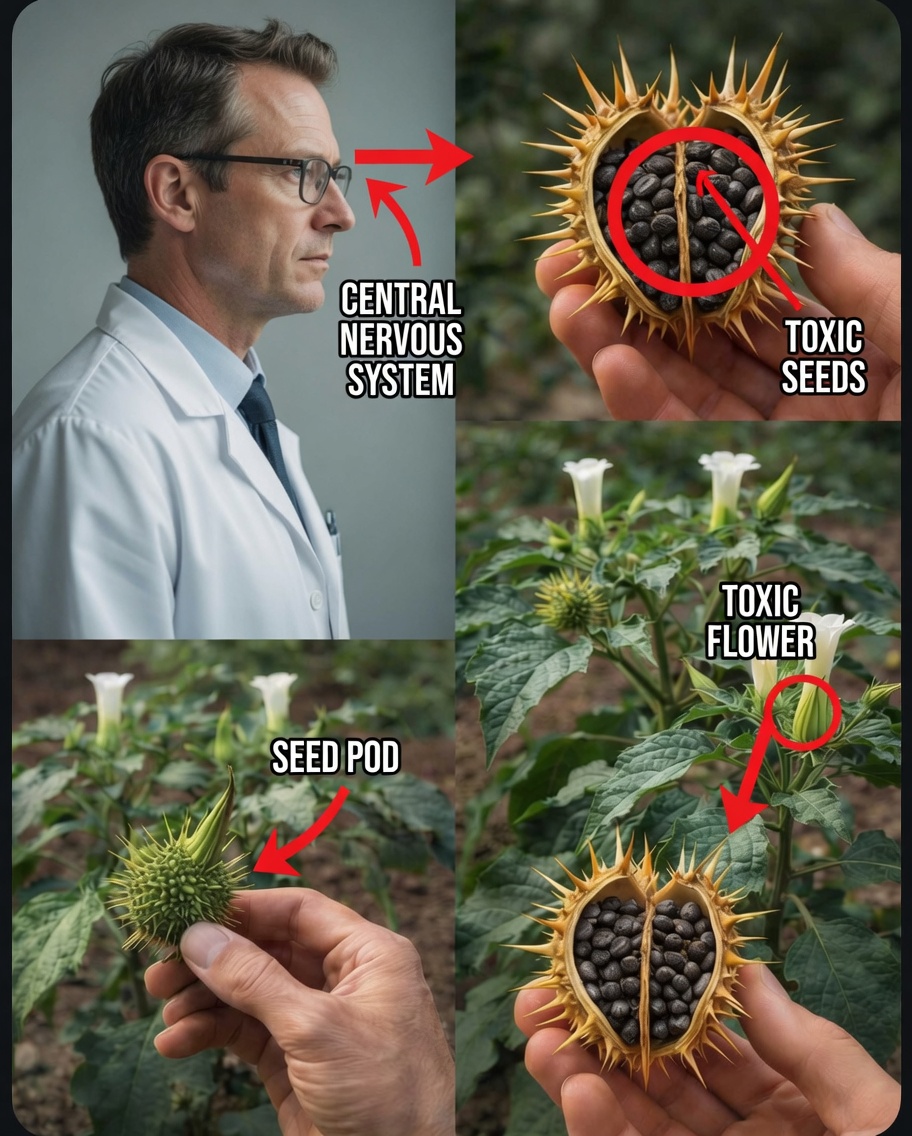
What Is the Datura Plant (Jimsonweed/Thornapple)?
The Datura plant—often called jimsonweed or thornapple—is a wild-growing plant found across many parts of the United States and in other regions worldwide. Common species such as Datura stramonium frequently appear in disturbed soil, including:
- Road shoulders
- Empty lots
- Construction edges
- Weedy garden areas
It stands out for its showy flowers and distinctive seed pods, but it also contains naturally occurring chemicals that can cause harmful effects. Poison control reports periodically note exposures that happen when people mistake Datura for an ornamental or “safe” wildflower.
Knowing what to look for makes it much easier to avoid.
How to Identify the Datura Plant
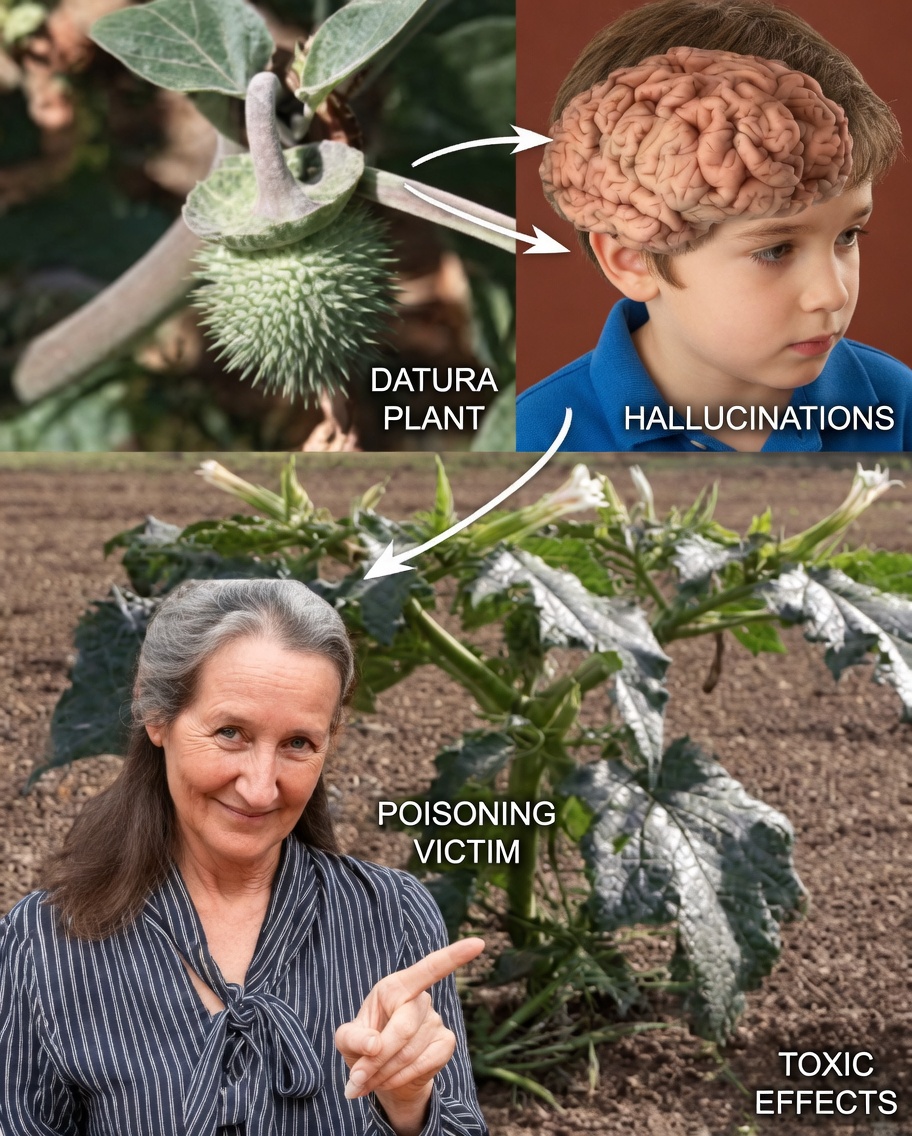
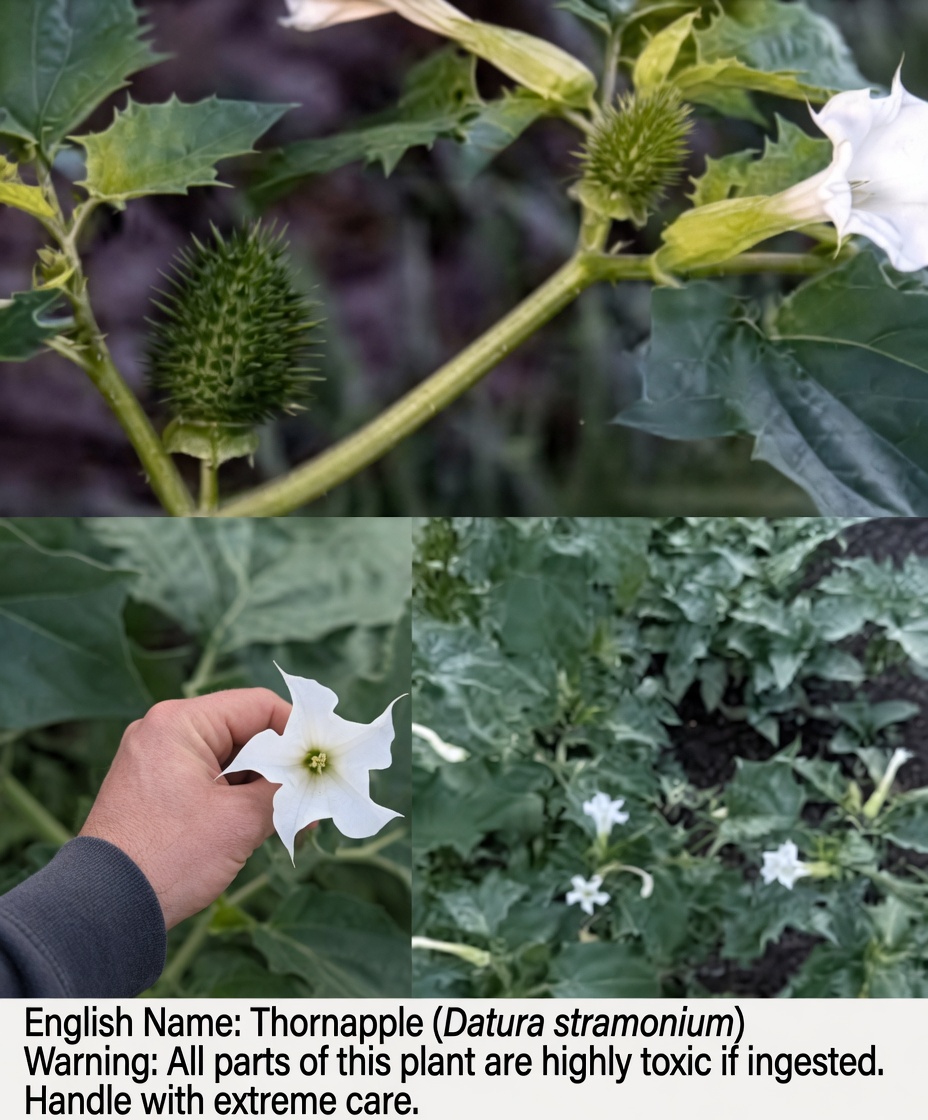
Correct identification is the best prevention. These traits are strong indicators you are looking at a Datura plant:
- Large, trumpet-shaped flowers (often white or purple) that commonly open in the evening or at night, sometimes with a noticeable fragrance
- Dark green leaves with jagged or tooth-like edges, typically alternating along the stem
- Round, spiky seed pods (“thornapples”)—one of the clearest giveaways
- Unpleasant smell when leaves are crushed (common in many Datura types)
The warm months (summer into fall) are when sightings are most frequent in many areas. Teaching children these basics—and pointing out the spiny pods—can prevent a lot of accidental contact.
Why the Datura Plant Can Be Dangerous
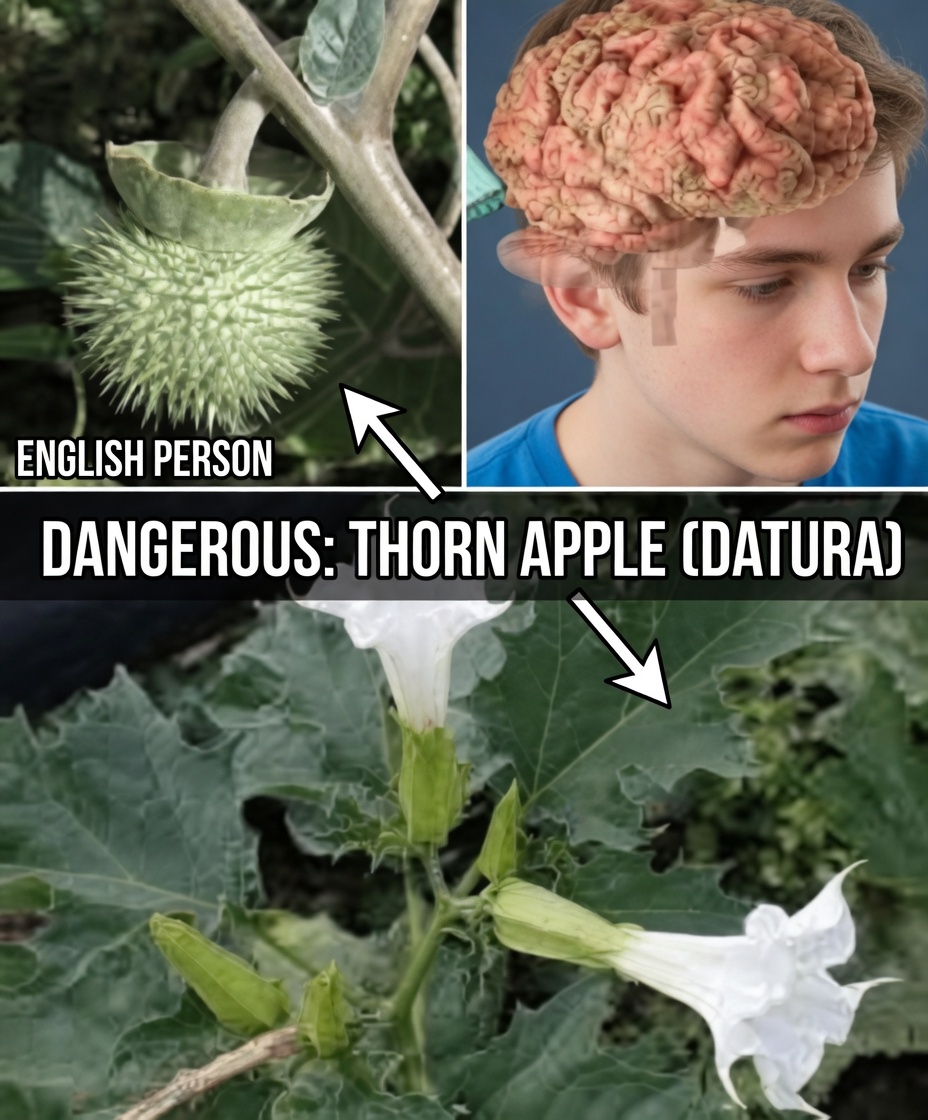
Every part of the Datura plant—including the flowers, leaves, stems, and especially seeds—contains tropane alkaloids such as atropine and scopolamine. Exposure (particularly ingestion, and sometimes heavy handling with poor hygiene afterward) may cause anticholinergic symptoms.
Commonly reported effects include:
- Dry mouth
- Blurred vision
- Fast heart rate
- Confusion and agitation
- Hallucinations
In more severe situations, complications can be serious. Some incidents happen when children or pets ingest parts of the plant; others occur due to intentional misuse, which is especially risky because the plant’s potency can vary widely and unpredictably. Symptoms may begin quickly and can persist for hours—or longer—depending on the exposure.
What to Do if Exposure Happens
If someone may have touched or swallowed any part of the Datura plant, treat it as urgent:
- Get immediate medical help: contact poison control or go to emergency services
- Do not wait for symptoms to worsen
- Share details about the plant (a photo can help if it can be taken safely)
Early action matters because treatment is often supportive and time-sensitive. The simplest approach is prevention: keep suspected Datura plants out of reach and avoid handling them.
Datura Plant vs. Common Look-Alikes
Trumpet-like flowers can be confusing. The Datura plant is sometimes mistaken for harmless ornamentals or for related plants such as Brugmansia. Use the comparison below to reduce misidentification—especially in gardens and neighborhood green spaces.
Quick Comparison Chart: Datura vs. Morning Glory vs. Brugmansia
| Feature | Datura Plant (e.g., Jimsonweed) | Morning Glory (Ipomoea) | Brugmansia (Angel’s Trumpet) |
|---|---|---|---|
| Flower direction | Usually upright or slightly nodding trumpets | Funnel-shaped, generally facing outward/upright | Large, hanging pendants |
| Leaves | Jagged/toothed, often unpleasant odor when crushed | Often heart-shaped, smoother | Smooth, elongated |
| Seed pods | Spiny, round “thornapples” | Smooth capsules | Smooth, elongated pods |
| Growth habit | Bushy, weedy annual | Vining plant | Woody shrub/small tree |
| Toxicity | High—all parts toxic | Seeds can be mildly toxic in large amounts | High—all parts toxic |
The spiky seed pod is one of the easiest ways to separate Datura from many other trumpet-flowered plants.
Prevention Tips for Families, Gardeners, and Pet Owners
Reduce the risk of Datura exposure with a few practical habits:
- Teach children: never touch or taste unknown plants
- Wear gloves when gardening in weedy or disturbed areas
- If removal is needed, do it carefully and follow local guidance for safe disposal
- Supervise pets outdoors—many will sniff or chew plants out of curiosity
- Use trustworthy plant ID resources (local extension services, reputable field guides)
Safer Alternatives If You Love Trumpet-Shaped Flowers
If you enjoy the look of trumpet blooms but want lower-risk choices, consider non-toxic ornamentals such as:
- Petunias
- Vinca (Catharanthus roseus)
For evening fragrance and night-garden appeal, options often used in many landscapes include:
- Nicotiana
- Evening primrose
These can offer similar beauty without the same concerns associated with the Datura plant.
Final Thoughts
Recognizing the Datura plant makes outdoor time safer and more relaxed—especially for households with kids or pets. Its standout traits, particularly upright trumpet flowers and spiny thornapple seed pods, make it possible to identify and avoid. If exposure is suspected, prioritize professional medical guidance immediately.
Frequently Asked Questions
1. Is touching the Datura plant always dangerous?
Brief contact is unlikely to cause problems for most people, but it’s still best to avoid handling it. Wash hands thoroughly after any contact, especially before eating or touching your face.
2. What should I do if my pet eats part of a Datura plant?
Contact a veterinarian or an animal poison control service right away. Fast action is important.
3. How common are Datura plant exposures?
They occur occasionally and are often accidental. Awareness and accurate identification significantly reduce the chance of an incident.