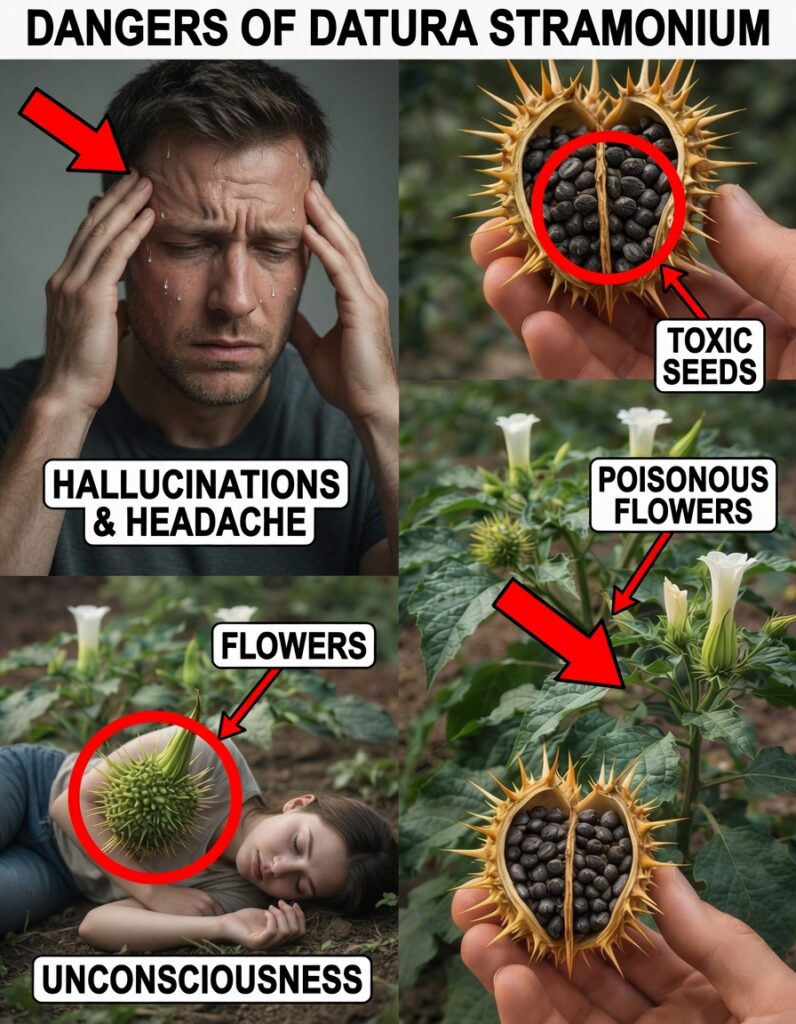
Many people notice striking, trumpet-shaped blooms in parks, along roadsides, or in home gardens—without realizing that certain look-alike plants can be hazardous. Datura (also called jimsonweed or thornapple) is one example: if it’s touched extensively or—more importantly—ingested, it may trigger serious symptoms. Accidents often involve children and pets, who may handle plants out of curiosity.
Learning how to recognize the Datura plant helps families enjoy the outdoors more safely. Below are practical identification tips, general safety guidance, and a comparison chart to prevent common mix-ups.
Understanding the Datura Plant and Where It Commonly Grows
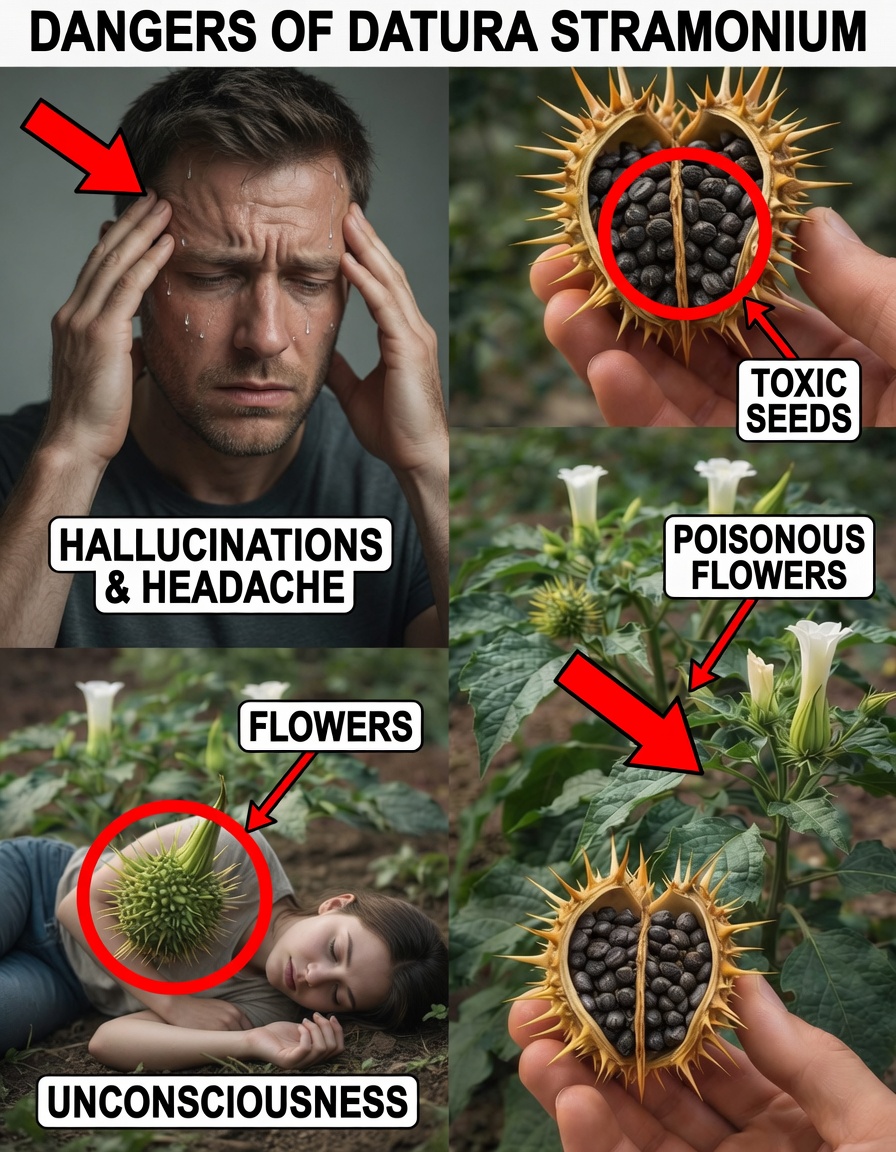
Datura grows wild in many regions of the United States and in other parts of the world. A well-known species, Datura stramonium, often appears in disturbed ground—vacant lots, construction edges, roadside soil, and neglected corners of yards. It can look ornamental at first glance, but every part of the plant contains naturally occurring compounds that can cause harmful effects.
Poison control reports describe occasional exposures, frequently linked to misidentification or a lack of awareness. Recognizing Datura early can prevent stress, unnecessary risk, and urgent medical situations during everyday outdoor activities.
Key Identification Features of the Datura Plant
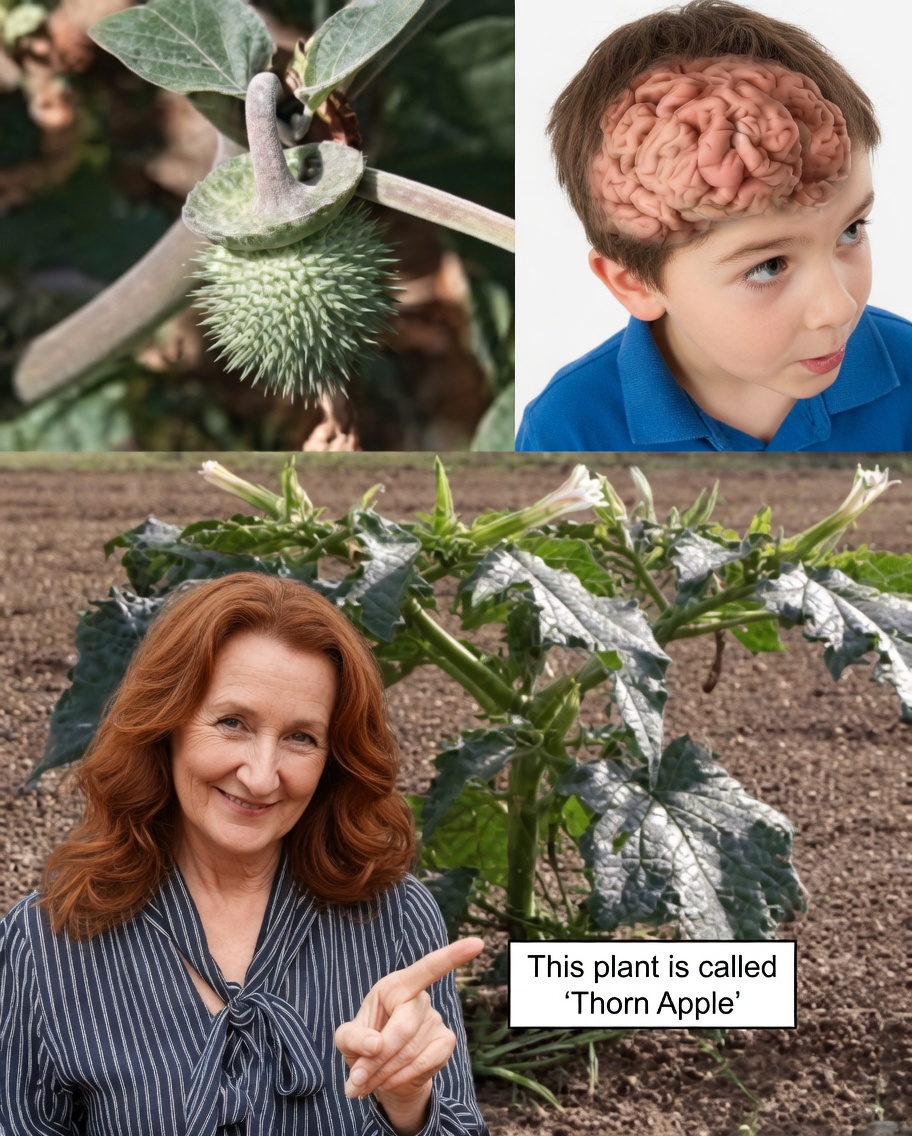
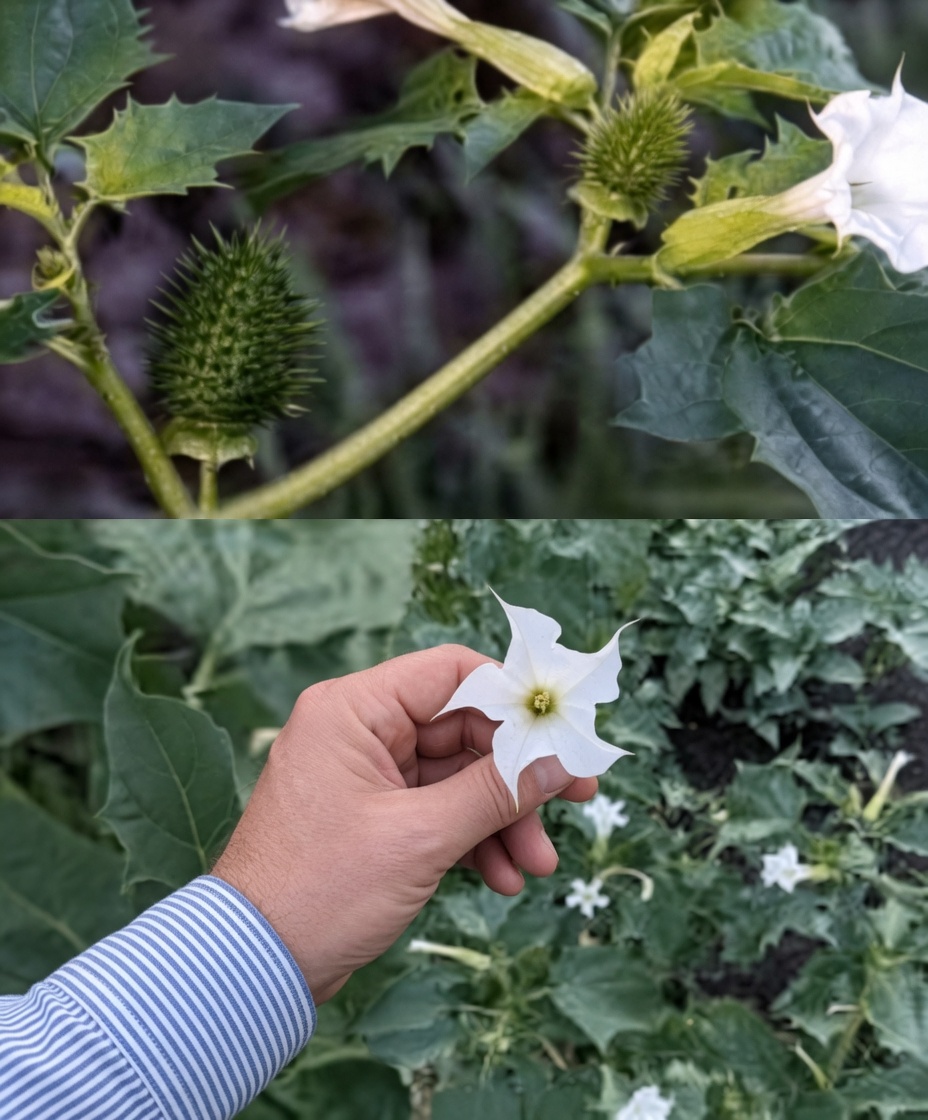
Correct identification is the best way to avoid accidental exposure. The Datura plant is typically recognizable by a combination of traits:
- Large trumpet-shaped flowers, usually white or purple
Often open in the evening or at night and may have a strong fragrance. - Dark green leaves with jagged, tooth-like edges
Leaves usually alternate along the stem and may smell unpleasant when crushed. - Distinctive spiny, round seed pods (“thornapples”)
This is one of the clearest giveaways when comparing Datura to harmless plants. - Unpleasant odor when leaves are damaged (common in many species)
Datura is most noticeable during warm months, so summer through fall tends to be peak season for sightings. Teaching these features to children and other family members supports safer exploration outdoors.
Potential Risks Associated With the Datura Plant
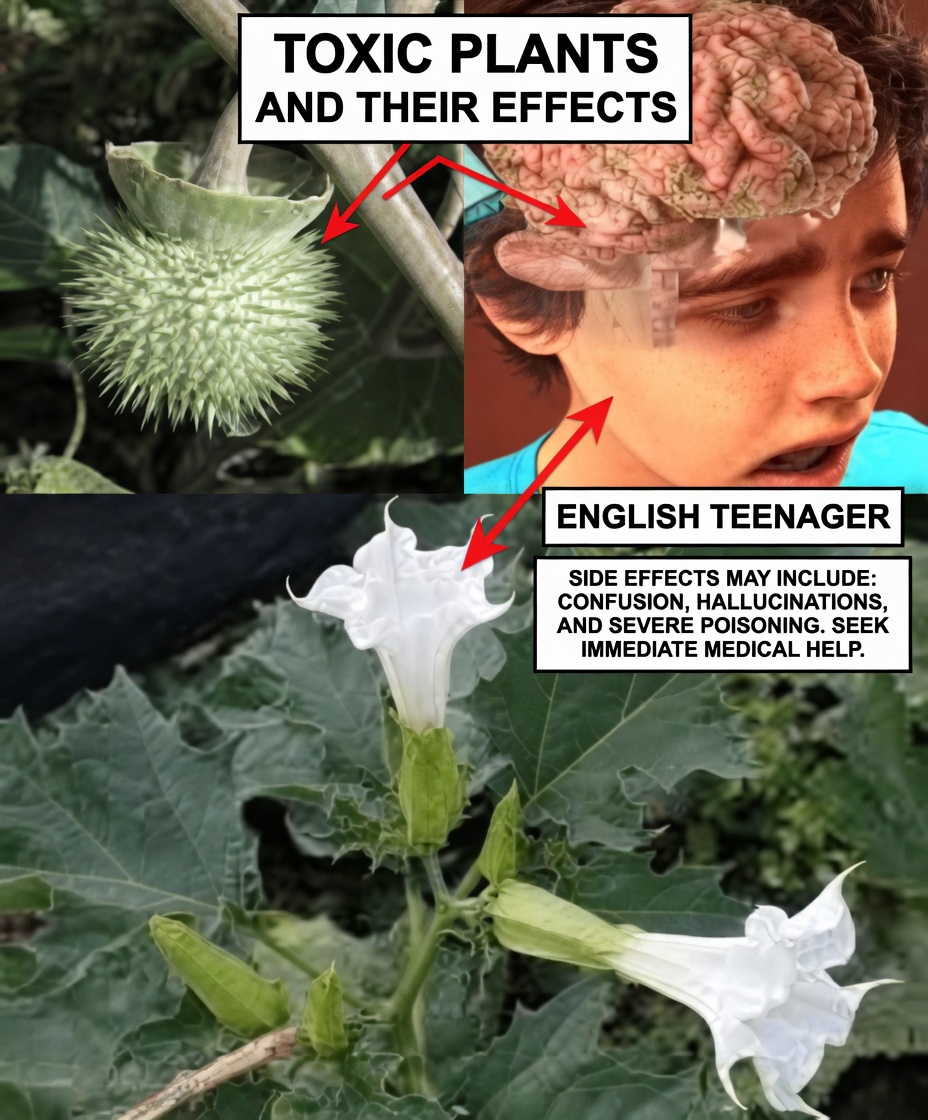
All parts of the Datura plant—including seeds, flowers, and leaves—contain tropane alkaloids such as scopolamine and atropine. If swallowed (or in some cases through heavy exposure), these chemicals can cause anticholinergic symptoms.
Commonly reported effects include:
- Dry mouth
- Blurred vision
- Rapid heartbeat
- Confusion or agitation
- Hallucinations
In severe cases, more dangerous complications can occur. Many incidents involve accidental ingestion by children or pets, while some cases relate to misuse for hallucinogenic effects—an especially risky behavior because plant potency can vary unpredictably.
Medical sources note that symptoms may begin quickly and can persist for hours to days. Prompt care often leads to recovery, but the safest approach is avoidance and early action when exposure is suspected.
What to Do If Datura Exposure Happens
If someone may have touched or ingested part of the Datura plant, treat it seriously:
- Get immediate medical help: call Poison Control or go to emergency services.
- Do not wait for symptoms to appear or worsen.
- Share details about the plant and the possible amount involved, if known.
Early intervention matters because supportive medical treatment may be needed. Whenever possible, prevent exposure in the first place by keeping Datura out of areas where children and pets play.
Datura Plant vs. Common Look-Alikes (Comparison Chart)
Trumpet-like flowers can lead to confusion, especially with plants such as morning glory or Brugmansia (a related but different genus). Use this chart for quick comparison:
| Feature | Datura Plant (e.g., Jimsonweed) | Morning Glory (Ipomoea) | Brugmansia (Angel’s Trumpet) |
|---|---|---|---|
| Flower direction | Erect or slightly nodding trumpets | Flat or upright funnel-shaped | Large, hanging pendants |
| Leaves | Jagged/toothed edges; often unpleasant smell | Heart-shaped, smooth | Smooth, elongated |
| Seed pods | Spiny, round “thornapples” | Smooth capsules | Smooth, elongated pods |
| Growth habit | Bushy annual weed | Vining | Woody shrub or small tree |
| Toxicity level | High—all parts toxic | Seeds mildly toxic in large amounts | High—all parts toxic |
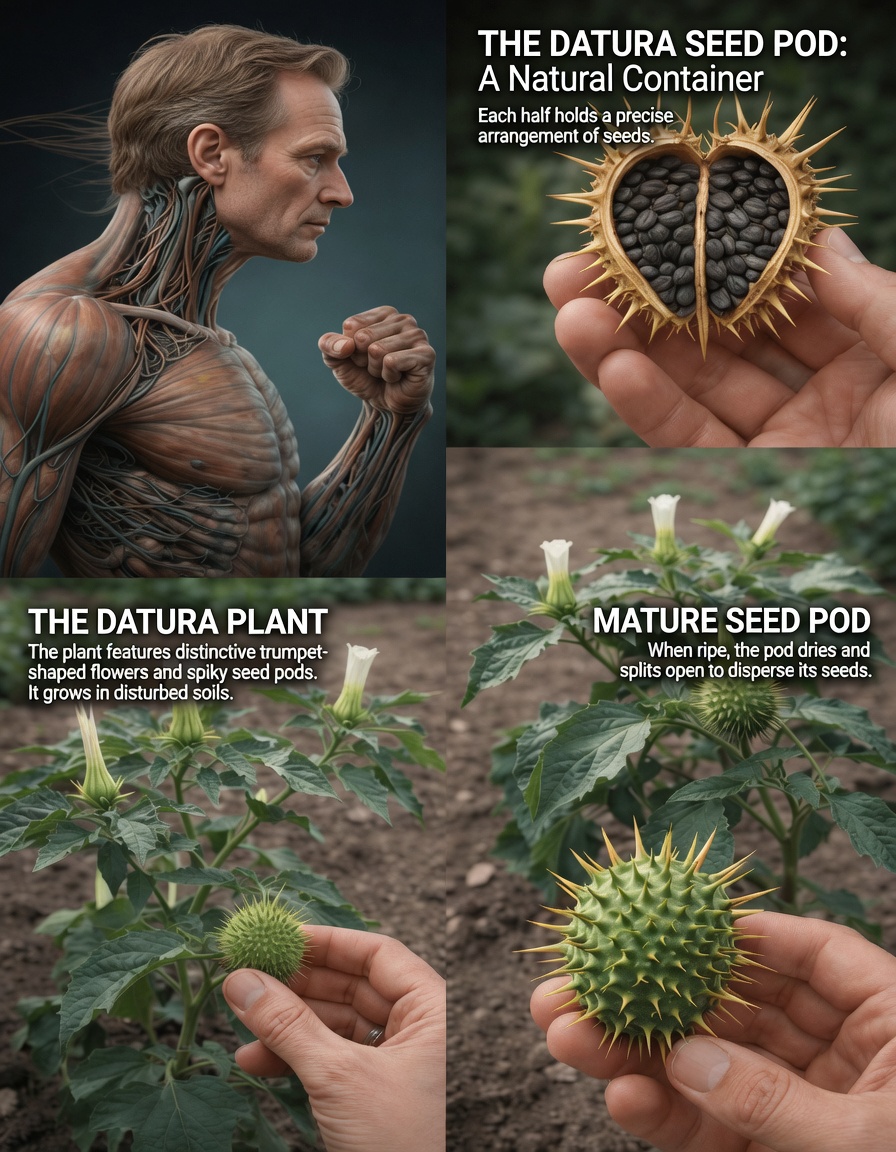
The spiny seed pods are a particularly strong indicator that you’re looking at Datura rather than many other garden or wild plants.
Prevention Tips Around the Datura Plant
Simple habits can significantly reduce risk:
- Teach children to never touch or taste unknown plants
- Wear gloves when gardening in areas where Datura may grow
- Remove suspected Datura carefully and safely (follow local guidelines)
- Supervise pets outdoors, especially in weedy or undeveloped areas
- Use reliable plant identification resources before handling unfamiliar species
These steps help families enjoy nature while minimizing avoidable exposure to the Datura plant.
Safer Alternatives for Trumpet-Flower Beauty
If you love the look of trumpet-shaped blooms but want lower-risk options, consider petunias or vincas. For fragrant evening gardens, nicotiana or evening primrose can provide night-blooming appeal without the same concerns associated with Datura.
Final Thoughts
Knowing how to identify the Datura plant supports safer outdoor time for families, gardeners, and pet owners. Its standout traits—especially large trumpet flowers and spiny seed pods—make it possible to avoid with careful observation. If exposure is suspected, prioritize professional medical guidance immediately.
Frequently Asked Questions
-
Is touching the Datura plant always dangerous?
Brief contact is unlikely to cause problems for most people, but it’s best to avoid handling it. Wash hands thoroughly after any contact, especially before touching your eyes or eating. -
What should I do if my pet eats part of a Datura plant?
Contact a veterinarian or an animal poison control service right away. Fast action is important. -
How common are Datura plant exposures?
They occur sporadically and are often accidental. Awareness and accurate identification are among the best ways to reduce incidents.