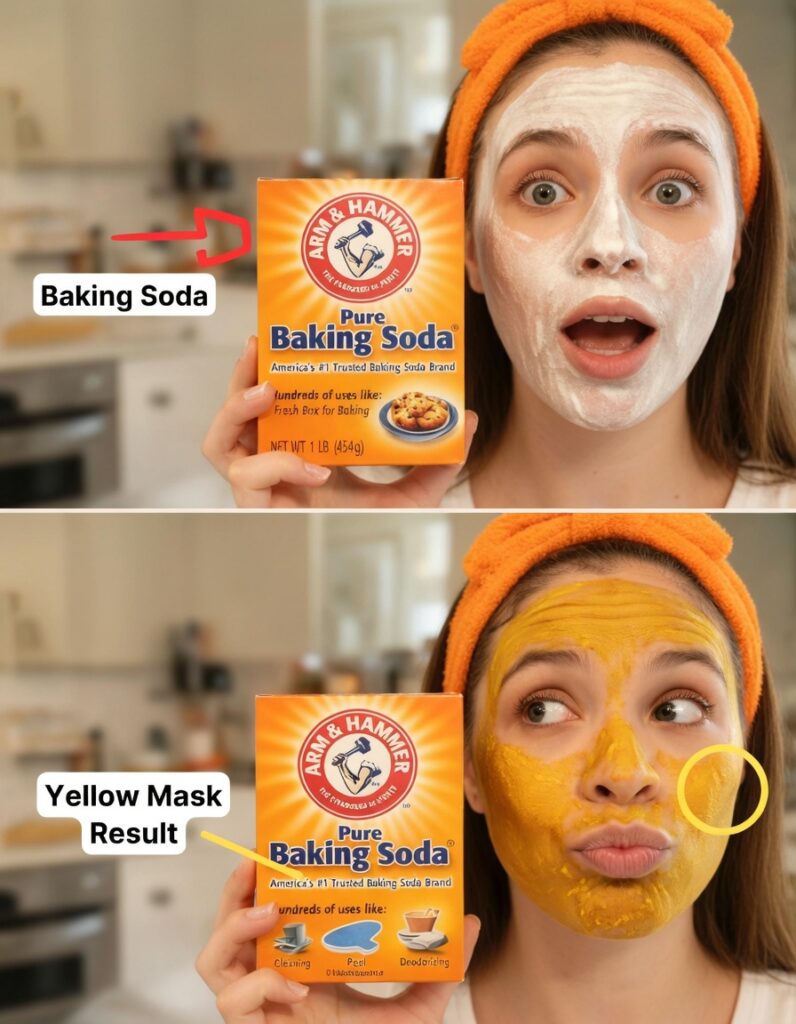
Baking Soda on Your Face: 3 Careful Ways to Try It (Plus Safety Tips)
Seeing dullness, uneven texture, or persistent blemishes in the mirror can be discouraging—especially when it affects how confident you feel day to day. That’s why baking soda on your face is often mentioned as a low-cost, easy-to-find DIY option for cleansing or smoothing skin.
Still, many people hesitate for good reason: baking soda is alkaline, and facial skin generally thrives in a mildly acidic environment. If you’re curious, the smartest approach is to focus on dilution, minimal contact time, and low frequency. Below are three cautious methods people use, with safety as the priority.
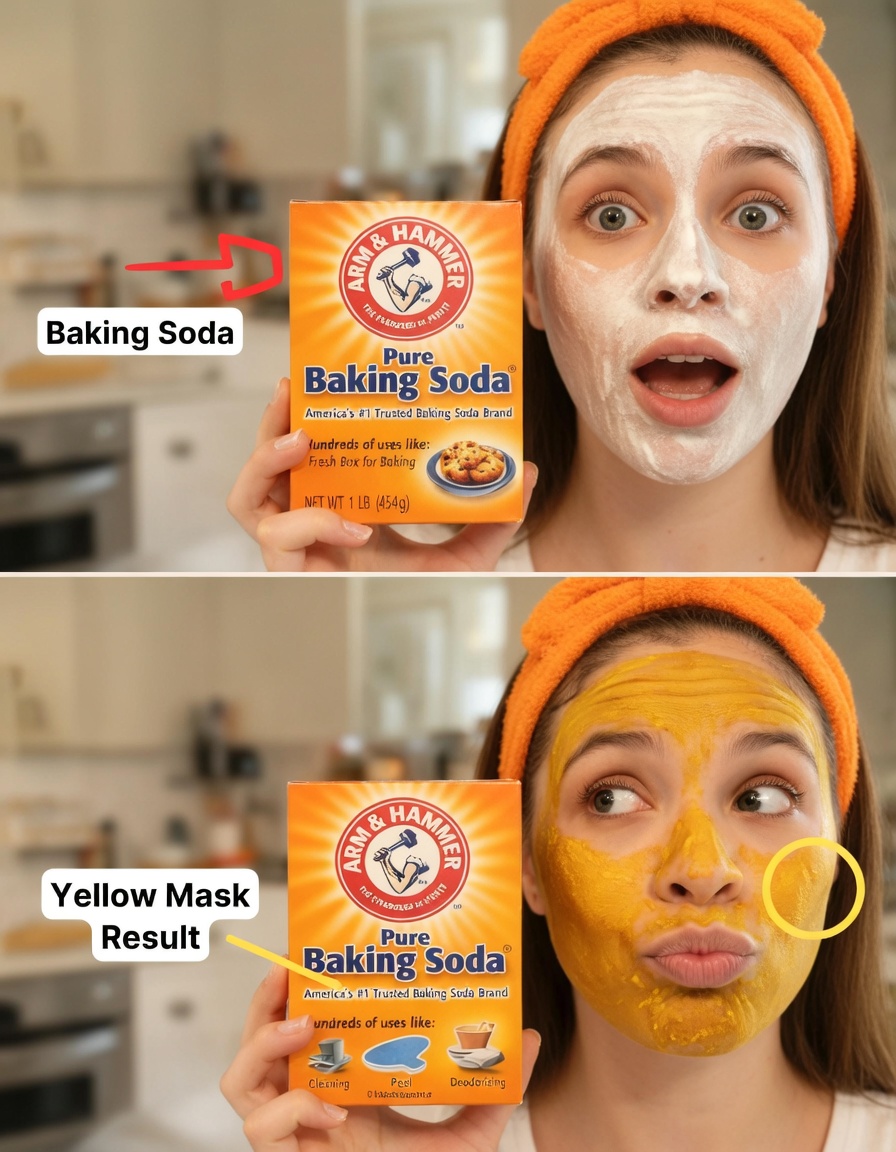
Why Baking Soda on Your Face Gets Attention (and Why It’s Risky)
Baking soda (sodium bicarbonate) has a fine, gritty texture that can act like a physical exfoliant, which is why some people try it to help with:
- Temporary smoothness
- Buildup that makes skin look dull
- The look of clogged pores or rough patches
The concern is its high pH (around 9). Healthy facial skin typically sits around pH 4.5–5.5, which supports the skin barrier. Using a high-pH product like baking soda on your face may disrupt that barrier, increasing the chance of:
- Dryness and tightness
- Redness or stinging
- Sensitivity over time
Evidence and personal experiences are mixed. Some limited contexts suggest potential benefits, but most skincare professionals urge caution for facial use due to irritation risk and lack of strong, consistent support for routine application. If you decide to try it, moderation matters.
Potential Pros and Cons of Baking Soda on Your Face
People usually explore baking soda on the face because they want a “simple” option for brighter-looking skin without buying new products.
Possible upside (short-term, for some people):
- Light physical exfoliation when heavily diluted and used briefly
Common downsides:
- Can strip natural oils and leave skin feeling dry
- May worsen irritation, especially with frequent use
- Not ideal for dry, sensitive, or compromised skin barriers
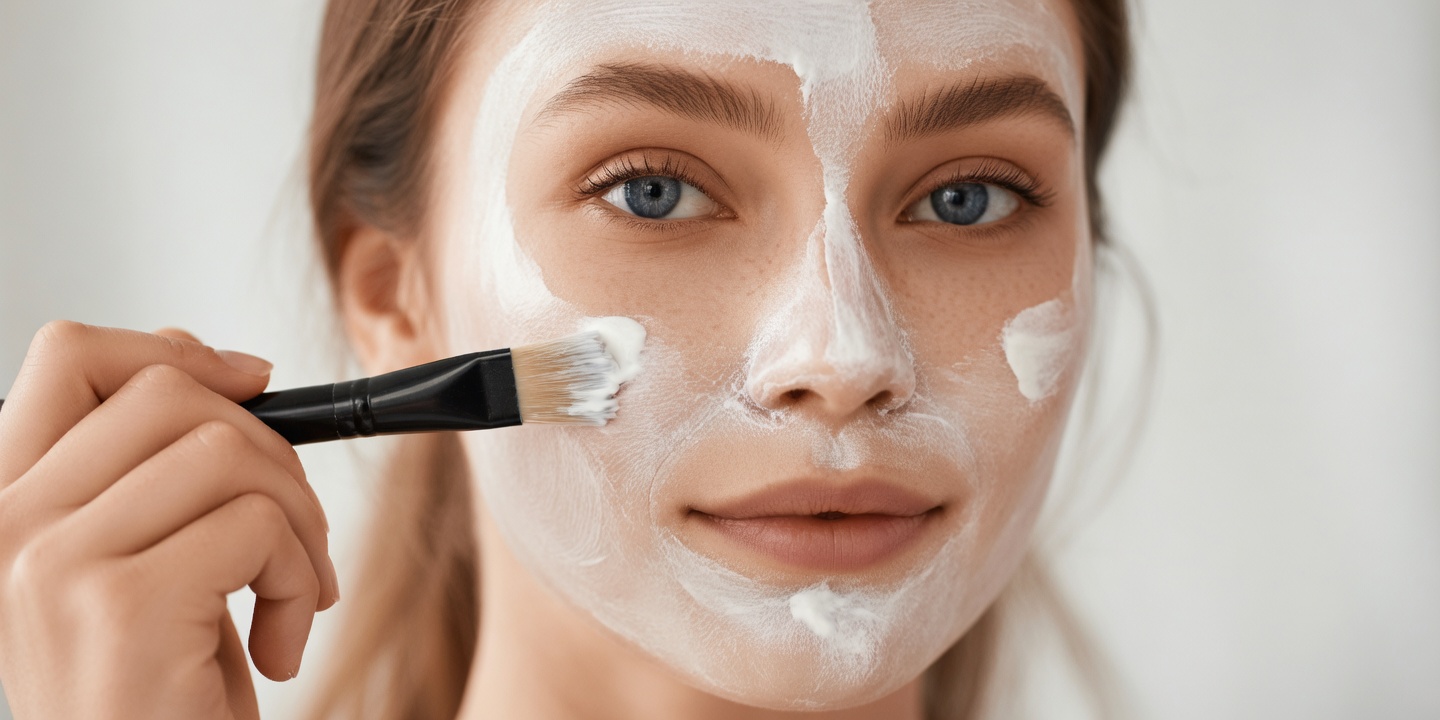
Skin response varies widely. What seems “fine” for one person can trigger irritation in another—so starting small is essential.
3 Cautious Ways to Use Baking Soda on Your Face (If You Choose to Try)
Before any method: patch test first and stop immediately if you feel burning, stinging, or see worsening redness.
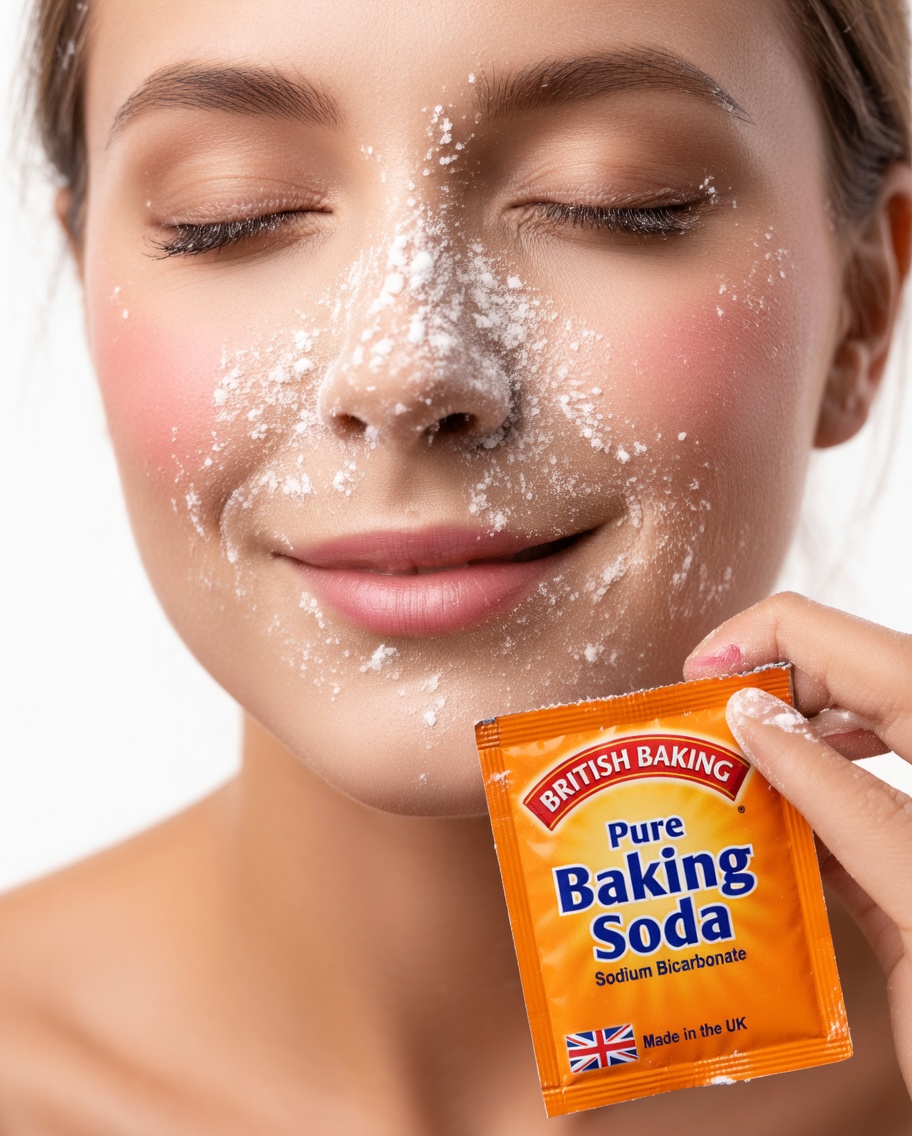
1) Gentle Baking Soda Paste Cleanser (Diluted, Brief Contact)
If your skin looks tired from surface buildup, a highly diluted paste is one approach some people use.
How to do it
- Mix:
- 1 teaspoon baking soda
- 2 teaspoons water (or a soothing base like aloe vera)
- Apply to damp skin using very light circular motions for 20–30 seconds.
- Rinse thoroughly with lukewarm water.
- Apply a moisturizer right away.
How often
- Limit to once per week (twice weekly maximum for tolerant skin)
2) Baking Soda + Oatmeal Mask (Short Wear Time)
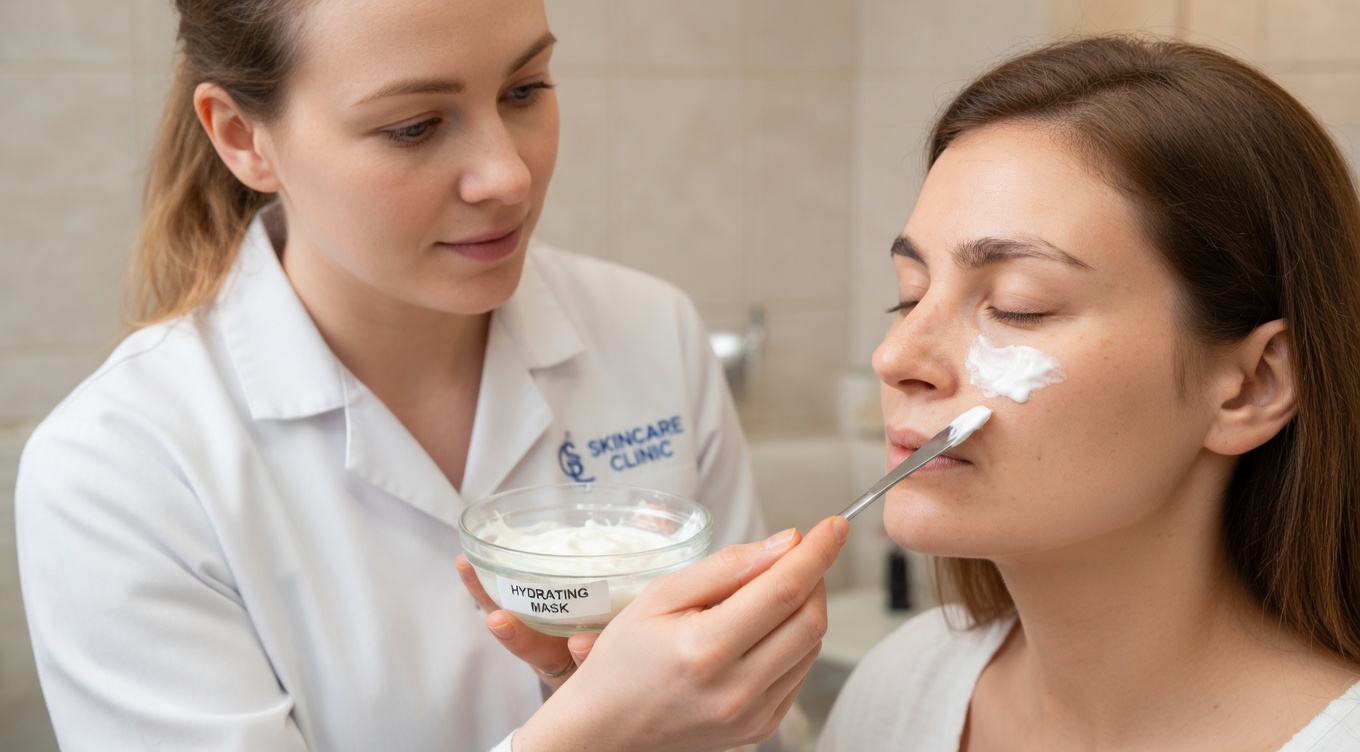
This method combines baking soda with oatmeal, which many people find more calming and “buffering” than baking soda alone.
How to do it
- Combine:
- 1 teaspoon baking soda
- 1 tablespoon finely ground oatmeal
- Enough water (or honey) to create a spreadable paste
- Apply to clean skin, avoiding eyes and lips.
- Leave on no more than 5 minutes.
- Rinse gently, then moisturize.
How often
- Use only occasionally, and monitor how your skin reacts.
3) Targeted Spot Dab for an Occasional Blemish
For the rare blemish that shows up at the worst time, some people use baking soda as a short-contact spot treatment.
How to do it
- Mix a pinch of baking soda with one drop of water to make a thick paste.
- Use a clean cotton swab to apply only to the spot.
- Leave for 5–10 minutes maximum, then rinse.
- Moisturize afterward (this method can be drying).
How often
- Keep it very occasional to avoid stressing facial skin.
Essential Safety Rules for Baking Soda on Your Face
If you experiment with baking soda skincare, these steps help reduce risk:
- Always patch test: Try a small amount on the inner arm and wait 24 hours for itching, redness, or swelling.
- Never use it undiluted: Straight baking soda is more likely to irritate.
- Use it rarely: Start at once weekly at most.
- Avoid delicate areas: Keep away from eyes, lips, and any broken, inflamed, or sunburned skin.
- Moisturize immediately: Support your barrier after any contact.
- Stop at the first warning sign: Stinging, tightness, redness, or worsening breakouts means it’s not a good fit.

Baking Soda on Your Face vs. Gentler Alternatives
If your goal is exfoliation or smoother texture, there are options that often work toward the same results with fewer pH-related concerns.
| Option | Why People Like It | Key Cautions |
|---|---|---|
| Baking soda on your face | Cheap and widely available | High pH may disrupt the skin barrier; irritation risk |
| Gentle chemical exfoliants (e.g., lactic acid) | Typically pH-balanced, well-studied | Start slowly; patch test; don’t overuse |
| Enzyme exfoliants (papaya/pineapple-based) | Often mild and comfortable | Still patch test; can irritate very sensitive skin |
| Physical scrubs with jojoba beads | Smoother feel and less sharp abrasion | Avoid if acne is inflamed; don’t scrub aggressively |
What People Commonly Report
Experiences with baking soda on your face tend to split into two camps:
- Some notice temporary smoothness or reduced oiliness when they use a diluted mix occasionally.
- Others experience rapid dryness, redness, or irritation and stop immediately.
Skin type plays a big role. Oilier skin sometimes tolerates short-term use better, while dry or sensitive skin often reacts poorly. Careful observation is more important than forcing a routine.
How to Decide Your Next Step
If texture or dullness is pushing you to consider baking soda on your face, treat it as an experiment—not a daily solution. Track how your skin responds, keep usage minimal, and prioritize:
- Consistent moisturizing
- Daily sunscreen
- Barrier-friendly skincare habits
For many people, pH-friendly, dermatologist-backed exfoliants end up being the more reliable long-term choice.
FAQ: Baking Soda on Your Face
Is baking soda on your face safe for daily use?
Most experts discourage daily use. Because baking soda is highly alkaline, frequent application can interfere with the skin barrier. If you try it at all, keep it rare and diluted.
Can baking soda on your face help acne?
Some people use it to “dry out” a blemish, but it can also increase irritation and potentially worsen breakouts over time. Acne-specific ingredients like salicylic acid, benzoyl peroxide, or adapalene are often better studied and more consistent.
What should you do if baking soda on your face causes irritation?
Stop immediately, rinse with lukewarm water, and apply a gentle moisturizer. If redness, burning, swelling, or discomfort persists, contact a dermatologist for guidance.