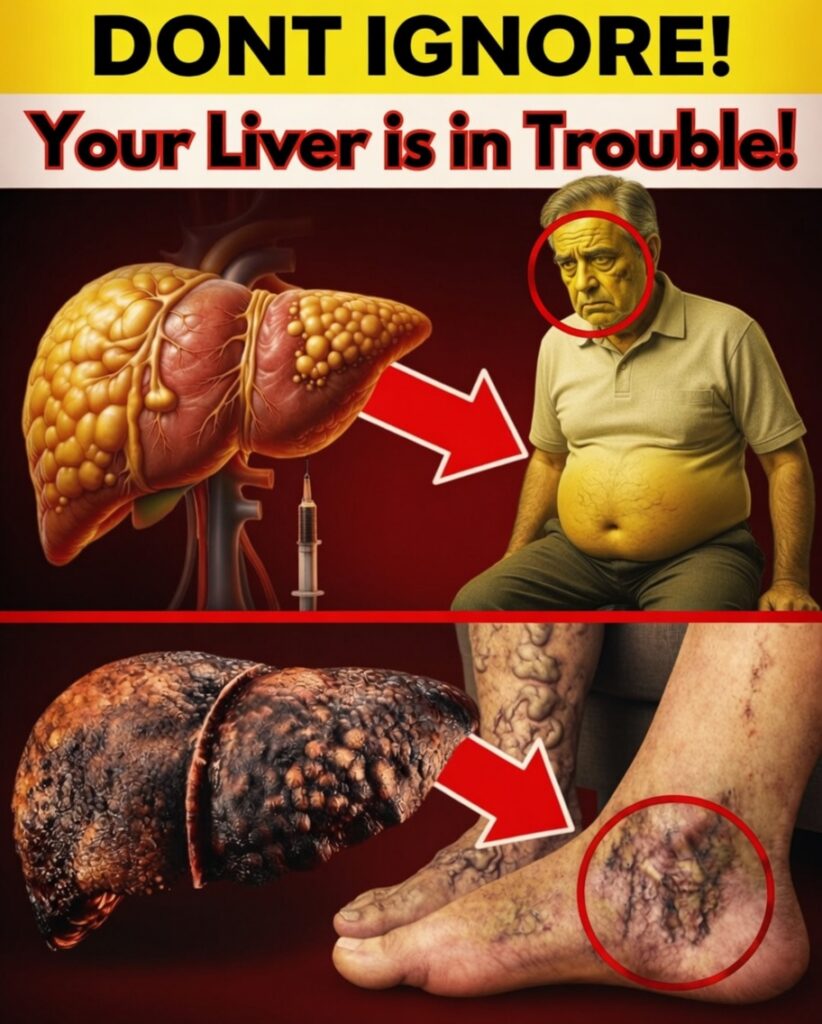
Your Feet May Reveal Early Clues About Liver Health
Your feet do far more than support you every day—they can also reflect subtle changes happening inside your body, including possible stress on the liver. Because foot discomfort is often blamed on long hours standing or ill-fitting shoes, many people dismiss signs that linger or feel unusual. Still, when symptoms in your feet persist or appear alongside other changes, they can be worth noting and discussing with a healthcare professional. Recognizing potential early warning signs of liver issues may help you seek timely evaluation and peace of mind.
Why Foot Symptoms Can Be Connected to Liver Function
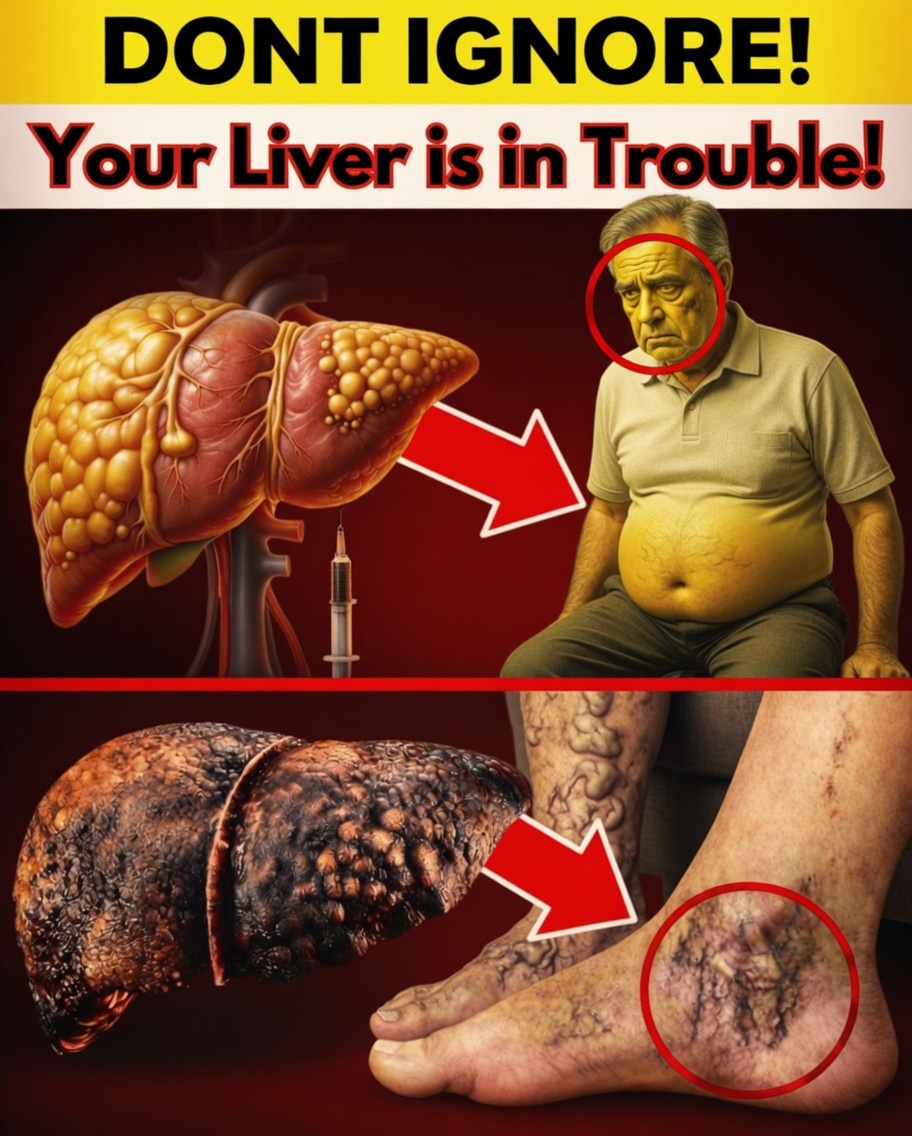
The liver is essential for detoxifying the blood, producing key proteins, and helping regulate fluid balance. When liver function is impaired, these processes can shift—sometimes leading to visible or uncomfortable effects in the lower legs, ankles, and feet. Swelling, changes in skin color, itching, or altered sensations may be linked to how the body handles fluids, bile, and circulation when the liver is under strain.
1) Swollen Feet and Ankles (Edema)
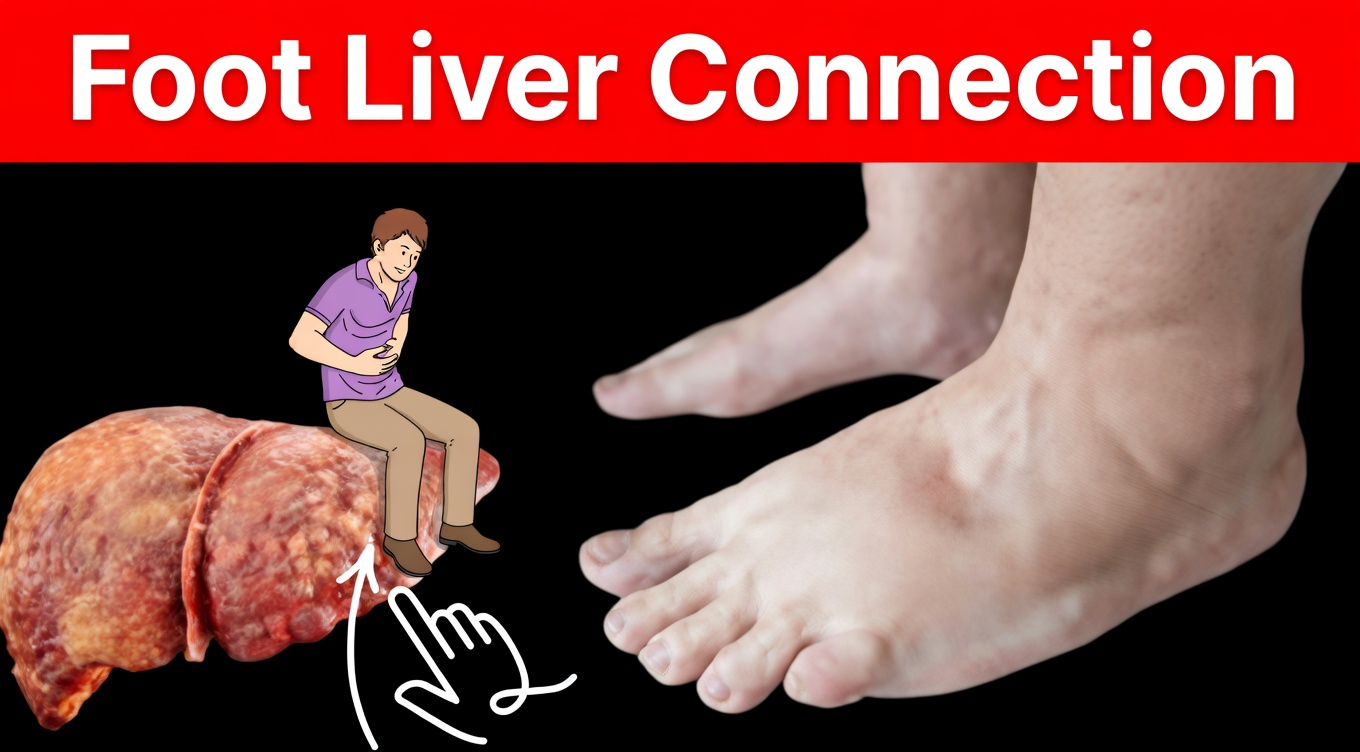
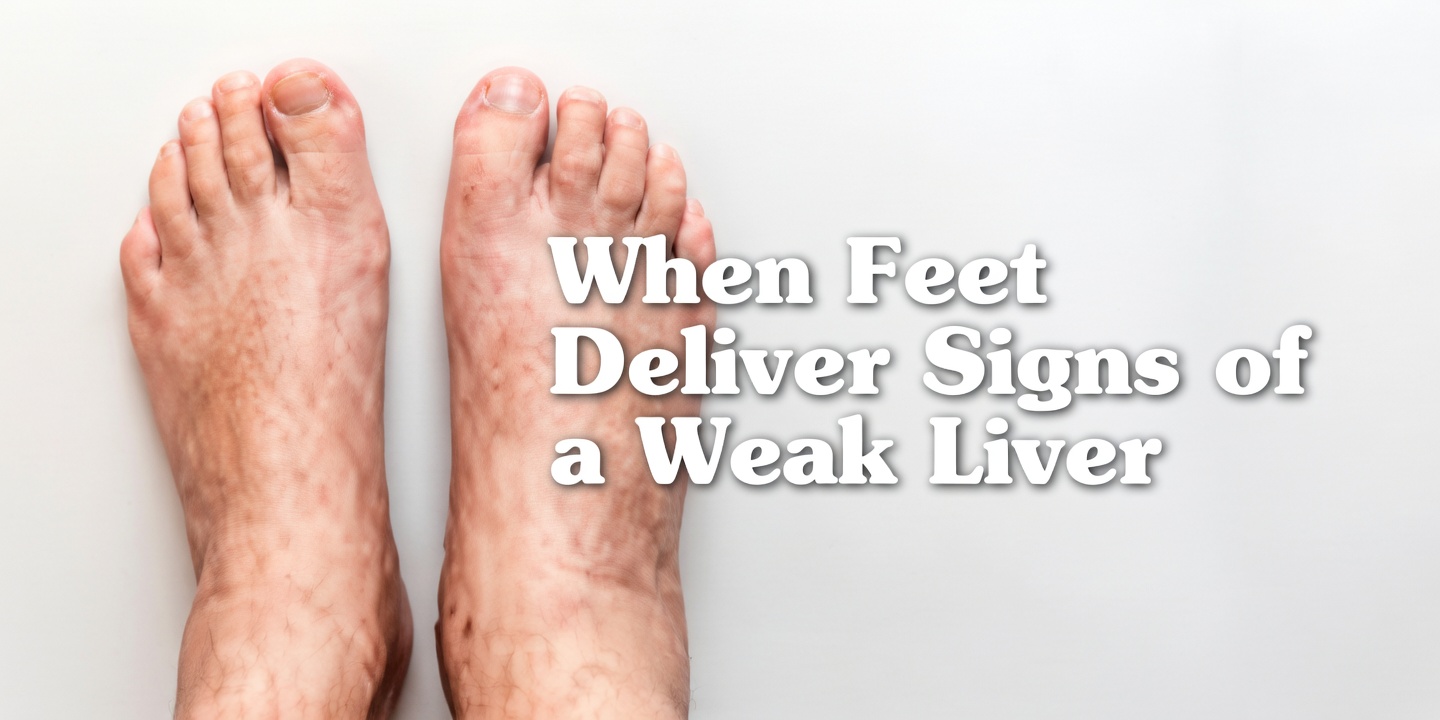
A common sign discussed in relation to liver strain is persistent swelling in the feet and ankles that doesn’t quickly improve with rest or elevation. One reason is reduced production of albumin, a liver-made protein that helps keep fluid inside blood vessels. When albumin is low, fluid can move into surrounding tissues—often settling in the lower body due to gravity.
What to look for:
- Shoes suddenly feel tighter
- Sock marks leave deeper indentations than usual
- Puffiness lasts throughout the day or returns quickly
Some people may also notice fatigue or abdominal discomfort.
2) Itchy Soles Without a Visible Rash
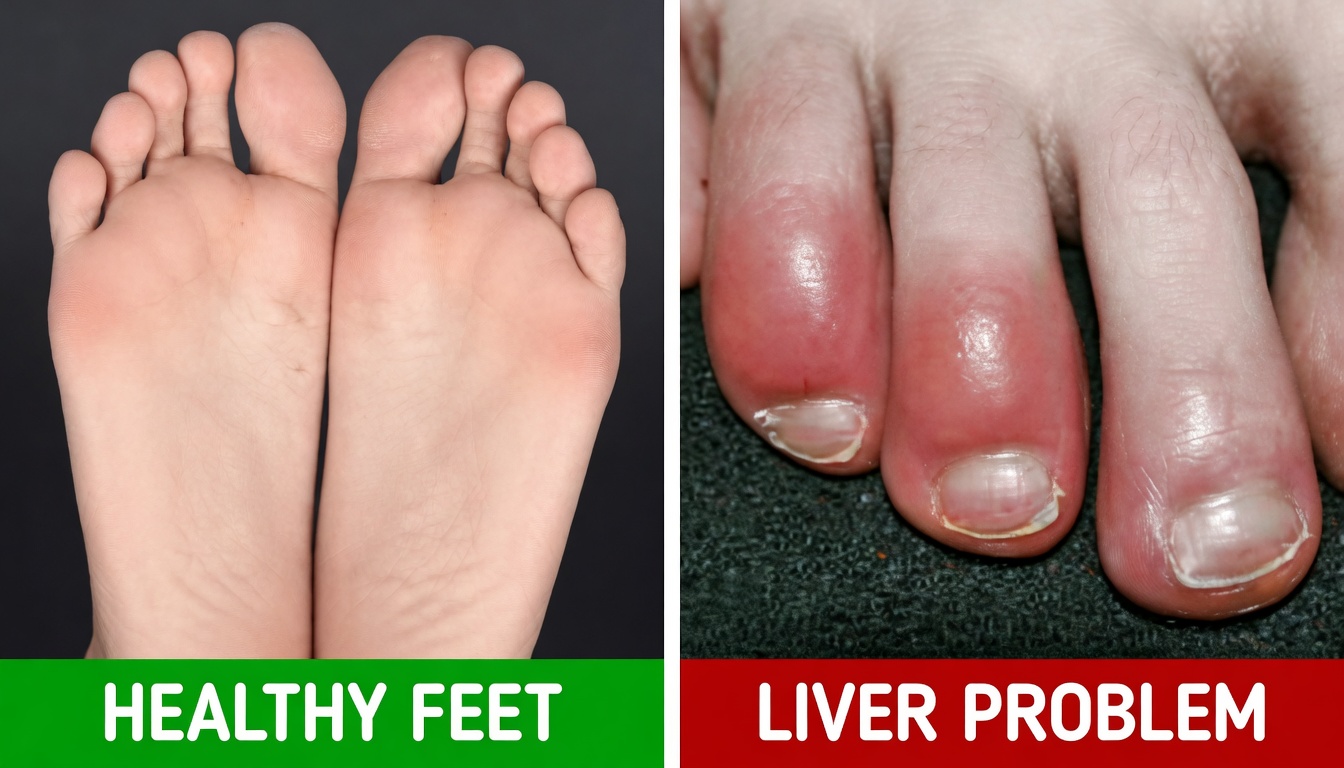
Strong itching—especially on the soles—can be particularly frustrating when the skin looks normal. In some liver-related conditions, bile flow slows (cholestasis), allowing bile salts to accumulate. This buildup may irritate nerves and commonly affects the hands and feet, often worsening at night.
What to look for:
- Itching intensifies in the evening or overnight
- Sleep disruption due to the sensation
- It may also appear on the palms
3) Yellowish Tint in Skin or Toenails
A gradual yellow tone on the feet, toes, or toenails can occur when bilirubin (a yellow pigment) builds up because the liver can’t process it effectively. This is associated with jaundice, which is often easier to spot in the eyes or face first—but the feet can show subtle changes too.
What to look for:
- Yellowing that develops slowly
- Dark urine or pale stools may occur at the same time
- Faint color change on toenails or the soles
4) Ongoing Foot Pain or Tenderness Without Injury
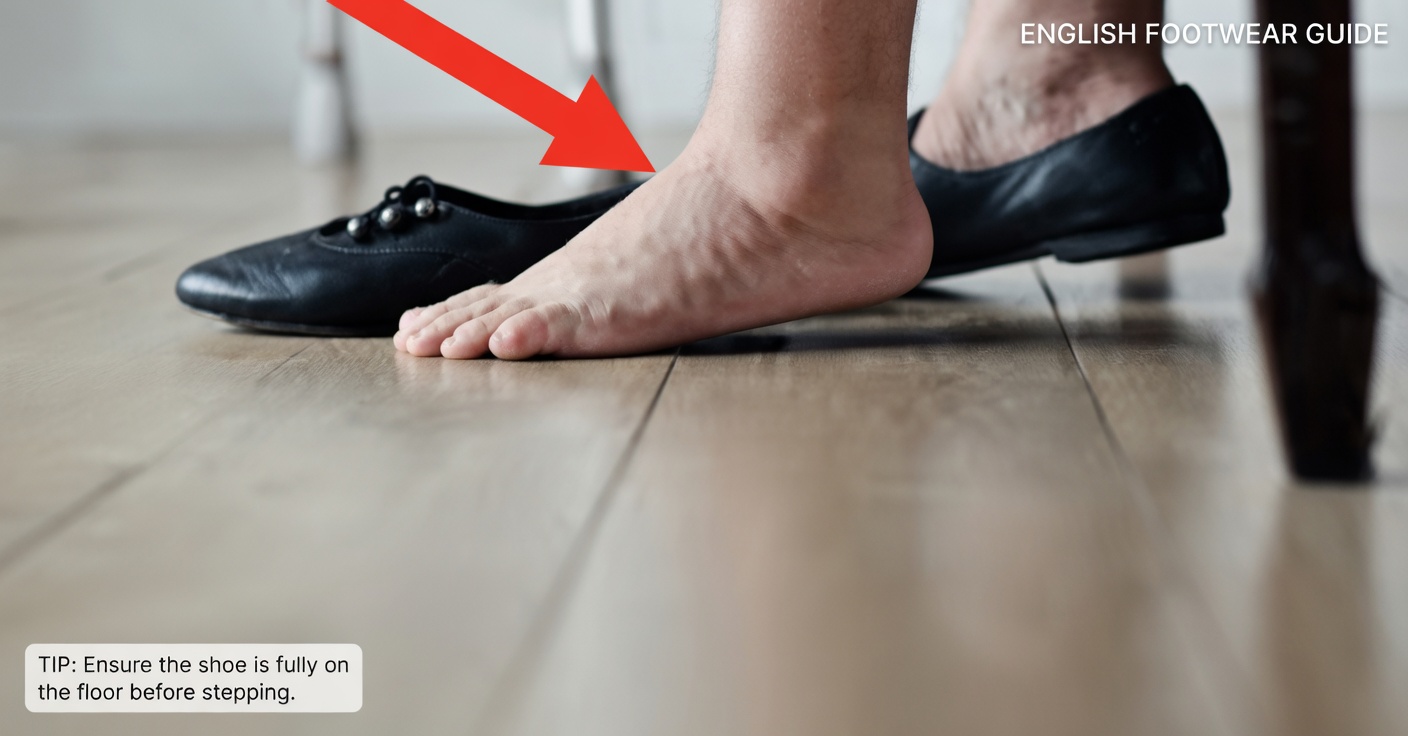
Foot aching or tenderness that doesn’t have a clear cause—no new exercise, injury, or footwear change—can sometimes be linked to broader systemic effects, including inflammation, fluid shifts, or circulation changes. While this is not specific to liver disease, persistent unexplained pain deserves attention.
What to look for:
- Discomfort that continues for weeks
- Pain that worsens with activity but doesn’t fully settle with rest
- General fatigue or “off” feelings elsewhere in the body
5) Toenail Changes (Color, Thickness, Texture)
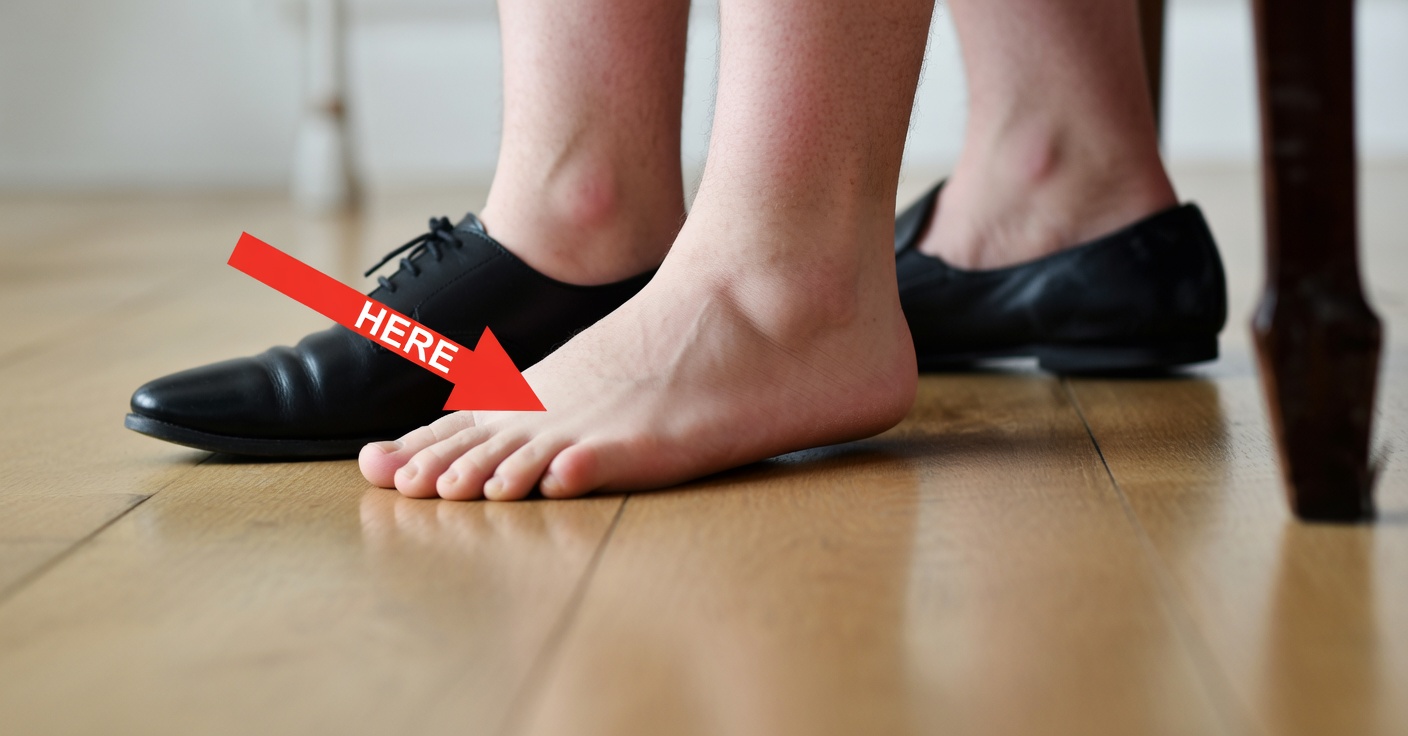
Toenails can change gradually when the body is under stress. In discussions around liver health, nail changes may reflect indirect effects such as altered nutrient processing, inflammation, or circulation differences. Nails may appear more fragile or discolored over time.
What to look for:
- Pale or yellowish nails
- Brittle, ridged, thickened, or easily splitting toenails
- Slow, progressive changes rather than sudden shifts
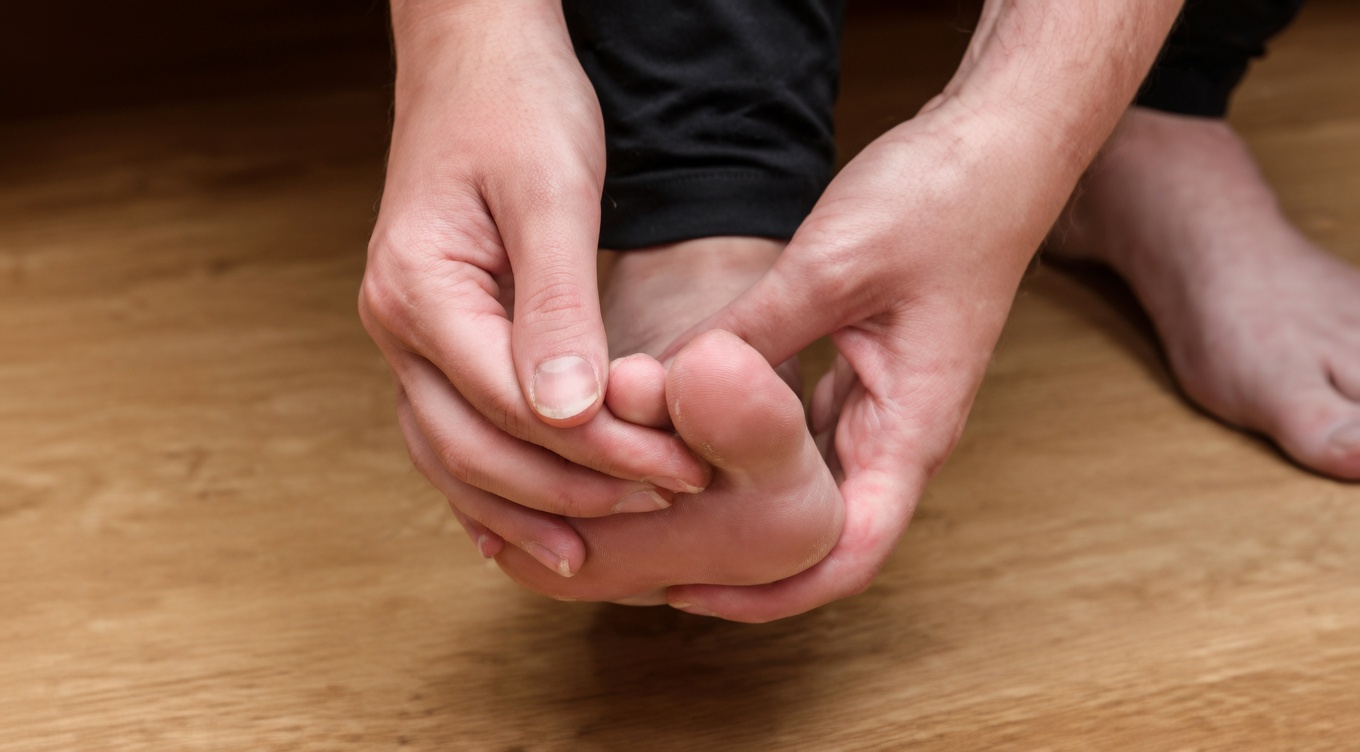
6) Feet That Feel Unusually Cold
If your feet feel persistently cold—even in warm environments—circulation may be a factor. In some situations, liver strain can influence blood flow patterns and oxygen delivery, contributing to a lingering cold sensation in the extremities.
What to look for:
- Cold feet that don’t improve with warm socks
- Ongoing chill paired with tiredness or low energy
7) Dry, Cracked Heels or More Visible Veins
Some people notice stubborn dryness, cracking, or unusually visible veins (including small spider-like veins) around the feet and ankles. These changes can relate to circulatory shifts, fluid balance issues, or skin changes that occur in broader health conditions—including those involving the liver.
What to look for:
- Heel cracks that don’t heal easily
- Veins becoming more prominent without an obvious trigger
Quick Overview: Foot Signs and Possible Liver-Related Links
- Swelling (edema) → Fluid retention and possible protein imbalance (albumin)
- Itching (no rash) → Possible bile salt buildup (cholestasis)
- Yellowing → Bilirubin processing difficulties (jaundice)
- Pain/tenderness → Inflammation, fluid changes, or circulation effects
- Toenail changes → Indirect nutrient/circulation impacts
- Cold feet → Reduced or altered blood flow
- Dry skin/visible veins → Skin and vascular changes linked to systemic shifts
These symptoms often don’t appear alone. A cluster of changes happening together is usually more meaningful than a single sign.
What to Do If You Notice These Foot Changes
If something seems persistent or unusual, start with simple tracking:
- Record when symptoms began and whether they come and go
- Rate severity (for example, 1–10)
- Note patterns: worse at night, after standing, after meals, etc.
- Write down any additional symptoms (fatigue, abdominal swelling, urine/stool color changes)
For comfort while you seek guidance:
- Elevate your legs when possible
- Stay hydrated
- Choose supportive, non-restrictive footwear
Most importantly, consult a healthcare professional. They may recommend evaluation such as liver function blood tests and other assessments to identify the cause.
Frequently Asked Questions
Are foot symptoms always caused by liver problems?
No. Swelling, itching, nail changes, and pain can come from many conditions—ranging from everyday strain to circulation issues, skin conditions, or other medical concerns. However, symptoms that persist or appear together should be assessed to rule out underlying causes.
How soon should I see a doctor?
Seek prompt medical attention if foot symptoms are sudden or severe—especially if paired with yellowing skin/eyes, dark urine, abdominal swelling, or extreme fatigue. For ongoing but milder changes, schedule an appointment soon to discuss evaluation.
Can lifestyle changes improve these signs?
Lifestyle steps may support overall liver wellness but aren’t a substitute for diagnosis or treatment. Helpful habits often include staying hydrated, eating a balanced diet low in highly processed foods, exercising gently, and avoiding excess alcohol—while following personalized medical advice.
Medical Disclaimer
This article is for informational purposes only and does not substitute for professional medical advice, diagnosis, or treatment. Always consult a qualified healthcare provider about persistent symptoms, concerns about liver health, or any new or worsening changes. Individual experiences vary.