
Guava for Eye Health: 12 Practical Ways This Tropical Fruit Can Support Everyday Vision Comfort
More than 2.2 billion people worldwide live with some degree of vision impairment. For many adults over 40, everyday problems—screen-related eye strain, dryness, fluctuating focus, or difficulty seeing at night—can start to interfere with work, driving, and simple routines. That end-of-day heaviness after staring at a laptop, the stress of reading small text, and the worry about age-related changes can be exhausting.
The good news: guava—a widely available tropical fruit—offers a straightforward, nutrient-dense way to support eye wellness naturally. Below are 12 practical, research-aligned insights on how guava may help your eyes feel more comfortable day to day.

Why Guava Is a Standout Fruit for Everyday Eye Support
Guava packs a nutrient profile that aligns with what eye-health research emphasizes: antioxidants and key vitamins that help protect eye tissues from oxidative stress.
One medium guava can provide 200+ mg of vitamin C (often more than an orange), along with vitamin A, lycopene, and small amounts of carotenoids such as lutein and zeaxanthin. Findings from antioxidant-focused research—including the type of nutrient patterns highlighted in AREDS-style discussions—connect these compounds with protection against oxidative stress, a major contributor to daily eye fatigue and long-term wear.
When you make guava a regular part of your diet, you’re supporting your eyes from the inside—often targeting the underlying factors that lead to rubbing, squinting, and that “tired eyes” feeling by evening.

1) High Vitamin C to Support Lens Comfort
If your eyes feel achy after a long day on screens, guava’s very high vitamin C content matters. Vitamin C acts as an antioxidant that helps defend the eye’s lens against oxidative damage. Research has linked higher dietary vitamin C intake with better long-term lens health and slower progression of lens clouding concerns.
Adding guava regularly may help reduce those moments when your focus feels slightly off during work—especially if you tend to notice blurriness when you’re tired.
2) Vitamin A for Better Low-Light Adaptation
Night driving and low-light conditions can become more challenging with age. Guava provides vitamin A, which supports corneal health and contributes to visual pigments involved in adapting to dim environments.
When vitamin A intake is low, night vision can suffer. Including vitamin-A-containing foods like guava helps maintain steady support—often without needing to rely on supplements.
3) Lycopene to Help Counter Modern Oxidative Stress
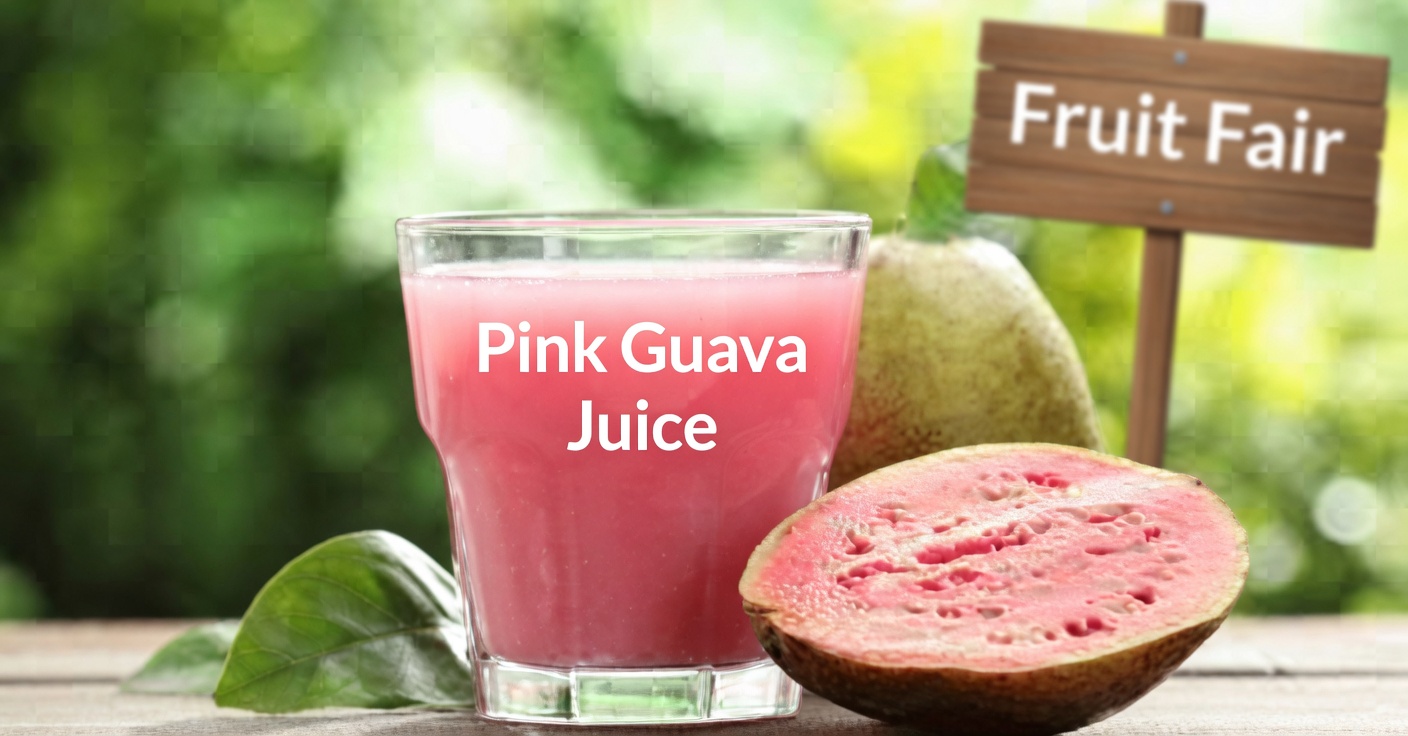
Many guava varieties—especially pink guava—contain lycopene, a powerful antioxidant. Laboratory research suggests lycopene may help protect retinal cells from free-radical stress associated with UV exposure and heavy screen use.
For anyone concerned about the cumulative impact of modern life on eye comfort, lycopene-rich guava can be a simple, flavorful layer of nutritional support.
4) Natural Hydration for Dry, Irritated Eyes
Dry indoor air, air conditioning, and back-to-back video calls can make eyes feel gritty. Guava is made up of more than 80% water, helping with hydration from within. It also contains compounds associated with anti-inflammatory activity, which may contribute to a calmer “eye surface” feel over time.
If you find yourself constantly reaching for eye drops, improving hydration and nutrient intake through foods like guava may complement your routine.
5) Small Amounts of Lutein and Zeaxanthin for Blue Light Support
Blue light exposure is a common reason people feel eye fatigue after long digital sessions. Guava contributes modest amounts of lutein and zeaxanthin—carotenoids known for supporting the macula and filtering certain wavelengths of light.
While guava isn’t the highest source compared with leafy greens, its carotenoids combined with vitamin C can support an overall eye-protective nutrient pattern.
6) Nutrient “Synergy” That May Ease Screen-Related Dryness
Burning eyes after a long workday often involve multiple factors: reduced blinking, dehydration, and oxidative stress. Guava combines hydration + vitamin A + antioxidants, which can function like a gentle nutritional “reset.”
A practical option:
- Blend fresh guava with carrot for a nutrient-dense drink that supports both hydration and vitamin A intake.
This simple combination targets dryness and fatigue in a way that many people overlook until symptoms start affecting focus and enjoyment.
7) Guava Leaves: Traditional Use for Gentle Soothing Support
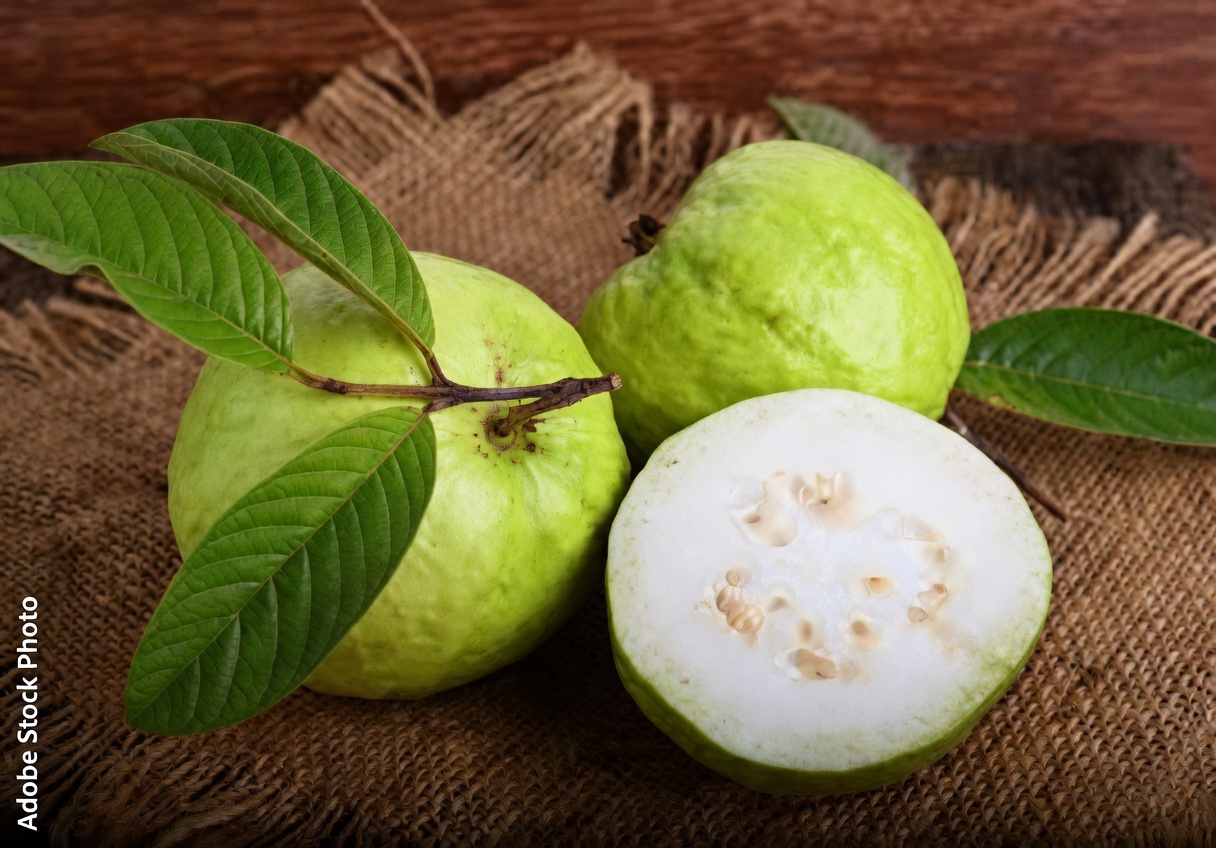
In many cultures, guava leaves are traditionally brewed into tea and sometimes used externally after cooling. Early studies suggest guava leaves may have anti-inflammatory and antimicrobial properties.
If you’re considering leaf use:
- Brew a mild tea, allow it to cool, and only consider external use as a sterile, cooled preparation—and consult an eye care professional first.
Guava leaves may complement the benefits of the fruit when your eyes feel overworked, but safety and sterility are essential.
8) A Strong Antioxidant Profile for Long-Term Resilience
Guava is frequently cited among fruits with a high overall antioxidant capacity. Over time, consistent antioxidant intake may help buffer the cumulative stress that contributes to “aging, tired eyes,” especially as small discomforts stack up across years.
9) Ongoing Vitamin C Intake to Help Maintain Lens Clarity
After 40, many people become more aware of gradual lens changes. Diet patterns rich in vitamin C have been associated with better support for lens clarity over time. Because guava makes it easy to meet vitamin C needs, it’s a practical daily choice.
Even modest consistency can support steadier comfort during close-up tasks like reading, crafting, or detailed computer work.
10) Carotenoids + Vitamins for Macular Wellness
Concerns about age-related macular changes are common. Guava’s mix of vitamin C, vitamin A, and carotenoids echoes parts of nutrition patterns often discussed for macular support.
While no fruit is a cure, guava can be one component of a diet aimed at maintaining comfortable central vision for reading, screens, and everyday detail.
11) Support for Digital Eye Strain
Digital eye strain is often driven by oxidative stress and fatigue from prolonged near-focus work. Guava’s antioxidant content can support your body’s defenses against that daily load.
Many people who improve antioxidant intake report that their eyes feel more comfortable later in the afternoon—when strain usually peaks.
12) Maintaining Everyday Sharpness and Comfort
Guava supports the eyes through vitamin A (cornea and visual function) and hydration, alongside antioxidants that help protect delicate tissues. Over several weeks, this may translate into fewer “hazy” days and more consistent comfort—helping you stay engaged without the constant worry that things are slipping.
Practical Ways to Add Guava to Your Eye Wellness Routine
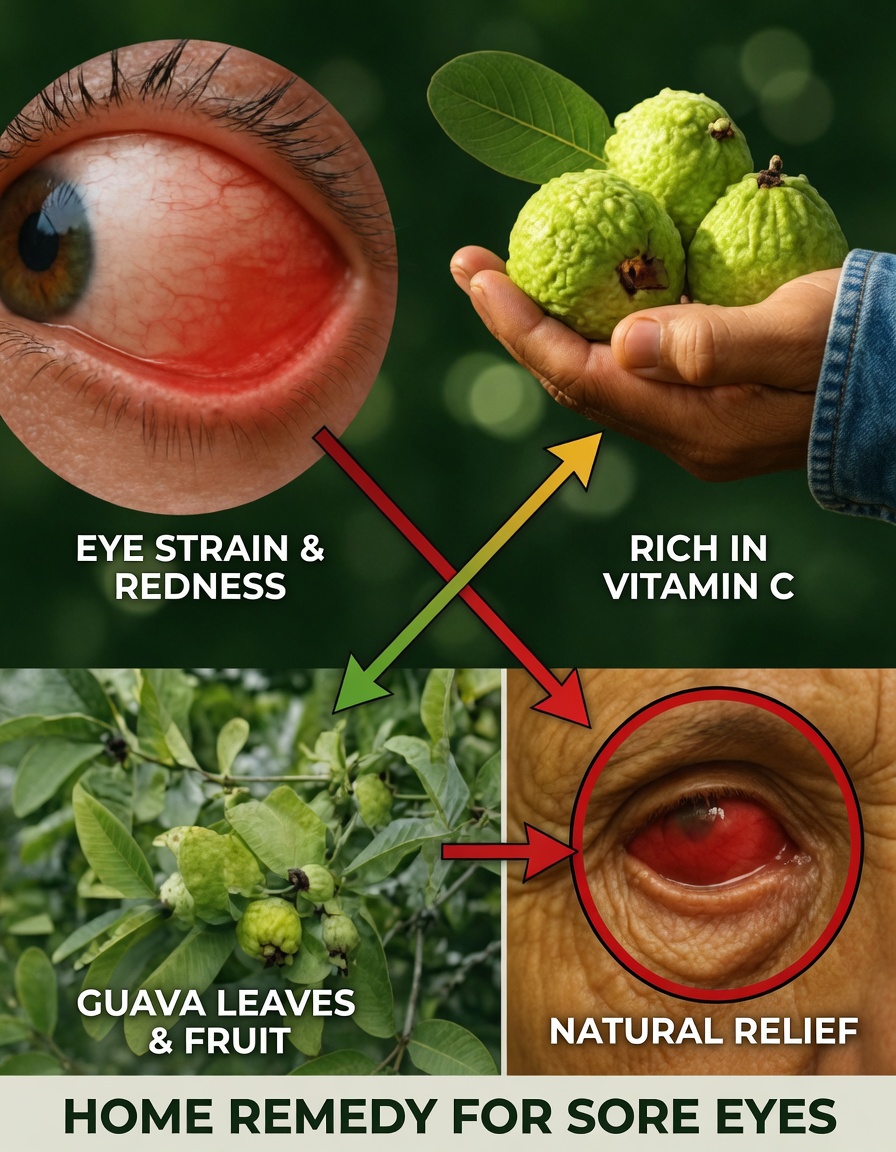
- Fresh guava: Eat 1–2 ripe guavas per day. If you tolerate it well, eating the skin can add extra fiber and nutrients.
- Guava leaf tea: Steep 5–8 fresh or dried leaves in hot water for about 10 minutes, then cool and drink. (Seek professional guidance before any external use.)
- Smoothies: Blend guava with spinach or carrots for an easy morning nutrient boost.
Quick Nutrient Comparison (Simple Overview)
- Vitamin C: Guava (very high) > Orange (high) > Spinach (lower) > Carrot (low)
- Vitamin A: Carrot (very high) and spinach (high), guava (meaningful), orange (low)
- Total antioxidants: Guava (very high), spinach (high), orange (medium), carrot (medium)
- Lutein/zeaxanthin: Spinach (very high), guava (some), orange (low), carrot (low)
A Simple 30-Day Getting-Started Timeline
- Weeks 1–2: Add 1 fresh guava daily.
- Weeks 3–4: Add 1 cup of cooled guava leaf tea (if appropriate for you).
- Week 5+: Combine fruit + tea and track how your eyes feel after screen time.
Guava vs. Other Eye-Friendly Options (At a Glance)
- Guava fruit: Affordable (seasonal in some areas), strong vitamin profile, very convenient
- Supplements: More expensive, targeted doses, convenience varies
- Carrots only: Very affordable and convenient, strong for vitamin A, narrower antioxidant range
- Guava leaves: Low-cost if accessible, traditional use plus early lab support, requires extra care for safe preparation
What to Expect (And What to Do Next)
With thoughtful, consistent use, many people notice gradual improvements such as less end-of-day fatigue or easier focusing within a few weeks. For even better results, pair nutrition with the 20-20-20 rule: every 20 minutes, look 20 feet away for 20 seconds.
Try adding one guava tomorrow and observe how your eyes feel after your usual screen time.
FAQ
How much guava should I eat daily for eye support?
A practical starting point is 1–2 fresh guavas per day or 1 cup of guava leaf tea. Consistency over time typically matters more than large amounts.
Can guava leaves be applied directly to the eyes?
Only consider this as a cooled, sterile, well-strained preparation, and only after speaking with an eye care professional. Eye safety and contamination risk are serious concerns.
Is guava safe for everyone who wants to protect their vision?
Guava is generally well tolerated as a food. If you have allergies, medical conditions, or take medications, check with a healthcare professional—especially before using guava leaves or concentrated preparations.
Medical Disclaimer
This article is for informational purposes only and does not replace professional medical advice. Consult a qualified healthcare provider or eye specialist for personalized guidance, particularly if you have existing eye conditions or plan to use herbal remedies.